Jia Lissa
The Lands Between is a realm defined by decay, ambition, and the crushing weight of history. To the average Tarnished, the towering figures that guard the great Runes and secrets of the Erdtree are merely obstacles—monstrous gatekeepers standing between the player and their ascent to the throne of Elden Lord. However, beneath the blood-slicked armor and the divine radiance of their boss arenas lies a tapestry of profound tragedy.
In Elden Ring, villainy is rarely a binary choice. Most of the game’s most iconic bosses are not agents of malice, but rather the broken remnants of a world that has long since abandoned them. From the experiments of the Eternal Cities to the cruel machinations of Queen Marika, these figures are frequently the victims of their own lore, forced into conflict by circumstance, duty, or existential despair.
The Architecture of Tragedy: A Chronological Perspective
To understand these bosses, one must look at the timeline of the Lands Between. The history of this world is one of systemic erasure. The Golden Order, established by Queen Marika, prioritized singular control, systematically hunting down those who did not fit the grace-bound narrative.
The chronology of these tragedies begins in the distant past with the war against the Giants and the experiments of the Nox. It continues through the era of the Golden Order’s peak, where those born "wrong"—like the Omen—were discarded. It concludes in the post-Shattering period, where the remaining demigods and guardians are left to protect decaying empires or serve purposes that no longer exist. When the player enters these arenas, they are not necessarily confronting "evil"; they are often ending a cycle of suffering that has lasted for eons.

1. Mimic Tear: The Manufactured Soul
The Mimic Tear stands as a stark reminder of the hubris of the Eternal Cities of Nox. These civilizations, hidden deep beneath the earth, sought to create a Lord to challenge the Greater Will. The Mimic Tear was the result of this desperate, biological engineering.
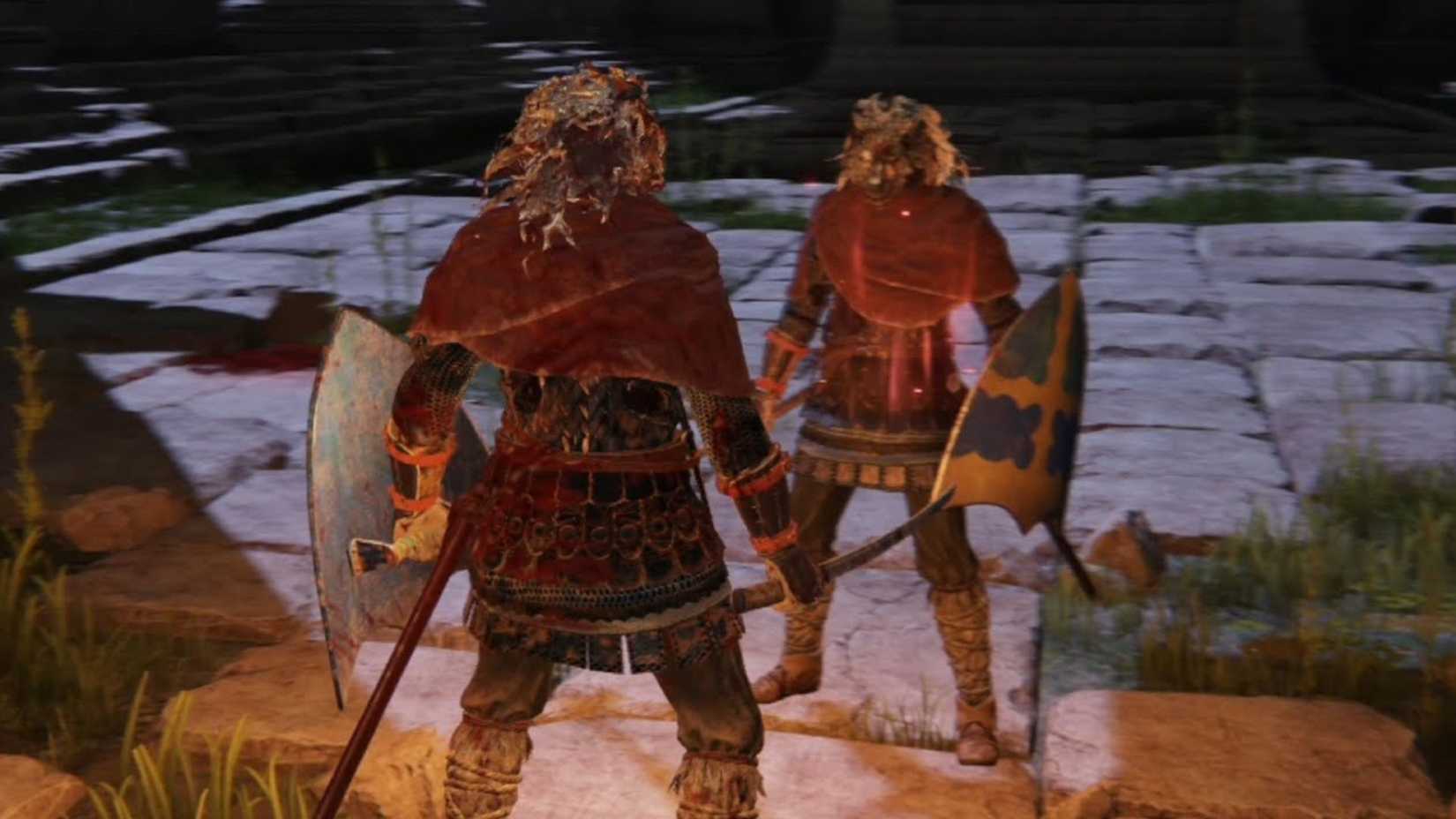
Unlike sentient beings born of biology and spirit, the Mimic Tear was a blank slate—a biological mirror. It possesses no true personality, no agency, and no inherent malice. It is an artificial construct forced to mimic the strength of others to satisfy a forgotten mandate. When the player engages the Mimic Tear, they are essentially fighting their own shadow. It is a hollow victory, as the creature has no choice in its existence, acting merely as a tool in an experiment that failed centuries ago.
2. Spirit-Caller Snail: The Reluctant Guardian
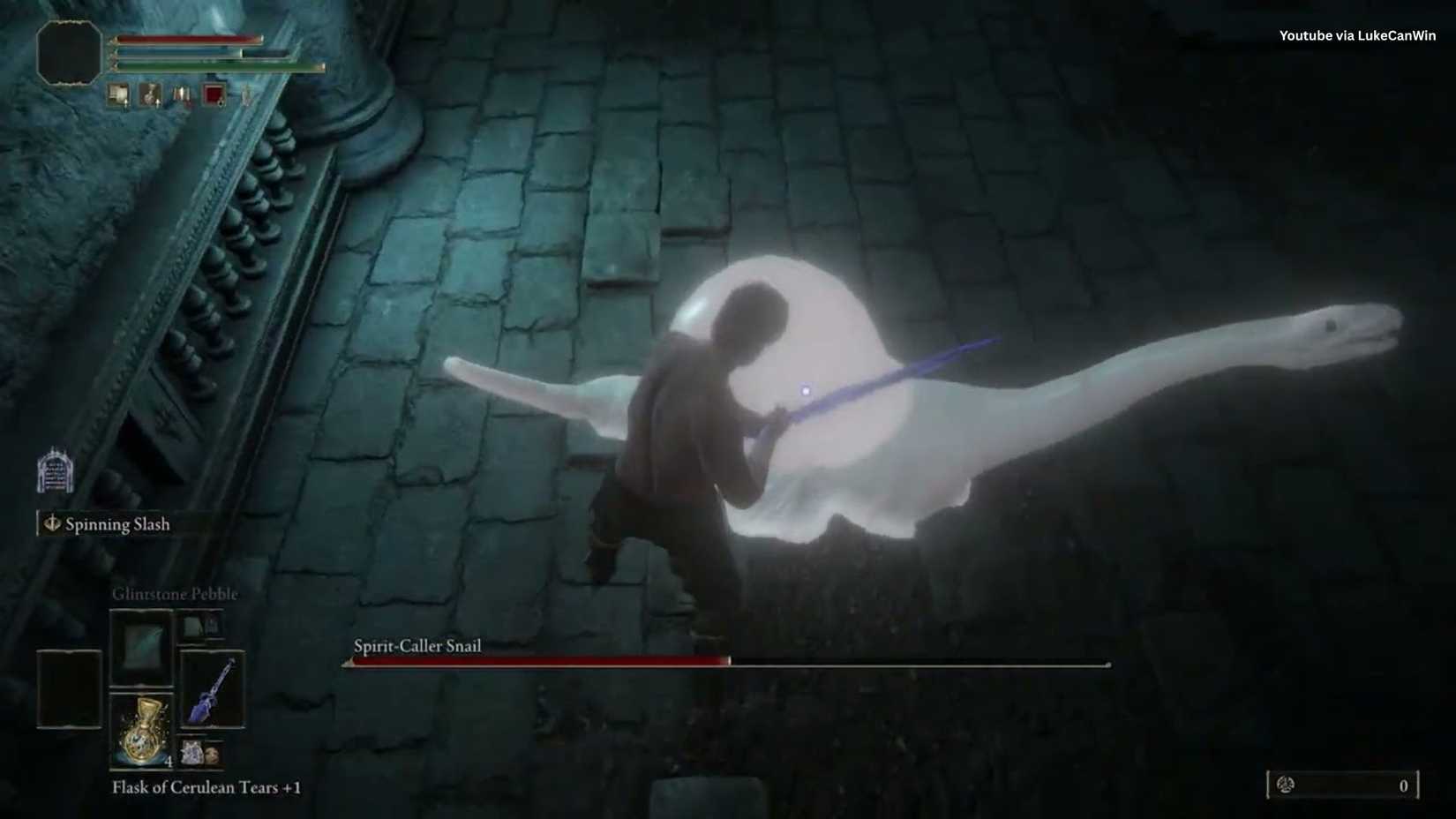
Often dismissed as a "joke" boss due to its low health and lack of aggressive combat capability, the Spirit-Caller Snail is perhaps the most sympathetic figure in the game. Found hiding in the darkness of the Spiritcaller Cave, the snail does not seek to dominate or conquer. It is a scavenger of history, summoning the spectral images of warriors to defend its home from intruders.
The player acts as the aggressor here, invading the snail’s sanctuary. The snail’s "attacks" are merely defensive reflexes. It is a creature of preservation, not aggression, desperately trying to survive in a world where it is clearly outmatched. The ease of the fight only serves to underscore the creature’s inherent fragility.
3. The Fire Giant: The Last Prisoner of War
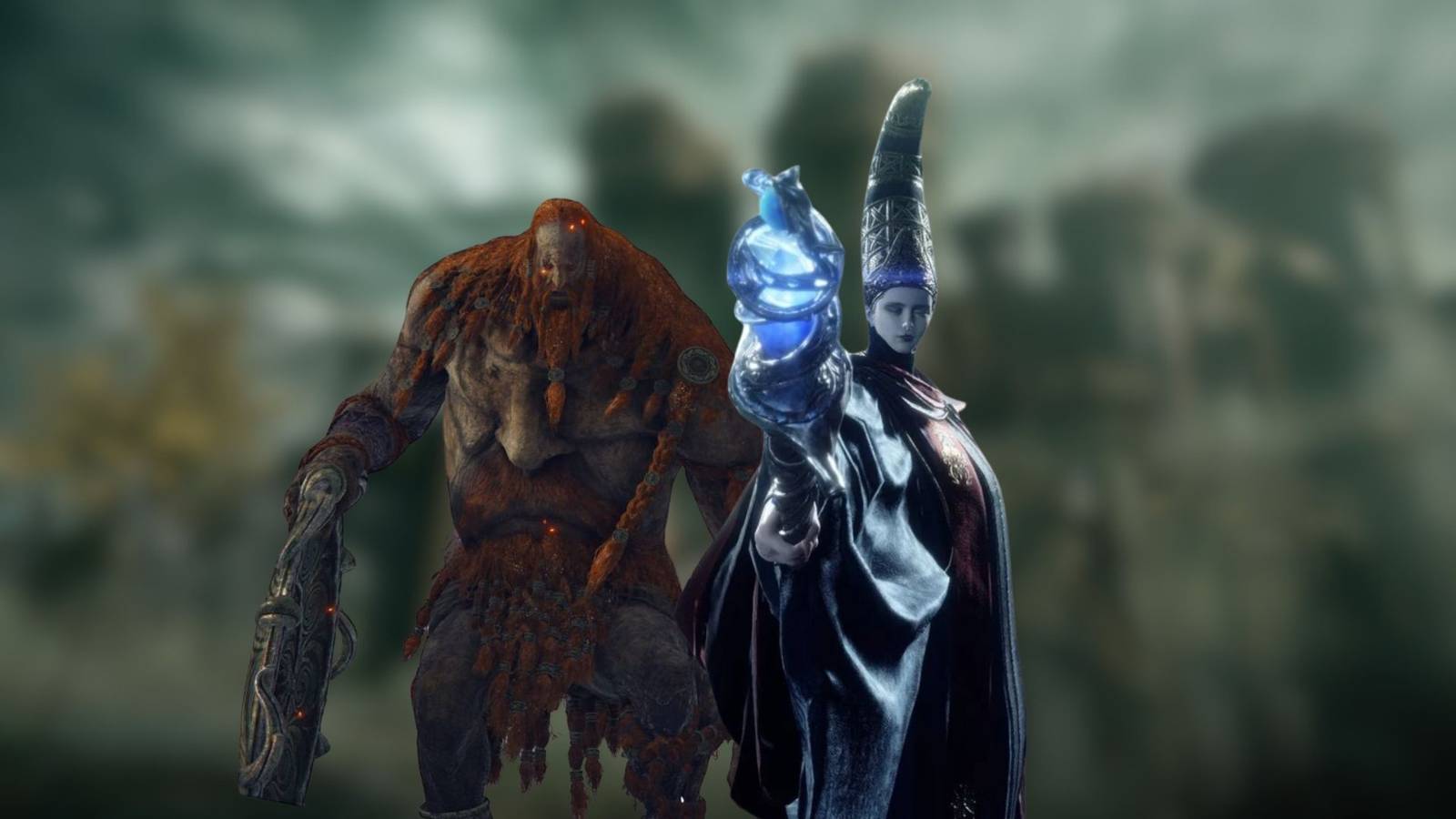
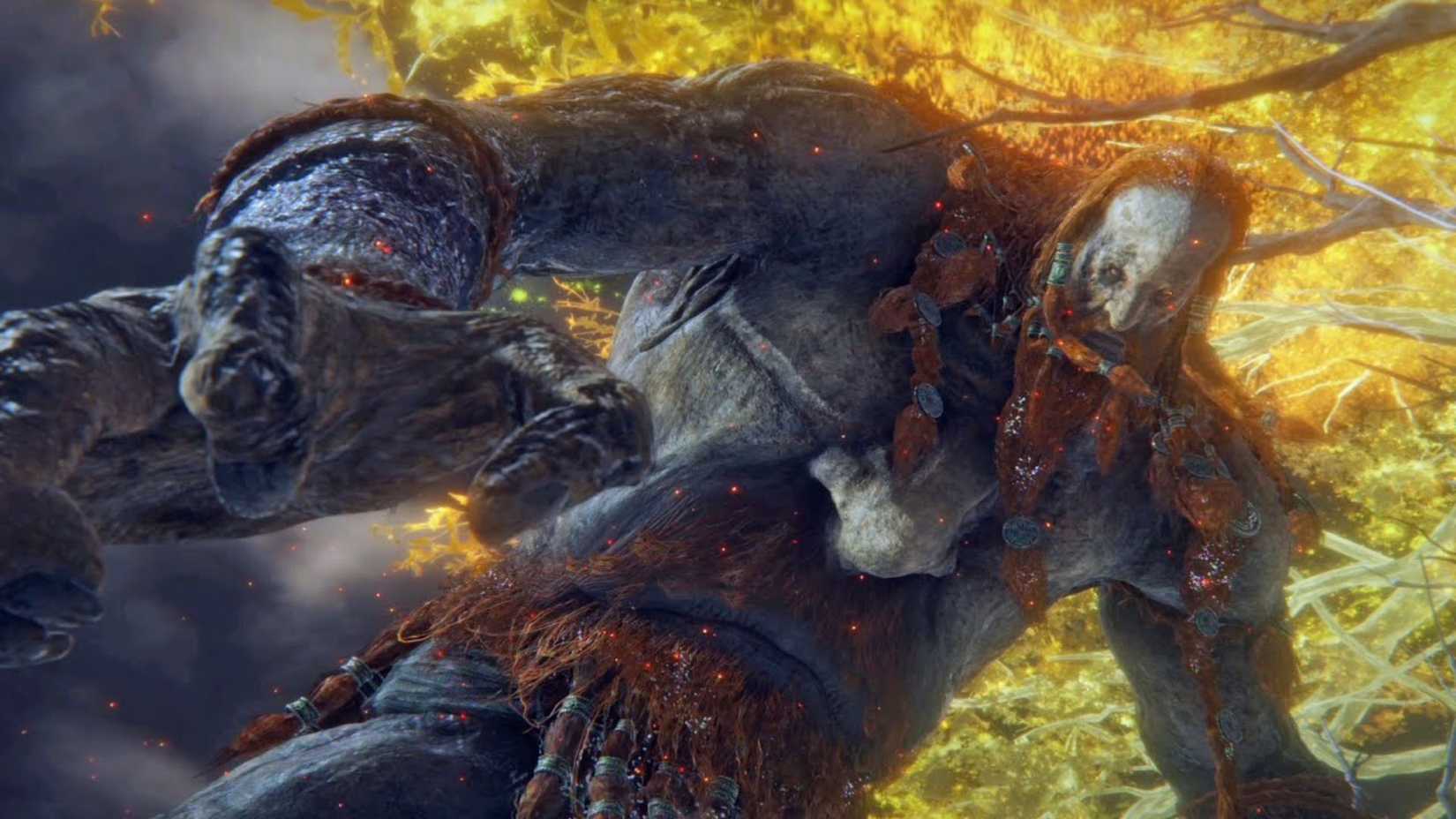
The Fire Giant’s story is one of genocidal trauma. After Queen Marika’s campaign against the giants, this survivor was not merely left to die; he was cursed. Forced to serve as the eternal warden of the Forge of the Giants, he remains chained to his duty by the very god who decimated his people.
He stands atop the Mountaintops of the Giants, surrounded by the calcified remains of his kin. He is a prisoner of time, duty-bound to guard a secret he likely hates. When the player arrives to burn the Erdtree, the Fire Giant is simply fulfilling the only command he has left. He is not a villainous deity, but a broken, lonely sentinel who has been forced to witness the total annihilation of his civilization.
4. Morgott, the Omen King: The Loyalist in Exile
Morgott’s tragedy is one of internal conflict and unrequited devotion. Born as an Omen, he was shunned by the Golden Order and confined to the Subterranean Shunning Grounds. Despite this institutionalized hatred, Morgott remained fiercely loyal to the very system that branded him a monster.
He is a man who sacrificed everything—his pride, his freedom, and his public image—to protect a capital that would never accept him. Morgott did not fight the Tarnished out of a desire for power; he fought to preserve the stability of a crumbling order. He is the ultimate tragic hero: a protector of an ideal that ultimately despised him.
5. Ancestor Spirit: The Embodiment of Nature
The Ancestor Spirit exists outside the politics of the Erdtree. It represents the cyclical nature of life and death, entirely removed from the corruption of the Demigods. It is a peaceful, ethereal entity, dwelling in the sacred Hallowhorn Grounds.
There is no narrative justification for the player to kill the Ancestor Spirit other than the acquisition of power. The creature is not obstructing a quest for the throne; it is simply existing. To slay it is to disrupt the natural cycle of the Siofra River. It is a reminder that in the quest for the Elden Ring, the player often destroys the few remaining vestiges of peace in a land consumed by war.
6. Midra, Lord of the Frenzied Flame: A Martyr of Agony
The Shadow of the Erdtree expansion introduced us to Midra, a character defined by unimaginable suffering. A sage who sought to master the Frenzied Flame to contain it, he failed and was punished with the "Greatsword of Damnation."
This was not a death sentence; it was an invitation to eternal agony. Midra was impaled and left to endure the influence of the Frenzied Flame for centuries. When the player finally arrives, they are not fighting a conqueror, but a victim of divine torture who has been driven to madness by the sheer weight of his prolonged suffering.
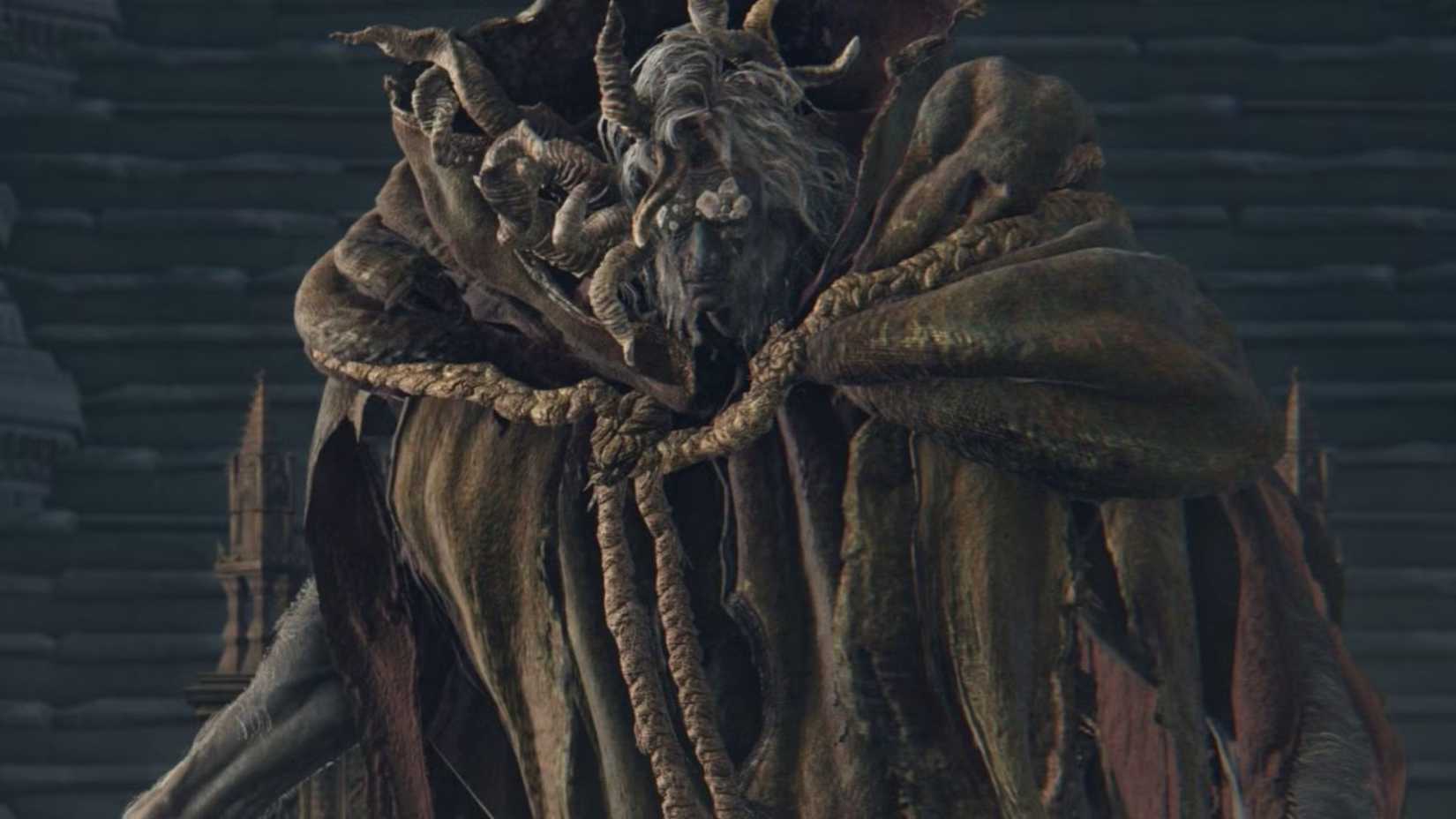
7. Rennala, Queen of the Full Moon: The Abandoned Mother
Rennala’s story is a harrowing look at the human cost of the Shattering and the political machinations of Marika. Once a powerful queen and the head of the Carian Royal Family, her life was shattered when Radagon abandoned her for Marika.
The psychological toll of this abandonment broke her. She retreated into her library, clutching a Great Rune given to her by Radagon, desperately trying to "rebirth" her lost students. Her own academy eventually turned on her, locking her away as a shell of her former self. The boss fight against Rennala is not a battle against a conqueror, but a tragic encounter with a woman who has lost her sanity to heartbreak.
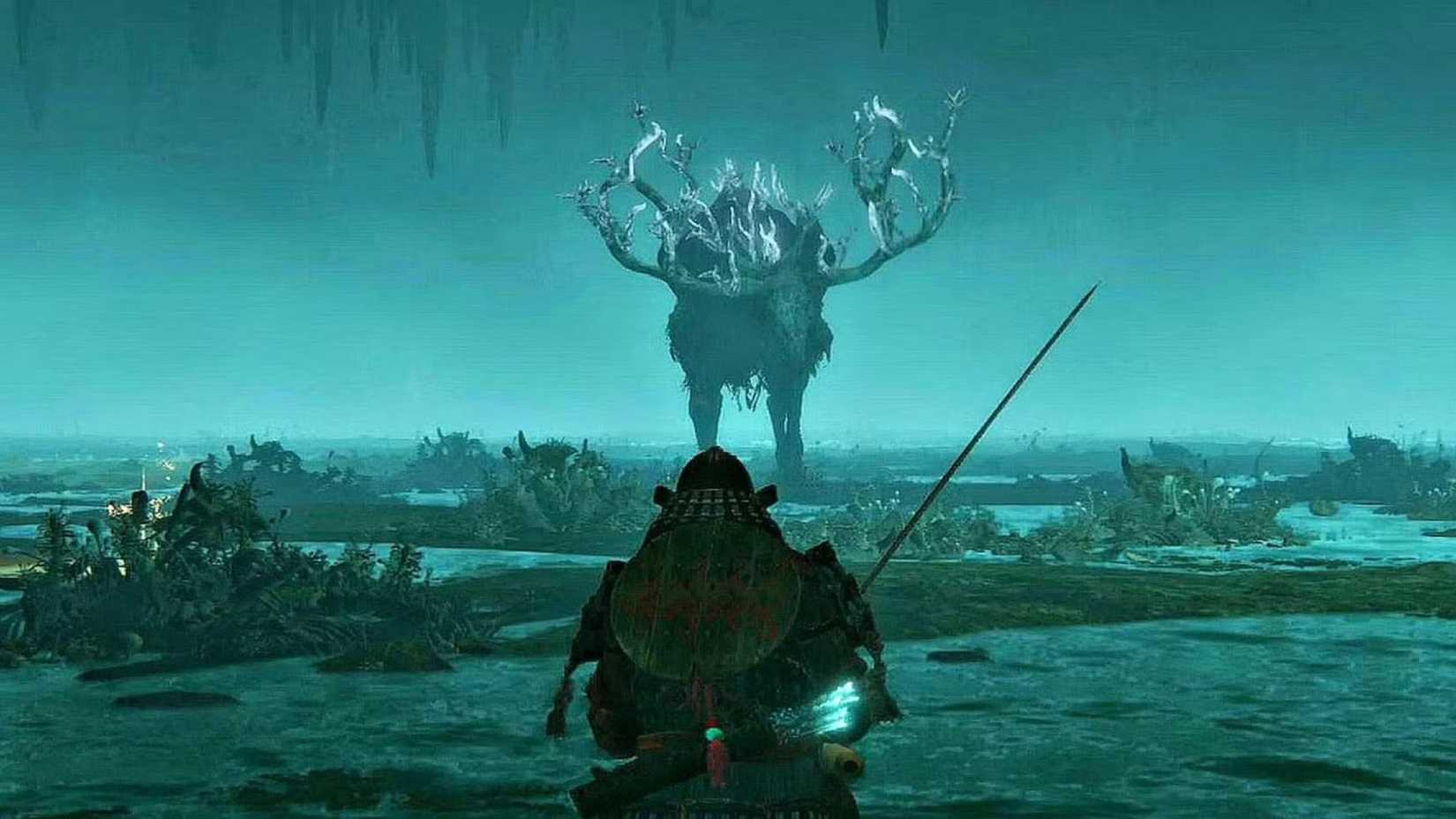
8. Lichdragon Fortissax: The Faithful Companion
Finally, we have Lichdragon Fortissax. This ancient dragon’s loyalty to Godwyn the Golden is perhaps the most touching story in the game. After their initial duel, they formed a bond that transcended the enmity between their kinds.
When Godwyn was corrupted into the Prince of Death, Fortissax did not abandon him. Instead, he entered the dream of his fallen friend, fighting a futile battle against the death-blight consuming Godwyn’s soul. Fortissax is a symbol of absolute, unwavering friendship. To kill him is to destroy the last defender of a soul that has already been lost to the void.
Official Perspectives and Lore Implications
FromSoftware’s environmental storytelling, a hallmark of Hidetaka Miyazaki’s design philosophy, forces players to piece these stories together through item descriptions and world geometry. There are no "official" proclamations from the developers labeling these characters as heroes or villains; that is the brilliance of the Elden Ring narrative.
The implications are clear: the "Tarnished" is not necessarily a hero. In many of these encounters, the player is a disruptive force, a conqueror bringing the finality of death to those who have been trapped in their own purgatories. The game forces the player to consider whether the pursuit of the Elden Throne is worth the destruction of the few beings who still possess genuine purpose or affection.
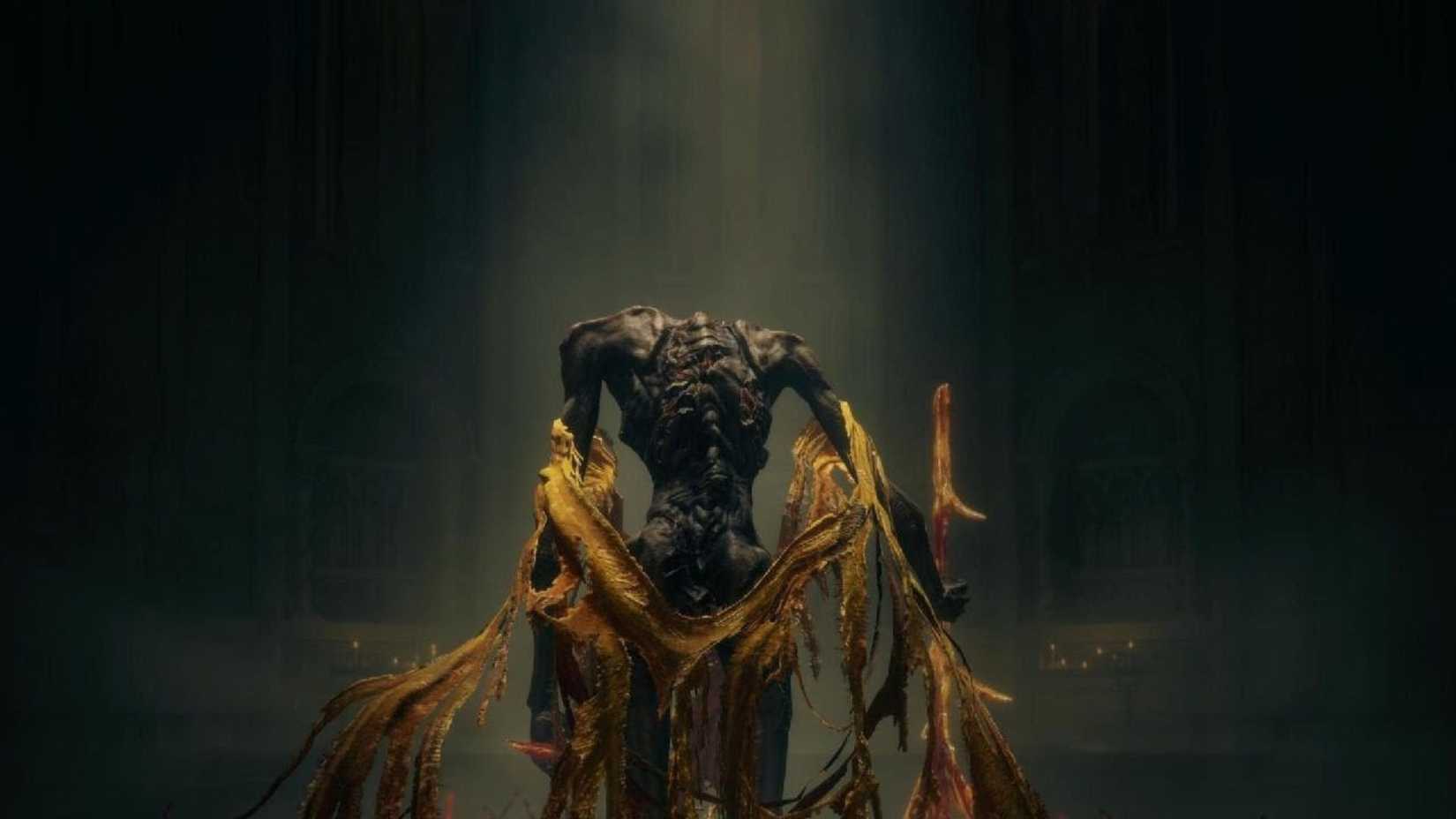
Conclusion: The Burden of Grace
The boss roster of Elden Ring serves as a poignant mirror to the world itself. If the player chooses to look past the health bars and the "Great Enemy Felled" prompts, they find a gallery of souls who are defined by their capacity to suffer.
Whether it is the loyalty of Morgott, the grief of Rennala, or the tragic friendship of Fortissax, these characters ground the high-fantasy setting in something deeply human. They are the victims of a cosmic experiment gone wrong, and their stories serve as the emotional heart of a game often categorized only by its difficulty. In the end, the true tragedy of the Lands Between is not just the collapse of the Golden Order, but the systematic destruction of the individuals who were forced to live—and die—in its shadow.


 Laily UPN
 Evan Lee Salim