

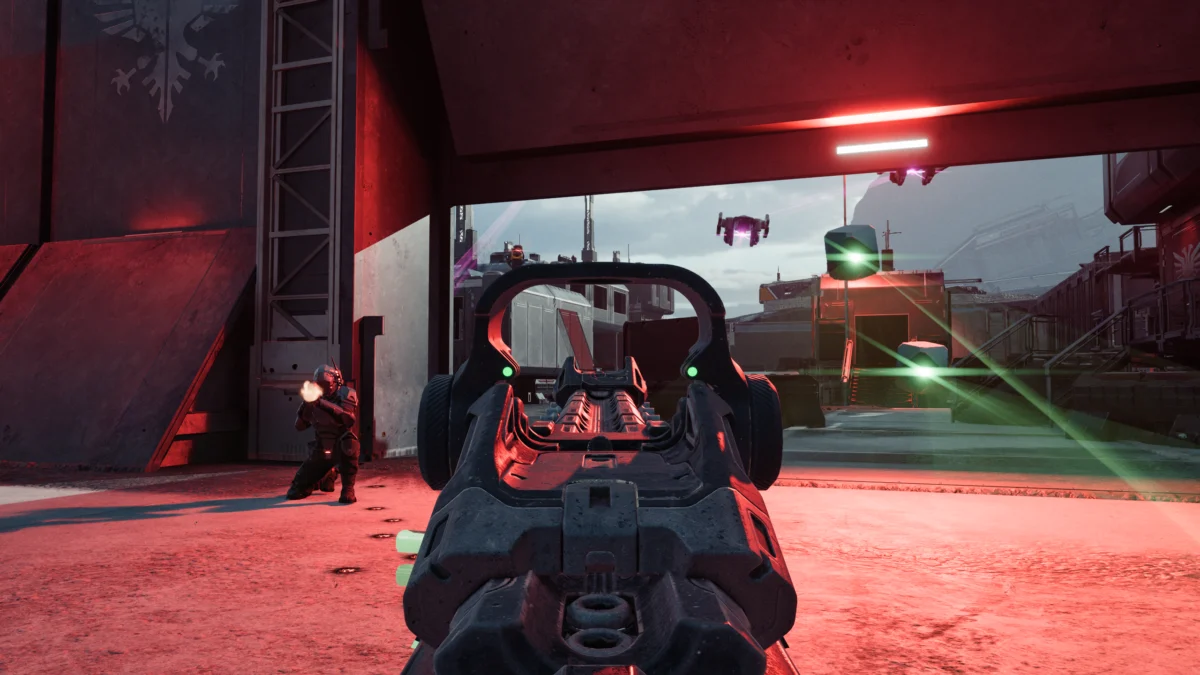
For over two decades, the EVE Online universe has stood as the gold standard for emergent gameplay, player-driven economies, and the kind of high-stakes political drama that routinely makes mainstream headlines. Yet, for all its complexity, the experience has remained firmly tethered to the cockpit of a spaceship. Now, Fenris Creations is aiming to bridge the gap between the silent vacuum of space and the boots-on-the-ground reality of planetary conflict with EVE Vanguard.
As the studio prepares for the "Operation Avalon" alpha playtest—running from July 7th to July 20th—the gaming community is watching closely. This is not merely another attempt at an EVE shooter; it is a calculated effort to create a symbiotic ecosystem between an MMO and an extraction-based first-person shooter.
Main Facts: The Anatomy of a New Frontline
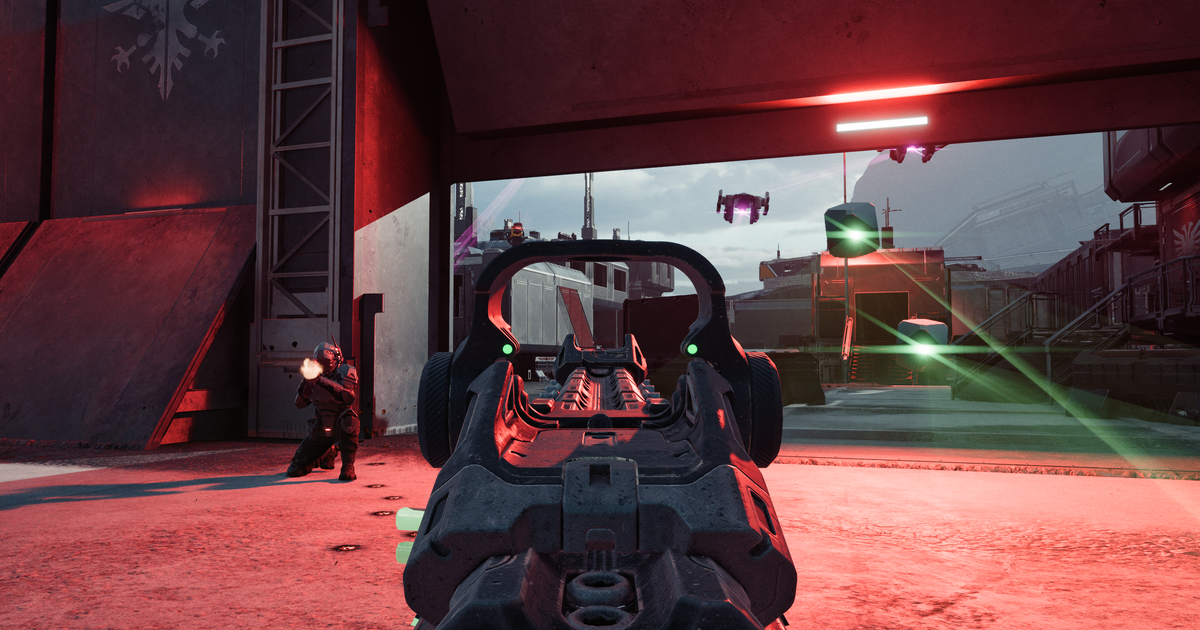
EVE Vanguard is an extraction-based PvPvE (Player vs. Player vs. Environment) shooter designed to serve as the ground-combat counterpart to the EVE Online spacefaring experience. Players take on the role of "warclones"—mercenaries deployed to planets to conduct raids, salvage assets, and engage in tactical warfare.
The core gameplay loop centers on the "Shoot, Loot ‘n’ Scoot" philosophy. Players deploy to hazardous environments, secure high-value technology, and attempt to reach an extraction point before being eliminated by rival mercenaries, autonomous security drones, or the environment itself. Unlike standalone shooters, every action taken in Vanguard is intended to have a ripple effect in the EVE Online economy. The integration of "contraband" systems means that items salvaged from ship graveyards in Vanguard can be funneled back into the EVE Online market, turning the shooter into a crucial cog in the MMO’s legendary economic machine.
A Chronological Perspective: The Long Road to Vanguard
The history of EVE shooters is one of both immense ambition and historical disappointment. To understand Vanguard, one must look at the ghosts that haunt its development.
- The Dust 514 Era (2013–2016): The first attempt to bring ground combat to the EVE universe, Dust 514, was a PlayStation 3 exclusive. While it featured groundbreaking "orbital bombardment" mechanics that allowed EVE Online pilots to support infantry on the ground, it was ultimately hamstrung by its platform exclusivity and technical limitations. Its closure left a void that fans have been asking to fill for years.
- The "Project" Years (2016–2022): Following the sunsetting of Dust 514, the studio (then under the CCP Games banner) experimented with various concepts, including Project Legion and Project Nova. These efforts were aimed at creating a more modern, PC-centric experience, but they never progressed beyond the prototype stage.
- The Vanguard Reveal (2023): Three years ago, the studio finally unveiled EVE Vanguard. It was framed not as a successor to Dust 514, but as a distinct evolution that prioritized the extraction-shooter genre, which had exploded in popularity thanks to titles like Escape from Tarkov.
- The Present (2024): The upcoming Operation Avalon alpha marks the most significant milestone in the project’s development. It represents a pivot from "concept art and promises" to "functional, testable gameplay," signaling that the developer is finally ready to let the community stress-test the mechanical foundations.
Supporting Data: Economic Integration and Technical Evolution
The "economic bridge" is the most compelling aspect of Vanguard. In the EVE universe, when a ship is destroyed, it leaves behind a "wreck." In the past, these were simply collections of loot. With Vanguard, these wrecks are being repurposed into gameplay opportunities.
When a ship is destroyed in EVE Online and its modules aren’t claimed, the game will now transport these items to graveyard facilities on nearby planets. Vanguard players can then infiltrate these zones, retrieve the modules, and sell them back into the EVE Online market. This creates a fascinating dynamic:
- Supply Chain Control: Corporations can hire "mercenaries" (Vanguard players) to secure their own lost equipment, effectively creating an in-game insurance-recovery service.
- Market Manipulation: Industrial saboteurs can theoretically hoard certain modules to spike prices in the EVE Online trade hubs, forcing rival corporations to pay a premium for their own salvaged technology.
- Upgrade Synergy: Players can use "mutaplasmids"—items that provide permanent stat upgrades to gear—to improve their Vanguard merc-clones, incentivizing players to spend time in both the MMO and the shooter to optimize their character builds.
Official Responses: Addressing the "Floaty" Criticism
One of the most persistent criticisms leveled at early builds of Vanguard was that the gunplay felt "loose" and lacked the "heft" expected of a modern shooter. During the recent EVE FanFest, the development team explicitly addressed these concerns.

"We have heard the feedback loud and clear," a lead developer noted during the keynote. "The tactical feel of the combat is the foundation of the player experience. If the shooting doesn’t feel right, the economy doesn’t matter."
Recent hands-on sessions suggest that the team has made strides in sound design and physics-based feedback. The SMGs and rifles now feature a more aggressive "bark" and improved recoil management, providing the necessary sensory feedback to make engagements feel lethal. While the studio acknowledges that the project is still in a developmental "gestation" phase, the commitment to refining the core mechanics is a priority, distinguishing this project from previous, less-polished prototypes.
Implications: The Future of the EVEverse
The success of Vanguard hinges on a difficult balancing act: it must be a satisfying standalone shooter while simultaneously serving the complex, often unforgiving, needs of an established MMO.
The Competitive Landscape
Vanguard enters a crowded market. It will be competing for player attention against titans like Arc Raiders and the highly anticipated Marathon reboot from Bungie. While Marathon leans into atmospheric, sci-fi horror elements, Vanguard relies on the sheer weight of its history. No other game can offer the depth of a 20-year-old player-run economy as a backdrop for its gunfights.

The "Military Campaigns" Factor
The integration of "Military Campaigns" in the upcoming Cradle of War expansion is the final piece of the puzzle. By allowing Vanguard players to officially align with the major NPC empires of EVE Online, the game introduces a layer of persistent factional warfare. This is not just about individual greed; it is about territory and political influence.
Final Verdict: A High-Stakes Bet
For the EVE community, Vanguard is the ultimate "what if." If successful, it will transform the EVE universe from a game of stars and spreadsheets into a living, breathing world where the consequences of a fleet battle are felt on the ground in real-time. If it fails, it will serve as another cautionary tale in the annals of MMO history.
However, for the first time in over a decade, the path forward feels intentional. The integration of graveyard looting and factional military campaigns provides a compelling reason for EVE players to step out of their ships and into the mud. Whether this creates a vibrant, interconnected ecosystem or a disjointed mess of disparate systems remains to be seen. But one thing is certain: come July 7th, the focus of the EVE universe will shift from the vastness of the stars to the high-stakes corridors of the planetary graveyards.











No comments yet. Be the first to join the conversation!