Muslim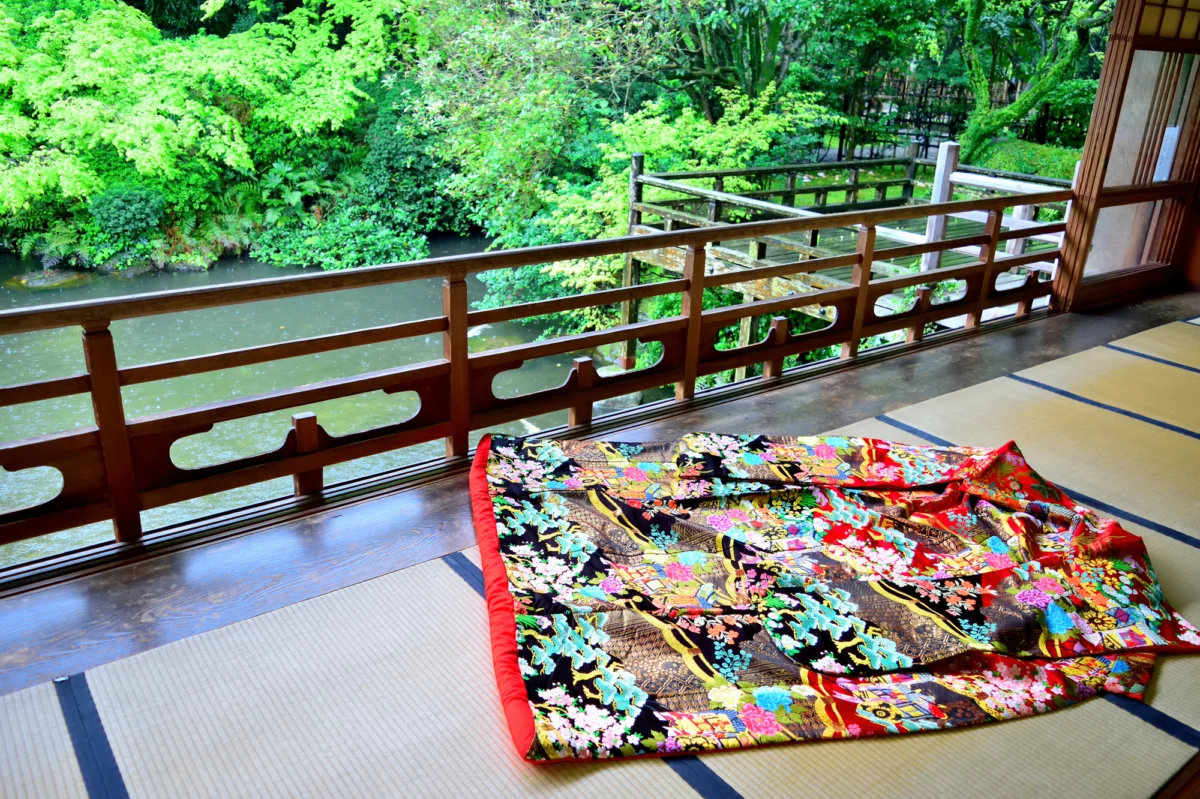
For visitors navigating the stone-paved streets of Kyoto’s Gion district or the historic tea houses of Kanazawa, the presence of the kimono rental shop is inescapable. Mannequins, dressed in a kaleidoscopic array of polyester prints, stand as sentinels on nearly every corner, promising a "total transformation" in under twenty minutes. For many tourists, these storefronts serve as the primary gateway to Japanese aesthetics—a "bucket list" item that involves little more than selecting a color, paying a nominal fee, and stepping out into the city for a photoshoot.
However, as a certified kimono stylist, I have observed that these rapid-fire rental experiences represent only the most superficial layer of a profound and complex cultural landscape. Behind the neon signs and the standard ¥3,000 price tags lies a vast, centuries-old tapestry of seasonal regulations, sophisticated textile arts, and evolving fashion subcultures that remain largely invisible to the casual visitor. To understand the true depth of the kimono, one must look beyond the rack.
The Fast-Fashion Phenomenon: The Tourist Experience
The "factory-line" kimono rental model is, by design, an exercise in efficiency. In high-traffic tourism hubs, shops are engineered to process dozens, sometimes hundreds, of clients daily. To accommodate this volume, these establishments rely on standardized practices that prioritize ease over traditional kitsuke (the art of dressing).
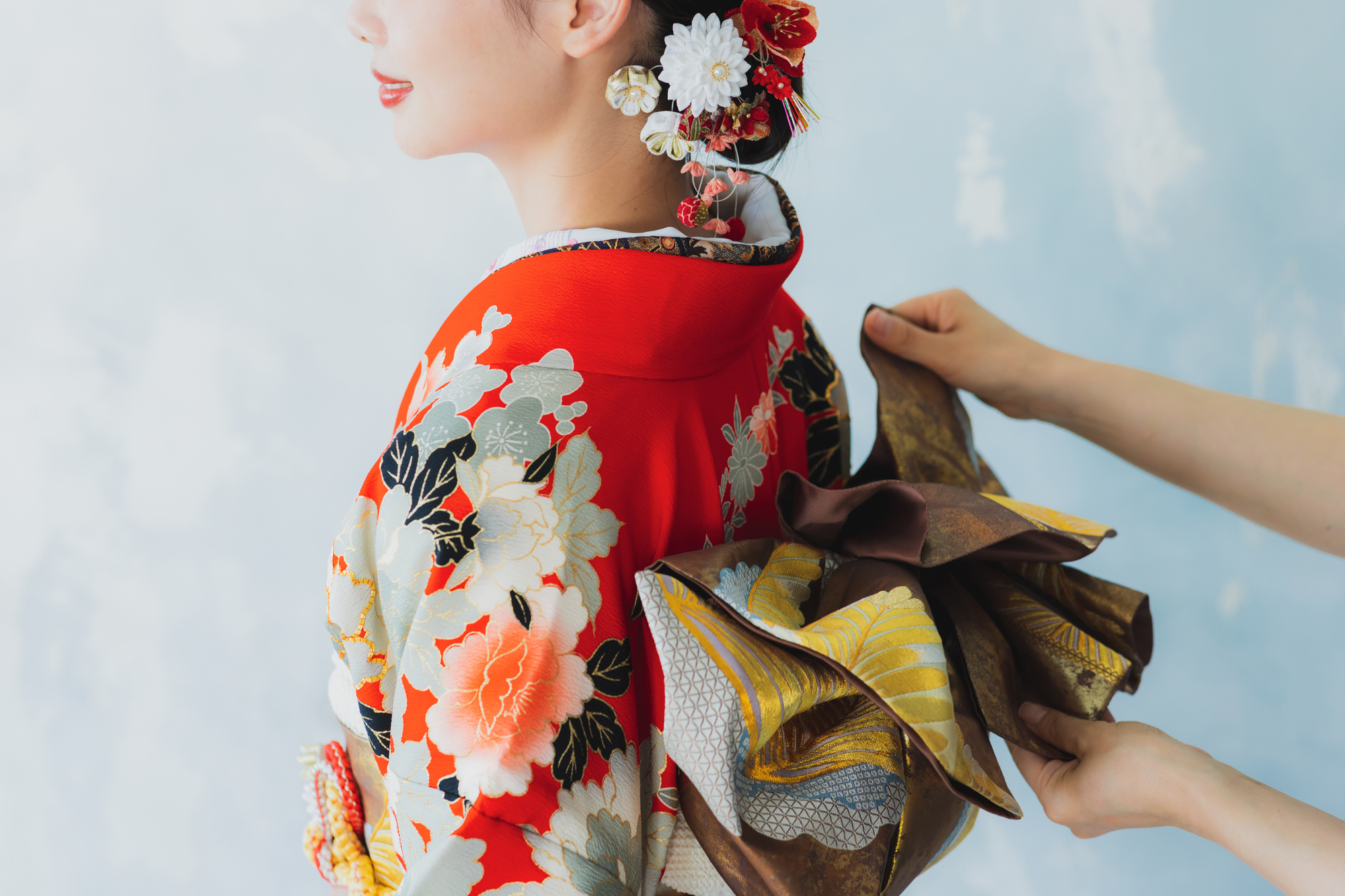
Central to this is the hanhaba obi—a shorter, softer sash typically reserved for summer yukata. Unlike the complex, structured fukuro or nagoya obi worn for formal occasions, the hanhaba is quick to tie and requires minimal undergarments, making it the industry standard for tourists. While this efficiency enables a quick transition for the visitor, it creates a distinct visual shorthand. To the trained eye, these tourist-rental coordinates are instantly recognizable: they often favor vibrant, "loud" colors and large, repetitive floral patterns designed to pop in social media photography.
This focus on aesthetic "noise" often comes at the expense of nuance. Traditional kimono styling is governed by the concept of TPO—Time, Place, and Occasion. A master stylist considers the season, the formality of the event, the wearer’s age, and the harmony between the textile’s weave and the season’s color palette. In contrast, the rental model prioritizes a generic, "pretty" look that, while fun for a day, strips the garment of its inherent cultural language.
A Professional’s Perspective: The Art of Intentionality
At the opposite end of the spectrum lies the world of the professional, independent stylist. Here, the experience is not a transaction but a consultation. Working with a stylist, a client is guided through the selection of a garment based on body type, skin tone, and the specific intent of their day.
This approach is inherently educational. A professional stylist does not simply dress a client; they narrate the garment. They explain why a certain motif is appropriate for the current season, why a specific obijime (cord) complements the obi, and how the kitsuke must be adjusted to reflect the formality of the occasion. This process transforms the act of wearing a kimono from a costume-like photo opportunity into a tactile history lesson.
This level of detail commands a premium, both in price and time. It is an acknowledgment that a kimono is not a static item of clothing, but a living medium of Japanese art. When a wearer understands that their silk robe may feature an embroidery technique passed down through generations or a color palette reflective of the Nijūshiseki (the 24 solar terms), the garment takes on a weight and significance that no mass-produced rental can replicate.
A Chronological Journey Through Japanese Dress
To truly appreciate the evolution of the kimono, one must recognize that the T-shaped garment we identify today is merely one chapter in a much longer history. Modern Japan offers a variety of specialized experiences that allow for a deeper, more historical immersion.
The Heian Period (794–1185): The Jūnihitoe
The jūnihitoe, or "twelve-layered robe," is perhaps the most spectacular garment in the Japanese repertoire. Associated with the Heian-era imperial court, these ensembles were never intended for casual walking. Consisting of multiple layers of silk, the jūnihitoe is a masterclass in color theory, where the visible edges of the robes were coordinated to reflect the shifting seasons and the courtier’s rank. Weighing between 15 and 20 kilograms, this is a stationary, meditative experience, usually reserved for formal photoshoots in traditional gardens or shrine settings.
The Nara Period (710–794): Continental Influences
Long before the obi became the focal point of Japanese dress, the Nara period saw Japan heavily influenced by the Tang Dynasty of China. The silhouette of this era—characterized by separate robes, skirts, and trousers—feels radically different from the modern kimono. For the cultural historian, exploring Nara-period attire offers a rare glimpse into a time when Japanese fashion looked outward, creating a distinct aesthetic that predates the isolationist trends of later centuries.
The Edo Period (1603–1868): The Uchikake
The uchikake is a heavy, sweeping outer robe that served as a potent symbol of status for the wives of samurai and wealthy merchants. Unlike the standard kimono, the uchikake is worn unbelted and draped over the inner layers. Today, experiencing the uchikake is an exercise in grandeur; it allows the wearer to step into the shoes of the Edo-era elite, emphasizing the role that clothing played as a signifier of household power and prestige.
Modern Evolution: Taisho Roman and Lace Kimono
The story of the kimono is not a static preservation of the past; it is a narrative of constant evolution. Two modern movements highlight this fluidity:
- Taisho Roman: Named for the Taisho period (1912–1926), this style embodies the "romantic" collision of East and West. It is characterized by the integration of lace collars, leather boots, and pearl jewelry with traditional silk kimonos. It represents a time of rapid modernization and remains a favorite among young Japanese women who wish to express a nostalgic, avant-garde identity.
- Lace Kimono: The most contemporary development is the emergence of "lace kimono." By utilizing delicate, non-traditional fabrics, this style treats the kimono as high-fashion streetwear. It is a rebellion against the rigid rules of traditional kitsuke, making the garment accessible, breathable, and deeply personal. Its dominance on platforms like Instagram proves that the kimono is not a relic—it is a living, breathing fashion language.
Implications for the Future of Cultural Tourism
The surge in popularity of kimono rentals has created a double-edged sword. On one hand, it has introduced millions of international visitors to a fundamental pillar of Japanese identity. On the other, it has commodified the experience to the point where the cultural significance is often obscured by the quest for the perfect photo.
As Japan continues to grapple with "overtourism," the implication for traditional dress is clear: the industry must pivot toward education. There is a growing demand for "slow tourism"—experiences that prioritize quality, authenticity, and respect for the craft. For the traveler, this means moving beyond the high-street rental shops. It means seeking out independent stylists who operate by appointment, looking for workshops that focus on historical accuracy, and understanding that the beauty of a kimono lies as much in its context as it does in its appearance.
The kimono remains a waltz between history, fashion, and the individual. Whether you are draping yourself in the heavy silks of an Edo-era uchikake or experimenting with a modern lace ensemble, you are participating in a tradition that is constantly being written. For those willing to dig deeper, the rewards are immense: you stop being a tourist observing a costume and begin to understand the nuanced, elegant, and deeply personal art of being dressed in Japan.
For visitors who wish to bridge the gap between the tourist experience and the professional world, the path is open. By engaging with stylists who bridge the gap between the "bucket list" and the authentic, you ensure that the kimono remains not just a souvenir, but a meaningful connection to a history that is still very much alive.


 Neng Nana
 Asro
Asro