Nana Wu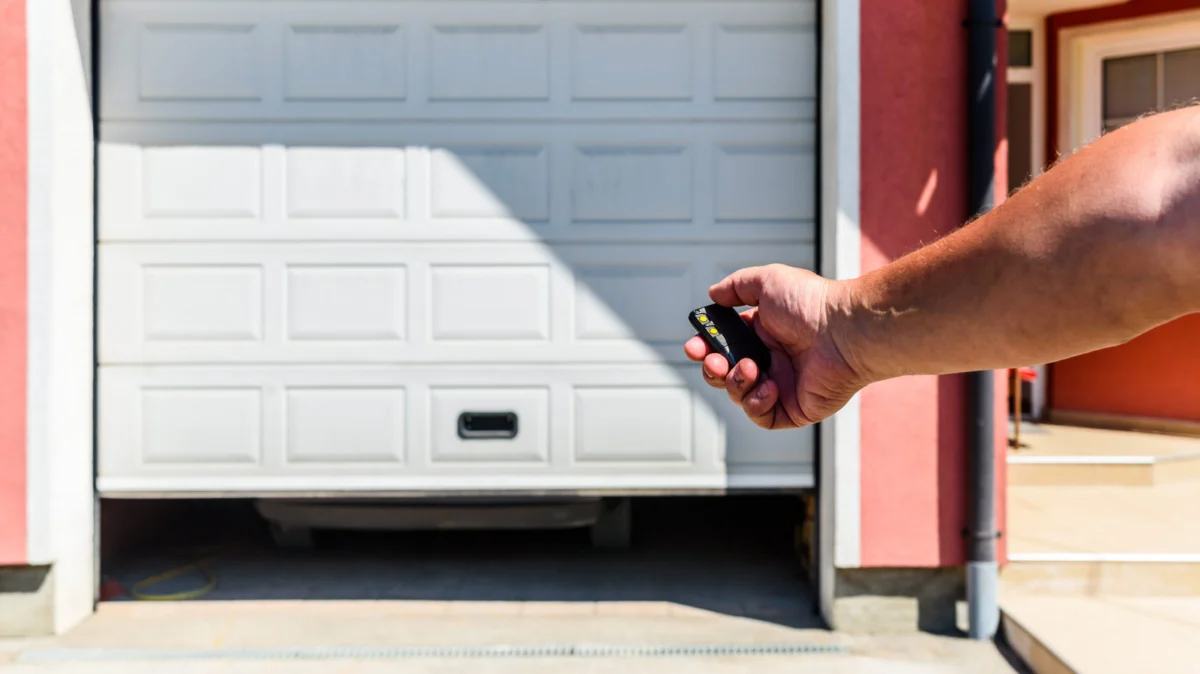
As summer temperatures soar, homeowners are perpetually searching for cost-effective ways to keep their living spaces comfortable. Among the most pervasive DIY hacks circulating on social media and neighborhood forums is the practice of "cracking" the garage door open during the hottest hours of the day. The theory, often shared with confidence, suggests that leaving the bottom of the door slightly ajar creates a convection current that allows heat to escape.
However, building science experts and HVAC professionals are increasingly debunking this myth. Far from providing relief, this common habit may actually be counterproductive, potentially increasing energy bills and creating significant security vulnerabilities. This article explores the mechanics of heat transfer in residential garages, examines the risks of improper ventilation, and outlines professional, sustainable alternatives for climate control.
The Physics of the "Cracked Door" Fallacy
To understand why cracking a garage door is ineffective, one must first understand how heat behaves within an enclosed space. Heat naturally rises, meaning the warmest air in any structure is almost always found near the ceiling.
Why Airflow Fails to Cool
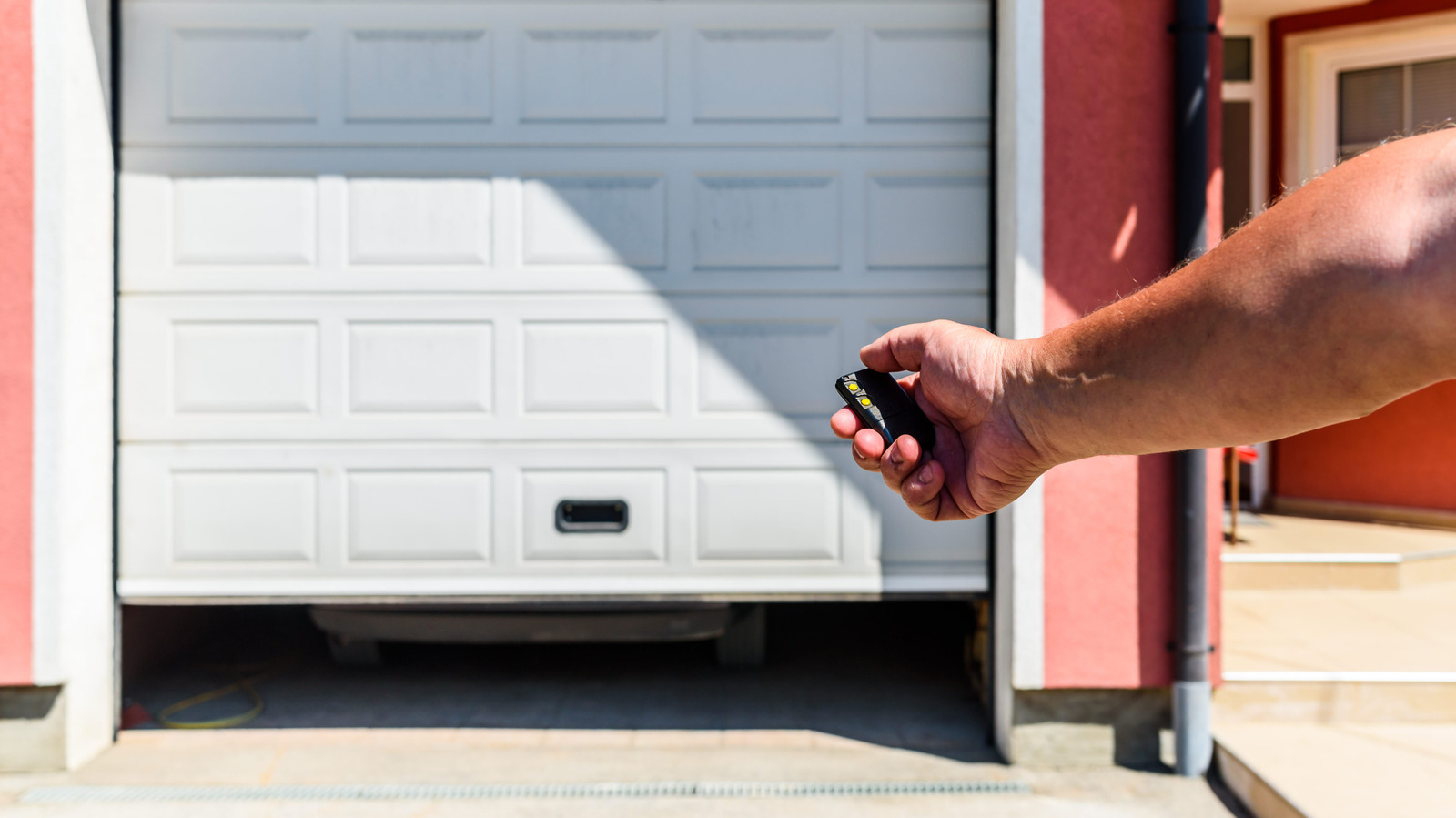
When a homeowner cracks a garage door open by six to twelve inches, they are creating an opening at the lowest point of the structure. Because hot air is buoyant and collects at the top of the garage, a small gap at the bottom provides virtually no relief for the trapped thermal energy. While a brief gust of wind might offer a momentary sensation of cooling, the static nature of the air higher up remains unchanged.
Jeffrey Sanford, owner of the Indianapolis-based Garage Door Doctor, has long advised against this practice. He notes that the thermal mass of the garage—including concrete floors and walls—absorbs radiant heat throughout the day. A small opening at the base does nothing to mitigate the "soak" effect of these surfaces. In many cases, cracking the door actually introduces humid, hot outdoor air into the space, which can exacerbate the internal temperature rather than lowering it.
Security and Environmental Implications
Beyond the lack of thermal efficiency, leaving a garage door partially open creates a set of risks that far outweigh any perceived cooling benefit.
The Security Vulnerability
A garage door left open, even by a few inches, is a signal to opportunistic intruders. It provides a clear line of sight into the contents of the garage, which often include high-value tools, lawn equipment, and vehicles. Furthermore, it takes only seconds for an intruder to lift a partially open door the rest of the way. Relying on this "hack" while you are away or even inside your home significantly lowers the barrier to entry for burglars.
Pest and Pollutant Infiltration
A cracked door is an open invitation for pests. Rodents, insects, and snakes are frequently found in residential garages, and an unsecured entry point provides them with easy access. Additionally, for homeowners with attached garages, any pollutants, carbon monoxide from idling vehicles, or volatile organic compounds (VOCs) from stored chemicals can migrate more easily into the home’s primary living space if the garage is not properly sealed and ventilated.
Better Alternatives for Year-Round Comfort
If the goal is to manage the heat in your garage, professional builders and energy auditors recommend shifting focus from "hacks" to structural improvements.
1. Insulation and Sealing
The most effective way to regulate garage temperature is to prevent heat from entering in the first place. Many residential garage doors are made of single-layer steel, which acts as a conductor for heat.
- Retrofit Insulation: Installing foam board or radiant barrier insulation kits can significantly reduce the amount of heat transferred into the garage.
- Weatherstripping: Replacing worn-out bottom seals and side gaskets stops hot air from seeping in through gaps. When the garage is "tight," it retains its ambient temperature much more effectively.
2. Strategic Ventilation Systems
If you are using your garage as a workshop or hobby space, insulation alone may not be enough. You need active air movement.
- Exhaust Fans: Installing a dedicated exhaust fan, preferably near the ceiling, allows for the mechanical removal of hot, stagnant air.
- Smart Fan Technology: By utilizing a thermostat-controlled smart fan, you can automate the cooling process. The fan activates only when the internal temperature reaches a specific threshold, ensuring that you aren’t wasting energy during cooler morning or evening hours.
The Role of Mechanical Ventilation in Attached Garages
The importance of proper ventilation extends beyond temperature control. The U.S. Department of Energy (DOE) emphasizes that mechanical ventilation is critical for health and safety in attached garages.
The Problem with Stored Pollutants
Residential garages are often storage hubs for materials that are chemically volatile. This includes:
- Gasoline and motor oil containers.
- Paints, varnishes, and paint thinners.
- Fertilizers, herbicides, and pesticides.
- Household cleaning agents.
These products off-gas into the garage environment. If the garage is not properly ventilated, these airborne pollutants can enter the home through the door leading to the kitchen or mudroom. An exhaust fan does more than just cool the room; it creates negative pressure that ensures these fumes are vented outdoors rather than into your living space.
Supporting Data: When Is A/C Worth It?
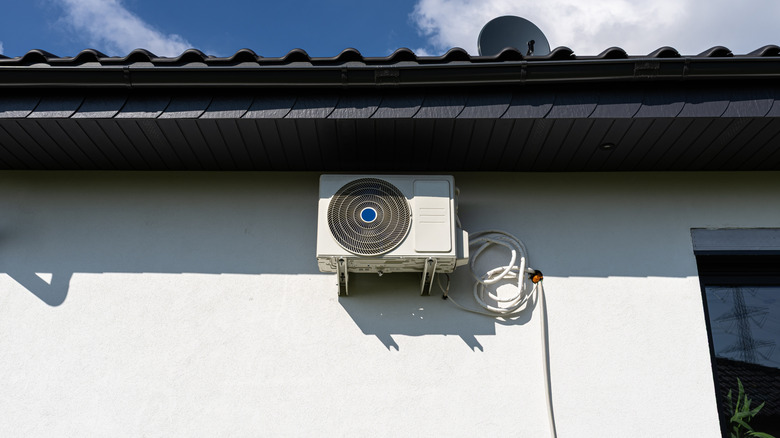
For many, the dream of a climate-controlled garage involves installing a mini-split air conditioning unit. While effective, this is a significant financial commitment.
Cost-Benefit Analysis
Before investing in HVAC for a garage, consider the frequency of use. If you only use your garage for vehicle storage and infrequent utility tasks, the return on investment for an A/C system is generally low. However, if your garage serves as a home office, gym, or dedicated workshop, the investment is justified.
To ensure cost-effectiveness, an A/C unit should only be installed in a space that has been professionally insulated and sealed. Installing cooling equipment in a poorly insulated, "leaky" garage is akin to trying to cool the outdoors; the unit will run constantly, leading to exorbitant utility bills and premature mechanical failure of the cooling system.
Professional Recommendations: A Holistic Approach
When asked for the best way to keep a garage cool, industry experts suggest a three-tiered approach:
- Block the Sun: If your garage door faces south or west, it is exposed to the most intense solar radiation. Planting trees, installing awnings, or applying reflective window film to nearby garage windows can drastically reduce the "solar gain" that heats up the structure.
- Optimize Airflow: If you are working in the garage, open the main door fully for a limited time to flush out the hottest air, then close it once the temperature has equalized. Use a portable high-velocity fan to circulate air while you work, but ensure the space is secured the moment you finish.
- Upgrade the Hardware: If your garage door is old, consider upgrading to an insulated model with a higher R-value. Modern garage doors are engineered with thermal breaks that prevent the steel from heating up as significantly as older, uninsulated versions.
Conclusion: Avoiding the "Quick Fix" Trap
The allure of a simple, free "hack" is understandable. However, when it comes to home maintenance, the laws of thermodynamics are rarely defeated by a partially open door. Cracking your garage door is a strategy that fails to address the fundamental issues of heat buildup, while simultaneously compromising your home’s security and air quality.
By investing in insulation, sealing gaps, and implementing smart ventilation solutions, homeowners can achieve a more comfortable, safer, and healthier environment. Whether you are looking to protect your stored belongings or create a more pleasant workspace, the path to a cooler garage lies in intentional, structural improvements rather than temporary, ineffective shortcuts. When in doubt, consult with a local garage door professional who can assess your specific structure and provide a tailored plan for long-term climate management.


 Reynand Wu
 Laily UPN