For over a decade, GarageBand has stood as the undisputed titan of mobile music production. Since its iOS debut in 2011, it has served as the digital gateway for millions of aspiring songwriters, bedroom producers, and casual tinkerers. Yet, in the rapidly evolving landscape of 2026, the demand for more collaborative, cloud-integrated, and AI-assisted workflows has paved the way for a new industry leader: BandLab.
While alternatives like Splash, WalkBand, and FL Studio Mobile have carved out their own niches, BandLab has emerged as the definitive choice for the modern creator. It is not merely an app; it is a comprehensive social-music ecosystem that bridges the gap between raw inspiration and release-ready production.
The Evolution of Mobile Music: A Chronology of Access
The trajectory of mobile audio production has moved from simple, isolated loop-based sequencers to complex, professional-grade digital audio workstations (DAWs) that fit in a pocket.
- 2011: Apple releases GarageBand for iPad/iPhone, democratizing studio-quality recording for the masses.
- 2015: BandLab launches, introducing a cloud-based, cross-platform approach to music creation, emphasizing social collaboration over isolated recording.
- 2019-2022: As remote work becomes the global standard, BandLab scales its infrastructure to support real-time collaborative projects, allowing musicians across the globe to contribute to the same track simultaneously.
- 2024-2026: The integration of generative AI becomes the new frontier. BandLab pivots to include sophisticated AI-driven tools—such as AutoMix and intelligent sound shaping—to assist users who lack formal music theory or engineering training.
The Architecture of Creation: Features and Functionality
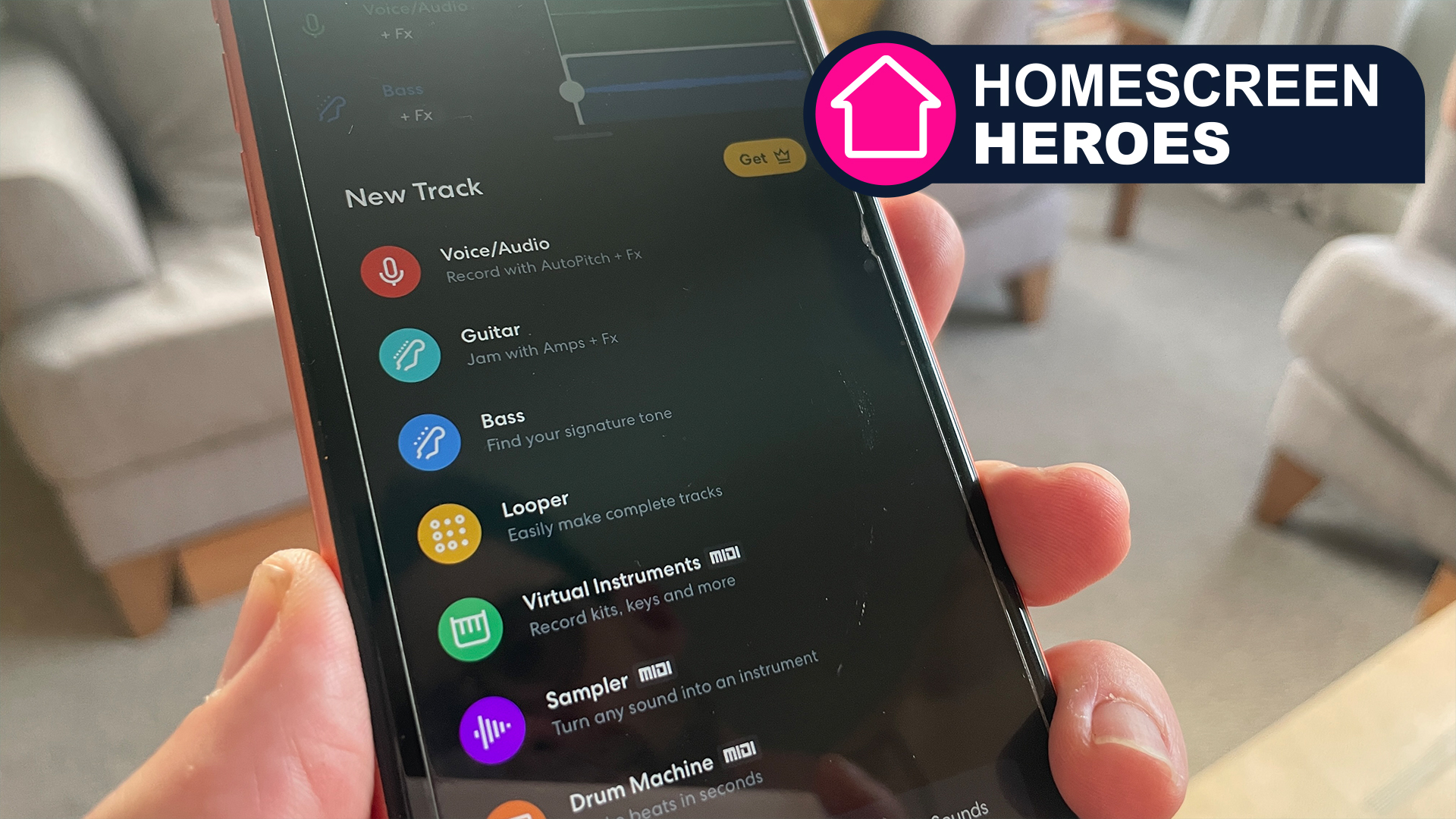
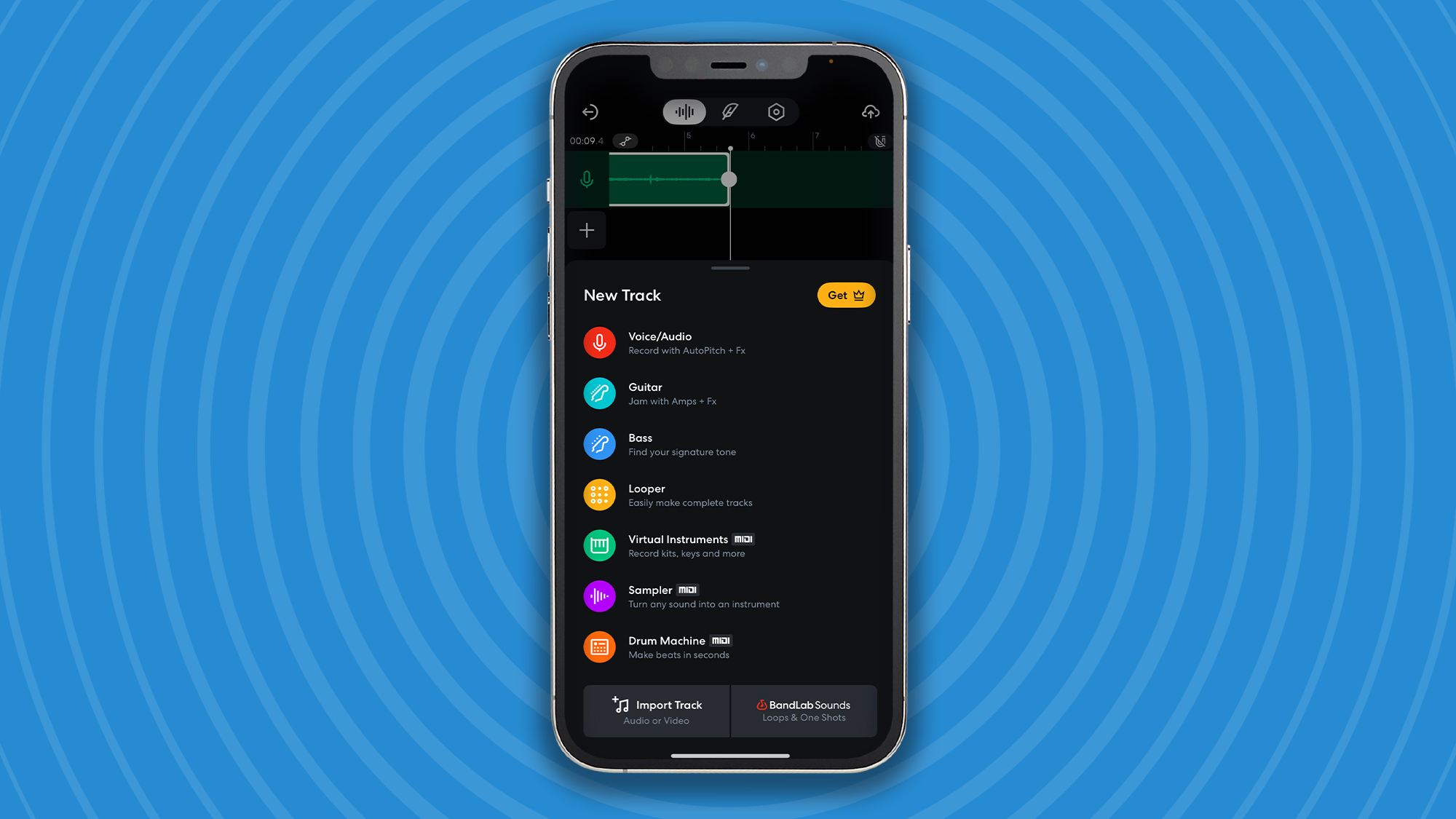
BandLab’s allure lies in its deceptive simplicity. Upon launching the app, a user is met with an intuitive interface that masks a powerful, multi-track studio environment.
Starting from Scratch
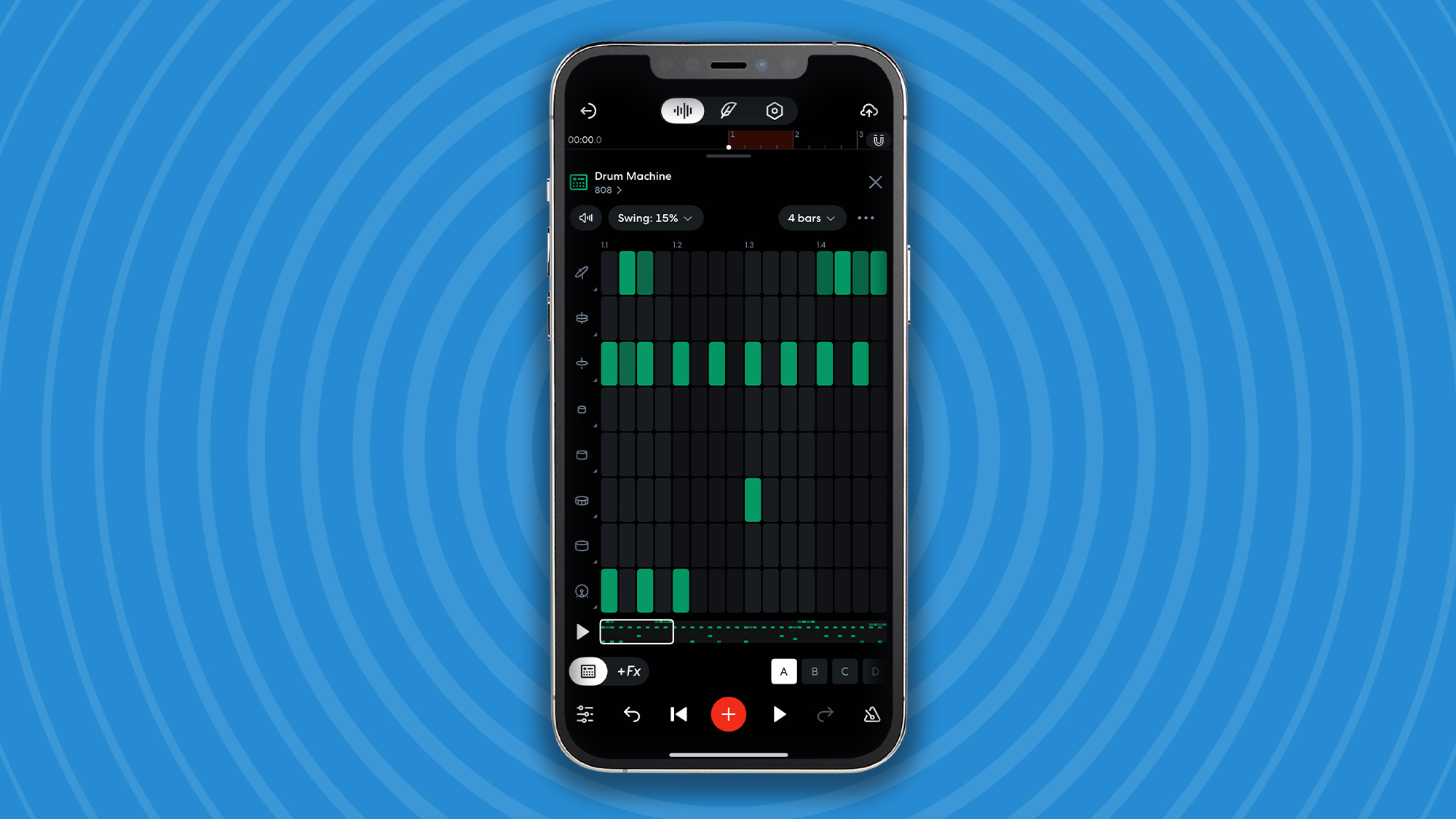
The process begins with a blank canvas or a pre-existing loop library. Users can import external audio files or utilize the built-in virtual instruments. The latency-free recording engine ensures that guitarists, vocalists, and percussionists can lay down tracks with professional precision.
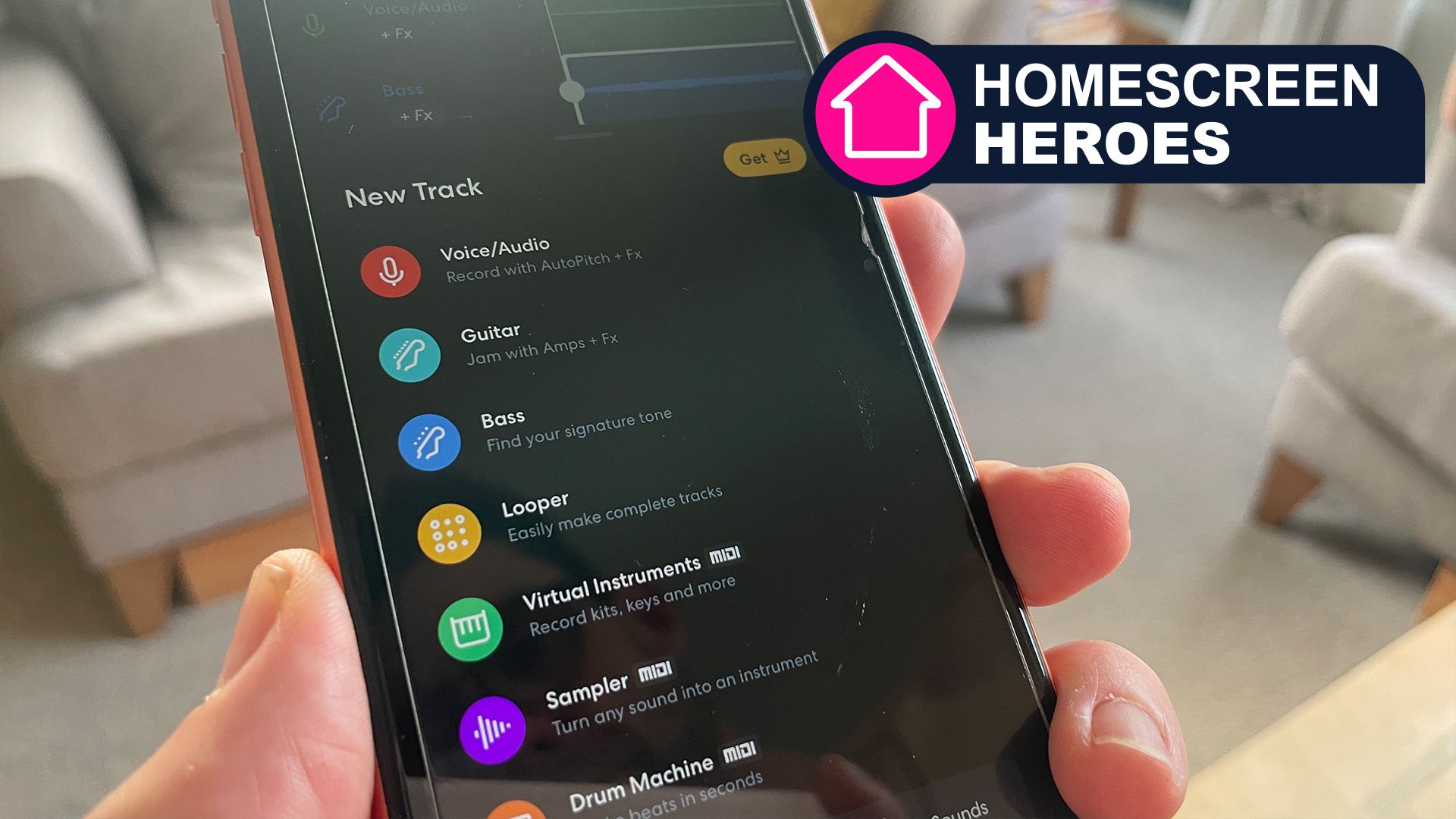
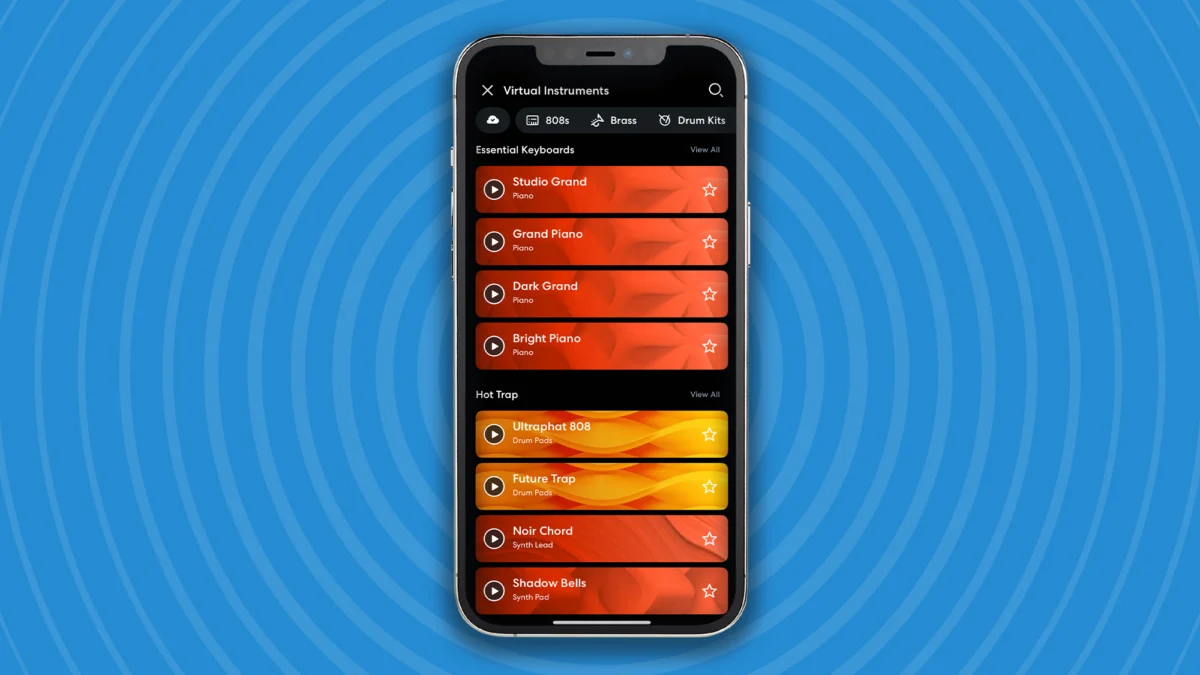
The "Studio" mode is the heart of the experience. It allows for the layering of multiple instruments—drums, bass, guitar, and vocals—while maintaining a consistent UI across different device form factors. For those without professional equipment, the app offers over 300 sound presets and access to a library of over 100,000 royalty-free loops and layers.
Advanced Editing and Project Management
Even for the uninitiated, the learning curve is surprisingly shallow. Cropping, pitch-shifting, and adding complex effects are handled through gesture-based controls that feel native to a touchscreen.
The Project Settings tab allows for granular control over the technical foundations of a track:
- Tempo and Time Signature: Real-time adjustments to keep multi-layered projects in sync.
- Project Key: Essential for layering samples that might otherwise clash.
- Input Management: Fine-tuning the gain and monitoring levels for external interfaces or built-in microphones.
The library management system is equally robust, enabling users to organize albums, playlists, and collaborative bands with ease. The ability to duplicate tracks for "A/B" testing or alternate mixes is a feature typically reserved for desktop-grade software like Ableton or Logic Pro.
The Collaborative Shift: Making Music a Social Experience
Perhaps the most significant differentiator between BandLab and its predecessors is the "social-music" philosophy. In traditional DAWs, collaboration is a cumbersome process involving file sharing, cloud storage synchronization, and version control issues.
BandLab solves this by building the collaboration engine directly into the project architecture. A user can assign a project to a "Band," granting specific collaborators access to contribute, edit, or mix. This removes the friction of "stems" and "project file incompatibility," creating a seamless pipeline for global creative teams.
Furthermore, the "Home" tab functions as a social network for musicians. By exposing users to a feed of content from other creators, the app fosters discovery, cross-pollination of genres, and community feedback. This social layer is crucial in an era where independent artists must rely on community engagement to gain visibility.
The AI Frontier: BandLab Premium
As we look at the music technology landscape in 2026, AI is no longer a gimmick—it is a production assistant. BandLab’s premium tiers, BandLab Pro and BandLab Max, integrate these technologies to bridge the gap between "good" and "radio-ready."
The Power of AutoMix
One of the standout features of the premium experience is AutoMix. For a creator who may have captured a great vocal performance but lacks the mixing skills to balance it against a bassline and drums, AutoMix is a game-changer. By analyzing the frequency spectrum and dynamic range of each track, the AI automatically adjusts volume levels, panning, and EQ to produce a balanced, polished mix in seconds.
Subscription Economics
The platform employs a tiered subscription model to cater to different user needs:
- Free Tier: Offers the core studio experience, access to the social feed, and foundational mixing tools.
- BandLab Pro ($180 / £149 per year): Unlocks advanced AI tools and extended storage for high-fidelity projects.
- BandLab Max ($360 / £199 per year): Provides the complete suite of professional features, including exclusive sound packs, unlimited project versions, and priority access to new generative AI updates.
Implications for the Future of Music Production
The rise of BandLab signals a shift in the music industry away from expensive, hardware-dependent studios toward decentralized, cloud-native creation.
Democratization vs. Professionalization
Critics often argue that AI-assisted tools like AutoMix might lead to a homogenization of sound. However, the counter-argument is that by lowering the barrier to entry, these tools allow artists to focus on composition rather than technical administration. When the "how-to" of mixing is automated, the "what-to" of songwriting takes center stage.
The Impact on Hardware
As more professional-grade production is handled on mobile devices, the demand for high-quality, mobile-friendly audio interfaces (DACs) is skyrocketing. We are seeing a new generation of musicians who record their initial sketches in a park, collaborate with a bassist in Tokyo via the cloud, and finish their mix on a flight, all within a single app.
Conclusion
BandLab has successfully transformed the mobile DAW from a siloed playground into a connected, AI-enhanced studio. Whether you are a bedroom producer looking to record your first demo or a professional artist needing a quick way to sketch out ideas while on the road, the app provides a robust, intuitive, and future-proof solution.
As it stands in 2026, the question is no longer whether you can make professional music on your phone, but rather which ecosystem you choose to call home. For those seeking a blend of experimental playfulness and serious professional utility, BandLab is currently leading the charge, proving that the future of music is not just in our ears—it’s in our pockets.
Disclaimer: This article explores the current state of mobile music production. As technology continues to iterate, ensure you are utilizing the latest version of BandLab for the most recent AI updates and security patches. For more news on the evolving landscape of creative tech, keep following our ongoing "Homescreen Heroes" series.