Siti Muinah
For fans of Marvel Studios’ critically acclaimed animated revival, X-Men ’97, the wait between the explosive Season 1 finale and the highly anticipated second season has felt like an eternity. Spanning more than two years—with the first season premiering in March 2024 and the sophomore outing arriving in July 2026—the gap tested the patience of a dedicated fanbase. However, as the series prepares to enter its next chapter, there is a clear message from the production team: the bottleneck is broken.
According to longtime producer Larry Houston, the extended hiatus was the result of unique, non-recurring production hurdles. With Season 3 already greenlit and in active development, viewers can breathe a sigh of relief. The production cycle, which was severely hampered by internal organizational crises, is returning to a more sustainable, streamlined cadence.
The Anatomy of a Production Bottleneck
To understand why the gap between the first and second seasons was so substantial, one must look at the chaotic backdrop of the show’s behind-the-scenes evolution. X-Men ’97 was initially developed under the creative stewardship of Beau DeMayo, who had previously contributed to high-profile projects like Moon Knight and the troubled Blade reboot.
In a move that caught both the industry and the fanbase by surprise, Marvel Studios terminated its relationship with DeMayo just one week before the series premiered in March 2024. The sudden severance of such a key creative figure created an immediate vacuum in leadership. When a showrunner is removed from a project of this scale, it is rarely a simple "plug and play" replacement. The creative vision, script continuity, and animation supervision all require a period of recalibration.
The Impact of Internal Conflict
The departure of a primary architect, coupled with the complex, multi-studio nature of high-end animation, inevitably led to logistical paralysis. Marvel Studios, known for its rigorous internal oversight, had to navigate the transition while maintaining the visual fidelity and narrative quality that made Season 1 a success. As reports emerged throughout 2024 regarding the reasons for the termination—which Marvel cited as involving "egregious" findings and "sexual misconduct"—the studio faced the dual challenge of managing a PR crisis while ensuring the production pipeline didn’t collapse entirely.
Chronology of the Crisis
The timeline of the X-Men ’97 production saga offers a clear view of how these disruptions manifested:
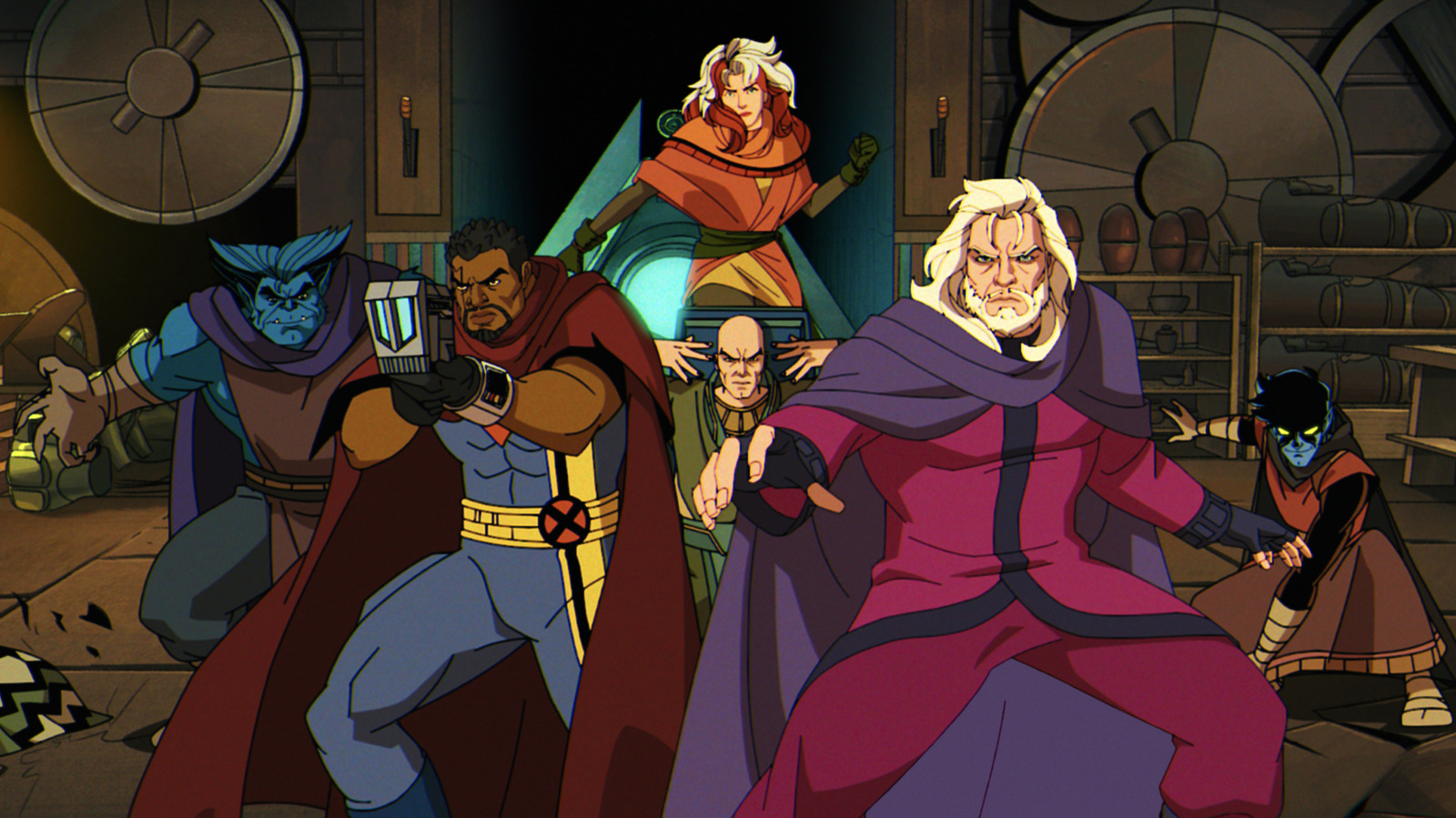
- March 2024: X-Men ’97 premieres to universal acclaim. Just days prior, showrunner Beau DeMayo is fired, leaving the show’s future creative direction in limbo.
- August 2024: Following public discourse regarding credit and creative influence on Season 2, a Marvel spokesperson releases a formal statement confirming that the studio has completely severed ties with DeMayo, citing the aforementioned findings of misconduct.
- December 2024: The friction continues as DeMayo publicly criticizes Marvel’s What If…? Season 3, signaling that the bridge between the creator and the studio was not just burned, but dismantled.
- Early 2025: Behind the scenes, the dust settles. Marvel Studios Animation stabilizes the team, shifting focus toward finalizing the animation for Season 2 and drafting the narrative roadmap for Seasons 3 and 4.
- July 2026: Season 2 finally arrives on Disney+, introducing the threat of Apocalypse and marking the end of the long hiatus.
Official Responses: "A One-Off Situation"
In a recent interview with The Direct, producer Larry Houston provided the reassurance that fans have been desperate to hear. When asked about the prospect of another multi-year wait, Houston was definitive.
"Luckily, the production problems won’t occur again," Houston stated. "There was a huge gap of time between [Seasons] 1 and 2. They’ve learned their lessons, so with [Seasons] 3 and 4, that won’t happen again. That was a one-off."
This assertion is significant because it suggests that Marvel Studios has successfully audited its animation pipeline. Animation, unlike live-action, requires a highly sequential workflow; from storyboarding to animatics, and finally to the rendering of the final frames, any disruption at the head of the stream causes a "ripple effect" that delays every downstream department. By isolating the cause of the delay to the transition period following the showrunner change, Houston implies that the infrastructure is now robust enough to handle the pressures of long-term production.
The Path Forward: Seasons 3 and 4
The immediate renewal of the series for a third season is a testament to the confidence Marvel Studios maintains in the property. Unlike the transition from Season 1 to 2, where the team was essentially navigating a structural crisis, the transition into Season 3 is already well underway. The creative team has had the stability of a defined, ongoing development schedule, allowing for a much smoother handoff of narrative arcs.
Furthermore, the "lessons learned" likely refer to diversifying the creative leadership, moving away from a single point of failure. By empowering a wider team of producers and writers, Marvel is ensuring that the absence of any one individual—no matter how vital—cannot halt the momentum of the entire production.
Implications for the Marvel Animation Brand
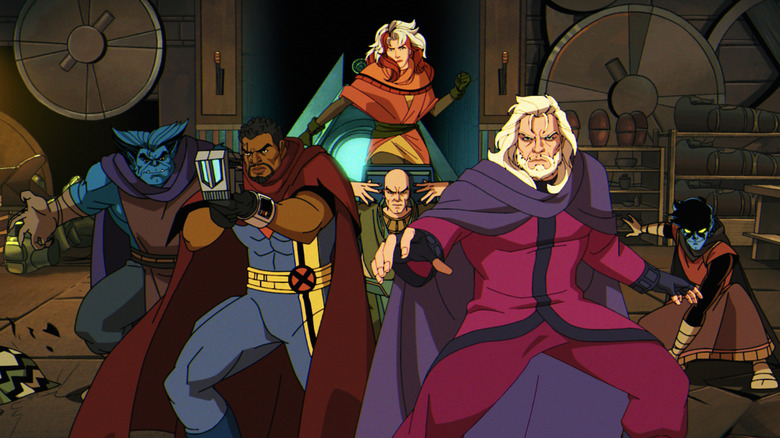
The success of X-Men ’97 has redefined what audiences expect from Marvel’s animated projects. Critics have lauded the series for its mature storytelling and its ability to balance nostalgia with modern, high-stakes superhero drama. /Film’s own Devin Meenan noted that Season 2 is a "dazzling sequel," proving that the series has managed to retain its core identity despite the tumultuous behind-the-scenes environment.
Sustaining Quality in a Competitive Landscape
The streaming wars have created a landscape where consistent delivery is key to audience retention. For Disney+, a flagship title like X-Men ’97 cannot afford to disappear for two years at a time. The shift toward a more regular release schedule is essential for maintaining the cultural footprint of the X-Men brand, especially as the mutants are slowly integrated into the larger MCU ecosystem.
Moreover, the resolution of this internal drama allows the focus to return to where it belongs: the characters. Season 2 finds our heroes divided and scattered across time, struggling to return to their home timeline while dealing with the rising tide of mutant intolerance in the 1990s. The introduction of iconic villains like Apocalypse ensures that the stakes remain high.
Conclusion: A Bright Future for the Mutants
While the wait for Season 2 was admittedly taxing for fans who were eager to see the aftermath of the Season 1 finale, it is increasingly clear that this was an anomaly in the show’s lifespan. The combination of unexpected leadership changes and the resulting logistical reorganization created a "perfect storm" that stalled production.
However, with those obstacles now in the rearview mirror and a clear, confirmed commitment to a regular production schedule for Seasons 3 and 4, the future of the X-Men at Marvel Studios looks brighter—and faster—than ever. The X-Men have long been a symbol of endurance in the face of adversity, and in a meta-narrative twist, it seems the production team behind the show has adopted that very same resilience. Fans can rest assured that the next time they see Professor X and his team, the wait will be measured in months, not years.


 Raul Delapena Setiawan
 Evan Lee Salim