


For the modern UK brand, the digital storefront is no longer a destination located at the end of a URL—it is a pervasive, invisible layer woven into the daily scroll. As we navigate through 2026, the mandate for marketing leaders has shifted from mere digital presence to predictive commerce. Simply maintaining a TikTok Shop or an Instagram catalogue is no longer a competitive edge; it is the entry-level baseline for survival in a retail landscape that demands instant gratification.
We are witnessing the definitive collapse of the traditional marketing funnel. In this new era, discovery and conversion occur in the same breath, powered by AI-driven interfaces that present the right product before the consumer has even articulated the desire.
The Taxonomy of Modern Retail: Defining the Native Storefront
To master the 2026 market, UK marketing leaders must distinguish between three distinct, yet often conflated, disciplines: social commerce, e-commerce, and social selling.

- Social Commerce: The practice of buying and selling directly within the social media platform. It is defined by frictionless, in-app checkout experiences.
- E-commerce: The traditional model of driving traffic from social channels to a dedicated brand website or app.
- Social Selling: The long-term, relationship-based approach of using social media to nurture leads, typically for high-ticket services or B2B consultations.
The modern buyer possesses zero patience. Every additional tap, slow page load, or mandatory account creation screen is a death knell for conversion. By keeping the transaction native, brands eliminate these friction points, transforming buying from a planned chore into a seamless extension of the user experience.
| Feature | Social Commerce | E-commerce | Social Selling |
|---|---|---|---|
| Core Action | Native in-app checkout | Website/App transaction | Relationship building |
| Purchase Path | Instant/Frictionless | Click-to-exit | Direct messaging/Email |
| Primary Goal | Impulse conversion | Planned procurement | Pipeline development |
| Ideal Fit | B2C/Beauty/Apparel | B2B/Wholesale | High-ticket services |
Market Trajectory: The £24 Billion Reality
The UK remains one of the world’s most mature digital retail environments. Recent market reconciliations value the UK social commerce sector at over £24 billion, with robust growth forecasts projecting a surge toward £40 billion by the end of the decade.
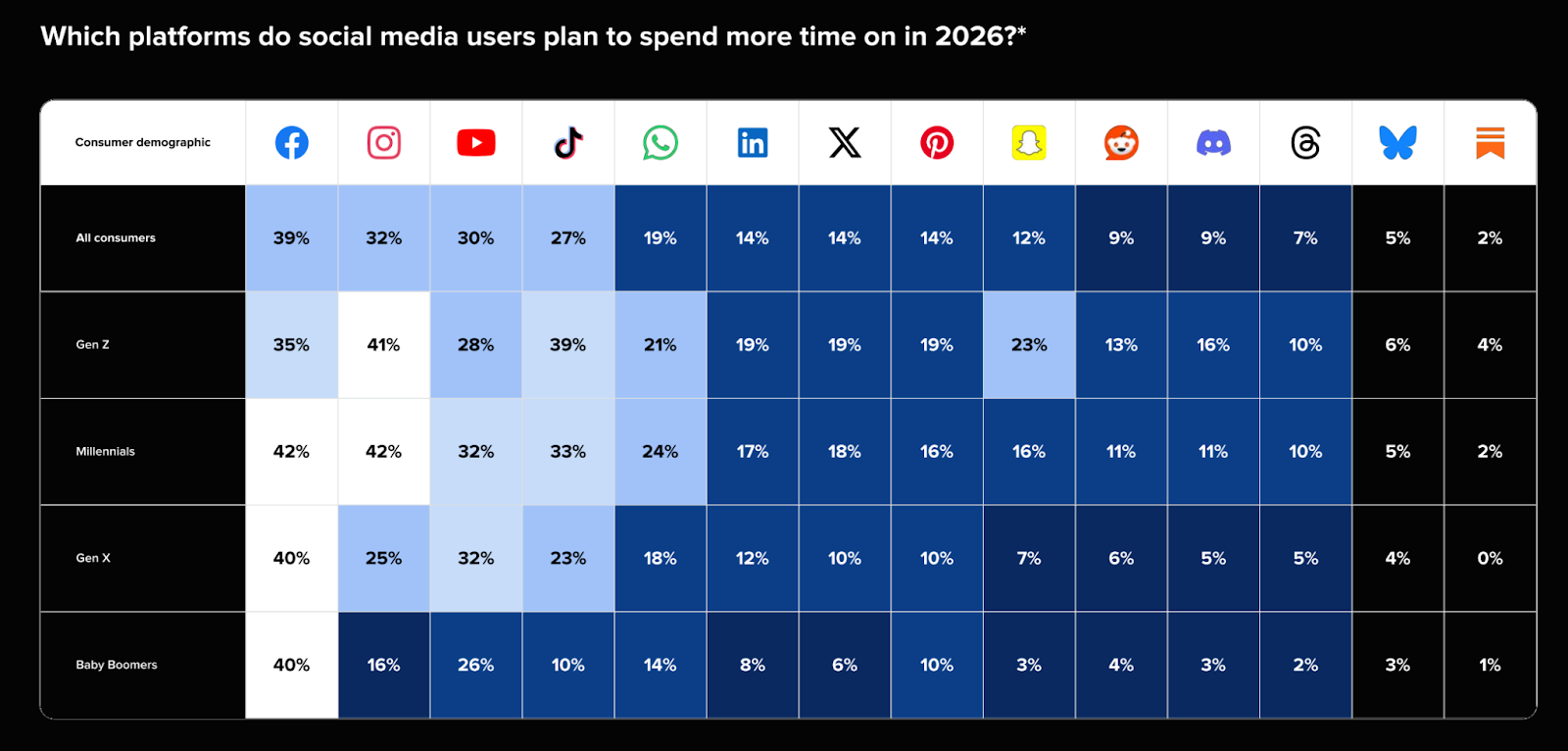
This growth is not merely a Gen Z phenomenon. While younger demographics drive the volume through creator-led, short-form video discovery, older UK demographics are demonstrating an increasing comfort level with in-app purchasing. This shift is largely credited to the ubiquity of familiar, secure payment interfaces such as Apple Pay and PayPal, which have lowered the psychological barrier to "trusting" a social platform with sensitive financial data.
The Chronology of Integration: From Billboards to Flagships
The transition of social media from a branding tool to a revenue engine did not happen overnight. The chronology of this shift can be tracked through the following phases:
- The Awareness Era (2015–2018): Social media functioned as a digital billboard. Brands measured success in "likes" and "shares," focusing entirely on driving traffic to external websites.
- The Consideration Era (2019–2022): The introduction of shoppable tags and catalogues allowed brands to display products. However, the checkout remained external, leading to significant drop-off rates.
- The Frictionless Era (2023–2025): The rise of native, in-app checkouts (TikTok Shop, Instagram Checkout) removed the need to leave the app.
- The Predictive Era (2026–Present): AI-driven algorithms now serve products based on deep-learning models of user behaviour, effectively turning the "feed" into a personalized, high-intent shopping mall.
Strategic Implications: Why Trust is the New Currency
The psychological underpinnings of this shift are profound. Traditional e-commerce requires a significant cognitive load: clicking a link, waiting for a site to load, navigating a menu, and entering payment details. In-app checkout bypasses this.
Furthermore, the rise of "Social Proof" has replaced traditional advertising trust. Research indicates that approximately 70% of shoppers trust peer reviews and creator endorsements over polished brand messaging. User-generated content acts as a modern, hyper-accelerated version of word-of-mouth. When a consumer observes a creator who reflects their own lifestyle using a product, the trust gap closes instantly. This, combined with the psychological urgency of live-stream flash sales, creates a potent environment for conversion.
Platform-Specific Strategies for the UK Market
To capitalise on this, brands must treat their feed as a flagship store. Each platform requires a tailored approach:
- TikTok Shop: Success here is predicated on the Affiliate Centre. By allowing creators to sell on your behalf, you leverage their existing trust to scale organic reach.
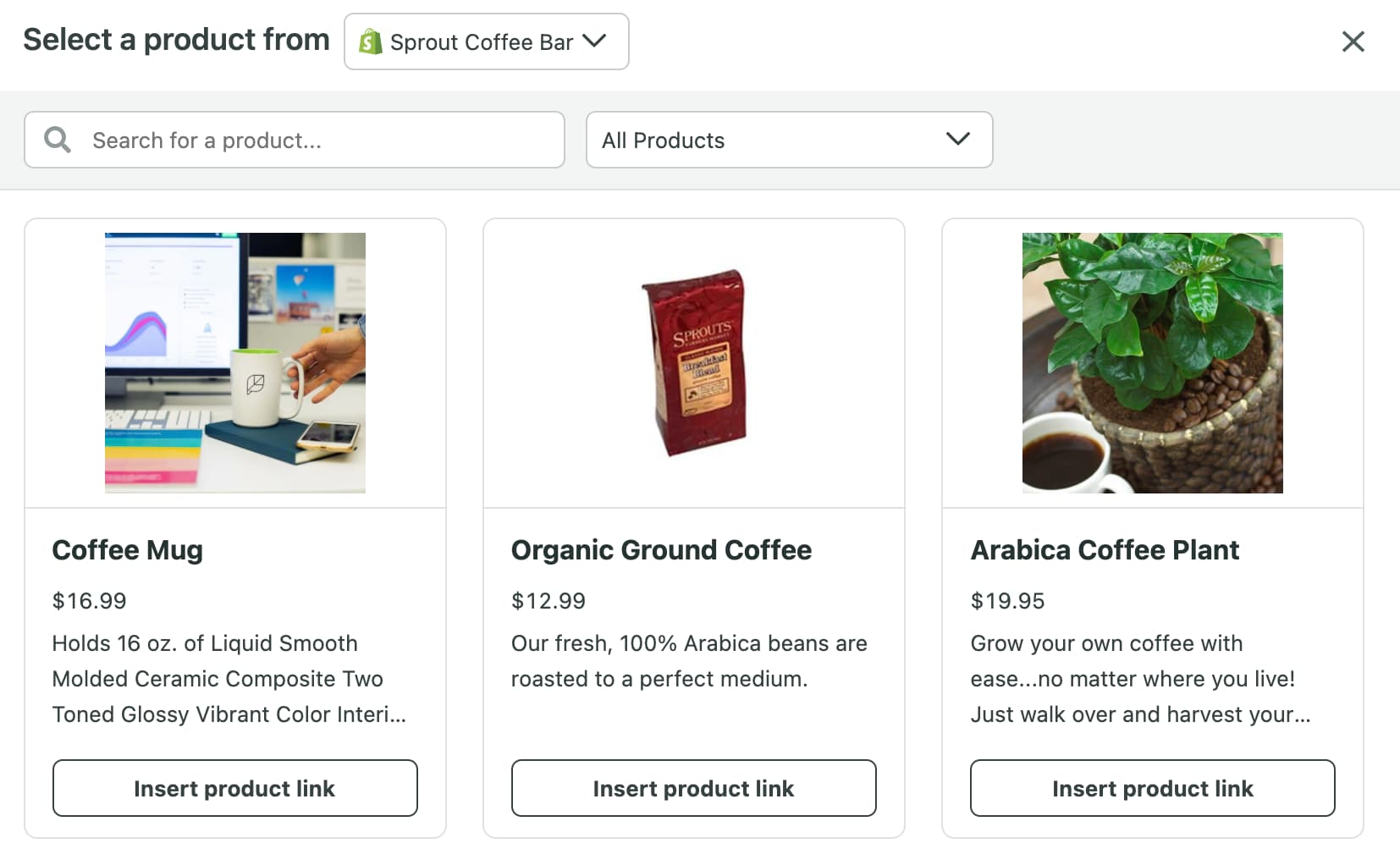
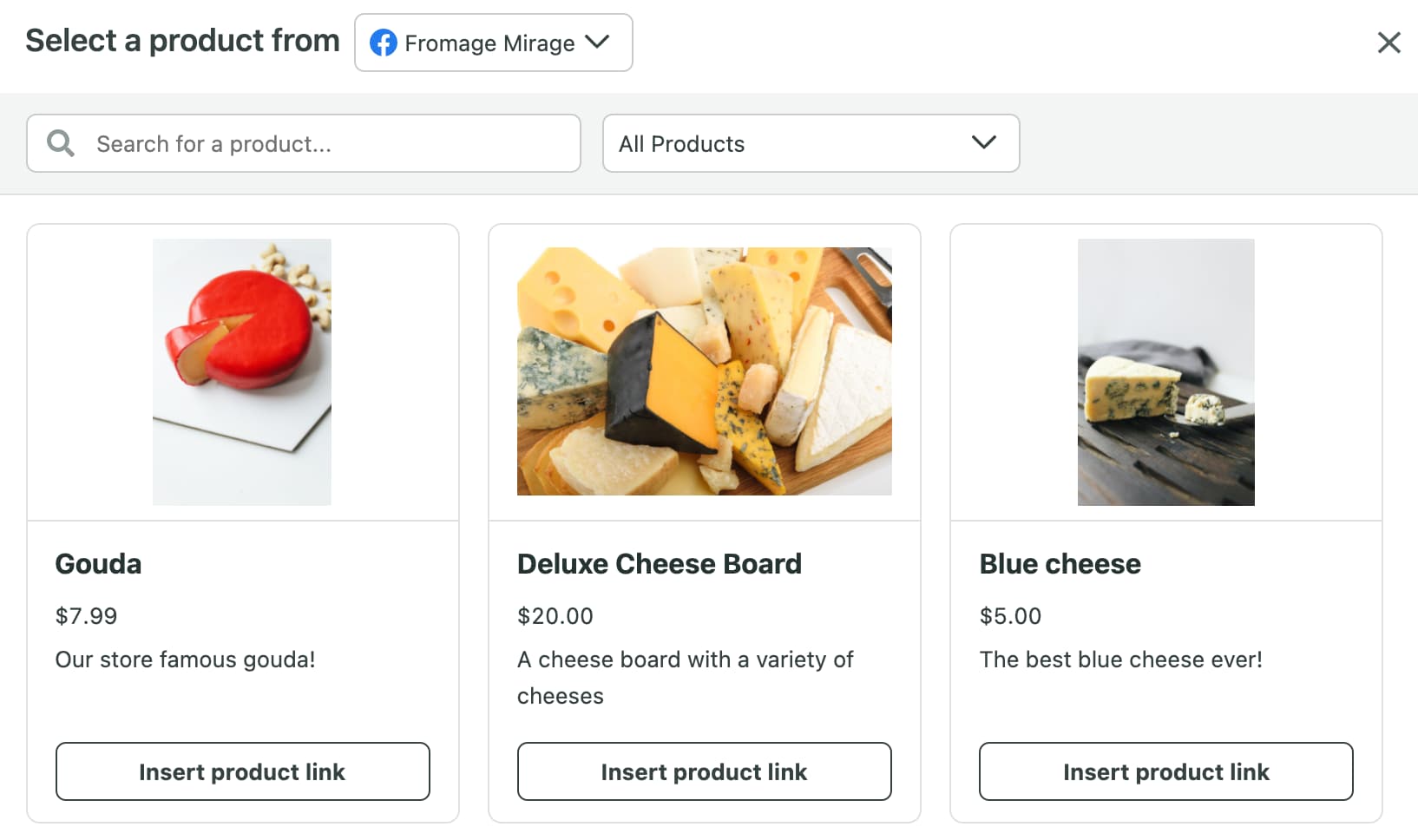
- Meta (Instagram/Facebook): The focus must be on synchronisation. Using Meta Business Manager to ensure your product catalogue is updated in real-time is vital for maintaining a "Checkout on Facebook/Instagram" experience.
- Pinterest: Functions as a visual search engine. Success here relies on rich metadata and high-quality "Product Pins."
- YouTube Shopping: Often the most underutilised, YouTube allows for deep-dive product demonstrations. By connecting a Shopify or WooCommerce store, brands can place shop links directly beneath long-form video content—a massive advantage for products that require technical explanation.
The B2B Frontier: It’s Not Just for Retail
There is a persistent misconception that social commerce is exclusively for B2C beauty and apparel. However, B2B companies are finding significant success by applying these same principles to LinkedIn.
By utilizing LinkedIn Lead Gen Forms, B2B marketers have replicated the frictionless experience of social commerce. Instead of a product purchase, the "transaction" is a high-value whitepaper, a webinar registration, or a consultation booking. The psychology remains identical: the user exchanges their data for immediate value without ever leaving the professional feed.
Challenges: Navigating Compliance and Data Integrity
The shift toward social commerce is not without regulatory hurdles. In the UK, the Advertising Standards Authority (ASA) maintains rigorous oversight. Influencer partnerships must be clearly disclosed, and product claims must be verifiable.
Furthermore, inventory management presents a significant risk. In a social commerce environment, data accuracy is the foundation of consumer trust. If an inventory sync fails and a customer purchases an out-of-stock item, the resulting negative feedback harms the brand’s algorithmic standing on the host platform, potentially burying the brand’s content for months.
Case Studies: UK Brands Leading the Charge
Three brands stand out for their sophisticated integration of social commerce:
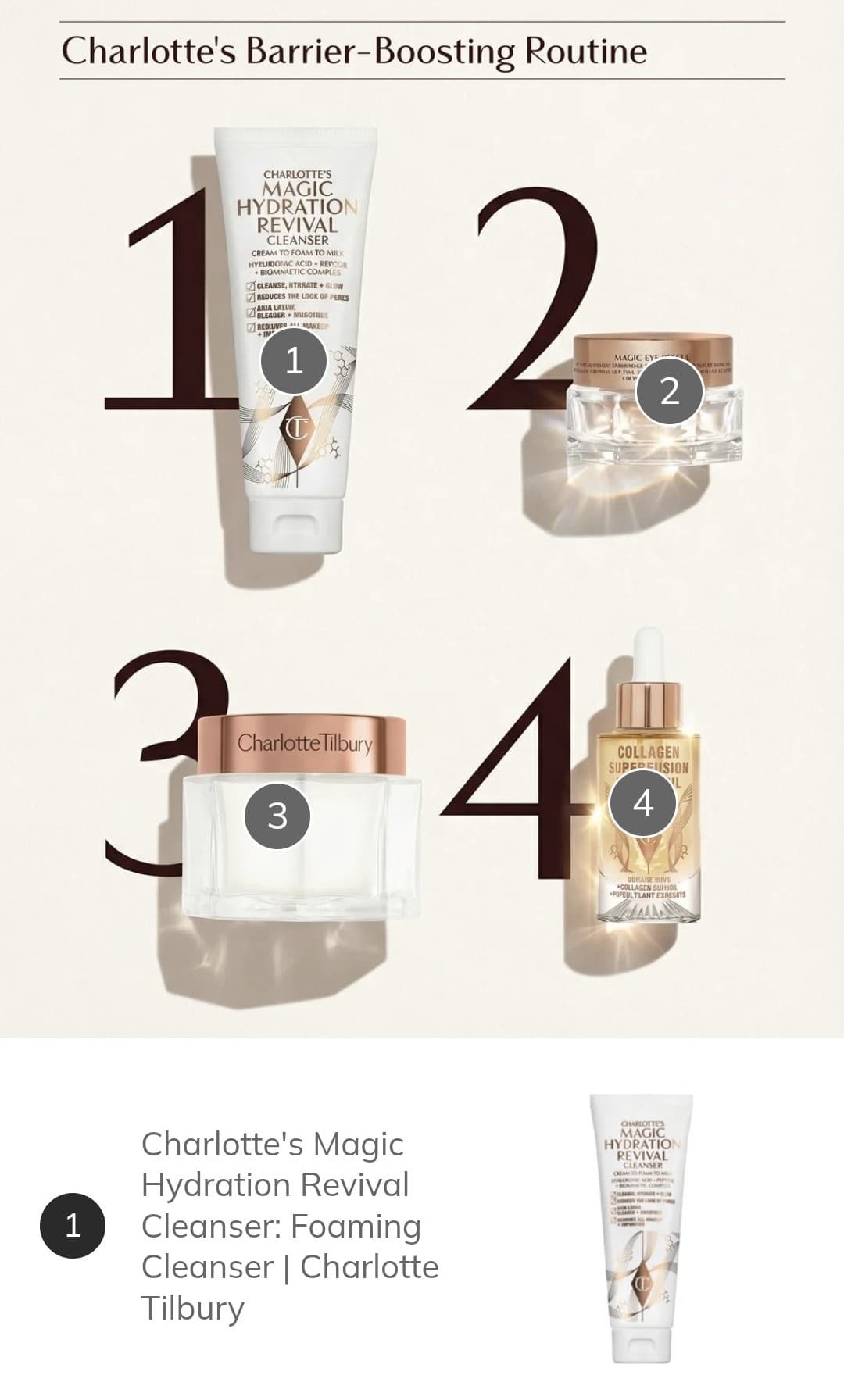
- Charlotte Tilbury: By utilizing "Live Masterclasses," the brand has successfully digitised the beauty counter. Expert-led, real-time broadcasts allow for interactive Q&As, turning uncertainty into immediate sales.
- Boots: The pharmacy giant has mastered the influencer-led, live-stream event. By offering exclusive, broadcast-only bundles, they convert Gen Z viewers into immediate customers during high-energy, live broadcasts.
- ASOS: The fashion retailer has mastered the "Total Look" approach. By tagging every item in a lifestyle post—from earrings to footwear—ASOS maximizes the Average Order Value (AOV) by allowing users to purchase an entire outfit with a single checkout.
Future-Proofing Your Digital Storefront
The future of retail is unified. Marketing teams that manage their social channels in a silo, separate from their commerce platform (like Shopify), are creating unnecessary friction.
By integrating product catalogues directly into a central social management dashboard, brands can eliminate the manual labor of tracking URLs and updating stock. This integration turns routine community management into an active revenue stream.
As we look toward the remainder of 2026, the brands that win will be those that stop treating social media as a megaphone and start treating it as their primary, high-performance retail environment. The infrastructure is available; the only remaining task is for leadership to align their strategy with the reality of the frictionless, predictive, and inherently social future of retail.












No comments yet. Be the first to join the conversation!