Asro
Asro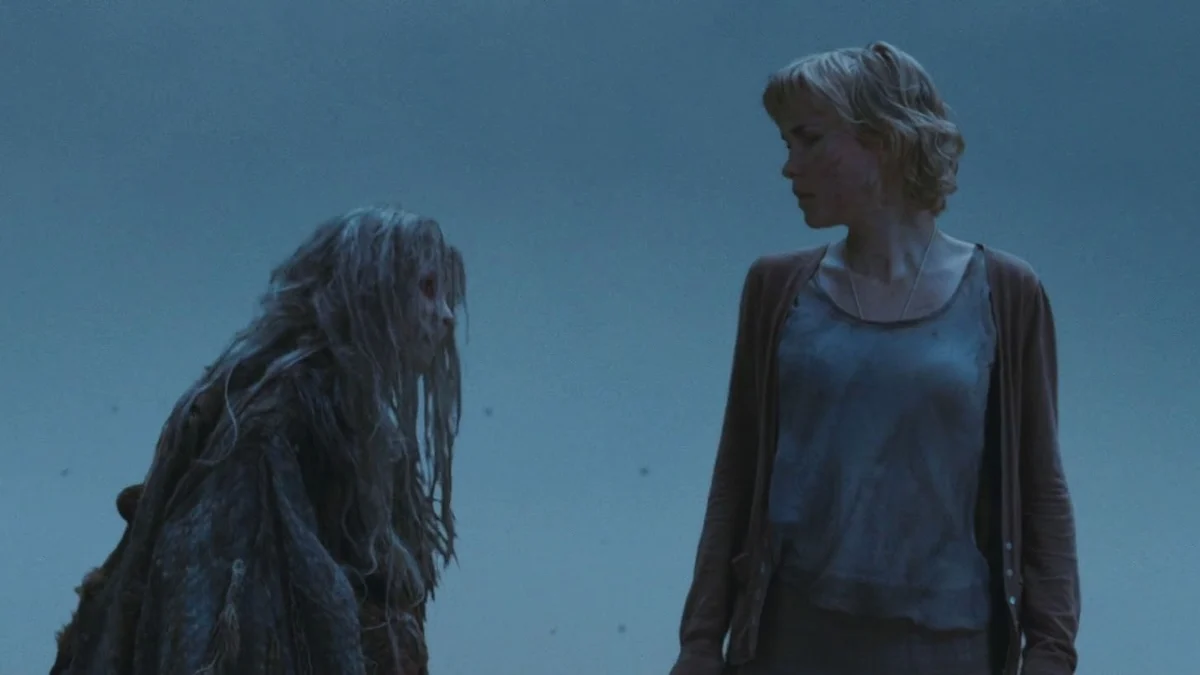
When Christophe Gans’ Silent Hill premiered in 2006, it arrived amidst a wave of video game adaptations that were largely dismissed by critics as superficial cash grabs. While the film was criticized for its occasionally wooden dialogue and a narrative structure that felt bloated, it possessed a haunting, visceral quality that refused to fade. Nearly two decades later, the film has transcended its status as a "flawed adaptation" to be recognized as a sophisticated piece of sociopolitical commentary.
Beneath the rusted metal and swirling ash lies a harrowing exploration of the intersection between patriarchal zealotry, environmental exploitation, and the systemic violence inflicted upon both the female body and the natural landscape.
The Foundation: A Town Consumed by Fire and Faith
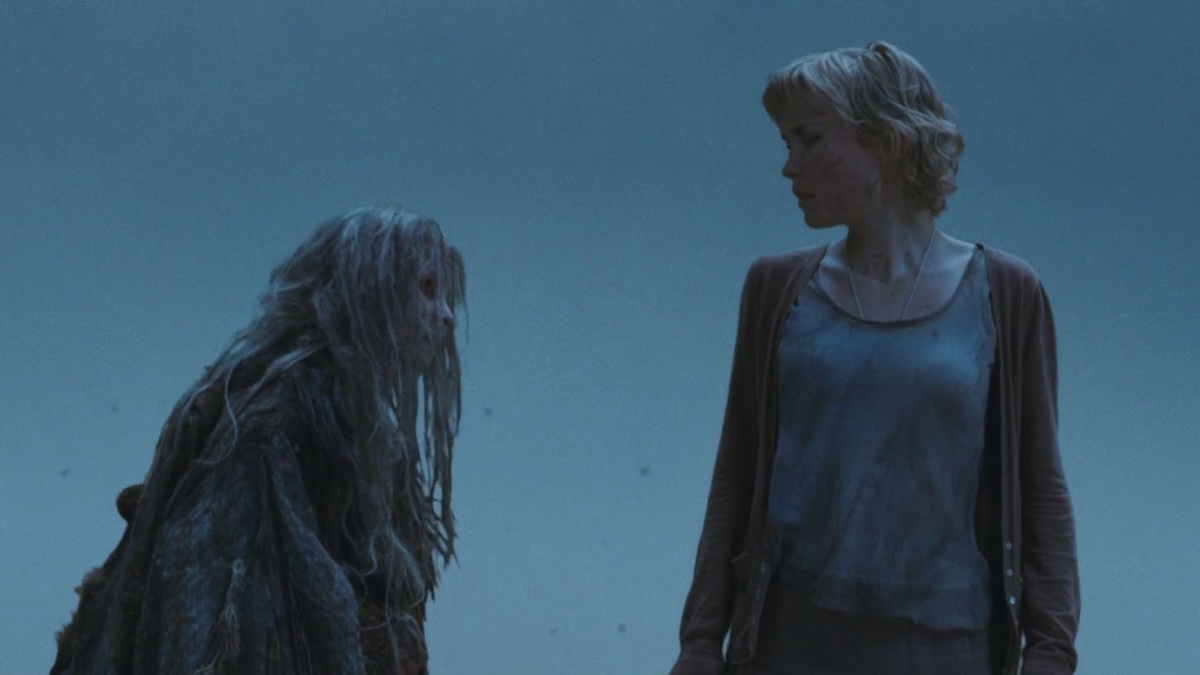
The narrative follows Rose Da Silva (Radha Mitchell), a desperate mother searching for her daughter, Sharon (Jodelle Ferland), who has been plagued by night terrors involving the abandoned town of Silent Hill. Rose’s journey leads her to the actual town, a desolate, fog-drenched landscape in West Virginia.
In the original game, Silent Hill was a vague, nebulous location. By anchoring the film in West Virginia, Gans tapped into the real-world horrors of the Appalachian coal industry. The town’s abandonment is attributed to a coal-seam fire—a geological phenomenon where underground fires, often ignited by industrial mismanagement, burn for decades, leaching toxins into the soil and air. This setting is not merely aesthetic; it serves as a metaphor for the long-term devastation wrought by extractive industries on the American landscape.
Chronology of a Nightmare
To understand the film’s depth, one must look at the tragic history of the town’s collapse, which predates Rose’s arrival by thirty years:
- The Pre-Disaster Era: Silent Hill was a prosperous, if insular, community governed by the "Brethren," a fundamentalist cult led by the uncompromising Christabella (Alice Krige).
- The Act of Cruelty: Alessa Gillespie, a young girl born out of wedlock, is treated as an outcast and a vessel for sin. After being sexually assaulted by the town’s janitor, she is subjected to a "purifying" ritual by the Brethren.
- The Immolation: The cult attempts to burn Alessa alive to "save her soul." The resulting fire spirals out of control, igniting the coal seams beneath the town.
- The Schism: As Alessa dies—or rather, persists in a state of agonizing, charred limbo—her rage manifests as a supernatural dimension. She splits into two: the innocent Sharon and the demonic, vengeful entity that dictates the reality of the town.
- The Present: Rose arrives, forcing the town’s cycle of trauma to confront its past. The film’s climax is not merely a rescue mission; it is a reckoning for the perpetrators of the original crime.
The Appalachian Horror Paradigm
For decades, horror cinema has utilized Appalachia as a backdrop for the "hillbilly horror" subgenre, frequently relying on tropes of poverty, isolation, and moral decay to paint local residents as the villains. Films like Deliverance established a template where the "othering" of the region served as a shorthand for depravity.
Silent Hill subverts this entirely. The antagonists are not uneducated, marginalized hillfolk; they are the "respectable" middle-class power brokers of the town. The Brethren are dressed in church attire, espousing rhetoric of purity and social order. By framing the cult as suburban-coded fundamentalists, the film shifts the blame from the regional culture of Appalachia to the systemic dangers of religious extremism and rigid social conformity. This is a critique of the "polite" violence found in gated communities and traditional power structures, proving that the greatest threats often wear suits rather than tattered rags.
Ecofeminism: The Mirror of Harm
At the heart of the film’s academic appeal is its status as a quintessential work of ecofeminism. Ecofeminism posits that the exploitation of the Earth and the oppression of women are not coincidental; they are two sides of the same patriarchal coin.
In Silent Hill, this is literalized. Alessa’s body, scarred and broken by the fire of the Brethren, mirrors the scarring of the land caused by the coal industry. The town is literally burning from the inside out because its inhabitants prioritized their rigid, violent moral code over the safety of a child.
The film highlights several critical themes:
- The Reclamation of Rage: Alessa’s transformation into a monster is not a loss of humanity, but a necessary reclamation of power. Her rage is the only tool available to her to confront the men and women who destroyed her.
- Violence Against Women as Environmental Violence: The film establishes that the same mindset which views a young girl as a disposable object for "purification" is the same mindset that views the earth as an object for extraction.
- The Solidarity of the Marginalized: The film focuses on the female experience—Rose’s maternal instinct, Cybil’s protective nature as a police officer, and Alessa’s trauma. They are the only characters who see the truth of the town, standing in opposition to the collective delusion of the Brethren.
Implications for Modern Horror
As we navigate a 2026 landscape defined by escalating climate anxiety and the resurgence of ultraconservative political movements, Silent Hill feels less like a relic of the mid-2000s and more like a prophetic warning.
The film’s portrayal of a town trapped in a cyclical, repeating nightmare because it refuses to acknowledge its history of state-sanctioned violence is a poignant allegory for contemporary societal failings. When human-driven climate change is ignored by institutions that prioritize tradition over survival, the resulting "hellscape" is not merely supernatural—it is inevitable.
Conclusion: A Legacy of Ash
While the film’s CGI has aged, its thematic foundation has only solidified. Silent Hill remains a rare example of a genre film that respects its audience enough to engage with complex, uncomfortable ideas. It refuses to offer a clean resolution, instead leaving the viewer in a state of permanent, foggy uncertainty.
For fans of the game, the film is an atmospheric triumph; for scholars of film and culture, it is a textbook study of how horror can be used to dissect the intersection of the personal and the political. By elevating the "town of the damned" into a microcosm of the modern world, Christophe Gans created a film that, like the coal-seam fire that fuels its plot, will continue to burn for a long time to come.


 Asep Darmawan
 Ali Ikhwan