


For modern small businesses, social media has graduated from a simple "brand awareness" checkbox to the primary engine of revenue generation, customer retention, and market expansion. In an era defined by hyper-connectivity, an agile and curated social strategy is no longer a luxury—it is a survival mechanism. By fostering brand loyalty and leveraging data-driven insights, small enterprises can now scale at rates previously reserved for corporations with massive marketing budgets.
However, translating "likes" into "growth" requires more than just posting content. It requires a disciplined approach to the digital landscape. This guide explores the strategic impact of social media marketing and provides a blueprint for leveraging platforms like Instagram, TikTok, and Facebook to turn engagement into a measurable business asset.
The Strategic Shift: Beyond Discovery
When small business owners discuss social media, the conversation is often limited to "discovery"—the idea that a brand cannot grow if it remains invisible. While reach is a foundational benefit, it is merely the tip of the iceberg. The true power of social media lies in its ability to facilitate two-way, real-time relationships between a brand and its community.
The Evolution of Marketing Dynamics
The shift from traditional marketing to social-first strategies has fundamentally altered the business landscape. Traditional methods—print ads, radio spots, and static billboards—often operate on "broadcast" models: they are costly, slow to produce, and offer delayed metrics. Conversely, social media operates as a fluid, high-frequency touchpoint system.

| Business Impact | Traditional Marketing | Social Media Marketing |
|---|---|---|
| Metrics | Delayed | Real-time |
| Engagement | One-way broadcast | Two-way interaction |
| Cost | High; fixed deliverables | Organic (free) or Scalable (paid) |
| Speed to Market | Slower production cycles | Instant publication |
| Touchpoints | Infrequent/One-off | High-frequency/Daily |
| Targeting | Broad/General | Hyper-precise (Niche/Interest) |
Proven Engagement Strategies for Lean Teams
Resource constraints are the reality for most small businesses, yet lean teams can often outperform larger competitors through agility. To achieve sustainable growth, businesses must prioritize authenticity over perfection.
The "Three E’s" of Content
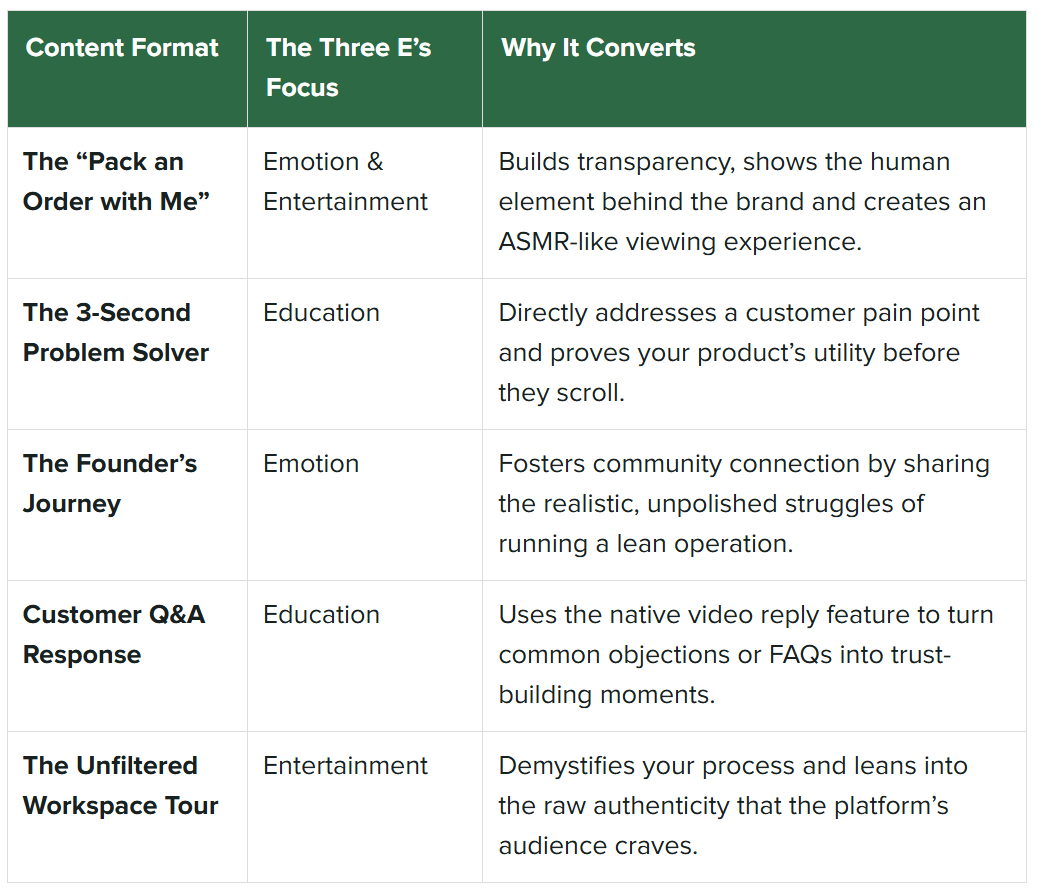
To resonate in a crowded digital space, content must satisfy one or more of the "Three E’s": Entertainment, Education, and Emotion.
- Entertainment: Content that captures attention, such as relatable "Day in the Life" vlogs or trending audio-based clips.
- Education: Positioning the brand as an authority. Examples include "Myth-busting" videos or "How-to" product tutorials.
- Emotion: Humanizing the brand. Behind-the-scenes content that showcases the founder’s journey or the team packing orders creates a deep sense of connection, turning followers into brand advocates.
The Role of Visual Authority
High-quality visuals serve as the foundation of engagement, but they don’t require an expensive production house. Modern tools—such as the built-in image editor within Sprout Social Essentials—allow lean teams to crop, resize, and optimize visuals directly within their publishing workflow. This eliminates the need for expensive third-party design software and ensures that raw team photos can be transformed into professional, "thumb-stopping" content in seconds.
Assessing Capacity and Setting Realistic Goals
Before launching a multi-channel campaign, businesses must conduct a rigorous internal audit. Growth strategy is only as effective as the team’s ability to execute it.

- Define Growth: Is your primary goal lead generation, direct e-commerce sales, or community-based brand awareness?
- Audit Bandwidth: In small teams, members often wear many hats. Adding social media management to an already full plate is a recipe for burnout. If a team member can only commit to one post per day, that should be the baseline. Inconsistent, high-volume posting is far less effective than a consistent, lower-volume schedule.
- Align KPIs: Set objectives that respect current capacity. Quality always beats quantity when it comes to long-term audience retention.
Navigating the Network: Channel-Specific Strategies
The "Golden Rule" of social media is simple: You do not need to be everywhere; you only need to be where your audience is.
Instagram: The Visual Storefront
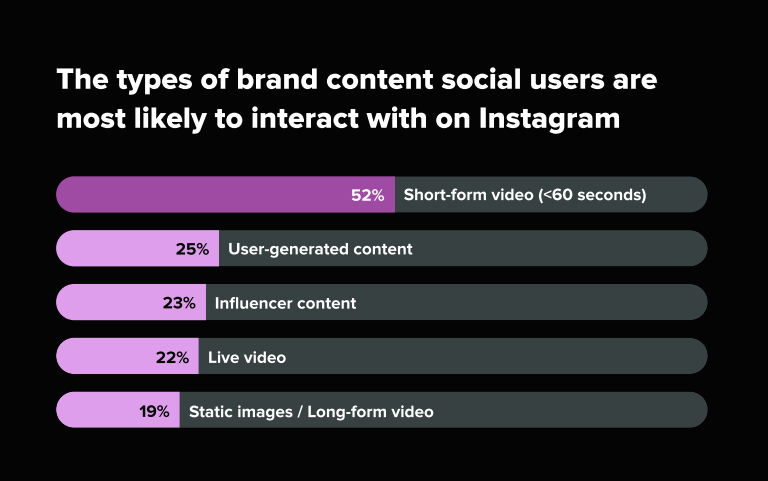
Instagram has pivoted heavily toward short-form video. According to the 2026 Social Media Content Strategy Report, over 52% of users engage most with short-form video (<60 seconds). For small businesses, Instagram Reels are essential.
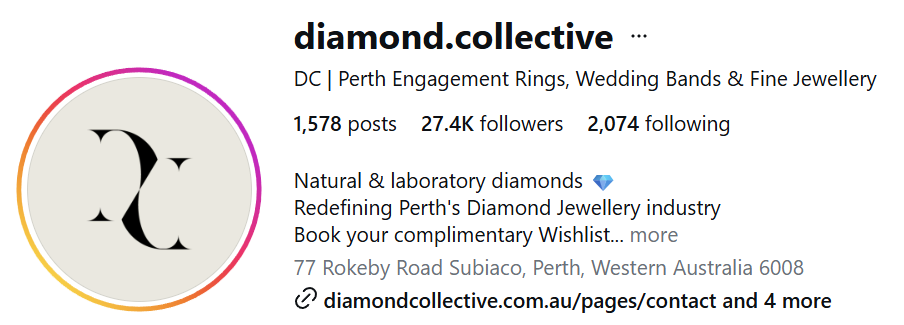
Furthermore, as social media search (Social SEO) becomes a primary way users find new brands, profiles must be optimized. By placing high-intent keywords (such as your specific niche and location) in your "Name" field, you increase your discoverability. Finally, ensure your "Link in Bio" offers a friction-free conversion path, such as a direct booking tool or a limited-time product link.
TikTok: The Engine of Organic Discovery
TikTok remains the premier platform for rapid, organic growth due to its "For You Page" (FYP) algorithm, which prioritizes content relevance over follower count. To maximize performance on TikTok:
- Leverage Trends: Use trending audio to piggyback on viral momentum.
- Keyword-Rich Captions: Treat captions as search queries.
- The Hook: Within the first three seconds of a video, provide a reason for the viewer to stop scrolling.
By prioritizing founder-led content that reveals the human side of the business, brands can foster the "Emotion" aspect of the Three E’s, which often leads to higher conversion rates among younger demographics.
Facebook: The Hub for Local Community
While newer platforms garner more headlines, Facebook remains the most widely used network across all generations. Its true strength for small businesses lies in its community-building capabilities.
Businesses can join local community groups to share expertise or host events. For example, a local brewery hosting a monthly book club creates a physical reason for followers to engage. This transforms a digital following into a real-world community. Additionally, Facebook’s sophisticated advertising platform allows for hyper-localized targeting, ensuring that paid spend reaches only those in your immediate geographic vicinity.
Operational Efficiency: The Case for Centralized Management
The "hidden tax" of social media is the operational inefficiency caused by toggling between native apps. Posting a single asset to Instagram, TikTok, and Facebook separately is time-consuming and prone to human error. More importantly, it creates data silos.
By using a centralized management system like Sprout Social Essentials, businesses can:
- Batch Content: Schedule weeks of content in advance to maintain consistency.
- Unified Reporting: View cross-channel analytics in one dashboard, allowing for data-driven decisions rather than guesswork.
- Reclaim Time: Automated workflows reduce the daily administrative burden, allowing the team to focus on engagement rather than posting logistics.
Measuring Success: Beyond Vanity Metrics
To truly gauge ROI, businesses must move away from "vanity metrics" like raw follower counts or "likes," which do not necessarily correlate with revenue. Instead, focus on actionable data:
- Website Traffic: Are your social channels driving clicks to your store?
- Conversion Rate: What percentage of social-referred traffic turns into a purchase?
- Cost Per Acquisition (CPA): How much does it cost to acquire a new customer through social advertising?
By analyzing these metrics, you can identify which content formats (e.g., behind-the-scenes videos vs. product announcements) are actually "moving the needle." If you discover that your audience is most active on Tuesday mornings, you can use your scheduling tools to automate publication during these peak windows, maximizing reach without increasing your manual effort.
Conclusion: The Path Forward
The landscape of small business growth has shifted permanently to the digital realm. While the technical demands of managing multiple platforms may seem daunting, the right approach—rooted in strategic goal-setting, content that adds value, and the use of centralized management tools—can turn social media into your most powerful growth asset.
By moving beyond the noise and focusing on consistent, high-value engagement, small businesses can compete with, and often outperform, their larger counterparts. The tools for scale are available; the only remaining step is the commitment to a disciplined, data-backed social strategy.
To begin optimizing your brand’s workflow and executing a professional growth strategy without increasing headcount, explore the comprehensive suite of tools available with a 30-day trial of Sprout Social Essentials.












No comments yet. Be the first to join the conversation!