Ali Ikhwan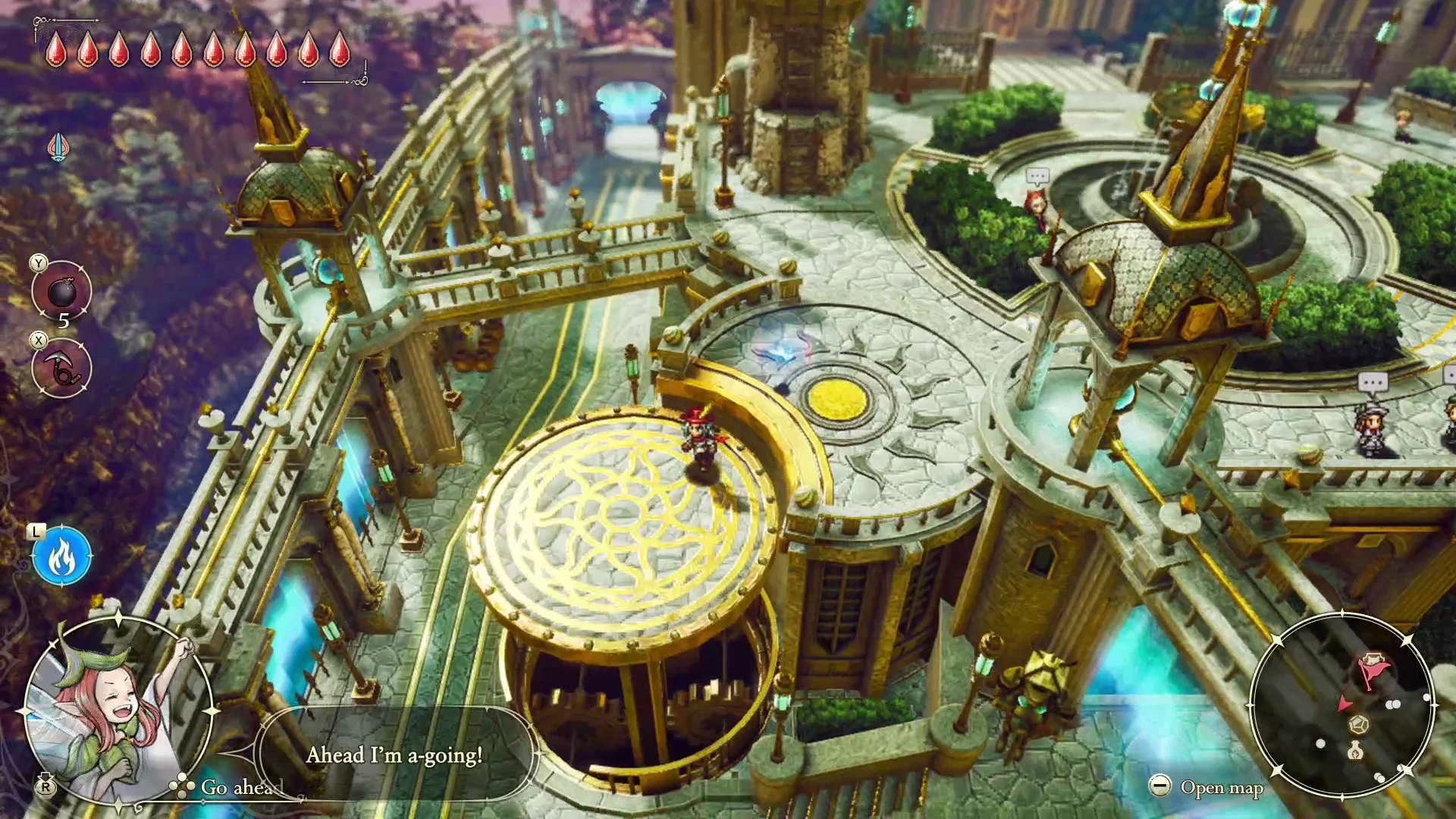
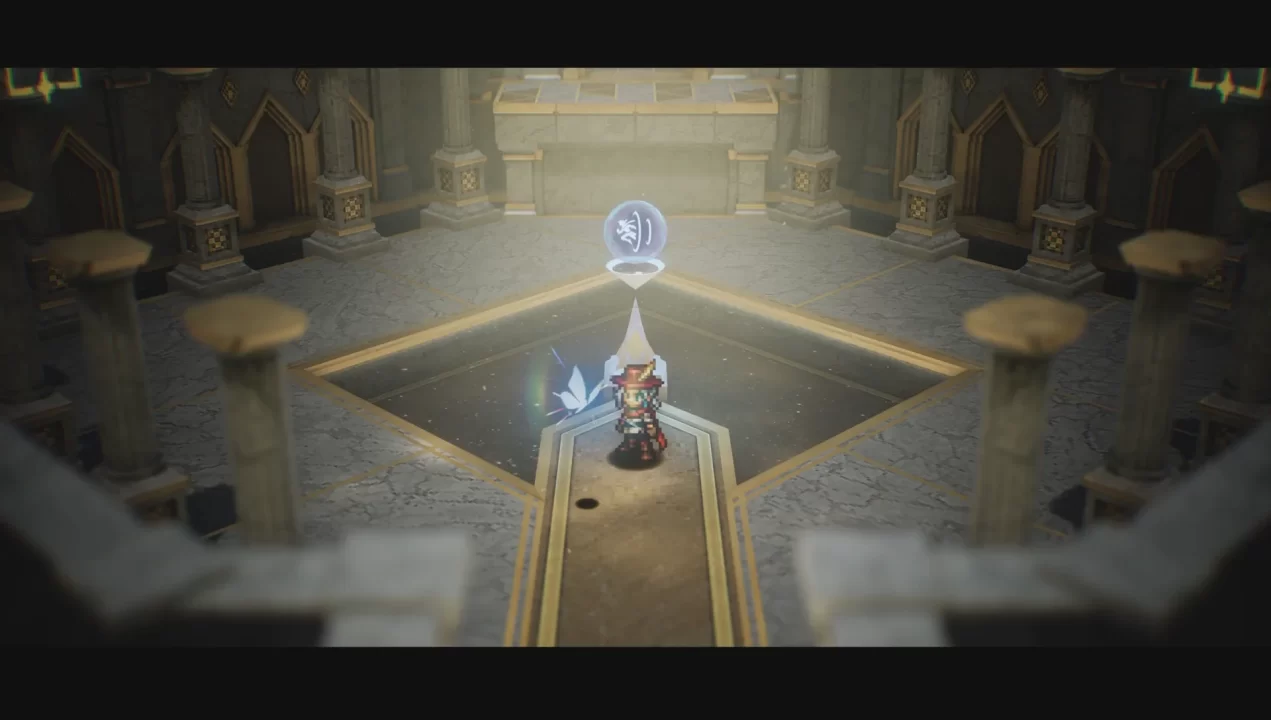
Since Square Enix first unveiled the "HD-2D" graphical engine in 2018, the industry has witnessed a renaissance of pixel-art aesthetics. By marrying the tactile, nostalgic charm of 16-bit sprites with the sophisticated lighting and depth of 3D environments, the style has become a hallmark of modern RPG design. The latest title to embrace this aesthetic is The Adventures of Elliot: The Millennium Tales. However, while many games have adopted this look to emulate the turn-based classics of the nineties, The Adventures of Elliot charts a more daring path, trading slow-paced strategy for the kinetic, high-octane thrill of action-adventure combat reminiscent of the Legend of Zelda series.
A Kingdom in Peril: The Narrative Foundation
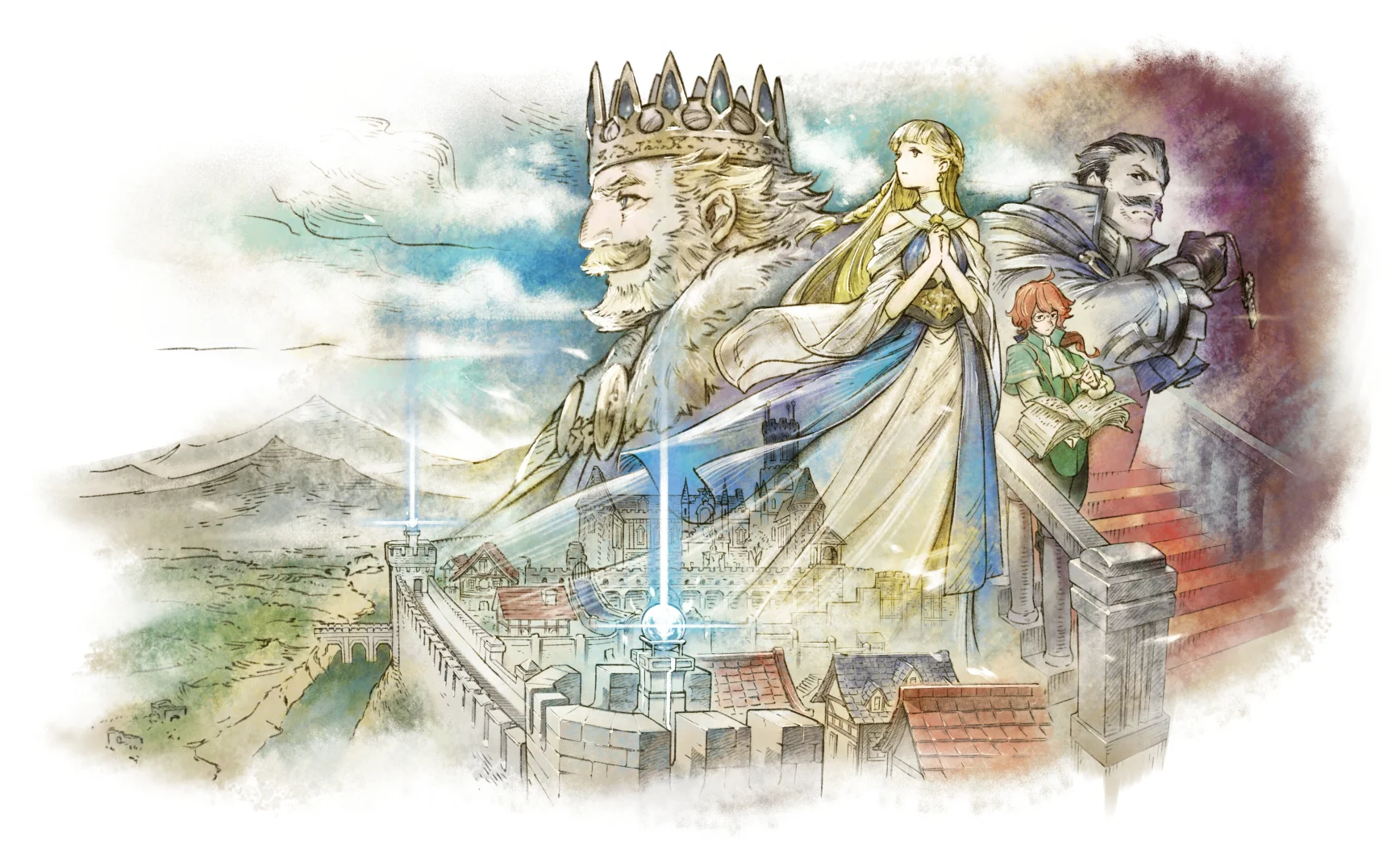
The story unfolds within the Kingdom of Huther, a realm defined by its stark contrast between the safety of the interior and the volatility of the wild. King Hichard, the kingdom’s benevolent monarch, tasks our protagonist—the dashing, cape-wearing Elliot—with venturing beyond the city gates. This mission is far from routine; the world outside is a lawless expanse roamed by hostile beast tribes, where only the most seasoned warriors can hope to survive.
Within the city, the populace remains shielded by a potent ward maintained by Princess Heuria. Bound to the capital by the very magic that protects it, Heuria can never leave, creating an emotional anchor for the story. She maintains a magical, telepathic connection with Elliot, allowing her to experience the world vicariously through his eyes. This narrative device serves as a clever justification for the game’s dialogue-heavy exploration, turning a solitary journey into a shared adventure between two souls separated by duty.
Chronology: A Journey Through Time
Much like the legendary time-hopping narratives of Chrono Trigger or the sprawling scope of Dragon Quest VII, The Adventures of Elliot is not a linear affair. The game forces the player to traverse four distinct eras, moving backward from the current "Age of Safekeeping" through the ruins of history.
- The Age of Safekeeping: The present-day era, where the kingdom thrives under the protection of Princess Heuria’s ward.
- The Age of Reconstruction: A bleak, post-cataclysmic period where humanity struggles to build among the ashes of a fallen civilization.
- The Age of Magic: A shimmering, utopian era defined by the height of arcane technological advancement.
- The Age of Budding: The earliest era, providing the primordial foundation for the events that follow.
The temporal mechanics allow for a fascinating look at how a single location—the Kingdom of Huther—evolves, decays, and regenerates. Observing advanced technological wonders from the Age of Magic lying in rusted ruin in the Age of Reconstruction adds a layer of poignancy that elevates the game’s world-building above its peers.
The Mechanics of Combat and Control
While the visual style might invite comparisons to Octopath Traveler, the gameplay is firmly rooted in the action-RPG tradition. Combat is frantic and demands high levels of player dexterity. Elliot is armed with a versatile arsenal, ranging from standard steel swords to more exotic implements. Players can map two weapons simultaneously, encouraging a playstyle that rewards experimentation.
The combat system is bolstered by the presence of Faie, a childlike fairy who serves as the player’s primary magical support. Controlled via the right analog stick, Faie acts as an extension of the player’s reach, damaging enemies on contact and executing specialized abilities. Whether she is igniting environments, increasing Elliot’s movement speed, or warping him across the battlefield, Faie is integral to success.
However, the game’s difficulty spikes significantly when attempting to manage both melee combat and Faie’s positioning simultaneously. For those who find the multitasking overwhelming, the developers have included a cooperative multiplayer mode, allowing a second player to take command of the fairy. This design choice highlights a commitment to accessibility, acknowledging that the high-speed demands of the game’s combat may not suit every player’s reflexes.
Supporting Data and Design Philosophy
The success of The Adventures of Elliot is largely attributed to Team Asano, the veteran developers at Square Enix who have refined the HD-2D aesthetic. Their attention to detail is evident in every frame, from the way light dances across a watercourse to the fluid animation of Elliot doffing his cap during conversations.
Key Features of the Experience:
- Artistic Fidelity: The character portraits, which evoke the hand-drawn warmth of 90s Studio Ghibli films, provide a necessary human element to the pixelated sprites.
- Customization: The Magicite system allows players to imbue weapons with elemental properties, such as fire or increased knockback, ensuring that the combat loop remains fresh throughout the 30-40 hour runtime.
- Audio Composition: Composers Tomohiro Nakamachi and Yuto Moritani have crafted a score that serves as the heartbeat of the game. The shift in musical tone between the despair of the Age of Reconstruction and the majesty of the Age of Magic is a masterclass in atmospheric audio design.
Official Perspectives and Critical Reception
In recent developer interviews, Team Asano noted that their goal was to evolve the HD-2D genre, not merely replicate its past successes. "We didn’t want to make another turn-based game," a spokesperson stated. "We wanted to see if the visual clarity and depth of the HD-2D style could support the visceral, immediate feedback required by an action-RPG."
Critics have largely praised the game for its bravery in deviating from the established formula. However, the game is not without its detractors, particularly regarding its pacing and "True Ending" requirements. By locking the most significant narrative revelations behind rigorous completionist milestones, the game risks alienating casual players who might settle for one of the earlier, less satisfying conclusions.
Implications for the Future of HD-2D
The Adventures of Elliot represents a pivot point for Square Enix and its collaborators. If this title proves that HD-2D is a viable engine for action-oriented gameplay, the door opens for a wider variety of genres—from platformers to twin-stick shooters—to adopt the aesthetic. The game’s success suggests that players are hungry for more than just traditional JRPG mechanics; they are looking for modern, responsive gameplay wrapped in the comfortable, nostalgic blanket of the 16-bit era.
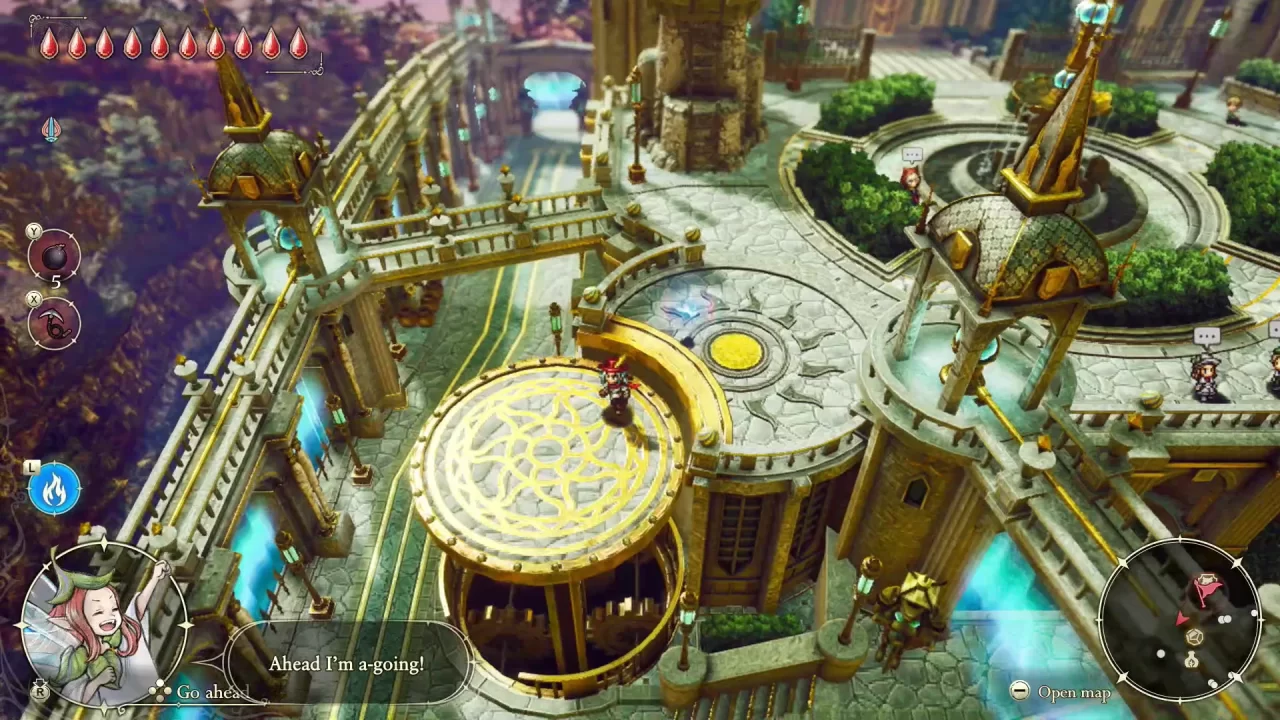
Furthermore, the integration of cooperative mechanics and time-travel-based level design signals a maturation of the genre. The developers have successfully balanced the "gimmick" of time travel with tangible mechanical outcomes, proving that recycling assets can be an effective storytelling tool when handled with care.
Final Verdict: A Bold, If Imperfect, Vision
While The Adventures of Elliot occasionally suffers from the repetitive nature of its beast-tribe enemies and a somewhat convoluted ending structure, it remains an essential experience. The game manages to capture the feeling of a classic "Saturday morning cartoon" adventure—earnest, heroic, and filled with heart.
The supporting cast, particularly the relationship between the tragic character Casper and his feline companion Mao, adds emotional depth to a world that could have easily remained a static backdrop. And, perhaps most importantly for the modern audience, the game is absolutely brimming with charm—and, true to its promise, a vast array of cats to interact with.
The Adventures of Elliot: The Millennium Tales is a testament to the fact that while technology moves forward, the core tenets of good game design—satisfying combat, immersive world-building, and a sense of genuine wonder—remain timeless. For those willing to look past its few rough edges, the Kingdom of Huther offers a journey that is as rewarding as it is beautiful. Whether you are a fan of the Zelda-esque action or a devotee of the HD-2D art style, this title is a bold, ambitious, and ultimately successful endeavor.


 Asro
Asro
 Muslim