Sagoh
Sagoh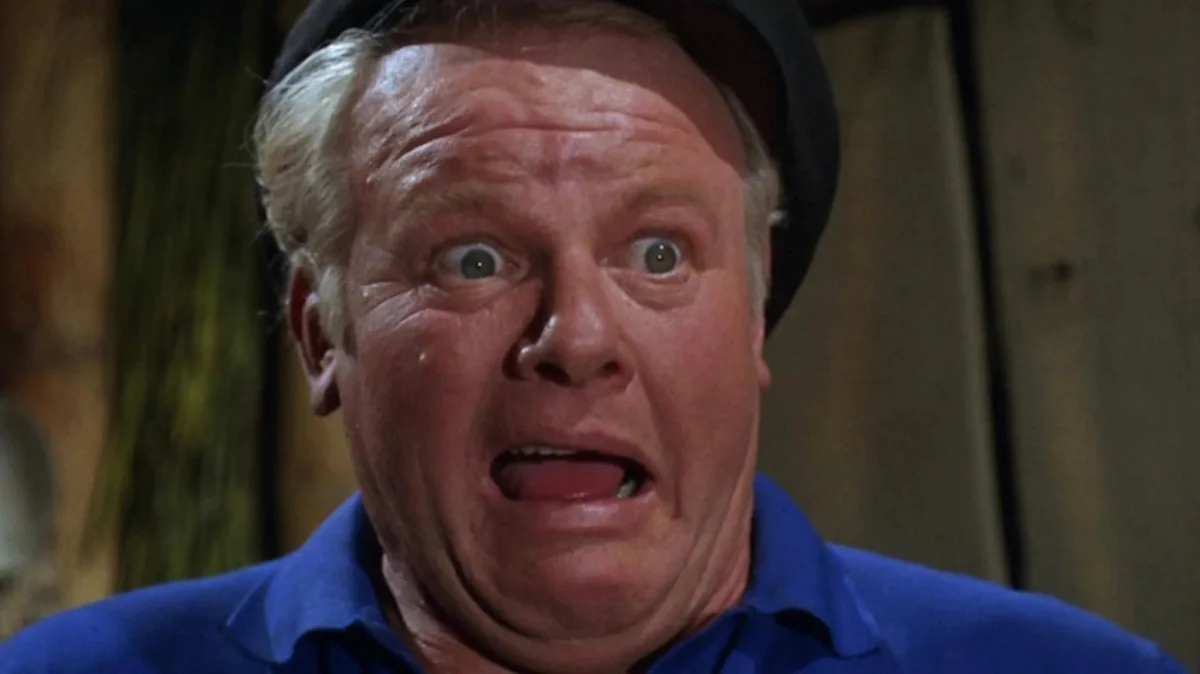
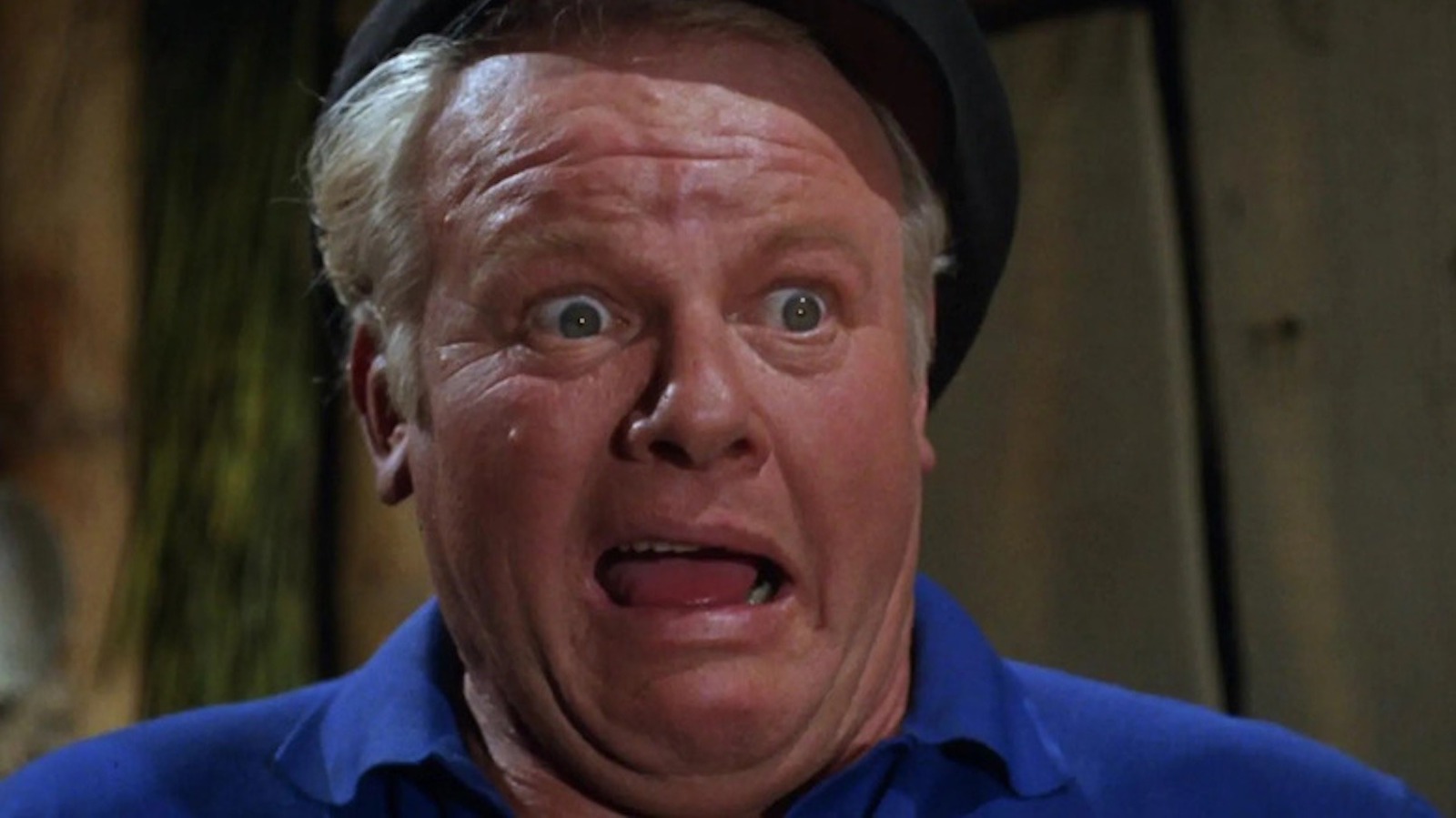
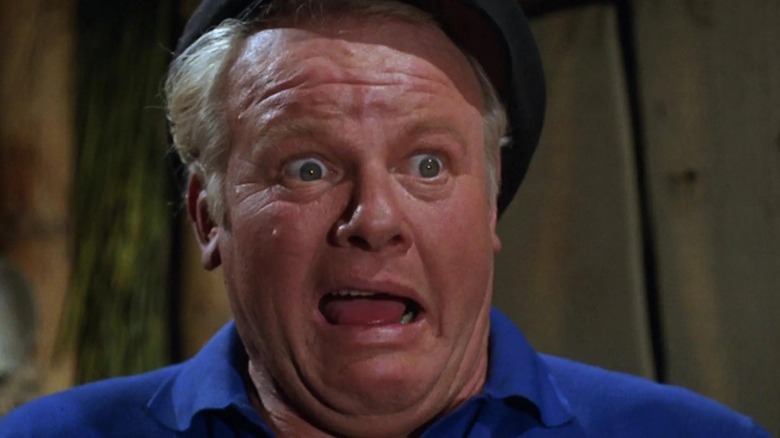
For millions of viewers worldwide, Alan Hale Jr. is etched into the cultural consciousness as the Skipper, the blustery but lovable commander of the S.S. Minnow on the iconic sitcom Gilligan’s Island. His portrayal of Jonas Grumby provided the comedic backbone of the series, defined by his exasperated "Little Buddy" sighs and his iconic white captain’s hat. Yet, to view Hale solely through the lens of a marooned boat captain is to overlook a prolific career that spanned decades. Among the most intriguing, albeit largely forgotten, footnotes in his filmography is his turn as a shifty bookie in the 1979 Disney crime-comedy, The North Avenue Irregulars.
The Era of Wholesome Escapism: Walt Disney Productions in the 1970s
To understand why a seasoned character actor like Hale would appear in a film like The North Avenue Irregulars, one must contextualize the landscape of Walt Disney Productions between 1959 and 1983. During this era, the studio acted as a bastion of G-rated, family-friendly entertainment. While New Hollywood was busy ushering in an era of gritty, violent, and morally ambiguous cinema—marked by the works of Scorsese, Coppola, and Friedkin—Disney remained committed to a specific brand of "zany" comfort food.
Films such as The Shaggy Dog, The Absent-Minded Professor, and The Computer Wore Tennis Shoes were not designed to win Academy Awards or challenge the socio-political status quo. Instead, they were crafted to offer a two-hour respite from the anxieties of the Cold War and the cynicism of the post-Watergate era. They were formulaic, yes, but they were consistent. For parents, these movies provided a safe harbor; for actors, they provided steady, professional work within a studio system that valued reliable, recognizable faces.
The North Avenue Irregulars: A Study in Mid-Century Mediocrity
Released in 1979, The North Avenue Irregulars represents the tail end of this specific Disney philosophy. Directed by Bruce Bilson, the film tells the story of an earnest minister, played by the late, great Edward Herrmann, who finds himself forced to combat local organized crime to save his church’s finances.
The plot is as straightforward as it is predictable. When a member of the congregation gambles away the church’s "sinking fund" on a fixed horse race, the minister is thrust into a conflict with the criminal underworld. The "irregulars" of the title refer to the ragtag group of churchgoers—mostly housewives and retirees—who mobilize to outsmart the mobsters.
While the film boasts a cast of genuine talent, including Cloris Leachman, Barbara Harris, and Patsy Kelly, it is widely regarded as a "pedestrian" entry in the Disney catalog. It lacks the inventive slapstick of the studio’s earlier successes, relying instead on a narrative structure that feels both dated and disconnected from the contemporary cinema of 1979.
Alan Hale Jr. as "Harry the Hat"
For the casual fan, the primary point of interest in The North Avenue Irregulars is the presence of Alan Hale Jr. In the film, Hale steps away from the benevolent, albeit short-tempered, persona of the Skipper to play Harry the Hat, a local bookie who serves as the catalyst for the church’s financial downfall.
Hale’s performance is a masterclass in low-stakes character acting. Clad in a suit that screams 1970s suburban grifter, Hale portrays Harry with a layer of unctuous charm and calculated menace. He is the man who convinces the desperate husband to place the fateful bet, effectively setting the plot in motion. While his role is relatively small, his presence is pivotal. It serves as a stark reminder of Hale’s versatility—a man who could pivot from being the "everyman" captain to a small-time criminal without breaking a sweat.
The Chronology of a Career: From the Skipper to the Small Screen
Alan Hale Jr.’s career trajectory is a fascinating mirror of the evolution of American television. Born into a Hollywood family—his father, Alan Hale Sr., was a prominent actor during the Golden Age—the younger Hale spent years building a resume before hitting the jackpot with Gilligan’s Island in 1964.
- Early Years (1930s–1950s): Hale worked consistently in Westerns and adventure films, often playing the rugged, reliable sidekick.
- The Island Era (1964–1967): The global phenomenon of Gilligan’s Island made him a household name, but it also typecast him. The show’s cancellation didn’t end his career, but it forced him into a cycle of guest spots and television movies.
- The Post-Island Transition (1970s): This was a period of "working actor" status. Hale appeared in projects like The Wackiest Wagon Trail in the West (a compilation of episodes from the failed series Dusty’s Trail) and The North Avenue Irregulars.
- Legacy: Until his death in 1990, Hale remained a pop-culture icon, frequently reprising the Skipper role in reunions and variety shows, while quietly continuing his work in theater and film.
Supporting Data: Why the Film Failed to Resonate
When The North Avenue Irregulars premiered, it was met with a lukewarm reception that bordered on dismissal. Critically, the film was panned. Famed critics Gene Siskel and Roger Ebert famously labeled the film as "mediocre," citing its hackneyed script and lack of genuine comedic stakes.
Commercially, the film was a disappointment for Disney, failing to gain traction in an era where audiences were beginning to demand more complex, character-driven narratives. The "Disney formula" that had served the studio so well for two decades was beginning to show cracks. By the time the 1980s arrived, Disney would undergo a massive structural and creative shift, eventually leading to the formation of Touchstone Pictures, which allowed the studio to produce more mature content. The North Avenue Irregulars sits squarely in the "transitional" period where Disney was still clinging to a past that was rapidly disappearing.
Implications: The Preservation of "B-Side" Cinema
Why do we look back at films like The North Avenue Irregulars? The answer lies in the concept of "cultural archeology." While the film itself may not be a masterpiece of American cinema, it provides a crucial look at how the studio system utilized established television stars to anchor mid-budget productions.
The presence of Alan Hale Jr. in a Disney crime comedy serves as a microcosm of the mid-70s entertainment industry. It highlights a period where the barrier between television and film was porous, and where actors were expected to be "plug-and-play" assets. Furthermore, for Gilligan’s Island completists, the film offers a rare chance to see Hale operate outside the familiar dynamic of the island. It challenges the viewer to look past the captain’s hat and see the actor beneath.
Conclusion: A Footnote Worth Reading
While The North Avenue Irregulars is unlikely to be rediscovered as a cult classic or a hidden gem of the 1970s, it serves as a valuable case study. It reminds us that behind every iconic pop-culture figure lies a career comprised of hundreds of minor roles, failed experiments, and "regular" performances that kept the gears of Hollywood turning.
For Alan Hale Jr., the film was likely just another credit on an impressive resume—a paycheck, a professional obligation, and a chance to play a different kind of character. For us, it is a reminder that even the most beloved icons were, above all else, craftsmen of their trade, capable of delivering whatever was asked of them, whether it was navigating a fictional lagoon or managing a rigged horse race in a forgotten Disney comedy. As we continue to curate the history of cinema, let us not forget the "Irregulars" of the world—the films and the performances that remind us that even the most ordinary entries in a career hold a place in the larger narrative of entertainment history.

 Asep Darmawan
 Layla Zulfa