Asep Darmawan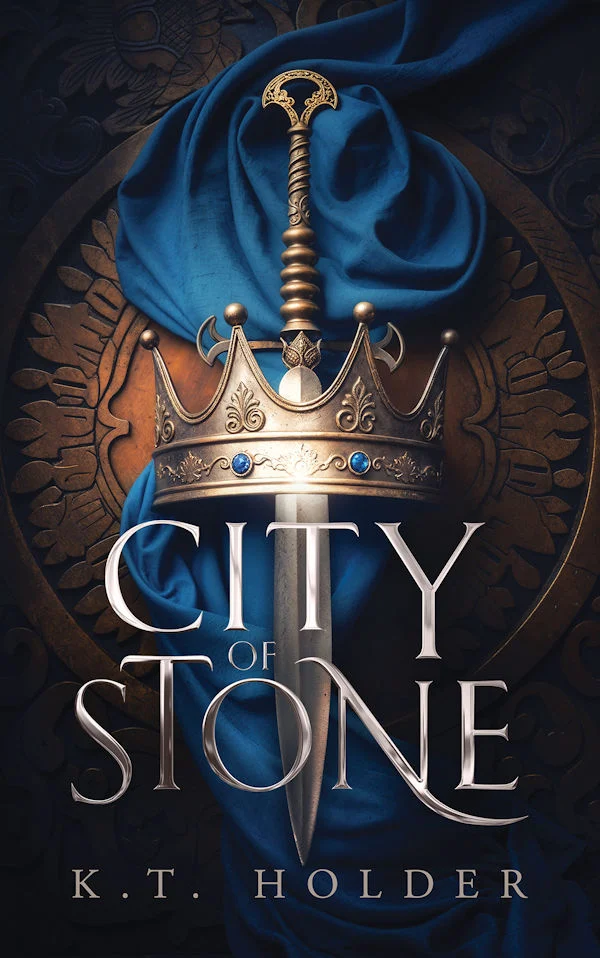
In the landscape of modern self-published fantasy, few titles have ignited as much internal debate among critics as City of Stone. As the eleventh annual Self-Published Fantasy Blog-Off (SPFBO 11) nears the conclusion of its first round, this narrative of fractured empires, political machinations, and the resilience of found family has emerged as a focal point for discussions on character-driven storytelling versus plot-pacing expectations.
City of Stone invites readers into a world where magic serves as both a tool for salvation and an instrument of tyranny. The story centers on Kasperi Ironstone, a young man whose life is irrevocably altered after he is sentenced to eight years in brutal labor camps for a crime of survival. Upon his release, he finds a realm teetering on the precipice of war, only to discover that his long-lost brother has risen to command a burgeoning rebellion. What follows is a complex web of espionage, political intrigue, and personal moral quandaries that test the limits of loyalty.
The Chronology of Conflict: From Incarceration to Rebellion
The narrative arc of City of Stone is defined by a distinct temporal split. The prologue establishes the stakes through the lens of poverty and desperation, as Kasperi attempts to secure a future for his younger brother, Soli. The subsequent incarceration serves as the catalyst for the protagonist’s evolution, stripping away his childhood and replacing it with the hardened survival instincts of a camp laborer.
Upon his release, the timeline accelerates. Kasperi re-enters society to find the geopolitical landscape fundamentally shifted. The narrative structure follows a multi-POV approach, weaving together the lives of disparate characters who find themselves thrust into a common cause. As an invading army threatens to dismantle the status quo, the protagonists must navigate a minefield of betrayal. The climax, described by several reviewers as "frenetic," forces a collision between Kasperi’s personal duty to his blood-kin and his burgeoning responsibility to a realm in crisis.
Supporting Data: Assessing the Critical Consensus
The reception of City of Stone by the SPFBO judging panel highlights the subjective nature of fantasy literature. While the consensus suggests a high level of engagement with the book’s emotional core, the technical execution remains a point of contention.
The Found Family Dynamic
A recurring theme throughout the reviews is the strength of the "found family" trope. Judges such as Julia and Stacey noted that the natural evolution of bonds between characters from vastly different backgrounds was the novel’s greatest asset. The interactions—often characterized by warmth, banter, and mutual loyalty—provided a comforting contrast to the grim reality of the setting. Julia, in particular, lauded the novel’s "calm and kind" approach to character growth, specifically regarding Kasperi’s personal journey in unlearning imperialistic biases and respecting cultural identities.
Pacing and Narrative "Rough Edges"
However, the novel’s pacing presents a bifurcated experience. While judges like Maureen and Kerry praised the forward momentum—with Kerry noting that she finished both the first and second installments in a single sitting—others found fault in the execution. EG, a panel judge, expressed significant frustration, citing a lack of engagement by the 50% mark. The critique centered on "spelled out" character dynamics and predictable plot twists, which reportedly hindered the reader’s immersion.
Worldbuilding and Political Stakes
The political landscape, viewed through the eyes of a young, isolated Empress, received praise for its grounded, albeit frustrating, realism. The Empress’s struggle against entrenched patriarchal systems and noble entitlement provided the necessary political weight to balance the more intimate, character-focused subplots. This interplay between the macro-level threat of invasion and the micro-level interpersonal drama is what gives the book its ambitious scope, even if the execution occasionally leans toward the "too easy" resolution, as noted by some reviewers.
Official Critiques: Voices from the Bench
The SPFBO panel offers a multifaceted look at the novel’s strengths and weaknesses. The following highlights reflect the breadth of opinion regarding the author’s debut entry into the series:
- On Characterization: Stacey praised the development of Emilia, a "Controller" whose journey from clinical detachment to emotional empathy serves as a narrative highlight. The book’s light touch on romance, focusing instead on platonic recalibration and gentle acceptance, was noted by Julia as a refreshing departure from standard genre conventions.
- On Accessibility: Kerry highlighted the inclusion of "disturbed and disturbing" druids as a creative subversion of traditional fantasy tropes, adding a layer of darker complexity to the worldbuilding.
- On Structural Integrity: While the majority of the panel enjoyed the emotional journey, there was a shared sentiment that the work would benefit from "a little finesse and a little trim." The consensus suggests that while the foundation is exceptionally strong, the polish of the prose and the tightening of certain plot resolutions could elevate the work to a higher tier of excellence.
Implications for the SPFBO Competition
The discourse surrounding City of Stone serves as a microcosm of the challenges inherent in the self-publishing sphere. The novel represents a growing trend in fantasy literature where the primary draw is not the "hard magic" system or the sprawling scope of the world, but the quiet, human moments of redemption and identity.
For the SPFBO, the inclusion of such a title underscores the competition’s commitment to finding "diamonds in the rough." As the judges move toward their final selection, the debate over whether the book’s emotional resonance outweighs its pacing issues will be critical. If nothing else, City of Stone has proven to be a polarizing, yet undeniably memorable, entry in this year’s contest.
As the competition enters its final phase, the broader impact of this review cycle is clear: readers are increasingly prioritizing emotional authenticity. Even when a plot leans into familiar tropes or experiences pacing lulls, a cast that feels genuinely human—and a narrative that treats its characters with kindness—can bridge the gap between a "good" book and a "must-read" experience.
Final Considerations for Readers
For those considering diving into the City of Stone series, the panel’s feedback provides a clear roadmap. If your reading preference leans toward character-driven narratives, found family dynamics, and political intrigue that prioritizes the internal lives of its protagonists, this title is likely to resonate. If you are a reader who requires rapid-fire plotting, unpredictable twists, and a more aggressive pace, you may find the middle sections of the book demanding.
As we await the final results of the SPFBO 11, City of Stone remains a testament to the courage of independent authors. It is a work of heart, a project that is, by its own judges’ admission, "close to something truly excellent." Whether the upcoming sequels can provide that final layer of polish remains a point of significant interest for the fantasy community.
About the SPFBO 11:
The Self-Published Fantasy Blog-Off is an annual competition dedicated to highlighting the best in self-published fantasy. This year’s judging panel includes Adawia Asad, Eva Geraghty, E.G. Stone, Julia Kitvaria Sarene, Karen Lucia, Kerry Smith, Kit Caelsto, Maureen Neuman, Robert Max Freeman, Sara Rosevear, Sherry Cammer, Stacey Markle, Tianna Twyman, and Yaniv Rosenfeld Cohen. Further updates and the full list of semi-finalists can be found on the official SPFBO website.


 Basiran
 Lina Irawan