Laily UPN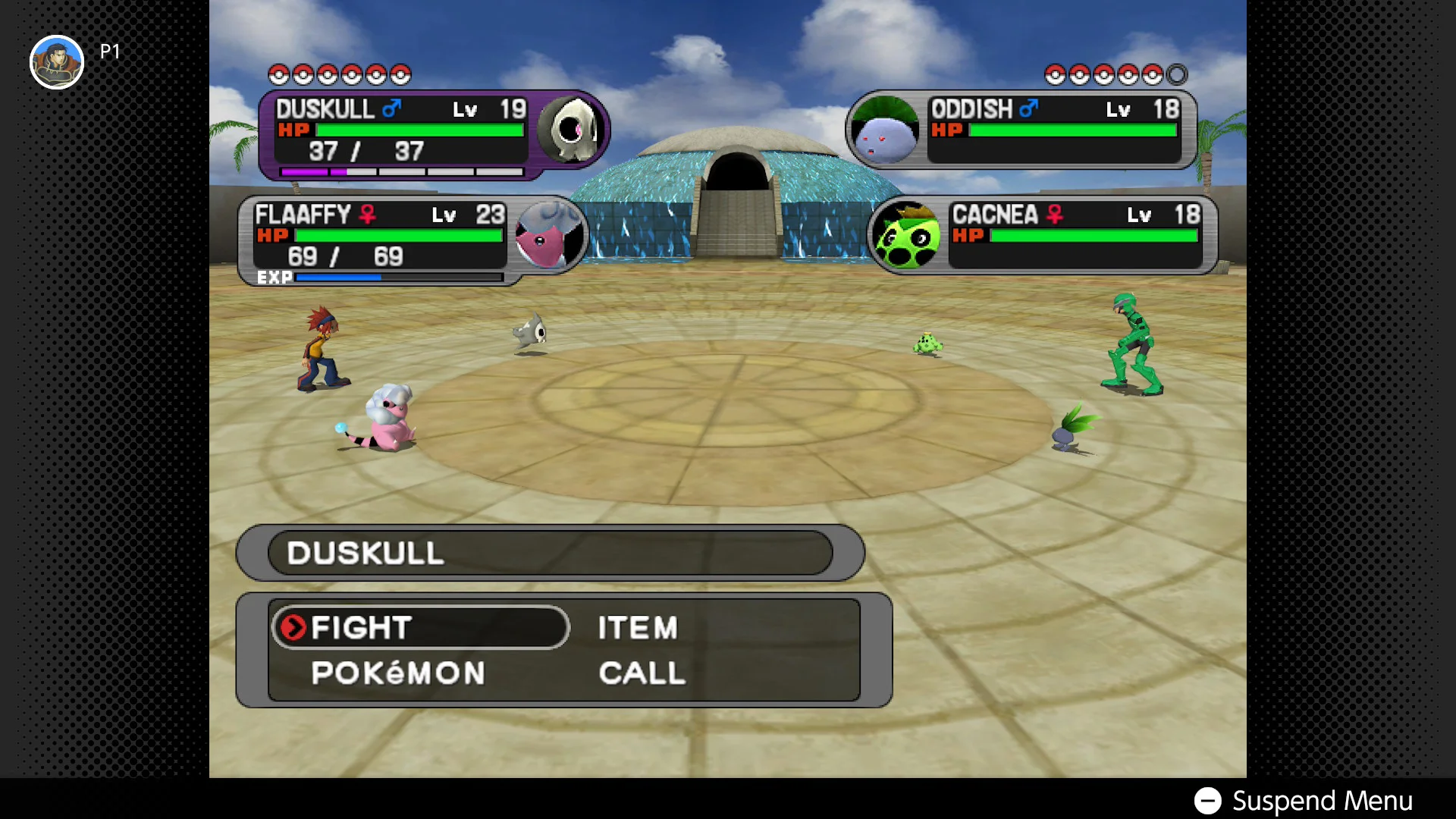
For many, Pokémon is synonymous with the handheld experience—a colorful, linear journey through pastoral routes and urban centers, culminating in a traditional league challenge. Yet, for a specific generation of players, the definitive Pokémon experience was found on the Nintendo GameCube, courtesy of developer Genius Sonority. As the franchise finds itself at a creative crossroads, revisiting the Orre duology—Pokémon Colosseum and Pokémon XD: Gale of Darkness—reveals a level of mechanical depth and atmospheric maturity that the mainline series has seldom dared to replicate.
The Genesis of Orre: A Departure from Tradition
In the mid-2000s, Pokémon was at its peak, but older preteens were beginning to hunger for more than the standard Gym-leader-to-Elite-Four loop. Enter Manabu Yamana, a veteran developer who cut his teeth on the Dragon Quest series at Heartbeat. Yamana and his team at Genius Sonority were tasked with bringing a more sophisticated, home-console experience to the Pokémon brand.
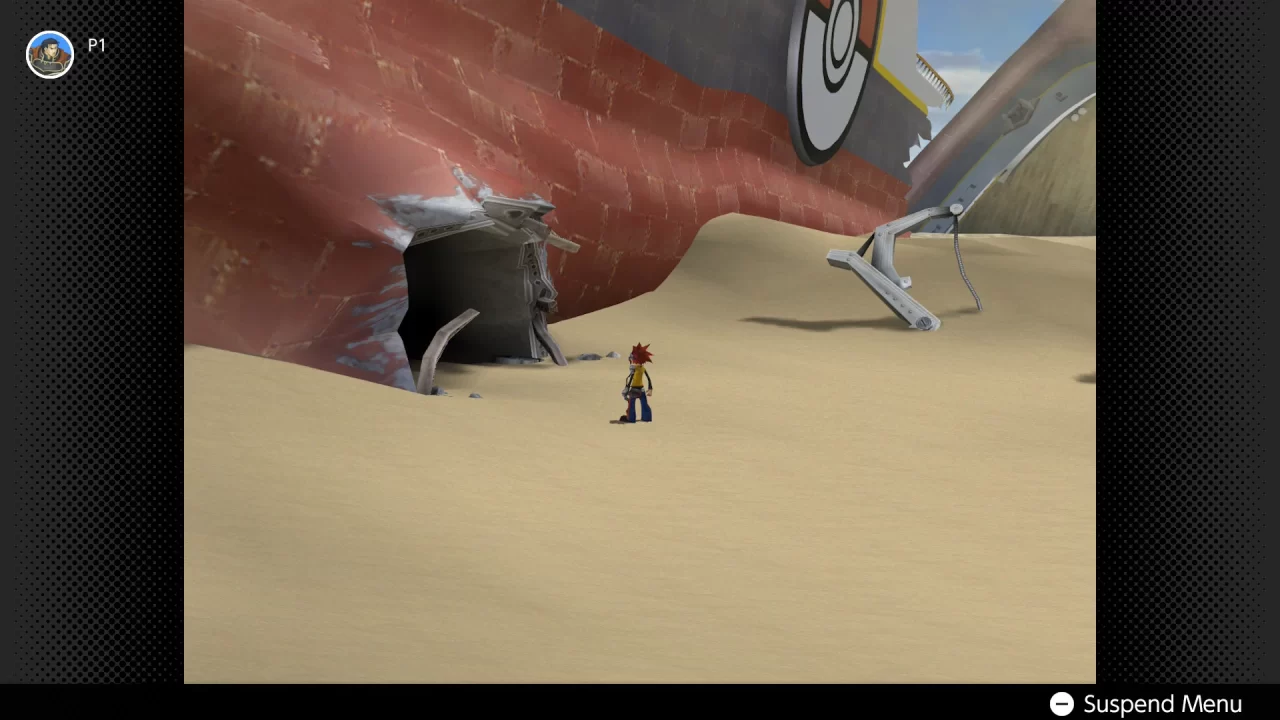
The resulting region, Orre, was a radical departure from the lush, temperate landscapes of Kanto or Hoenn. It was a sun-bleached, post-industrial wasteland—a "Western Frontier" of the Pokémon world. Here, settlements were constructed from scrap metal, oases served as the only bastions of survival, and the lawless environment demanded a different kind of trainer. By removing the traditional "tall grass" encounter mechanic, the game forced players to engage in a unique system of "snagging" Shadow Pokémon—creatures corrupted by synthetic, villainous experimentation—from the trainers who stole them.
A Chronological Perspective: The Orre Narrative
To understand the impact of these titles, one must look at them as a unified narrative arc. Pokémon Colosseum (2003) introduced the world to Wes, an anti-hero who defected from the criminal organization Team Snag’em. The game was notoriously difficult, dropping players into a high-stakes environment with an endgame-ready team of Espeon and Umbreon.
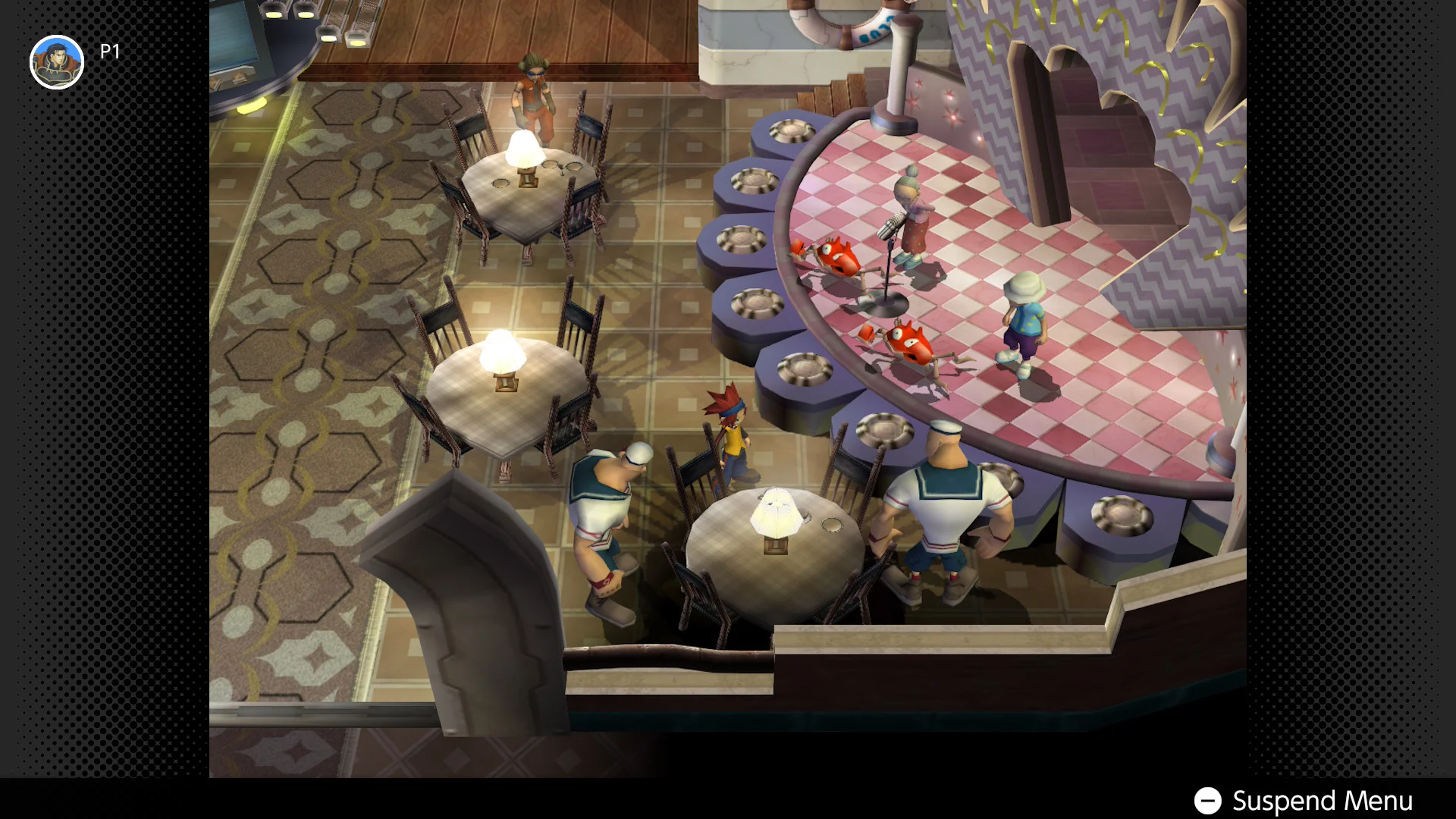
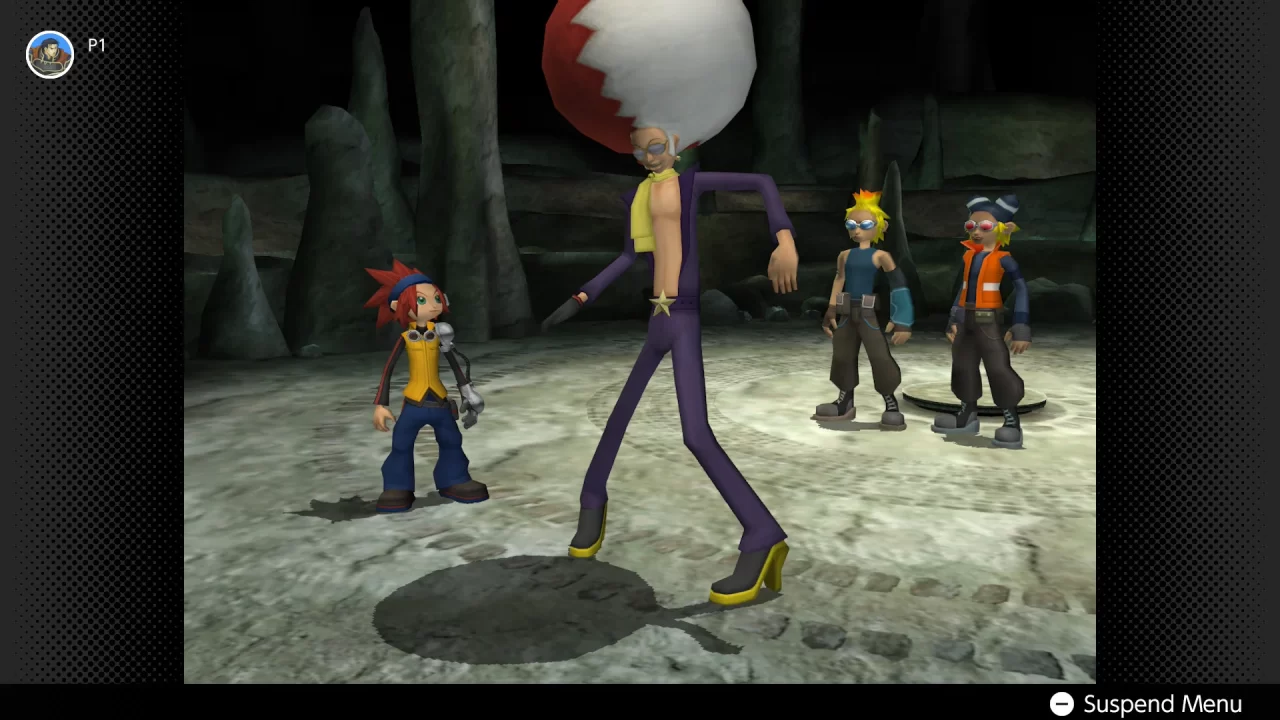
Pokémon XD: Gale of Darkness (2005) functions as a direct sequel, set five years after the collapse of the Cipher organization. While Nintendo’s recent digital release strategy curiously saw XD arrive before Colosseum, the narrative flow is best experienced in release order. In XD, the player assumes the role of Michael, a young protagonist tasked with reclaiming Shadow Pokémon and thwarting the remnants of Team Cipher.
While Colosseum leaned into a grittier, almost apocalyptic tone, XD introduced a slightly more approachable structure, refining the UI and mechanical flow while maintaining the high-difficulty ceiling that defined the Orre experience. Both games stand as rare instances where the franchise was permitted to experiment with its own identity, prioritizing tactical survival over the collect-a-thon tropes of the Game Boy era.
Mechanical Depth: The Competitive RPG Hybrid
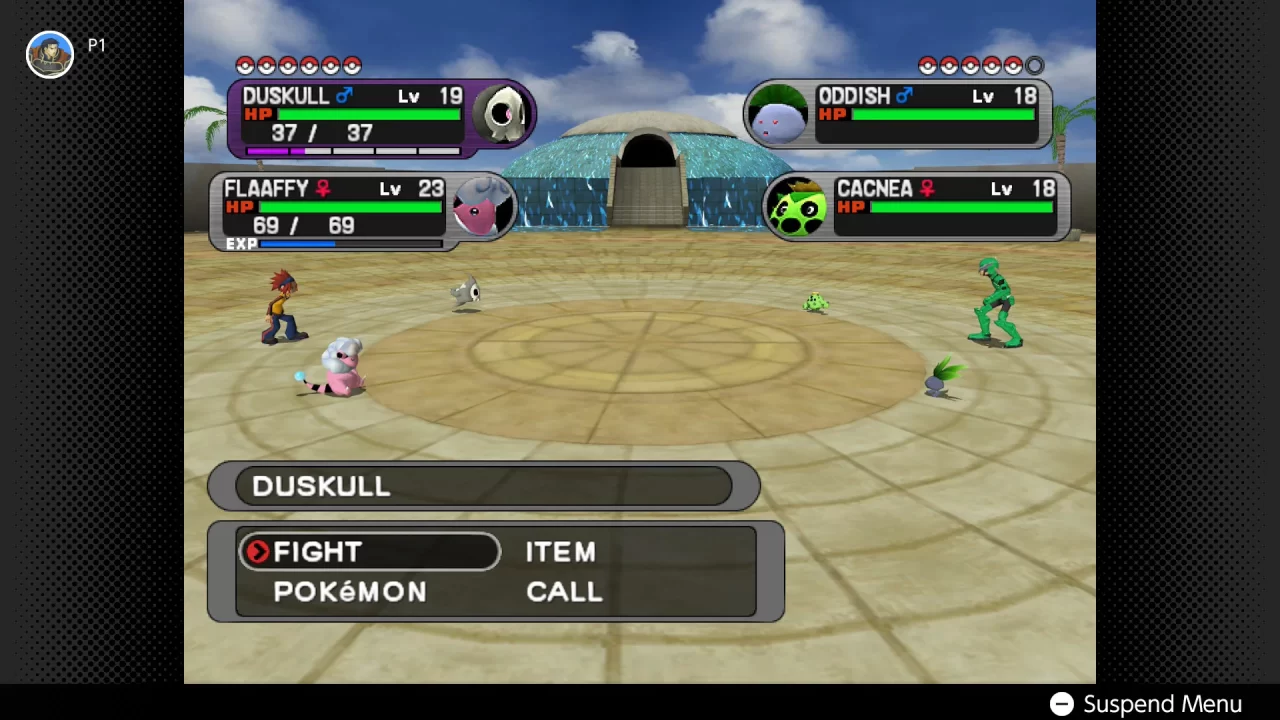
The most significant contribution of the Orre duology is its uncompromising commitment to double-battle mechanics. In the mainline series, double battles are often relegated to specific trainer encounters or gimmick battles. In Orre, the double battle is the standard.
Strategic Complexity
By forcing the player into two-on-two combat for the entire duration of the game, Genius Sonority forced a level of tactical thinking rarely seen in Pokémon history. NPC trainers in Orre do not simply spam "Tackle" or "Ember"; they execute rudimentary competitive strategies. They employ weather-based setups, utilize abilities like "Lightning Rod" to redirect damage, and set up entry hazards or defensive walls like "Reflect."
This design philosophy turned every encounter into a 20-to-30-minute test of resource management. Unlike the mainline games, where switching a Pokémon is a tactical luxury, in XD, swapping a creature is a high-stakes gamble. The opponent is constantly scanning for the "switch-in" to capitalize on typing weaknesses.
The Evolution of the Shadow System
The "Shadow Pokémon" mechanic was not just a narrative hook; it was a fundamental shift in how the game handled power scaling. In Colosseum, all Shadow Pokémon were relegated to the "Shadow Rush" move. XD expanded this significantly, introducing a variety of Shadow-type moves that anticipated the franchise’s future "physical/special split" in Diamond and Pearl. These moves were highly effective but required a delicate, iterative purification process. The act of "snagging" became a high-wire act: weaken the opponent just enough to capture them, all while avoiding a knockout and maintaining your own team’s health.
Supporting Data: Production Values and Presentation
The jump to the GameCube allowed for a quantum leap in production values. While the Gen 1 and 2 models were inherited from Pokémon Stadium 2, the Gen 3 models and the environments of Orre were rendered with a level of detail that arguably surpassed even recent Nintendo Switch titles in terms of consistent art direction.
- Environmental Fidelity: Each location in Orre felt grounded, featuring fully polygonal, semi-dilapidated structures that gave the region a distinct "sense of place."
- Dynamic Cinematography: The battle camera was remarkably active, panning and zooming in ways that added a cinematic weight to every attack.
- Audio Composition: The soundtrack abandoned the lighthearted, MIDI-driven tunes of the handheld games in favor of an eclectic, often moody, and percussive score that felt closer to contemporary RPGs on the PlayStation 2.
The result was a product that felt like a "prestige" project—a high-budget spin-off that respected its audience’s intelligence and growing desire for depth.
Official Stance and Modern Implications
Today, the legacy of the Orre games is a point of contention among the fanbase. The absence of Pokémon Home connectivity in current re-releases is a point of frustration for collectors, yet it inadvertently highlights a design strength: by limiting the pool of available Pokémon (83 Shadow species and only 9 wild species), the game forces players to engage with Pokémon they might otherwise ignore in a standard playthrough.
The Crossroads of the Franchise
The modern Pokémon franchise is currently at a turning point. Titles like Pokémon Champions have sparked discussions about whether the competitive scene should be decoupled from the mainline, narrative-driven RPGs. The Orre duology, however, proves that integration is possible. By melding the rigor of competitive battling with the progression systems of a traditional RPG, Colosseum and XD created a blueprint that modern entries have largely abandoned.
In an era where "ease of access" is often prioritized at the cost of challenge, the Orre games stand as a reminder that the Pokémon formula is capable of accommodating complexity. They were not designed as "baby’s first RPG," but as a challenging, mature, and deeply rewarding experience that treated the player as an equal.
Conclusion: A Legacy Worth Preserving
The fact that Pokémon XD: Gale of Darkness and its predecessor remain highly sought after on the secondary market is no coincidence. They represent a brief, golden era where the franchise dared to step out of its comfort zone and into the harsh, rewarding deserts of Orre.
While the games are not without their flaws—pacing can be glacial, and the scarcity of resources can be punishing—their commitment to a cohesive, tactical vision remains unparalleled. For those who feel that the modern Pokémon series has lost its edge, returning to these titles is not merely an act of nostalgia; it is an exploration of what the franchise could be if it chose to embrace its own complexity. The Shadow Pokémon of Orre may be purified, but the brilliance of their design is permanent.


 Asro
Asro
 Muslim