Iffa Jayyana
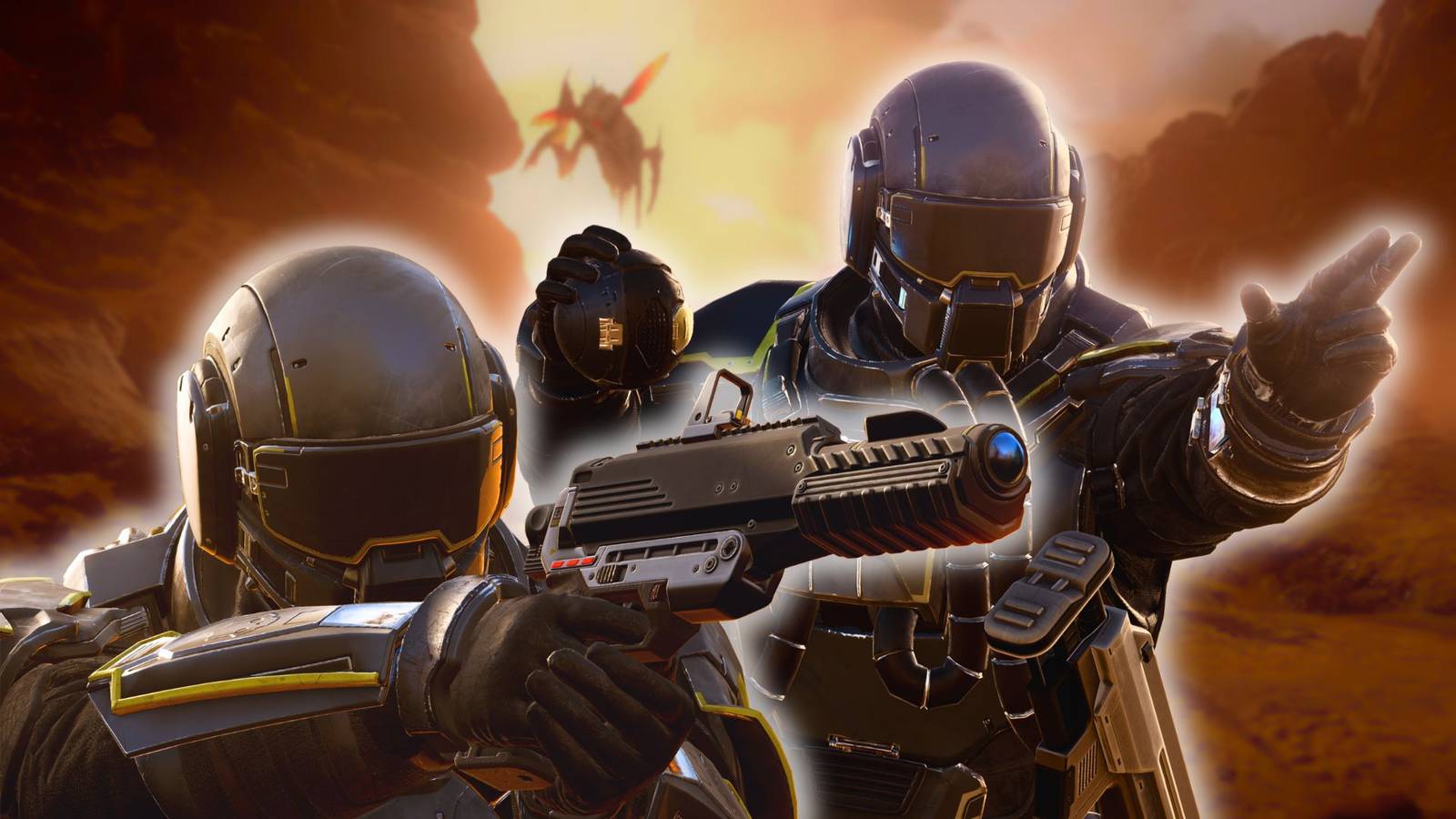
The live-service landscape is unforgiving, and for Arrowhead Game Studios, the path to stability has proven to be a minefield. On May 29, 2026, the studio released the Machinery of Oppression: 6.2.5 patch for the critically acclaimed Helldivers 2. Intended to be a landmark update—bolstered by the technical prowess of Nixxes Software, a studio renowned for their masterful PC ports of titles like Death Stranding 2 and Horizon Forbidden West—the patch was supposed to solve the game’s persistent performance bottlenecks. Instead, it has triggered a firestorm of community backlash, leaving players grappling with a new suite of technical bugs that have rendered the game’s much-anticipated upscaling features largely dysfunctional.
The Promise of Optimization: A High-Profile Partnership
For months, the Helldivers 2 community has been vocal about the need for better optimization. As the game’s galactic conflict expanded, so too did the technical demands on PC hardware. Recognizing the need for specialized expertise, Arrowhead Game Studios turned to Nixxes Software. The partnership was announced with great fanfare, signaling a commitment to bringing the game’s PC performance in line with industry standards.
The Machinery of Oppression patch was marketed as the solution. Arrowhead’s official patch notes promised a suite of improvements: advanced resolution options, refined latency-reduction features, and, most importantly, the integration of cutting-edge upscaling support, including the latest iterations of DLSS. In a statement released alongside the update, the studio noted, "Together with our friends at Nixxes Software, we’ve deployed an update with improvements for PC. From upscaling technologies and latency-reduction features to various optimizations and stability fixes, this patch is built to help you stay on target when the battlefield gets chaotic."
A Chronology of the 6.2.5 Breakdown
The deployment of the patch began on the afternoon of May 29, 2026. Almost immediately upon the update hitting Steam, the sentiment in the Helldivers subreddits and Steam discussion forums shifted from anticipation to frustration.
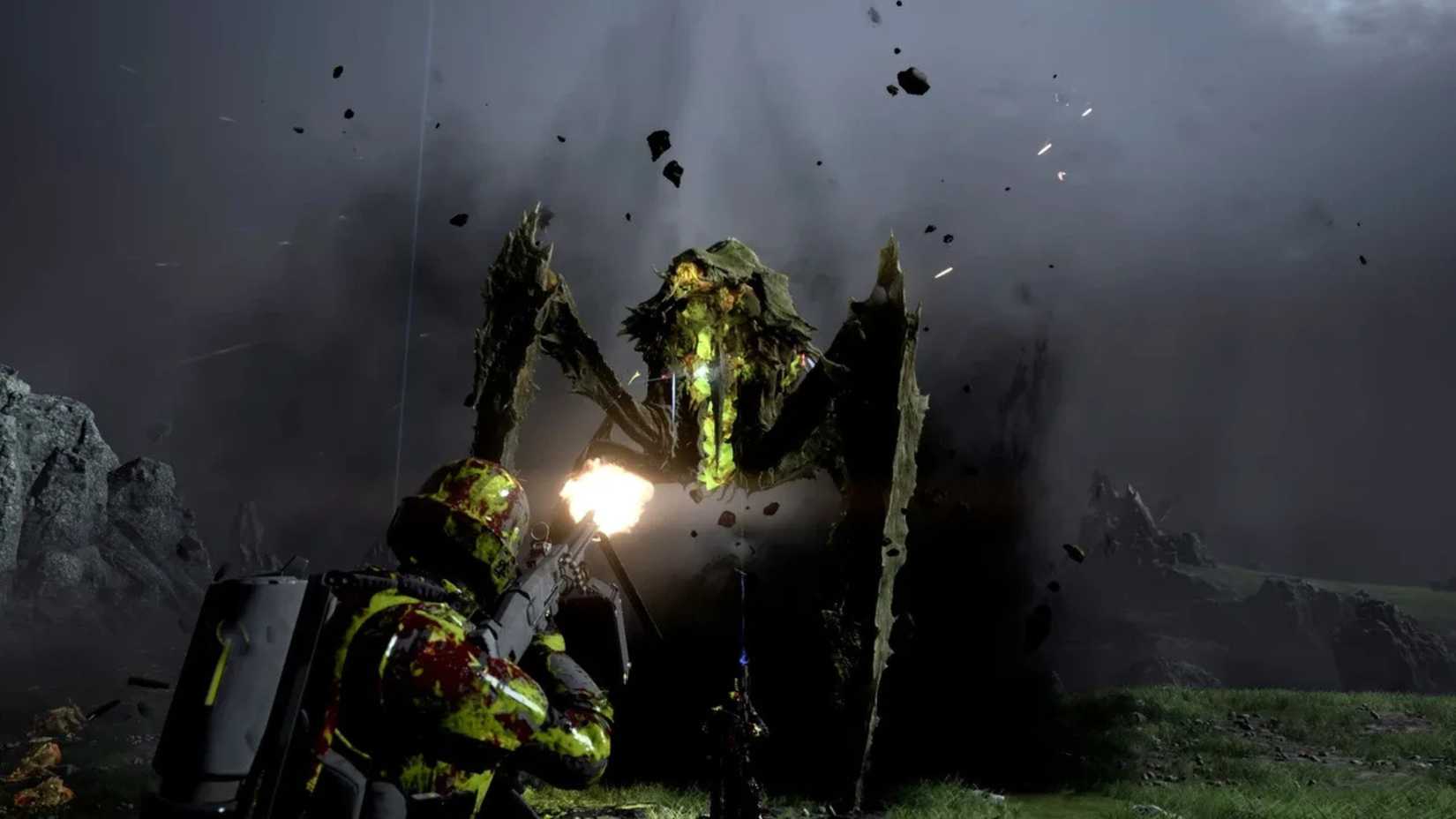
By the evening of release, the initial reports of success were drowned out by a wave of technical complaints. Players began documenting a bizarre phenomenon: while the UI and the character models seemed to benefit from the new upscaling tech, the surrounding game world remained trapped in a low-resolution state, creating a jarring, "blurry" aesthetic. This visual degradation was compounded by reports of increased instability. What was meant to be an optimization patch had, for a significant portion of the player base, introduced a new set of crashes that had not existed prior to the update.
The escalation was rapid. Within hours, the game’s user reviews on Steam saw a significant downturn, as players who were previously content with the game’s state found themselves unable to play effectively due to the visual anomalies and performance dips.

Technical Analysis: What Went Wrong?
The core of the issue lies in the implementation of the upscaling pipeline. As community members and tech-savvy users began dissecting the patch, a consensus emerged: the integration of DLSS and FSR appears to be misconfigured.
Reddit user kizuati, who became a focal point for the community’s discovery, shared side-by-side screenshots demonstrating the disparity. The evidence suggested that the upscaling algorithm was not applying the reconstruction filter to the entire render buffer. "It looks like the actual Helldiver model gets upscaled correctly, while the rest of the world doesn’t," kizuati noted. This partial rendering leads to a disorienting effect where the foreground remains sharp, but the background—and vital tactical information like distant enemies—becomes a pixelated mess.
Furthermore, the "latency-reduction" features, which were intended to tighten controls during high-intensity combat, have inadvertently caused frame-pacing issues for many users. The combination of visual artifacts and stuttering performance has led many to conclude that the patch was either pushed through without adequate QA testing or that the implementation by Nixxes was incompatible with the specific build of the Bitsquid engine used by Helldivers 2.
The Ripple Effect: Community Frustration and Review Bombing
The backlash to the 6.2.5 patch is not an isolated incident; it is a symptom of a growing friction between the developers and their dedicated player base. Helldivers 2 has long been praised for its emergent gameplay and the sheer joy of its co-op experience. However, the recurring theme of "patches that break more than they fix" has begun to wear thin.
Many players have taken to social media to voice their disappointment, feeling that the game is trapped in a cycle of instability. One particularly frustrated user wrote on Reddit, "I swear I’m not part of the always mad at AH group, and I’m sorry, I really am, but did we seriously get ANOTHER untested patch that created a new batch of issues once again with the upscalers?"
This sentiment has manifested in the "Mostly Negative" rating on Steam, a stark departure from the positive reception the game enjoyed during its launch period. For a game that relies heavily on its active community to drive its "Galactic War" meta-narrative, this loss of goodwill is a significant concern for the game’s long-term health.
Official Silence and the Road Ahead
As of the current writing, Arrowhead Game Studios has yet to issue a formal apology or a roadmap for a hotfix. This silence is often interpreted by the community as a lack of transparency, further fueling the fires of frustration. Given the studio’s recent commitment to a "two-week patch cycle" for regular fixes, players are hopeful—though increasingly skeptical—that a resolution will arrive shortly.
The industry at large is watching closely. The failure of such a high-profile collaboration to deliver on its primary technical goals raises questions about the complexity of modern game engine architecture and the difficulties of integrating external middleware into established projects. Whether this is a simple configuration error that can be solved with a small patch or a deeper architectural issue that requires a more extensive rework remains to be seen.
Implications for the Live-Service Model
The Helldivers 2 saga highlights a critical vulnerability in the live-service model: the reliance on continuous updates as the primary mechanism for player engagement. When an update fails, it doesn’t just annoy the player; it actively disrupts the service that the player has paid for.

- Technical Debt: The incident underscores the dangers of technical debt. When a studio continues to add layers to a foundational engine, eventually, the cracks become impossible to ignore.
- The "QA Gap": The community’s reaction suggests that the testing phase for these patches is perceived as insufficient. For future updates, Arrowhead may need to consider a public test server (PTS) or a more robust beta-testing program to ensure that features as complex as DLSS and FSR are properly vetted before a general rollout.
- Communication Strategy: In the digital age, speed of communication is as important as the quality of the fix. When issues arise, an immediate acknowledgment from the development team can go a long way toward mitigating the "mostly negative" sentiment that currently plagues the game’s Steam page.
Conclusion: The Battle for Stability
Helldivers 2 remains one of the most compelling co-op shooters on the market. Its premise—a satirical, high-stakes galactic conflict—is unique, and the gameplay loop is inherently rewarding. However, the game is currently its own worst enemy. The Machinery of Oppression update was meant to be the start of a new, stable era for the title. Instead, it has served as a sobering reminder of the volatility inherent in modern game development.
For the developers at Arrowhead, the mission is clear: they must address the upscaling issues, resolve the new performance crashes, and regain the trust of their community. Until they do, the Helldivers will continue to fight not just the bugs on the battlefield, but the ones in the code as well. The question now is whether the studio can pivot quickly enough to stop the bleeding, or if this patch will remain a cautionary tale in the annals of live-service development. As the community waits for the next move, the hope remains that the "galactic offense" will eventually get the technical foundation it deserves.


 Nana Wu
 Dwi Wanna