Lina Hope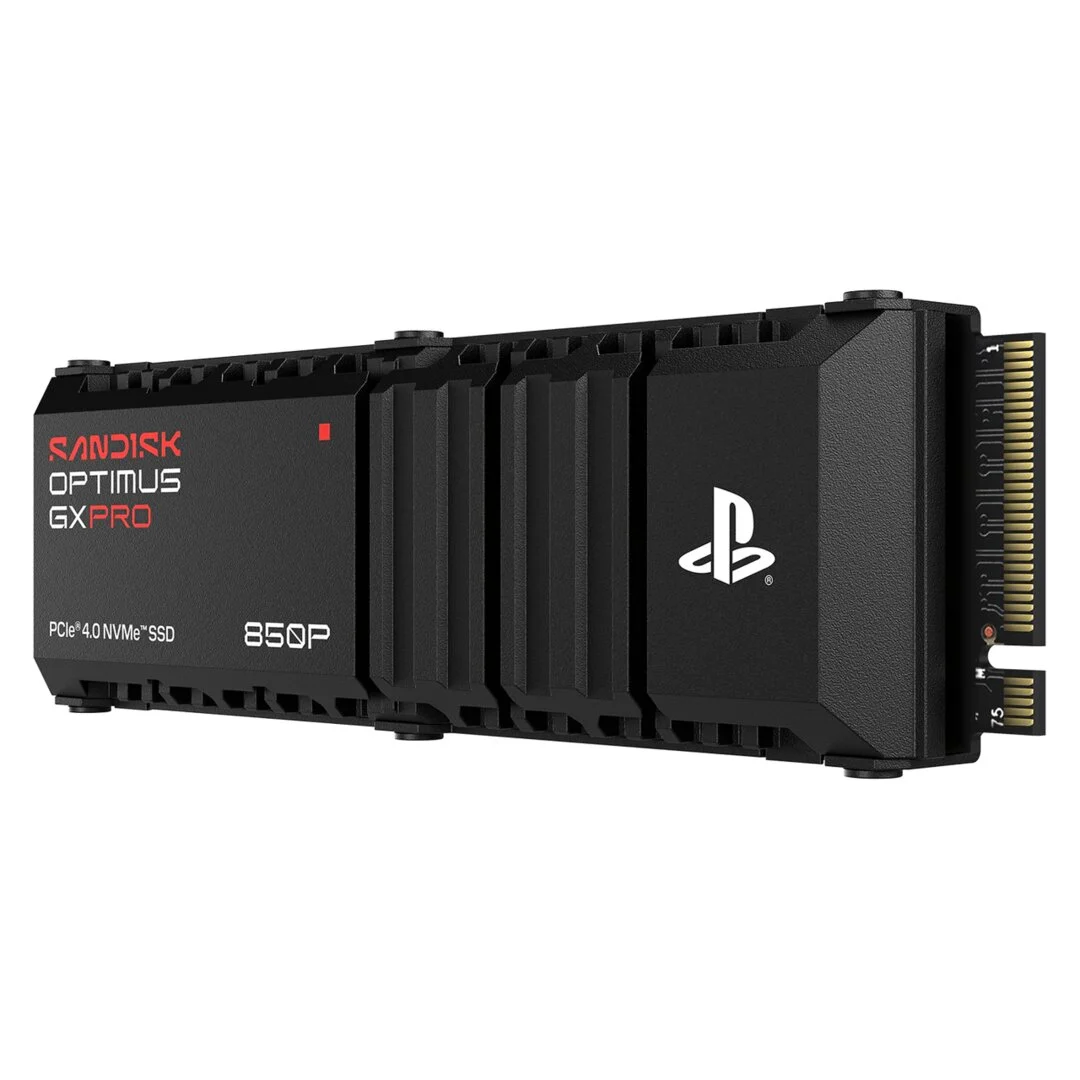
In the fast-evolving landscape of high-performance storage, brand identity and consumer trust are paramount. However, a recent development involving SanDisk—now operating independently following its separation from Western Digital—has raised significant eyebrows among tech enthusiasts and console gamers alike. The company has introduced the "Optimus GX PRO 850P," a high-capacity SSD marketed for the PlayStation 5. Yet, beneath the fresh nomenclature and a redesigned heatsink lies the exact architecture of the previously established WD_Black SN850P. With a staggering price tag of over €3,000 for the 8 TB variant, the industry is left questioning the logic behind this strategic pivot.
Main Facts: What Is the Optimus GX PRO 850P?
The core of the issue is simple: technical identity versus marketing identity. The SanDisk Optimus GX PRO 850P is, at its fundamental level, a re-badged WD_Black SN850P. For the average consumer, this means the drive utilizes the same PCIe 4.0 interface, the same controller technology, and the same NAND flash memory configurations that powered its predecessor.
The primary differentiator—and the point of contention—is the aesthetic overhaul. SanDisk has implemented a modified heatsink design to align with their new "Optimus" branding. While this physical change might offer marginal differences in thermal dissipation, it does not translate into improved read/write speeds, IOPS performance, or endurance ratings compared to the original WD_Black model. The most jarring aspect of this release is the price. While the market has seen the cost of high-capacity NVMe storage fluctuate and generally trend downward, the Optimus GX PRO 850P arrives with a premium that far exceeds market standards for hardware of this technical generation.
A Chronological Perspective: The Separation and Rebranding
To understand why this product exists, one must look at the recent history of Western Digital and SanDisk.

2024–2025: The Split
For years, SanDisk operated as a subsidiary under the Western Digital umbrella. During this era, the "WD_Black" brand became synonymous with high-end gaming storage, particularly the SN850X and SN850P series, which achieved widespread recognition as the go-to drives for PlayStation 5 expansion. In 2025, Western Digital announced the formal separation of the two entities, allowing SanDisk to reclaim its autonomy as a standalone brand.
Early 2026: The Strategic Overhaul
At the start of 2026, SanDisk announced a comprehensive restructuring of its product lines. The directive was clear: phase out the "WD_Black" and "WD_Blue" naming conventions to pave the way for the new "Optimus" brand identity. This was not merely a change in logo; it was a wholesale attempt to capture market share under a new, unified banner. The SN850P was selected as one of the first candidates for this transition, resulting in its reincarnation as the Optimus GX PRO 850P.
Technical Analysis: Old Wine in New Bottles
Technologically, the drive remains a relic of the mid-2020s high-end storage segment. The PCIe 4.0 standard, while still perfectly adequate for the PlayStation 5’s requirements, is no longer at the bleeding edge of consumer storage, which has begun to transition toward PCIe 5.0 for high-end PC workstations.
Performance Parity
Benchmarks confirm that the read and write performance metrics of the Optimus GX PRO 850P are identical to the WD_Black SN850X and SN850P. The 8 TB capacity is a significant feature, certainly, but the performance ceiling for this drive was established years ago. There is no "PRO" feature set in the silicon that differentiates it from the cheaper, older alternatives still sitting on retail shelves.

The Heatsink Debate
The heatsink redesign is the only physical engineering change. In the competitive landscape of NVMe cooling, minor adjustments to thermal fins or casing materials are common, but they rarely justify a price premium of several hundred percent. The new design is sleek and matches the SanDisk design language, but it provides no functional advantage for the thermal throttling profile of the PlayStation 5, which is already well-managed by the original SN850P heatsink.
Market Implications: Why the Price Gap?
The most confusing aspect of this product launch is the pricing strategy. As of mid-June 2026, the Optimus GX PRO 850P is listed at a price point that defies market logic. In many retail instances, the price has been observed exceeding €3,000 for the 8 TB model.
Retail Comparison
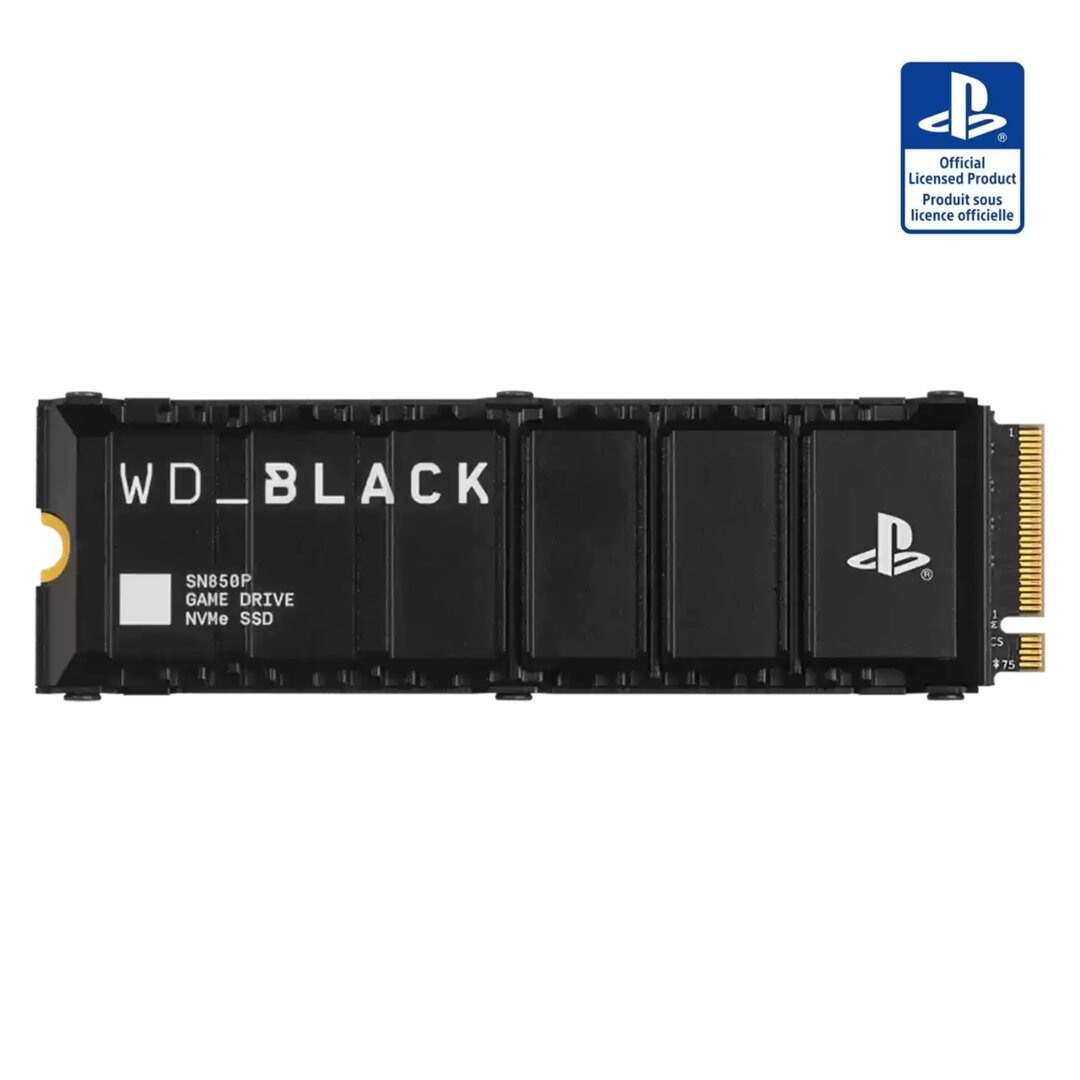
In stark contrast, the original WD_Black SN850P—which offers the exact same performance and an official Sony PlayStation license—can be found in the open market for well under €1,000. This creates a "dual-tier" market where the consumer is effectively paying a 300% premium for a brand label change and a cosmetic redesign.
The Licensing Factor
A crucial point for gamers is the lack of official PlayStation licensing on the new SanDisk-branded units. The WD_Black SN850P was marketed specifically as a "PS5 Licensed" product, ensuring seamless compatibility and, for many, the peace of mind that comes with official Sony certification. The Optimus GX PRO 850P lacks this explicit branding. Consequently, gamers are being asked to pay significantly more for a drive that is technically inferior in terms of certification status compared to the original version.
The Broader Context: Corporate Strategy and Consumer Trust
The decision to push the Optimus GX PRO 850P into the market at such an exorbitant price suggests a few potential corporate strategies:
- Brand Re-introduction: SanDisk may be testing the elasticity of its brand name, gauging how many loyal customers will buy a product based on the name alone without comparing it to previous-generation hardware.
- Inventory Management: It is possible that the company is attempting to push existing stock through a new marketing funnel, using the "newness" of the Optimus brand to mask older manufacturing batches.
- A "Placeholder" Strategy: This could be an error in the pricing database or an attempt to maintain a high "MSRP" for discount-heavy retail environments, though such a massive disparity is rarely seen in professional storage hardware.
Recommendations for Consumers
For those in the market for high-capacity storage for their PlayStation 5, the path forward is clear:
- Prioritize the WD_Black SN850X or SN850P: These drives remain among the best in the business. Because they are now considered "legacy" products under the new SanDisk restructuring, they are often available at deep discounts in the open market.
- Avoid the "Optimus" Premium: Unless there is a specific, niche requirement for the new heatsink design, there is no technical justification for paying the current asking price for the GX PRO 850P.
- Check Compatibility: Always verify that any drive purchased meets Sony’s requirements for read speeds (minimum 5,500 MB/s). Both the WD_Black SN850X and the re-badged Optimus drives meet these criteria, but the value proposition lies entirely with the older, discounted models.
Conclusion
The launch of the SanDisk Optimus GX PRO 850P serves as a cautionary tale in the age of corporate restructuring. While branding is an essential component of modern business, it cannot—and should not—replace value. By attempting to sell essentially the same technology under a new name with a massive price hike, the manufacturer risks alienating the very enthusiast community that made the SN850 series a success.
As we look toward the future of storage, it is clear that while names may change and marketing departments may pivot, the laws of value and performance remain constant. Consumers are more informed than ever, and in the case of the Optimus GX PRO 850P, the "new" product is a transparent reminder that before buying, one should always look beneath the surface.

 Nana Muazin
 Sagoh
Sagoh