

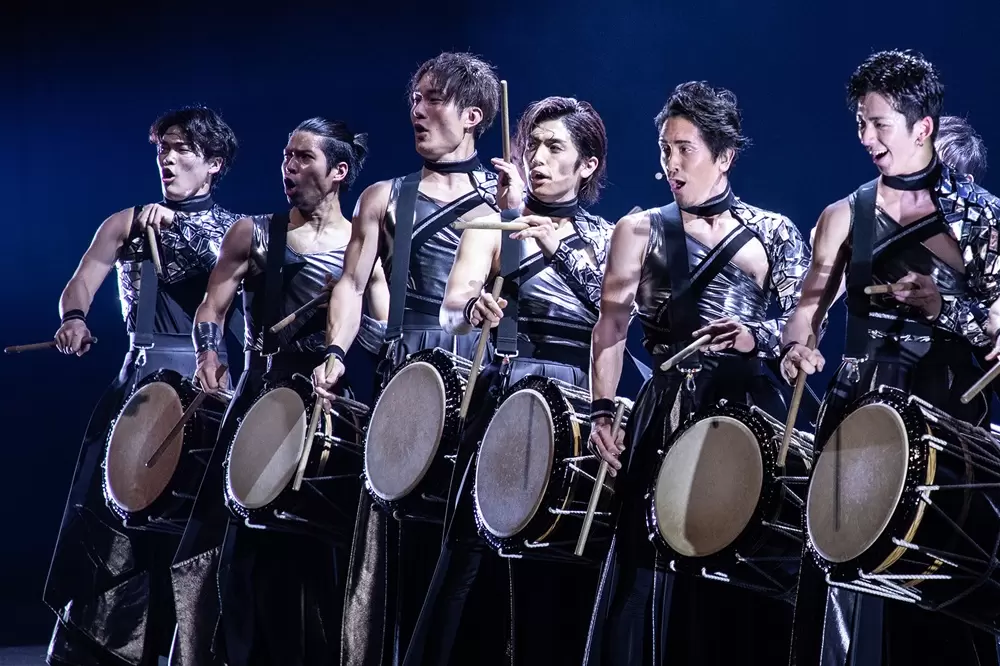
While Japan’s bustling cityscapes, neon-lit districts, and world-class culinary scene often dominate travel itineraries, a profound layer of the nation’s identity remains hidden in plain sight. For the discerning traveler, the true soul of Japan is found in the rhythmic thunder of taiko drums, the intricate silence of Noh, and the dramatic flair of Kabuki. Far from being stagnant relics, Japan’s traditional performing arts are currently undergoing a renaissance, blending centuries-old techniques with modern accessibility to captivate global audiences.
The Evolution of Tradition: A Chronology of Artistic Mastery
To understand the cultural weight of these performances, one must look at their historical trajectories. Japanese traditional arts were never intended to be museum pieces; they were dynamic responses to the eras in which they were born.
- 14th Century (Noh and Kyogen): Noh emerged as a refined, spiritual form of theater, heavily influenced by Zen Buddhism. Its minimalist aesthetic—focusing on "the art of stillness"—contrasts sharply with Kyogen, which developed alongside it as a satirical, comedic relief meant to mirror the daily lives of the common people.
- 17th Century (The Rise of Kabuki): Originating in the Edo period, Kabuki exploded in popularity as the ultimate form of mass entertainment. Defined by its flamboyant kumadori makeup, elaborate stage machinery, and the iconic hanamichi (flower path) walkway, Kabuki brought high drama to the urban masses.
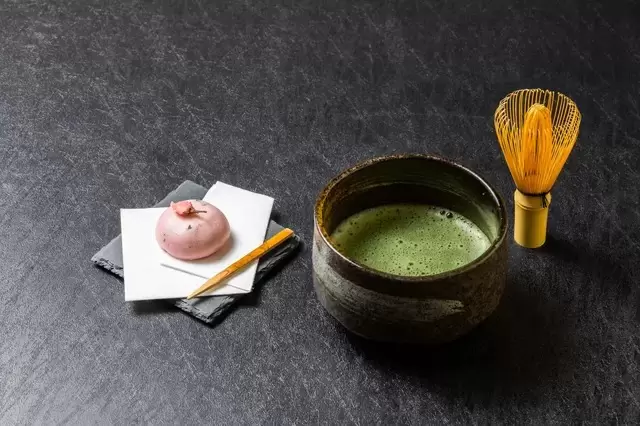
- The Tea Ceremony (Chado): While its roots trace back to the 9th century, the formalized tea ceremony as we know it today solidified in the 16th century. It transitioned from a ritual of the elite to a philosophy of mindfulness, emphasizing Ichigo Ichie—the idea that every meeting is a once-in-a-lifetime encounter.
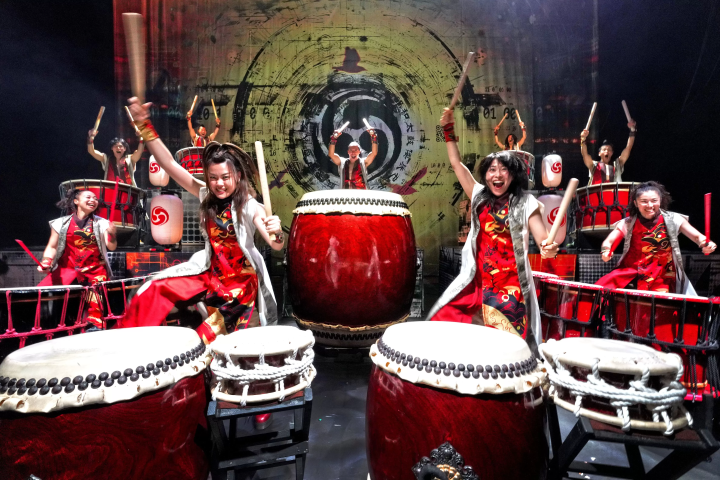
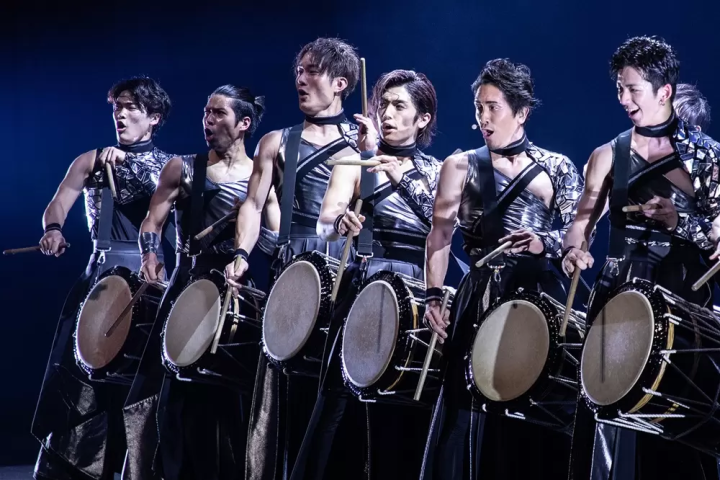
- Modern Era (The Taiko Renaissance): While taiko drums have been used in festivals and military contexts for over 400 years, the mid-20th century saw a shift. Groups like YAMATO and DRUM TAO transformed the instrument into a modern spectacle, combining athletic percussion with synchronized choreography that resonates globally.
The Pillars of Japanese Performance: What to Experience
Kabuki: The Pinnacle of Dramatic Spectacle
Kabuki is often perceived by outsiders as inaccessible due to its length and archaic language. However, modern theaters have shattered this barrier by introducing high-tech audio guides and English-language subtitles. At its heart, Kabuki is a human drama. Whether it is a tale of righteous vengeance or a poignant story of parental sacrifice, the themes are universal. The onnagata—male actors who master the art of portraying female characters—offer a level of stylistic elegance that is unique to the global theater canon.
Noh and Kyogen: The Art of Stillness and Movement
If Kabuki is the grand gesture, Noh is the whisper. Watching a Noh performer is an exercise in focus; the slightest tilt of a wooden mask can convey an entire spectrum of grief or joy. The contrast provided by Kyogen acts as the perfect palate cleanser, using physical comedy and expressive faces to ensure that even non-Japanese speakers can share in the humor.
The Taiko Explosion: Martial Arts Meets Rhythm
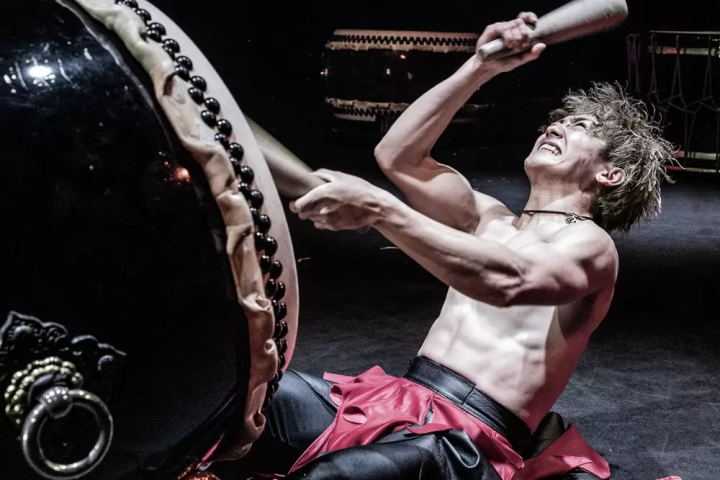
For those seeking high-energy entertainment, the modern taiko performance is essential. These are not merely drumming sessions; they are feats of physical endurance. The percussionists—often training like elite athletes—create a wall of sound that vibrates through the chest. Groups like YAMATO and DRUM TAO have mastered the art of non-verbal storytelling, ensuring that the rhythm serves as a universal language.
The Tea Ceremony: A Mindful Sanctuary
In the heart of the city, the tea room offers a rare opportunity to disconnect. It is a multisensory experience: the smell of matcha, the sound of water boiling in an iron kettle, and the visual beauty of seasonal wagashi (Japanese sweets). With many venues now offering English-guided sessions, this is perhaps the most accessible way for a visitor to engage with the "spirit of hospitality" (omotenashi).
Musical Instruments: The Traditional yet New
The auditory landscape of Japan is defined by three primary instruments:
- The Shamisen: A three-stringed instrument played with a heavy plectrum, producing a percussive, biting sound that is as energetic as it is rhythmic.
- The Koto: Often called the "Japanese harp," its 13 strings produce a resonant, elegant tone that defines traditional Japanese melody.
- The Shakuhachi: A bamboo flute that requires immense lung control. Its haunting, deep, and breathy tones are synonymous with the meditative nature of Japanese music.
Today, these instruments are being reinvented. Young musicians are blending the Shamisen with modern synthesizers or performing covers of popular anime theme songs, creating a "traditional yet new" genre that is gaining traction on social media and international stages.
Practical Guide: How to Secure Your Experience
A common misconception among travelers is that these performances are difficult to book. In reality, the digital transformation of Japanese tourism has made attending a performance as simple as booking a flight.
Tips for Beginners
- Pre-Performance Research: Don’t go in blind. Watching short clips on YouTube regarding the origins of the instrument or the plot of the play can significantly enhance your appreciation.
- Seek Out Guided Shows: Performances like the "ZAKURO SHOW" are specifically structured for international visitors, incorporating English commentary to bridge the cultural gap.
The Booking Process: Utilizing Modern Platforms
Platforms like Tickets in Japan have revolutionized the way foreigners interact with the local arts scene. The process is streamlined for international users:
- Categorization: Use the dedicated "Culture" filter on the portal to narrow down your search.
- Localization: Filter by your travel dates and specific cities (Tokyo, Kyoto, Osaka).
- Seamless Payment: The integration of international credit cards, Apple Pay, Google Pay, and PayPal removes the traditional headache of needing a Japanese bank account or local phone number.
- Digital Ticketing: Most performances now utilize QR-based digital tickets, eliminating the need to wait for physical mail or visit a box office.
Official Perspective: Support for the Global Traveler
According to industry spokespersons, the focus of Japanese cultural management has shifted toward "radical accessibility." The goal is to ensure that language is no longer a barrier to entry. Official ticketing portals now offer full support in English, Traditional Chinese, and Korean. Furthermore, most modern performance venues offer real-time chat support for ticket holders, ensuring that inquiries regarding seat selection, accessibility, or event details are resolved in the visitor’s native language.
Implications: The Future of Cultural Tourism
The integration of technology into traditional arts is not a dilution of culture; it is an act of preservation. By making these performances accessible to international travelers, Japan ensures that the next generation of practitioners has a sustainable audience and a global platform.
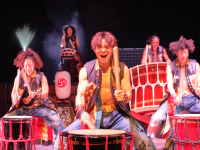
When you purchase a ticket to a performance, you are doing more than filling a seat; you are participating in a 400-year-old conversation. Whether you choose the intense, visceral power of a taiko performance or the delicate, meditative grace of a tea ceremony, you are taking a step beyond the tourist facade. You are witnessing a culture that, while deeply rooted in the past, is vibrantly, rhythmically, and unapologetically alive.
For your next trip to Japan, set aside an evening for the stage. It will likely be the most enduring memory of your journey.












No comments yet. Be the first to join the conversation!