Neng Nana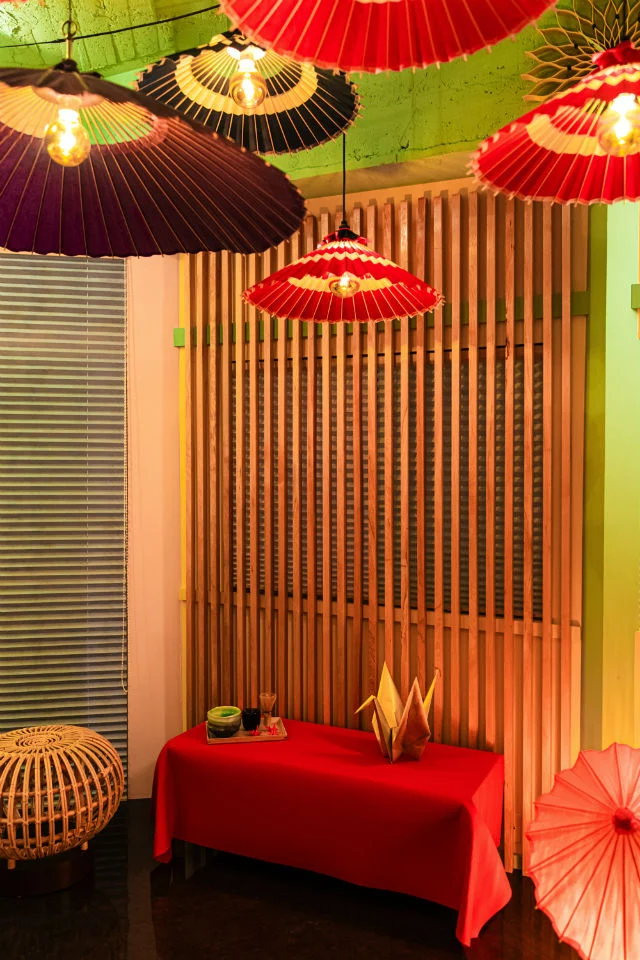
In the heart of Tokyo’s most electrifying district, where the sensory overload of neon signs, hyper-pop fashion, and endless crowds define the aesthetic, a quiet revolution in hospitality is taking place. The "MOSHI MOSHI ROOMS" project, an initiative spearheaded by Asobi System, has carved out a niche that serves as a bridge between the frenetic energy of modern Harajuku and the meditative, refined beauty of traditional Japan.
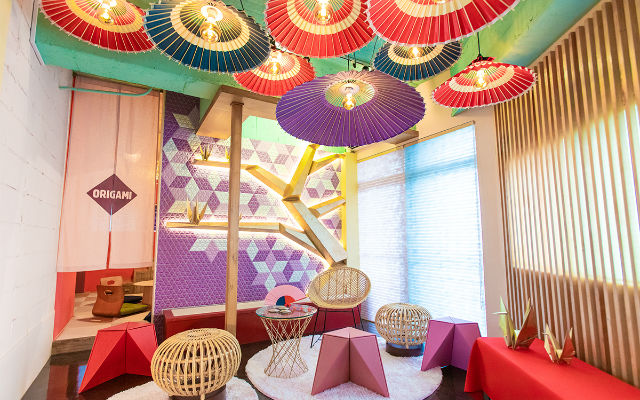
Their latest architectural marvel, the "ORIGAMI" room, is more than just a place to sleep; it is an immersive art installation. By synthesizing the ancient craft of paper-folding with the modern, whimsical "kawaii" (cute) culture that Harajuku is world-renowned for, Asobi System has created a lodging experience that challenges the conventional definition of an Airbnb.
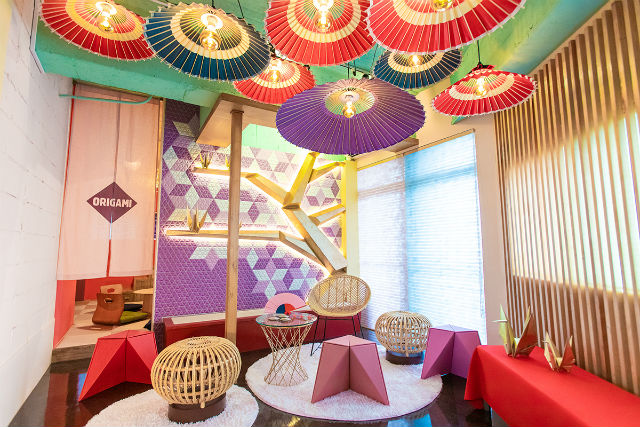
Main Facts: A Convergence of Tradition and Pop Culture
The MOSHI MOSHI ROOMS: ORIGAMI project is located at 2-18-7 Jingumae, Shibuya, Tokyo—a mere eight-minute walk from the Meiji-Jingumae (Harajuku) Station. The space is designed to accommodate up to six guests, making it an ideal choice for families or groups of friends who are looking to bypass the sterile atmosphere of international hotel chains in favor of a deeply localized experience.
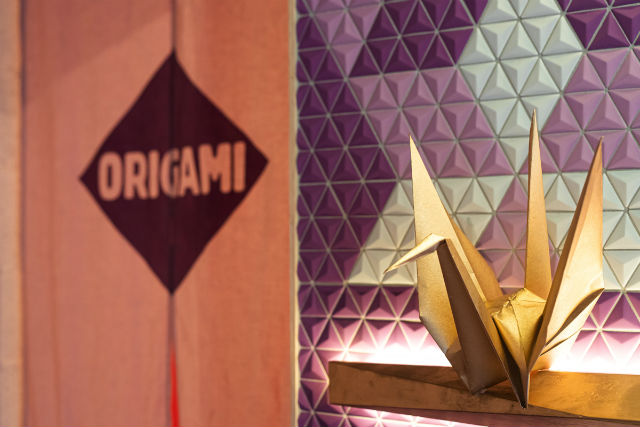
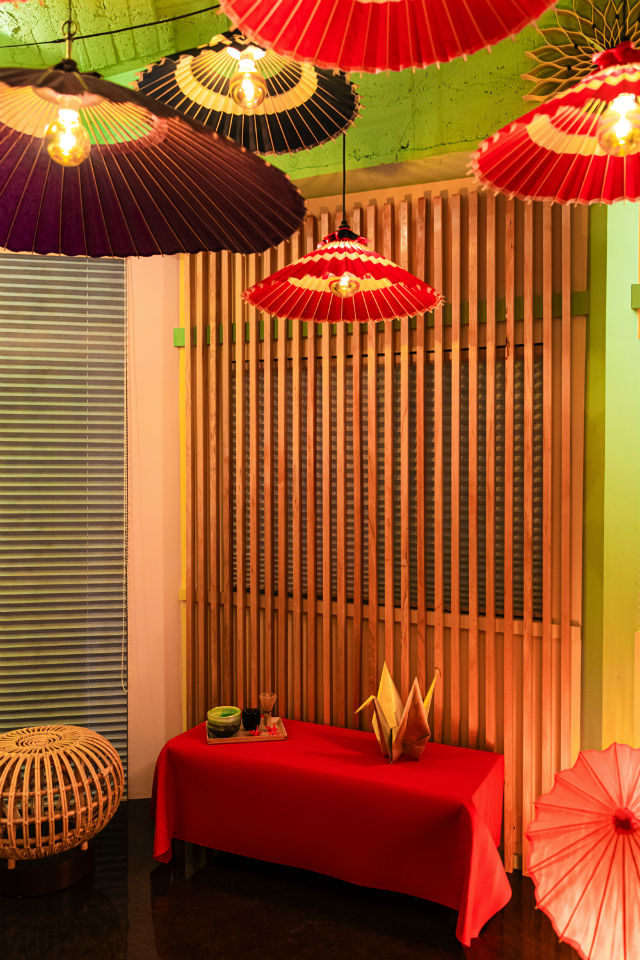
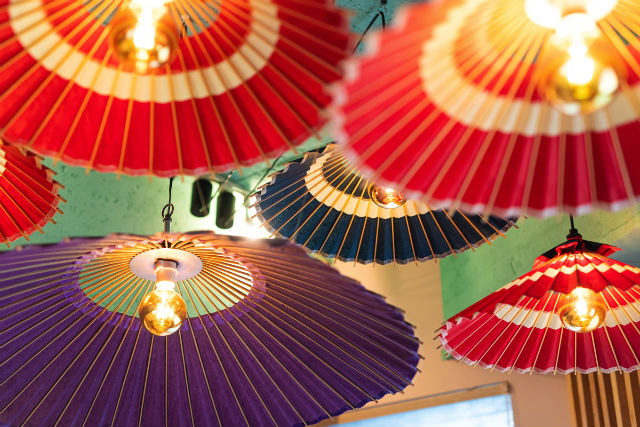
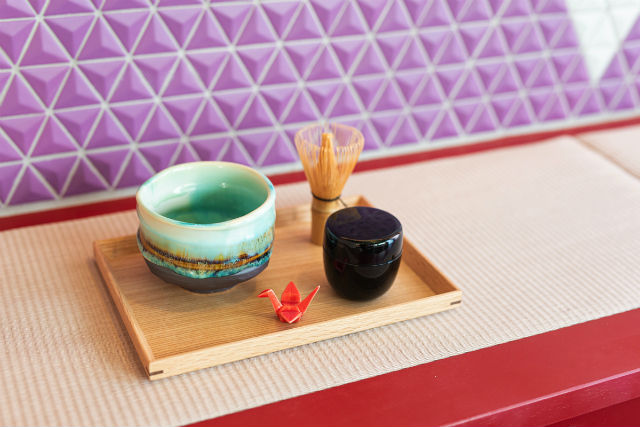
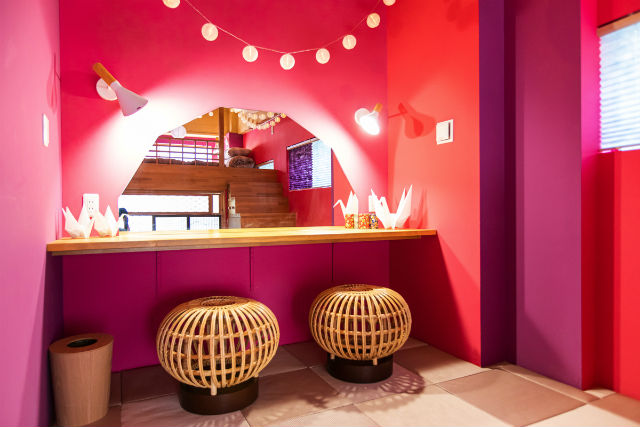
The room’s design philosophy is rooted in "cultural fusion." Upon entering, guests are greeted by an interior that mimics a contemporary tea house. Benches and stools, stylized with minimalist Japanese woodwork, sit beneath a ceiling adorned with traditional Japanese umbrellas (wagasa). Scattered throughout the space are intricate origami designs, ranging from classic cranes to decorative paper fans, creating an environment that feels both curated and playful.
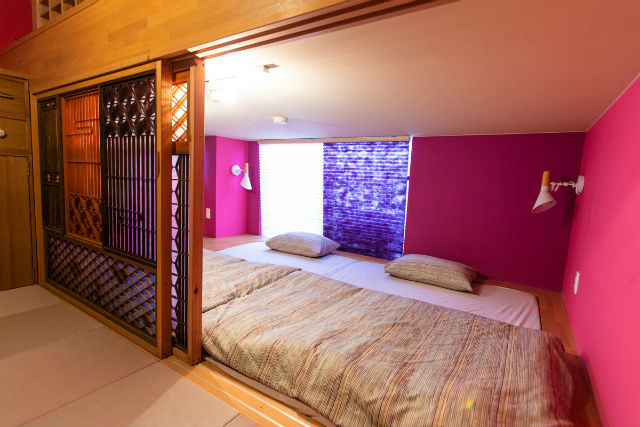
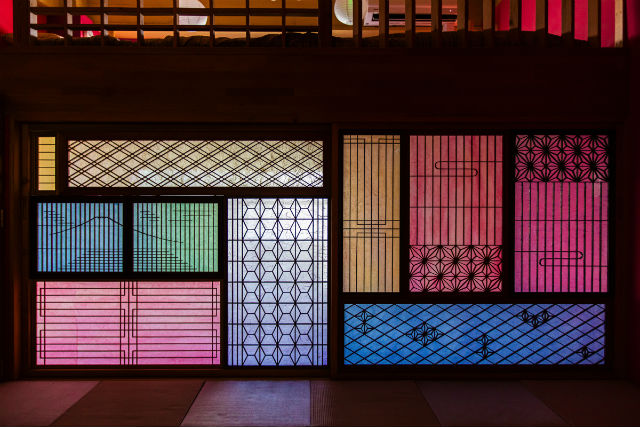
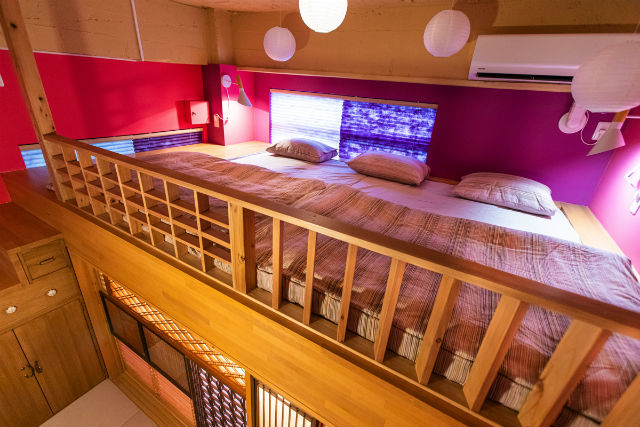
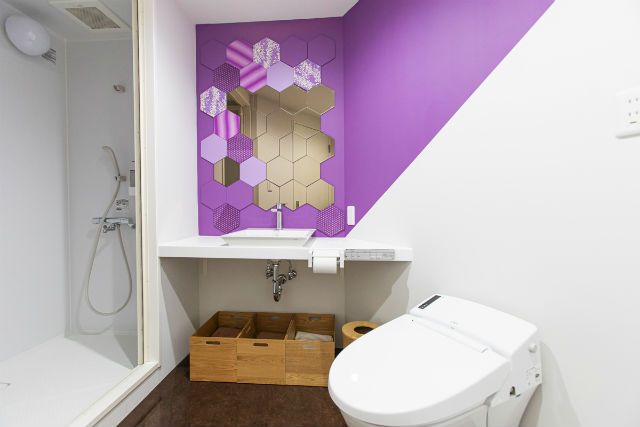
The bedroom offers a softer, more intimate aesthetic. Here, the focus shifts to the interplay of light and texture. Colorful sliding doors act as a canvas for the shifting sunlight throughout the day, while plush futons provide the comfort of a high-end ryokan (traditional inn). The experience extends into the utility spaces, with the shower and powder rooms carrying the origami motif into every corner of the dwelling.
Chronology: The Evolution of a Vision
The journey of the MOSHI MOSHI ROOMS project began with a singular goal: to export the "kawaii" spirit of Harajuku to a global audience. Asobi System, a company deeply embedded in the promotion of Japanese pop culture, recognized that travelers were increasingly seeking experiences that were "Instagrammable" yet culturally significant.
- The Inception: Asobi System launched the project to provide visitors with an aesthetic window into the Harajuku lifestyle. They envisioned rooms that functioned as physical expressions of the brand’s identity.
- The Sakura Success: The project’s first major breakthrough was the opening of a sakura-themed (cherry blossom) penthouse. This space became an instant viral success, drawing travelers who wanted to sleep within a permanent, pink-hued celebration of spring. The success of this room provided the capital and the confidence to expand the project.
- The Origami Expansion: Building on the momentum of the sakura penthouse, the team unveiled the "ORIGAMI" room. By shifting from a seasonal theme to a cultural craft theme, the organizers aimed to attract a broader demographic, appealing not just to fans of pop aesthetics, but also to those with an interest in traditional Japanese craftsmanship.
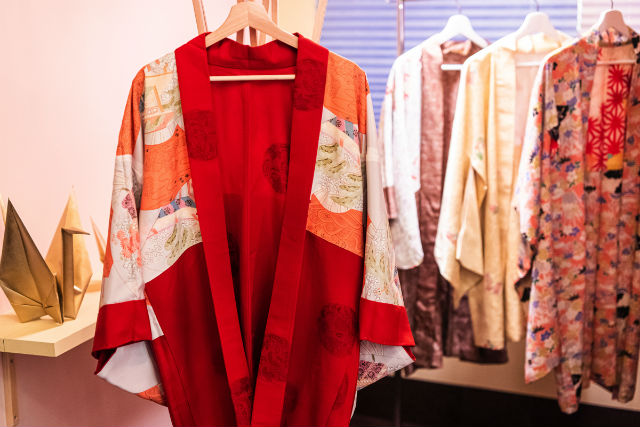
- Ongoing Refinement: Since the launch of the ORIGAMI room, the project has continued to optimize the guest experience, incorporating amenities like high-quality kimonos and a dedicated rooftop space, ensuring that the living experience matches the visual appeal of the interiors.
Supporting Data: The Logistics of the Harajuku Experience
While the visual impact of the room is undeniable, the logistical framework is equally important for potential travelers.
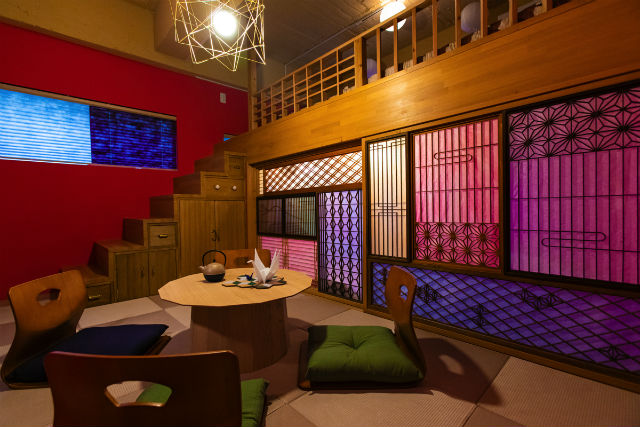
- Capacity: The room is built to comfortably house between 1 and 6 guests. This versatility allows for both intimate couple getaways and group excursions.
- Pricing Structure: At approximately ¥40,000 per night (plus service and handling charges), the price point is significantly higher than the average Airbnb listing in the Shibuya area. However, market analysis suggests that for the target demographic—international tourists seeking a "once-in-a-lifetime" stay—the premium is justified by the unique design and the location.
- Accessibility: The proximity to the Chiyoda and Fukutoshin lines provides guests with seamless connectivity to the rest of Tokyo, including the shopping hubs of Omotesando and the nightlife of Shibuya.
The inclusion of a rooftop terrace provides a distinct advantage in a city where open-air space is a luxury. Guests can retreat from the bustling streets of Jingumae to observe the neighborhood from above, providing a rare moment of tranquility in the middle of Tokyo’s most crowded fashion district.
Official Responses and Strategic Implications
Asobi System has framed the MOSHI MOSHI ROOMS not merely as a commercial venture, but as a "cultural embassy." In various press releases, the organization has emphasized that the goal is to make Japanese culture "accessible and adorable." By choosing origami—a craft synonymous with patience, precision, and history—as the focal point, they are effectively branding Harajuku as a place that respects its roots as much as it innovates.
The strategic implications of this project are twofold:
- Cultural Diplomacy through Tourism: By embedding traditional elements like tea house benches and tatami-adjacent aesthetics into a modern urban loft, Asobi System is challenging the misconception that Harajuku is exclusively about ephemeral trends. It suggests that Harajuku is a neighborhood of layers, where the old and new exist in a symbiotic relationship.
- The "Experience Economy": The hospitality industry is shifting away from basic accommodation toward "experience-based" lodging. Travelers today are more likely to book a room that promises a narrative. The MOSHI MOSHI ROOMS succeed because they provide a coherent, highly stylized narrative that is ready for digital consumption.
The Broader Impact: A New Standard for Urban Lodging
The success of the ORIGAMI room highlights a growing trend in global tourism: the rise of the "boutique concept room." Major hotels are struggling to keep pace with independent projects that offer highly specific, artistic environments. By occupying the space between a museum and a home, these rooms offer a level of engagement that a standard hotel room cannot match.
Why Origami?
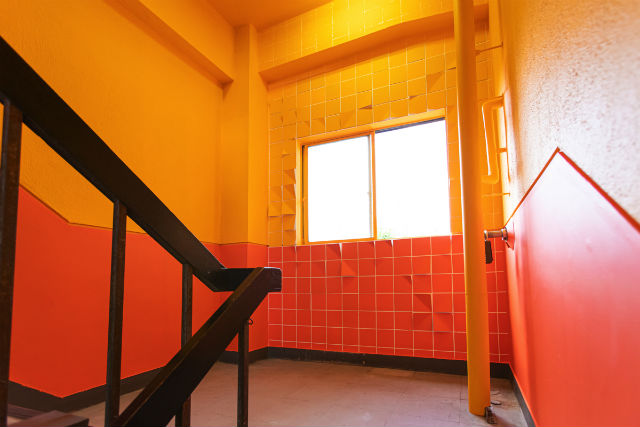
The choice of origami is particularly brilliant from a marketing standpoint. It is globally recognized, visually recognizable, and symbolizes the "folding" of different aspects of life—tradition and modernity, simplicity and complexity—into a single point. Every corner of the apartment, from the staircase to the shower, reflects this commitment to the theme. It creates a cohesive journey for the guest, ensuring that the "Harajuku experience" does not end when they leave the street, but continues into their private living space.
Challenges and Future Prospects
While the current pricing model is sustainable for the target audience, the challenge for Asobi System will be maintaining the novelty of these rooms in a fast-moving market. The "Instagram effect" is a double-edged sword; while it drives immediate bookings, it requires the spaces to be constantly refreshed to remain relevant.
However, given the company’s track record with the Sakura room and the seamless execution of the Origami design, it is likely that Asobi System will continue to evolve their portfolio. Whether they choose to explore other facets of Japanese culture—such as calligraphy, traditional theater, or even futuristic cyberpunk aesthetics—remains to be seen.
Conclusion: A Must-Visit for the Modern Traveler
For the traveler who finds themselves in Tokyo, the MOSHI MOSHI ROOMS represent a rare opportunity to live inside the very culture they came to explore. It is a bold experiment in design that bridges the gap between the historic artisan and the modern teenager.
If you are looking for a place to stay that is more than just a bed—if you are looking for a story to tell, a photo to frame, and a deeper understanding of how Tokyo balances its contradictions—the ORIGAMI room is an essential destination. As the boundaries between tourism and art continue to blur, projects like this serve as a roadmap for the future of travel: a world where we don’t just visit a city; we move into its culture.
For those interested in securing a stay, early booking is highly recommended, as the rooms’ popularity often keeps them occupied months in advance. You can find more information and booking details on the official Moshi Moshi Rooms website. Whether you are a fan of Japanese paper art, an admirer of Harajuku fashion, or simply someone who appreciates a beautifully designed space, this penthouse offers an experience that is, in every sense of the word, unique.



 Asro
Asro