Asep Darmawan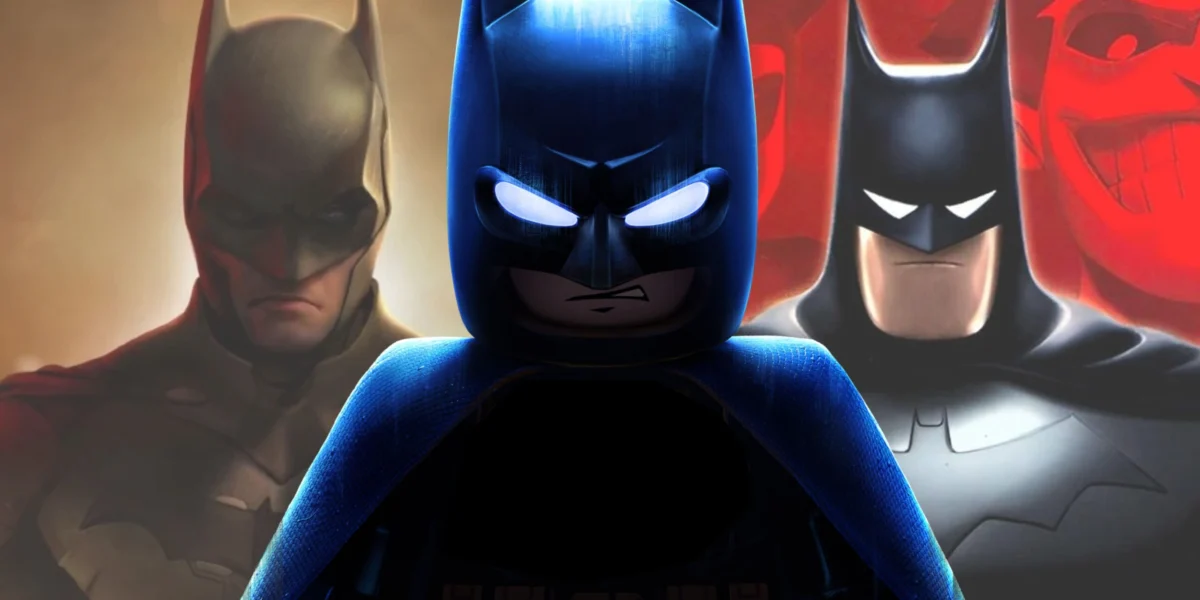
For nearly two decades, the video game industry has served as a sprawling, interactive canvas for the Dark Knight. As DC’s broader catalog of characters has struggled to maintain a consistent footing in the interactive space—often hampered by canceled projects or underwhelming critical receptions—Batman has stood as a monolithic outlier. With an 86-year mythology to draw from, the Caped Crusader has successfully transitioned from simple tie-in titles to industry-defining masterpieces.
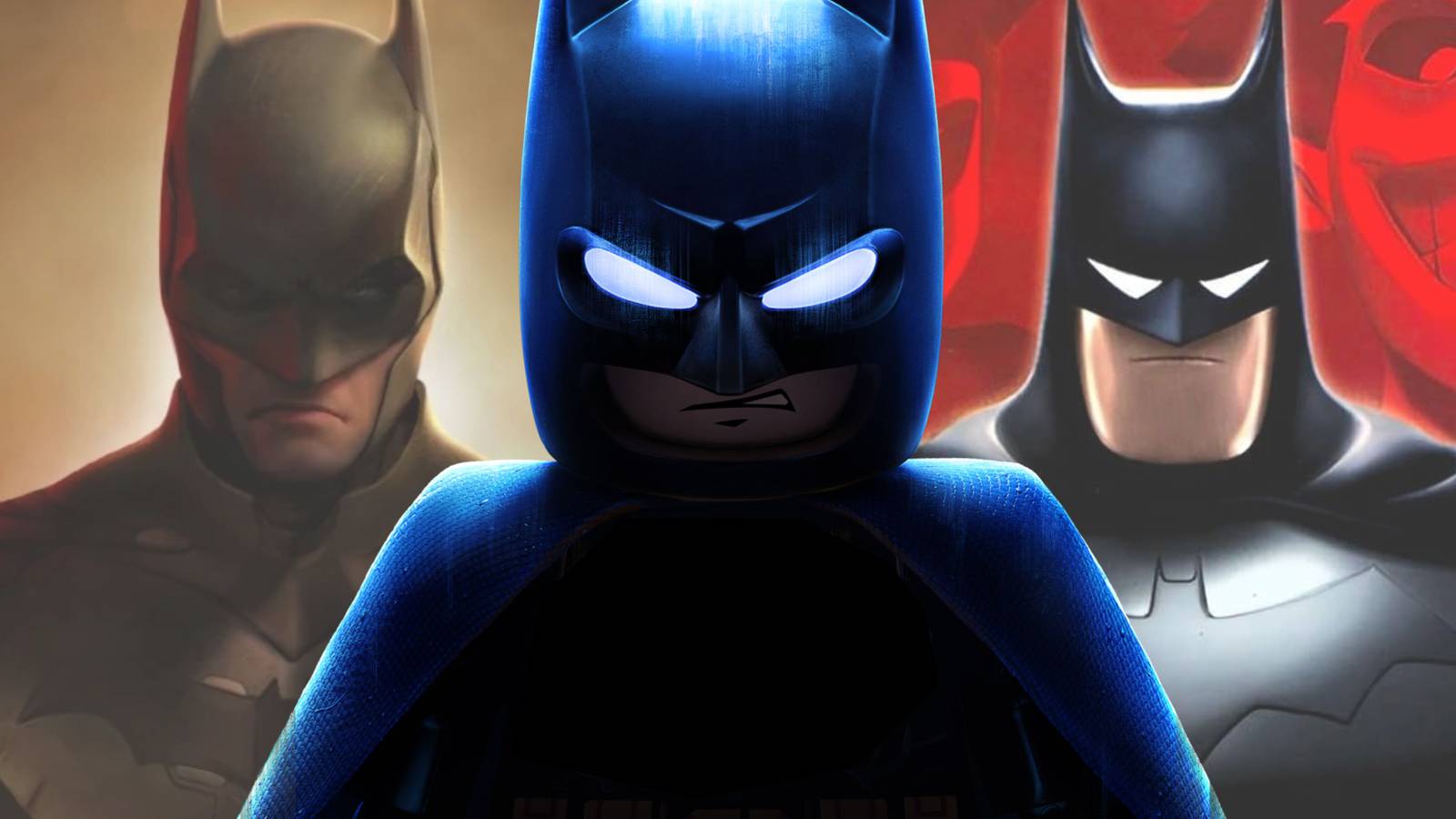
This dominance is not merely a result of Batman’s inherent popularity; it is a testament to the versatility of his mythos. From the tight, claustrophobic corridors of Arkham Asylum to the expansive, snow-dusted streets of Arkham City, Batman’s gaming history is a masterclass in how to translate comic book iconography into mechanical excellence.

A Chronology of Excellence: Mapping the Evolution of Batman Games
The history of Batman in gaming is a fascinating journey that mirrors the evolution of the medium itself. While early titles were often plagued by the "licensed game curse," the mid-2000s marked a pivotal shift in quality and ambition.
The Foundation: The Early 2000s
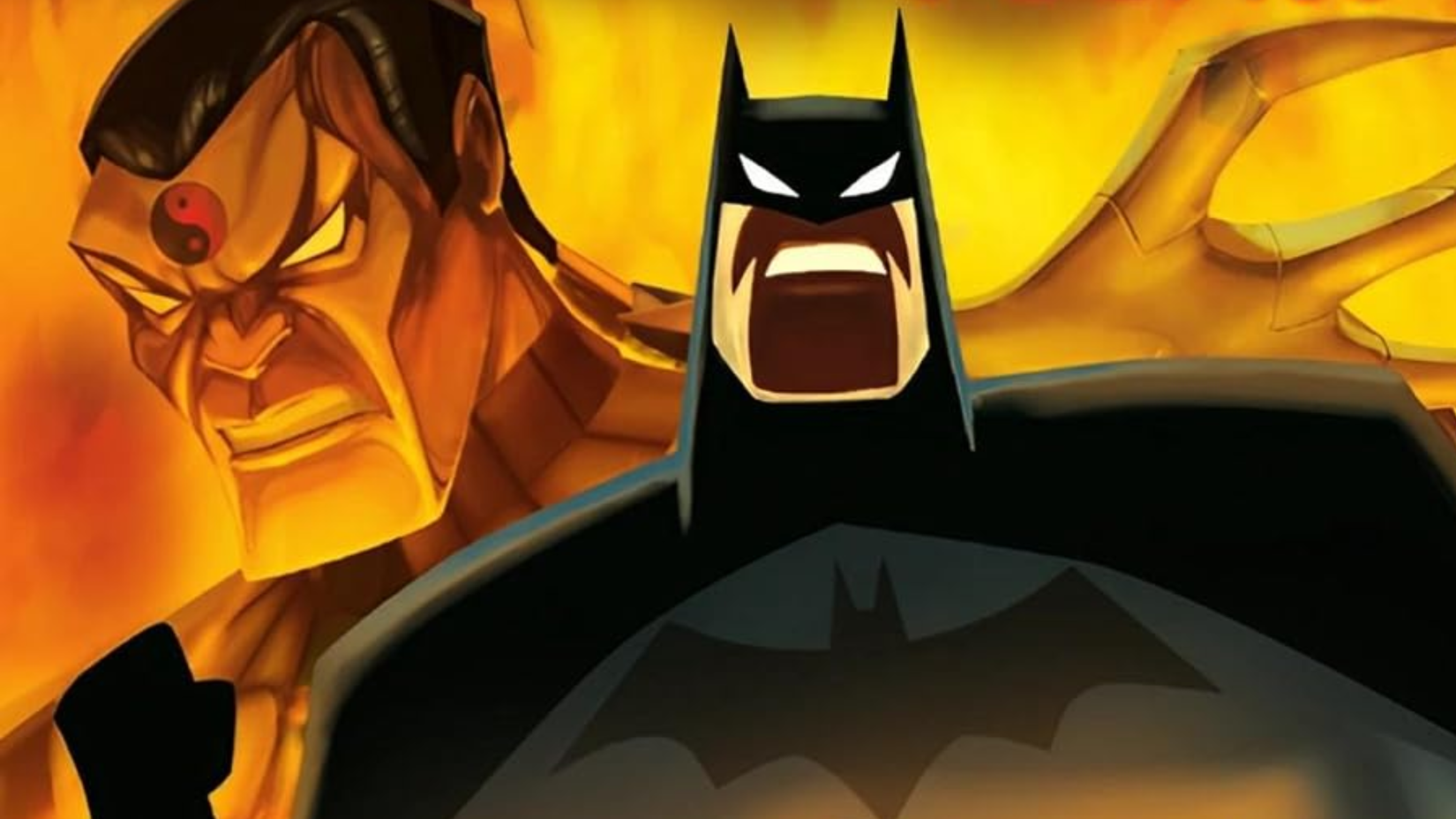
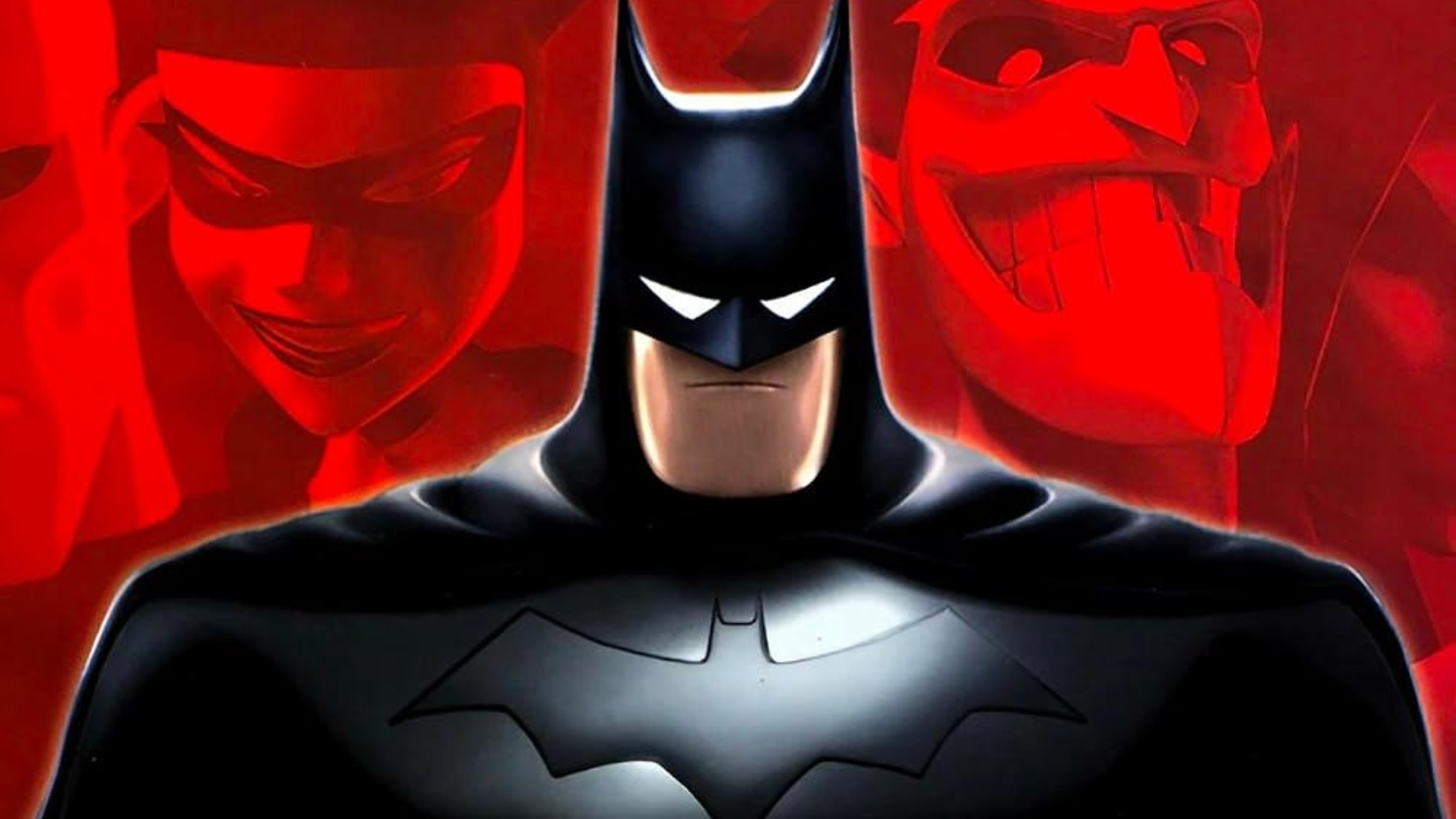
- Batman: Vengeance (2001): Immersed in the aesthetic of The New Batman Adventures, this title remains a standout for its somber atmosphere and a narrative that masterfully toyed with the player’s perceptions. Despite some mechanical friction—specifically with first-person gadgetry—it captured the essence of the animated series better than almost anything before it.
- Batman: Rise of Sin Tzu (2003): This title leaned into the beat-’em-up genre, offering a co-op experience that, while limited to two players, highlighted the strength of the Bat-Family. Its focus on environmental combat and skill-tree progression set a blueprint for future action titles.
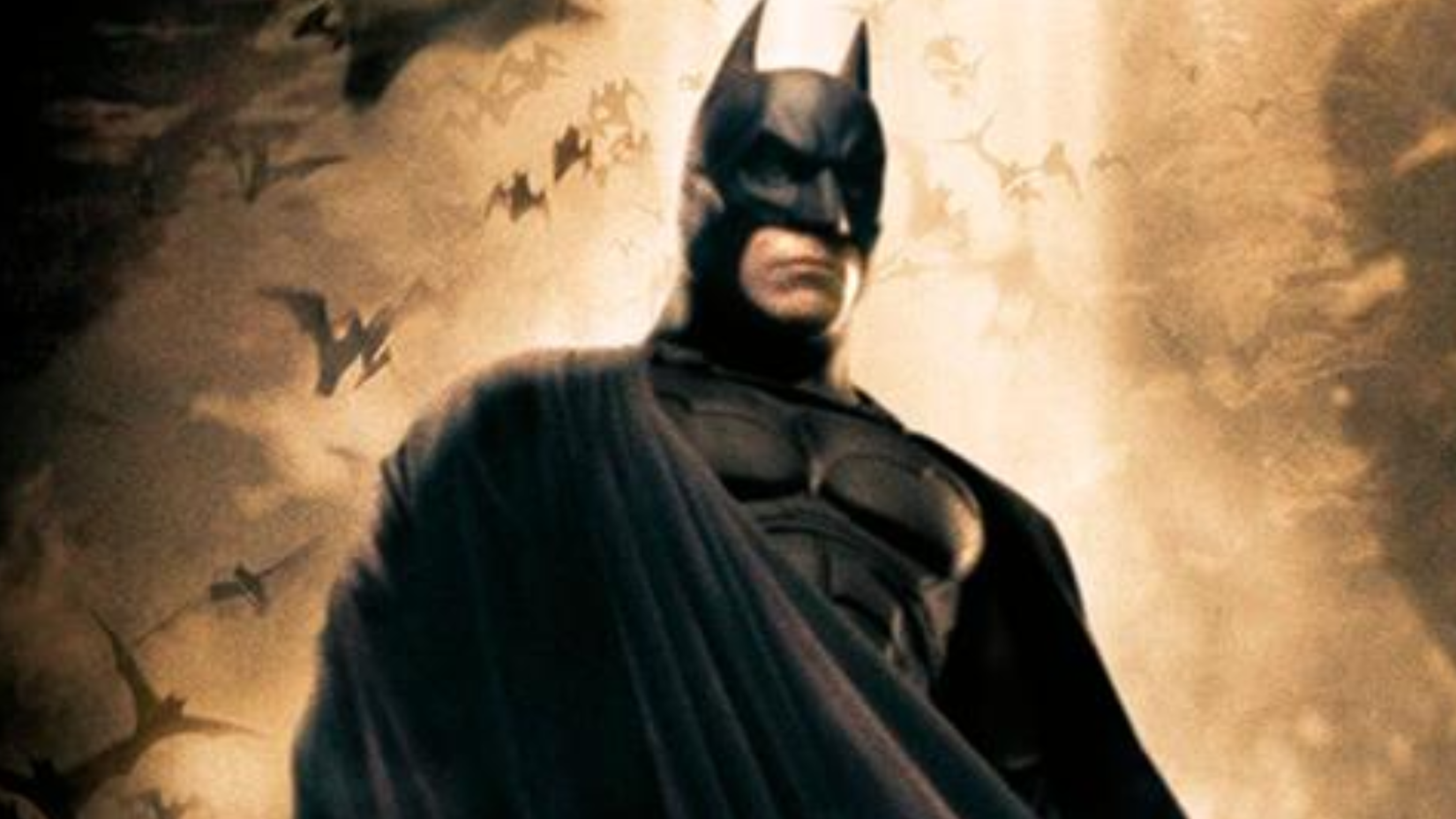
- Batman Begins (2005): Marking the end of the traditional "movie tie-in" era, this game was surprisingly ahead of its time. By inheriting the stealth-centric DNA of Splinter Cell and introducing a unique "Fear" mechanic, it proved that licensed games could possess deep, thoughtful gameplay loops.
The Arkham Era: Setting the Standard
- Batman: Arkham Asylum (2009): The game that changed everything. By isolating the action to Arkham Island, Rocksteady Studios created a "Metroidvania" experience that prioritized atmosphere, environmental storytelling, and a refined combat system that would eventually become the industry standard.
- Batman: Arkham City (2011): This title expanded the scope, turning a section of Gotham into an open-world playground. While it arguably lacked the singular, claustrophobic focus of its predecessor, it elevated boss fights—specifically those against Mr. Freeze and Ra’s al Ghul—to an art form.
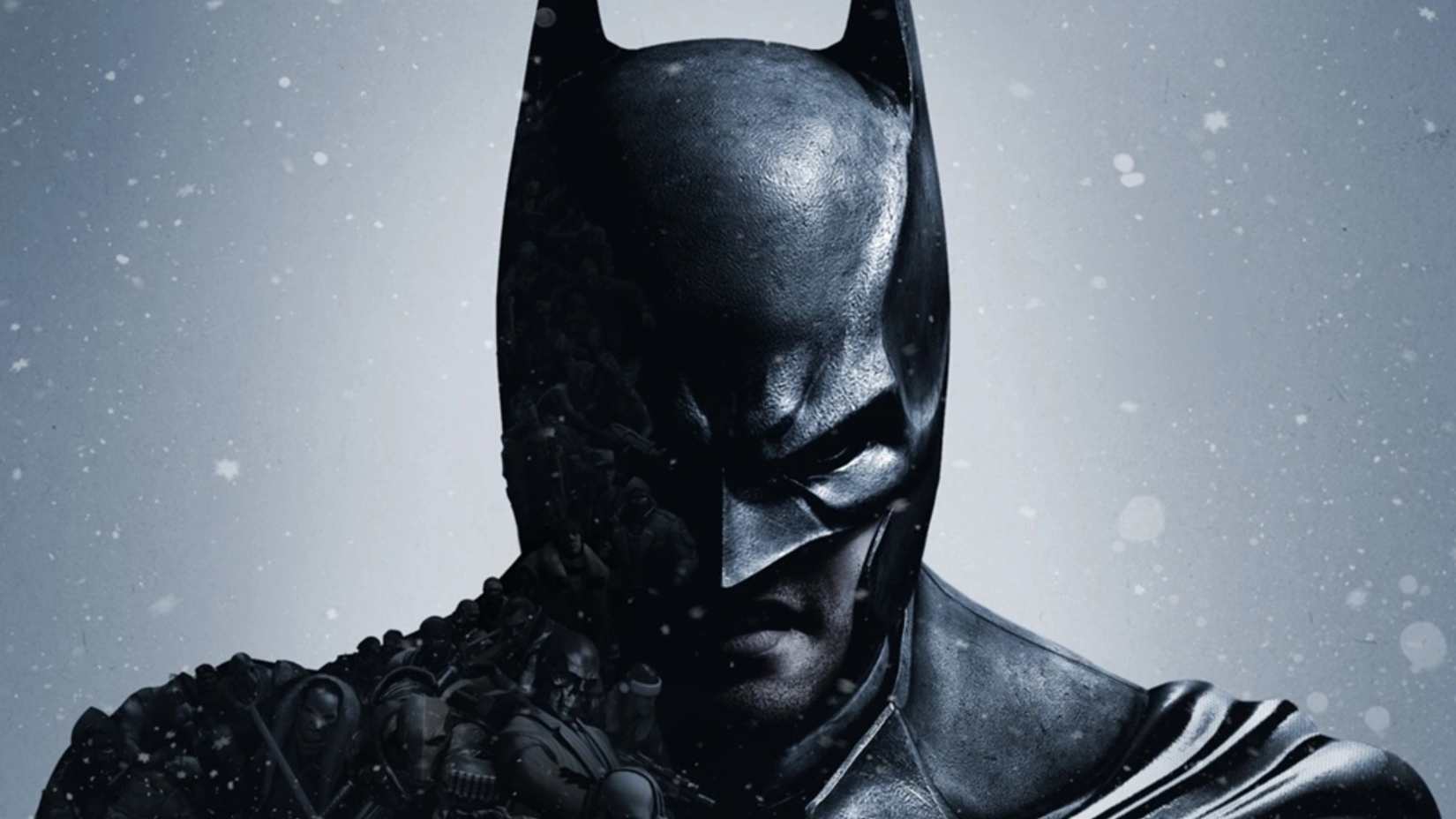
- Batman: Arkham Origins (2013): Often unfairly maligned as the "black sheep" due to its development by WB Games Montréal rather than Rocksteady, Origins proved its worth by delivering arguably the best narrative in the series. It successfully humanized the younger version of the Dark Knight and the Joker, anchored by incredible vocal performances from Roger Craig Smith and Troy Baker.
Modern Innovations: LEGO and VR
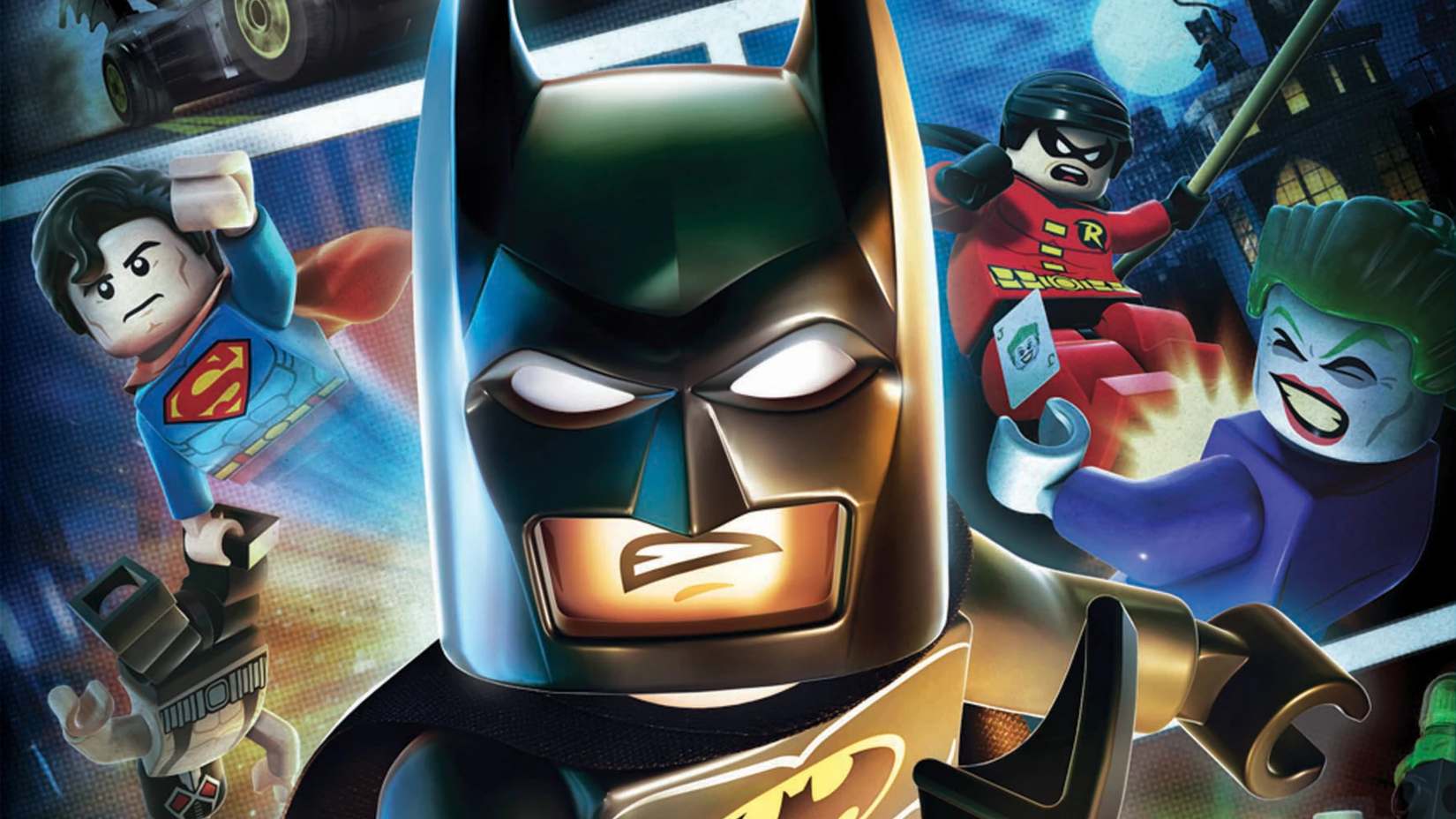
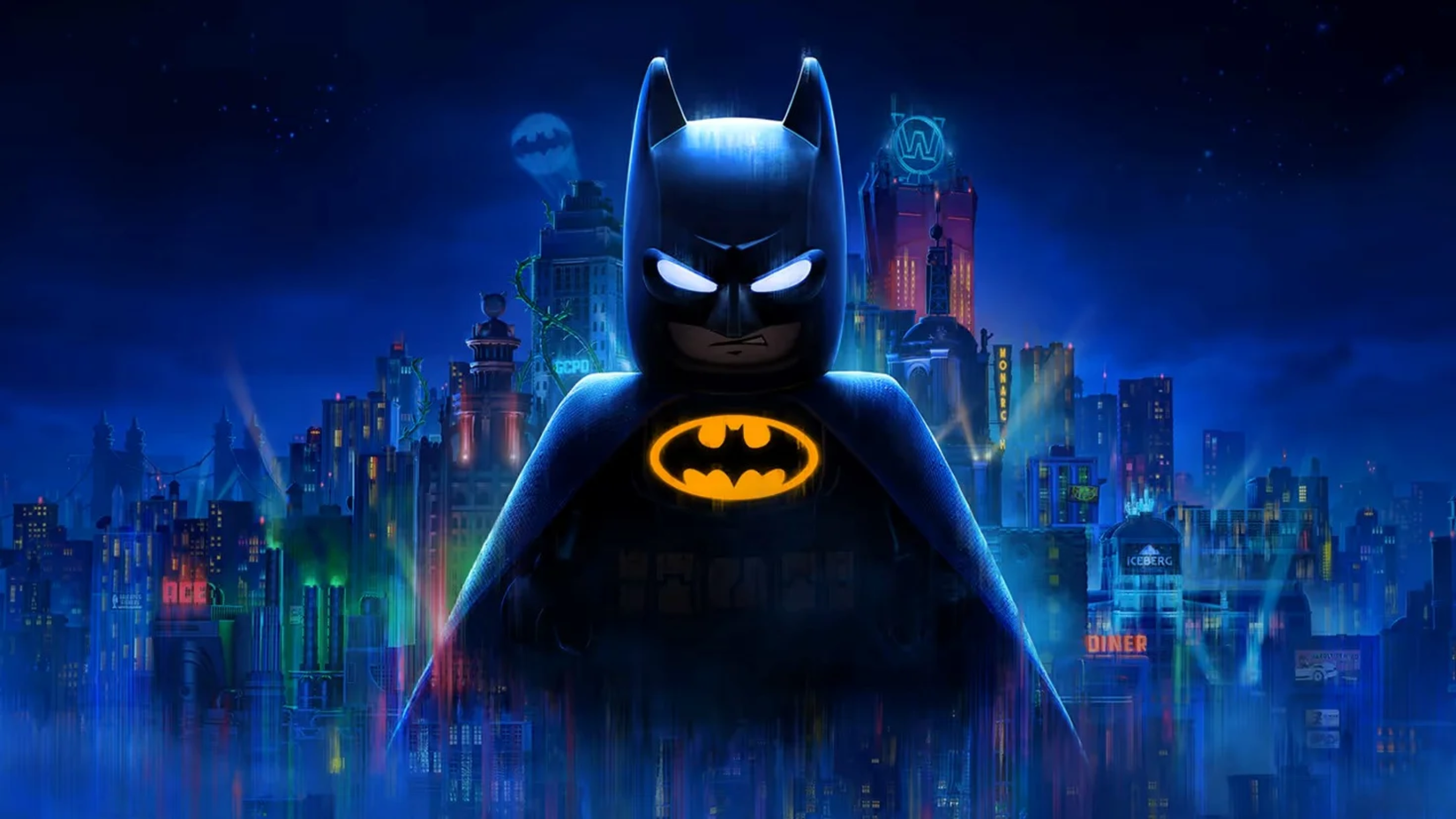
- The LEGO Batman Trilogy: Traveller’s Tales redefined the licensed game by balancing humor with genuine love for the source material. LEGO Batman 2: DC Super Heroes stands as a highlight for its massive open world and roster, proving that the Batman brand could appeal to all ages without losing its core identity.
- Batman: Arkham Shadow (2026): The latest evolution of the franchise, Arkham Shadow, marks a revolutionary shift into Virtual Reality. Developed by Camouflaj for Meta Quest, it isn’t just a gimmick; it is a full-fledged Arkham experience that utilizes VR to make the player feel the weight of every punch and the terror of every stealth takedown.
Supporting Data: The "Batman Factor" in Market Performance
The disparity between Batman-led titles and other DC projects is not just anecdotal; it is reflected in critical and commercial data. Historically, Batman titles maintain an average Metacritic score significantly higher than the average for the broader DC superhero library.
When looking at the industry, the "Arkham Formula"—a combination of FreeFlow combat and Predator stealth—has been adopted by dozens of other titles, from Middle-earth: Shadow of Mordor to Marvel’s Spider-Man. Batman games are not just successful because they are good; they are successful because they defined the mechanical language of the modern action-adventure genre.
Furthermore, the longevity of these titles is unparalleled. Despite being nearly 15 years old, Batman: Arkham Asylum continues to see high player engagement and recurring sales, a feat rarely achieved by licensed titles. This suggests that the "mythology tapestry" of the Dark Knight provides a depth that allows players to return to these worlds repeatedly, finding new details in the architecture of Arkham Island or the streets of Gotham.
Official Perspectives: The Philosophy of the Dark Knight
Developers who have worked on these titles often point to the "Batman constraint" as a creative catalyst. Unlike other superheroes who may rely on god-like powers, Batman is a strategist, a detective, and a brawler. This limitation forces game designers to be more creative with level design and enemy AI.
In interviews surrounding the release of Batman: Arkham Shadow, the team at Camouflaj emphasized that the goal was to "tether new lore to established history." By respecting the established Arkhamverse while pushing the boundaries of VR, they maintained the continuity that fans have invested in for decades. This reverence for the source material—while still taking risks with mechanics—appears to be the secret sauce that prevents Batman games from feeling stale.
Implications: The Future of the DC Interactive Landscape
The persistent success of Batman games presents a double-edged sword for the industry. On one hand, it confirms that high-budget, single-player superhero games are a viable and highly profitable market. On the other hand, it has created a "Batman-centric" bias within the industry.
We have seen several high-profile DC projects struggle or face cancellation when they strayed too far from the established successful formulas. This creates a risk-averse environment where studios may be hesitant to invest in lesser-known DC characters, fearing they will not perform without the "Bat-symbol" attached to the box.
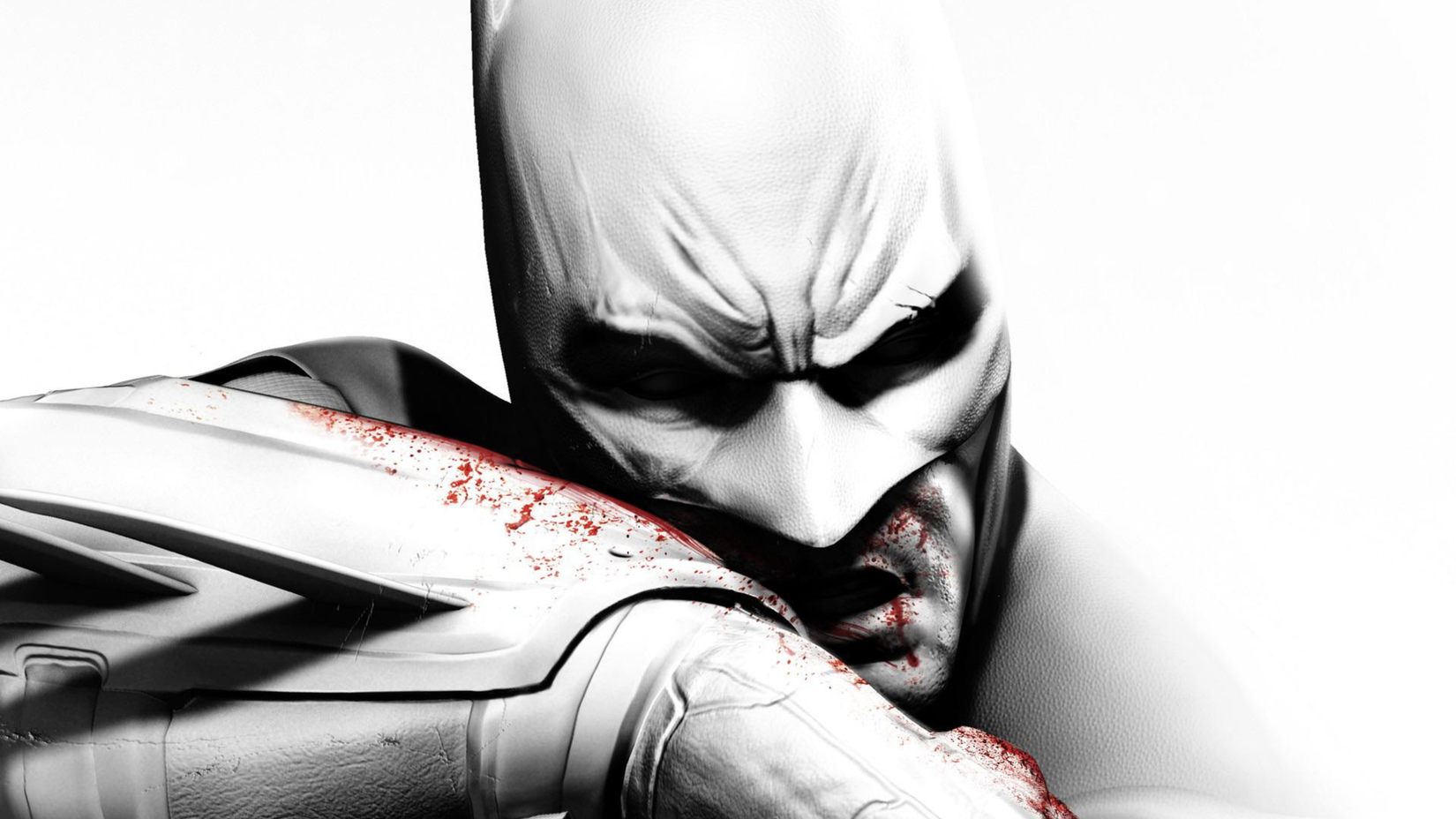
However, the industry is at a turning point. As Batman: Arkham Shadow proves that these characters can thrive in new mediums like VR, there is hope that the lessons learned from the Caped Crusader’s success can be applied to the wider DC universe. If studios can replicate the level of care, narrative integrity, and mechanical refinement seen in the best Batman games, the future of DC gaming could finally move beyond the shadow of the Bat.
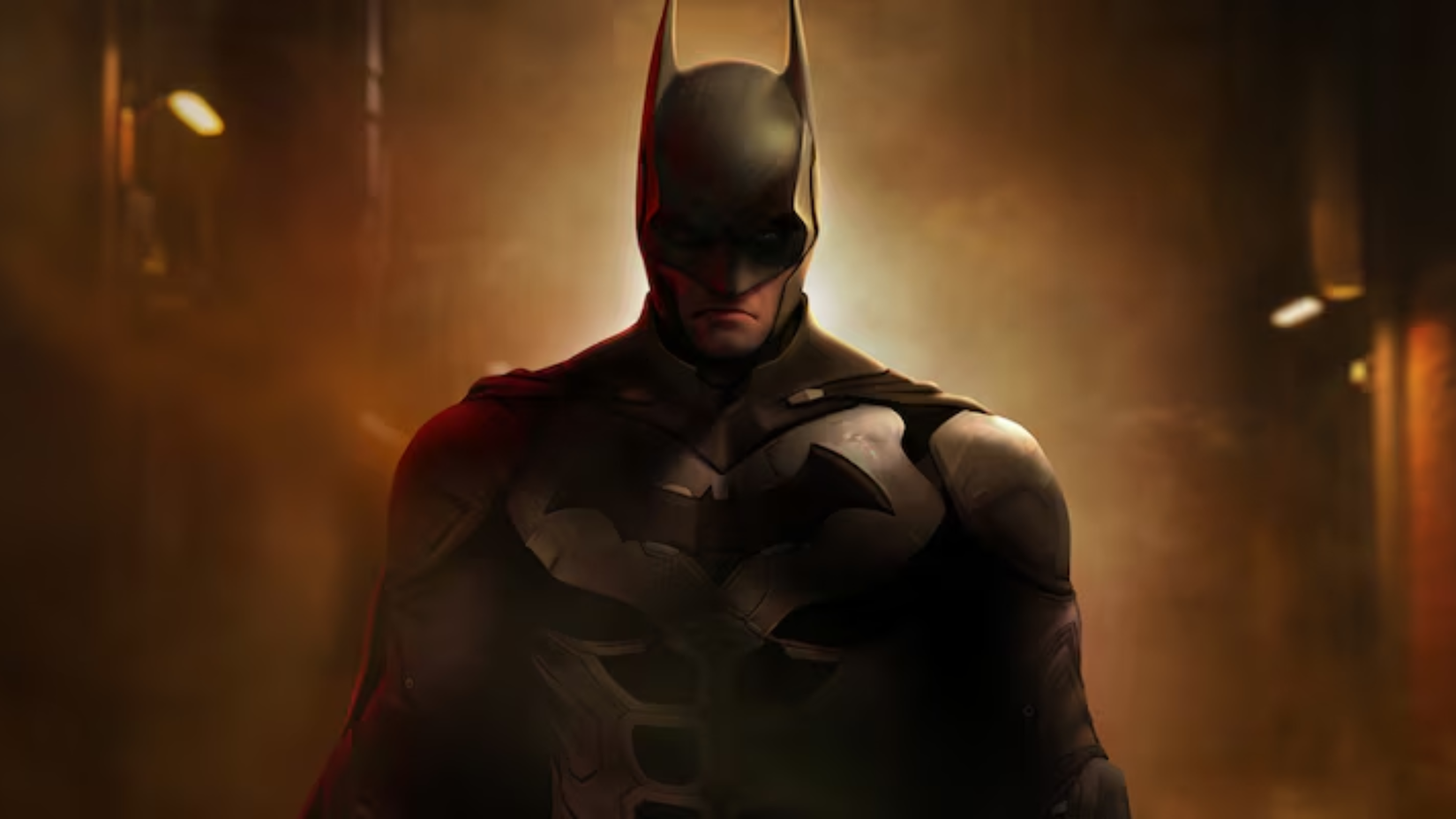
Ultimately, Batman remains the king of the industry because his games treat the player as an active participant in his legend. Whether you are gliding through the rain-slicked streets of a digital Gotham or solving the intricate, maddening puzzles of the Riddler, you aren’t just playing a game—you are becoming the Batman. Until another DC hero can offer that same level of immersion and mechanical satisfaction, the Dark Knight will continue to sit comfortably on the throne of superhero gaming.


 Nana Muazin
 Nana
Nana