

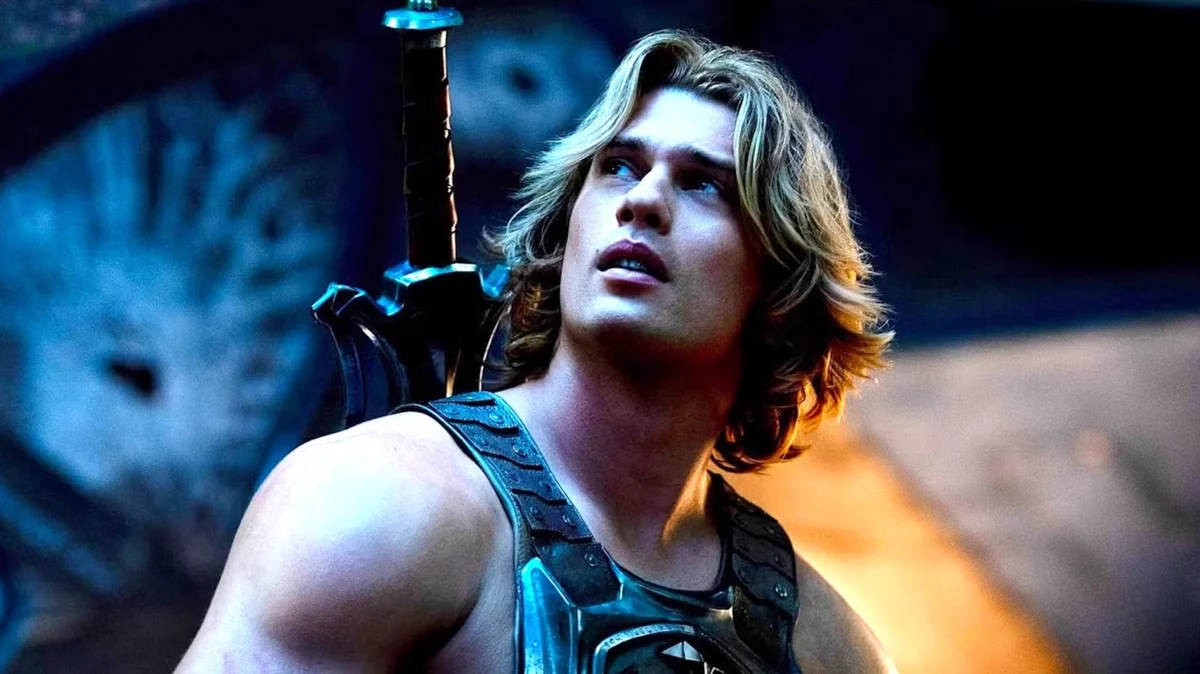
In an era where the Hollywood machine seems perpetually stuck in a cycle of recycling four-decade-old intellectual property, audience fatigue is at an all-time high. The recent box office success of original, independent horror ventures like Obsession and Backrooms—which effectively overshadowed established franchises—has led to a vocal, growing contingent of moviegoers cheering for the death of the "nostalgia play."
However, amidst this wave of cynicism, the release of Amazon MGM Studios’ Masters of the Universe presents a compelling counter-argument. While surface-level skeptics might dismiss it as a cynical cash-grab designed to sell toys to nostalgic Gen-Xers, such a reading ignores the film’s profound subtext. Much like Greta Gerwig’s Barbie forced a reckoning with the impossible standards of womanhood, Masters of the Universe—directed by the visionary Travis Knight—uses its iconic fantasy tropes to dissect the fragile, often destructive nature of modern masculinity.
The Chronology of a Reinvention
The path to this live-action iteration was long and fraught with industry skepticism. For years, the project languished in "development hell," with various scripts and directors rotating through the production cycle. When Travis Knight, the filmmaker behind the critically acclaimed Kubo and the Two Strings and the heartfelt Bumblebee, was attached to the project, the tone of the production shifted.
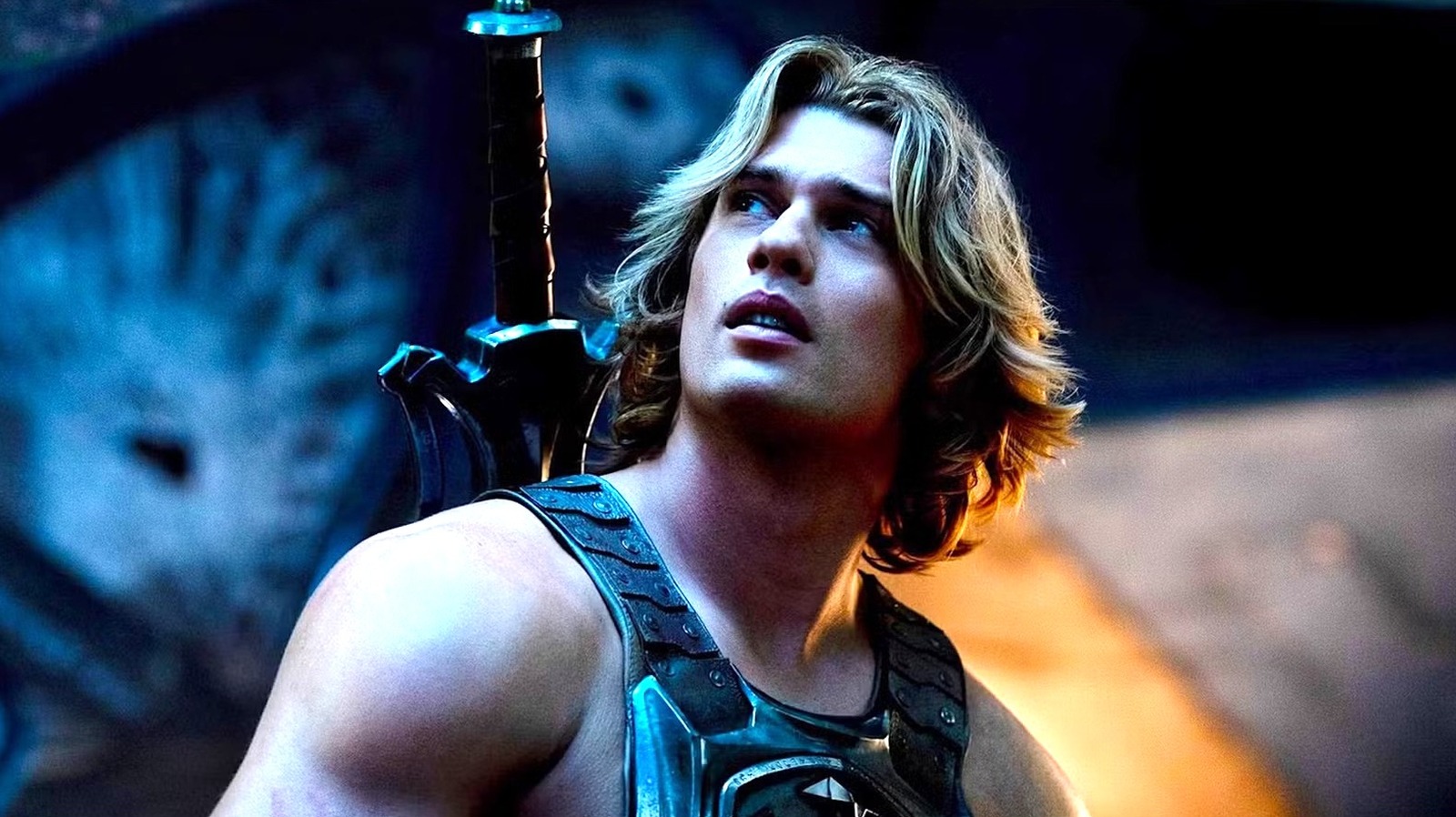
The casting of Nicholas Galitzine as Prince Adam/He-Man was the final signal that this would not be a mere carbon copy of the 1980s cartoon. Galitzine, an actor whose filmography serves as a masterclass in deconstructing masculine archetypes—ranging from the closeted, misogynistic antagonist in The Craft: Legacy to the vulnerable pop icon in The Idea of You—was clearly chosen to bring a specific intellectual weight to the role. Following its premiere, the film garnered "Certified Fresh" status on Rotten Tomatoes, with critics noting that despite the familiar trappings of Eternia, the film feels surprisingly intimate and emotionally resonant.
Decoding the Message: Empathy as the Ultimate Power
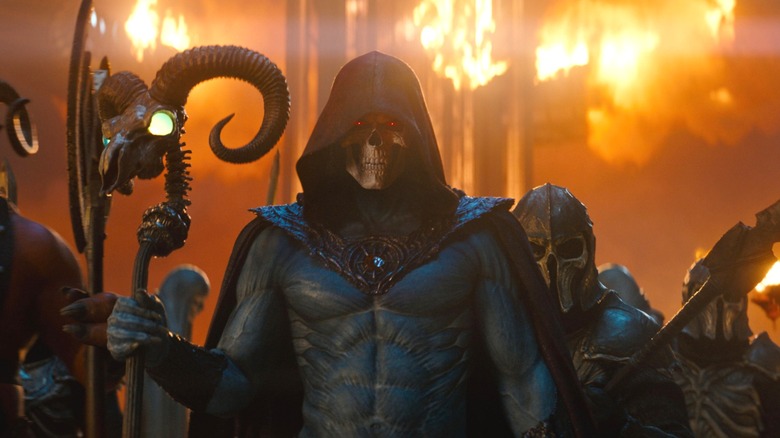
At the heart of the film lies a departure from the "might makes right" philosophy that defined the original Saturday morning cartoon. In an exclusive discussion regarding the film’s thematic architecture, director Travis Knight emphasized that the central conflict is not just between He-Man and Skeletor, but between different generations and their understandings of strength.
"We are telling a story about these men, and they’re at various different places in their journey, and they were raised with different generational perspectives," Knight explained. "I wanted to make sure that as a filmmaker, even regarding anything I disagree with, I approach these things with empathy. I try to understand where these people are coming from."
Knight’s personal background provides a unique lens for this exploration. As the son of Nike founder Phil Knight, he has previously been candid about his childhood preference for creative play over the traditional sports-centric masculinity expected of him. This tension—the desire to be "the hero" versus the desire to be "oneself"—is the primary engine driving Prince Adam’s character arc. The film suggests that true heroism is not found in the crushing of one’s enemies, but in the vulnerability required to bridge gaps with allies who hold differing worldviews, such as the relationship between Adam and Duncan (Idris Elba).
Supporting Data: The Anatomy of a Modern Hero
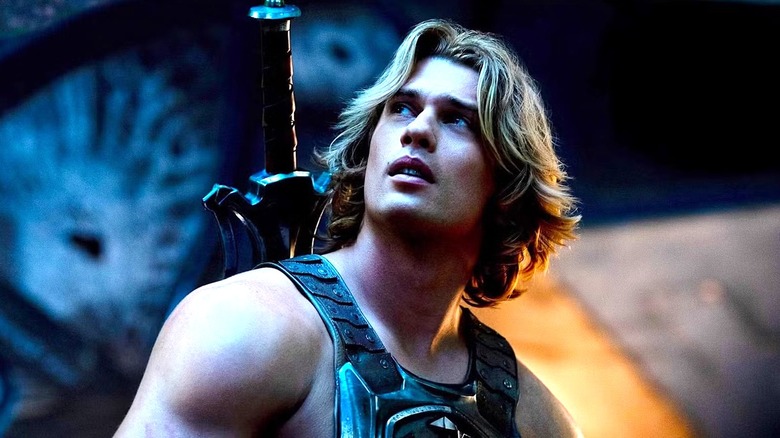
The film’s success relies heavily on the nuanced performance of Nicholas Galitzine. To understand why Galitzine is the "perfect" He-Man, one must look at his body of work. His career has functioned as a deliberate exploration of how men perform identity in society:
- The Performative Soldier: In Purple Hearts, he navigated the complexities of duty and prejudice.
- The Satirized Jock: In Bottoms, he dismantled the trope of the toxic high school football player.
- The Vulnerable Romantic: In The Idea of You, he challenged the idea that masculinity must be stoic or emotionally unavailable.
In our interview, Galitzine articulated the metatextual nature of his performance. "Masculinity and femininity, by nature, are things that are not singular and all-consuming," he noted. "As people, we all contain these multitudes of light and shade. Adam aspires to be the muscle-bound hero he grew up admiring, but he eventually learns that those external markers of strength do not solve the internal issues in his life."
Official Responses and Critical Reception
The film’s reception has been a tale of two audiences. On one hand, the "death of nostalgia" crowd remains skeptical, arguing that no amount of thematic depth can justify the continued reliance on legacy IP. However, the critical response has highlighted a starkly different reality. By treating the source material with sincerity rather than irony, the filmmakers have elevated the narrative.
When asked about the balance between action and emotion, Knight noted that the film avoids the trap of empty platitudes. "Punching everything instead of regulating your emotions is a recipe for self-destruction," he said. This acknowledgment—that violence cannot solve supernatural or internal crises—serves as a rebuke to the "toxic" version of He-Man that some fans might have expected.
Implications: The Future of "Toy Movies"
The primary implication of Masters of the Universe is that the "toy movie" genre has officially matured. Much like the post-modern approach seen in Barbie, this film signals that filmmakers are no longer satisfied with using IP merely for brand recognition. Instead, they are using the massive reach of these franchises to facilitate difficult conversations about societal structures.
If the patriarchy hurts everyone, as the film’s narrative implies, then the most "superhuman" act a hero can perform is to dismantle the parts of that system that restrict human growth. Prince Adam’s journey is not just about gaining the power of Grayskull; it is about finding the strength to be an empathetic leader in a world that demands rigid dominance.
For those who are willing to look past the sword and the sorcery, the film offers a surprisingly poignant critique of how we raise men and how we define success. By refusing to paint characters with broad strokes of "good" or "evil" regarding their masculinity, the film achieves something rare for a blockbuster: it challenges the audience to look inward.
In conclusion, while it is easy to dismiss Masters of the Universe as a nostalgic artifact, such an assessment misses the forest for the trees. The film is a sophisticated, earnest attempt to evolve a legacy character into a figure who resonates with modern, complex sensibilities. It proves that even in the most fantastical settings, the most compelling conflict remains the one that happens within the heart of the hero. Masters of the Universe is currently in theaters, serving as a reminder that the most potent form of power is often the kind that requires us to be vulnerable.








