

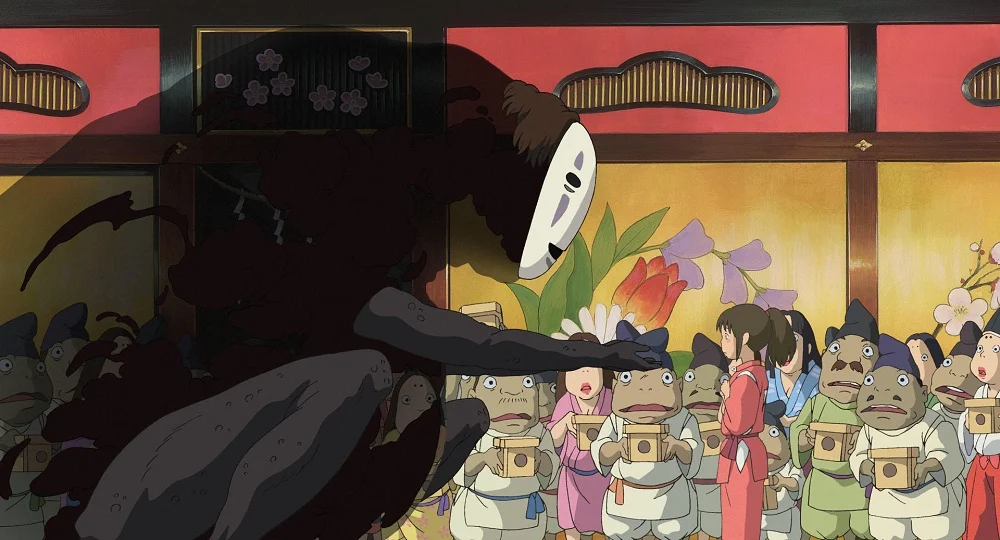
Three years after the landmark acquisition that saw the legendary animation powerhouse Studio Ghibli become a subsidiary of Nippon Television Holdings (NTV), the studio is undergoing a significant executive transition. While the magic of Ghibli is synonymous with the visionary artistry of Hayao Miyazaki and the sharp business acumen of Toshio Suzuki, the administrative helm of the company is set to change hands. Hiroyuki Fukuda, who has served as President and Representative Director since 2023, will officially step down from his post next month, marking a pivotal moment in the studio’s integration into the NTV corporate ecosystem.
As the industry looks toward the future, this shift signals not a departure from the studio’s creative soul, but a strategic doubling down on its commercial legacy.
The Core Facts: A Planned Succession
Studio Ghibli confirmed via an official statement on its website that Hiroyuki Fukuda will conclude his tenure as President following the company’s upcoming shareholders’ meeting. The 64-year-old executive, who took the reins of the studio during the turbulent yet transformative period of the NTV acquisition in 2023, is stepping away to allow for a new phase of corporate oversight.
Stepping into the role is 51-year-old Kenichi Yoda. Yoda is no stranger to the Ghibli fold; he has held a seat on the studio’s Board of Directors since the 2023 acquisition and has been a central figure within Nippon TV’s Content Strategy Division. His appointment, scheduled for formalization on June 22, represents a seamless transition of power from one Nippon TV-affiliated executive to another.
Crucially, the broader leadership structure remains largely untouched. Hayao Miyazaki will continue his role as Honorary Chairman, Toshio Suzuki remains the Representative Director and Chairman of the Board, and Goro Miyazaki continues as Managing Director. This continuity ensures that the "creative engine" of the studio remains insulated from the administrative shift.
Chronology: The Road to the 2026 Transition
To understand the significance of this leadership change, one must examine the timeline of Ghibli’s corporate evolution over the last several years:
- September 2023: A historic announcement confirms that Nippon Television Holdings has acquired Studio Ghibli, converting it into a subsidiary. The move was designed to ensure the studio’s long-term sustainability as the founders began to plan for their eventual retirement.
- Late 2023: Hiroyuki Fukuda is appointed President and Representative Director of Studio Ghibli. His dual role—simultaneously heading NTV Holdings—was intended to stabilize the transition and align the studio’s operations with its new parent company.
- 2024–2025: During this period, the studio focused on consolidating its assets, managing the Ghibli Park expansion, and overseeing various international theatrical re-releases and live-stage adaptations.
- May 2026: Studio Ghibli issues an official notice regarding the leadership shakeup, confirming that Fukuda will depart and Kenichi Yoda will be promoted to President.
- June 22, 2026: The official date for the transfer of authority, following the annual shareholders’ meeting.
Supporting Data: Understanding Kenichi Yoda’s Profile
Kenichi Yoda is a "general specialist" whose career has been inextricably linked to the monetization and cultural preservation of media content. His background in NTV’s Content Strategy Division is particularly telling.
Unlike traditional animation studio presidents who might emerge from production or animation backgrounds, Yoda is an expert in "content leveraging." His involvement in the planning and coordination of complex projects—such as the recent high-profile stage play adaptations of Princess Mononoke—provides a blueprint for how he intends to lead Ghibli.
Data from the recent fiscal years indicates that Studio Ghibli has shifted its focus. With the production of new, feature-length theatrical films slowing down, the studio’s revenue stream has leaned heavily into:
- Exhibitions: Global touring museum exhibitions that curate the history of Ghibli animation.
- Live Events: Concert series featuring the music of Joe Hisaishi and theatrical stage plays.
- Merchandising and Intellectual Property Management: The rigorous control and licensing of Ghibli’s vast back catalog.
Yoda’s specific expertise in these areas suggests that NTV is positioning Ghibli to become a "heritage brand," similar to how major Western studios manage their classic IP through theme parks, stage productions, and archival showcases.
Official Responses and Corporate Philosophy
The studio’s communication regarding this change has been characteristically understated. By maintaining the presence of the Miyazaki family and Toshio Suzuki in high-ranking positions, Ghibli is sending a clear message: the philosophy of the studio remains sovereign.
In recent internal briefings, NTV executives have emphasized that the acquisition was never intended to "change" Ghibli’s creative process, but rather to provide a stable, institutional foundation. By appointing Yoda—who has already been an integral part of the board for three years—the transition is framed as a "natural evolution" rather than a disruptive reorganization.
Toshio Suzuki, often the voice of the studio’s business strategy, has previously expressed that the goal of the NTV partnership was to ensure that the studio’s "values and history" are protected after the founding generation moves on. The promotion of Yoda, who understands the balance between commercial strategy and artistic integrity, is seen as the realization of this long-term succession plan.
Implications: The Shift Toward Legacy Management
The appointment of Kenichi Yoda signals a defining shift in the studio’s trajectory. For decades, Studio Ghibli was defined by the singular, often grueling process of creating hand-drawn, feature-length masterpieces. Today, the studio is entering a "Legacy Era."
The "Heritage Brand" Model
With Yoda at the helm, we can expect an increase in collaborative projects. The recent success of live-action stage adaptations proves that Ghibli’s stories can transcend the medium of animation. Expect to see more of these experiments, which allow the studio to generate significant revenue without the immense production costs and risks associated with a new multi-year animation project.
Strengthening the NTV Synergy
As a veteran of Nippon TV’s content strategy, Yoda is perfectly positioned to integrate Ghibli’s library into the broader NTV media landscape. This includes potential streaming exclusives, expanded digital archives, and further integration into NTV’s news and entertainment programming.
Creative Autonomy vs. Corporate Oversight
Critics often fear that corporate acquisition will lead to "brand dilution." However, the retention of the Miyazaki family in the upper echelons of the company acts as a vital check-and-balance. The creative output of Ghibli will likely remain as singular as ever, but the delivery mechanisms—how audiences experience that art—will be filtered through the strategic lens of a modernized, corporate-led media entity.
Conclusion: A Steady Hand for the Future
As Studio Ghibli moves toward June 22, 2026, the industry is witnessing the transition of a cultural titan into a sophisticated modern media corporation. The move from Fukuda to Yoda is not a sign of instability, but rather a reflection of the studio’s maturity.
By focusing on the curation of its past and the expansion of its IP into new mediums like theater and immersive exhibitions, Studio Ghibli is ensuring that it remains relevant to new generations of fans. Under Kenichi Yoda’s guidance, the studio will likely continue its delicate dance: honoring the artistic legacy established by the Miyazakis while navigating the complex commercial realities of the 21st-century entertainment landscape.
While the "keymen" of the studio will continue to watch over the creative spirit of the films, the business of Ghibli is now firmly in the hands of those who specialize in keeping that spirit alive in the public consciousness. The era of the "Ghibli Heritage" has officially begun.












No comments yet. Be the first to join the conversation!