Iffa Jayyana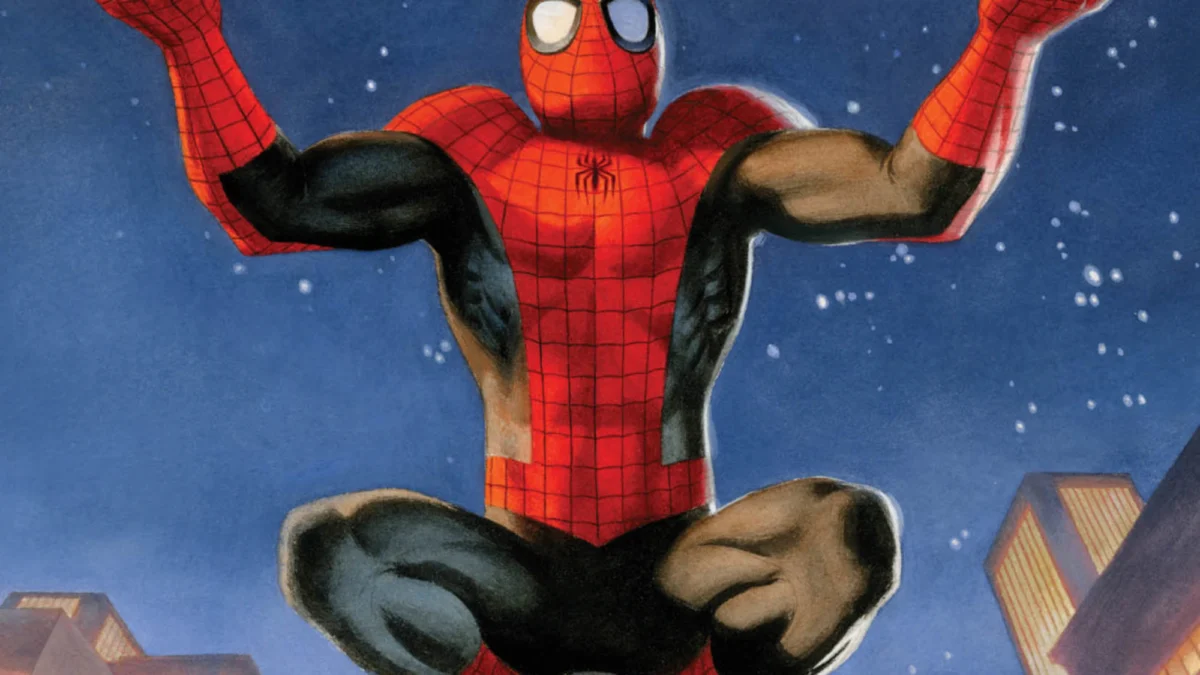
The comic book industry thrives on anticipation, and few milestones carry the weight of The Amazing Spider-Man #1000. As Marvel Comics prepares to celebrate a millennium of wall-crawling history, the administrative and creative processes behind the gargantuan 104-page special have hit a turbulent patch. Specifically, the visual identity of the issue—the cover art—has become the subject of an internal editorial "bunfight," leading to a confusing cycle of listings, removals, and replacements on industry databases like Penguin Random House.
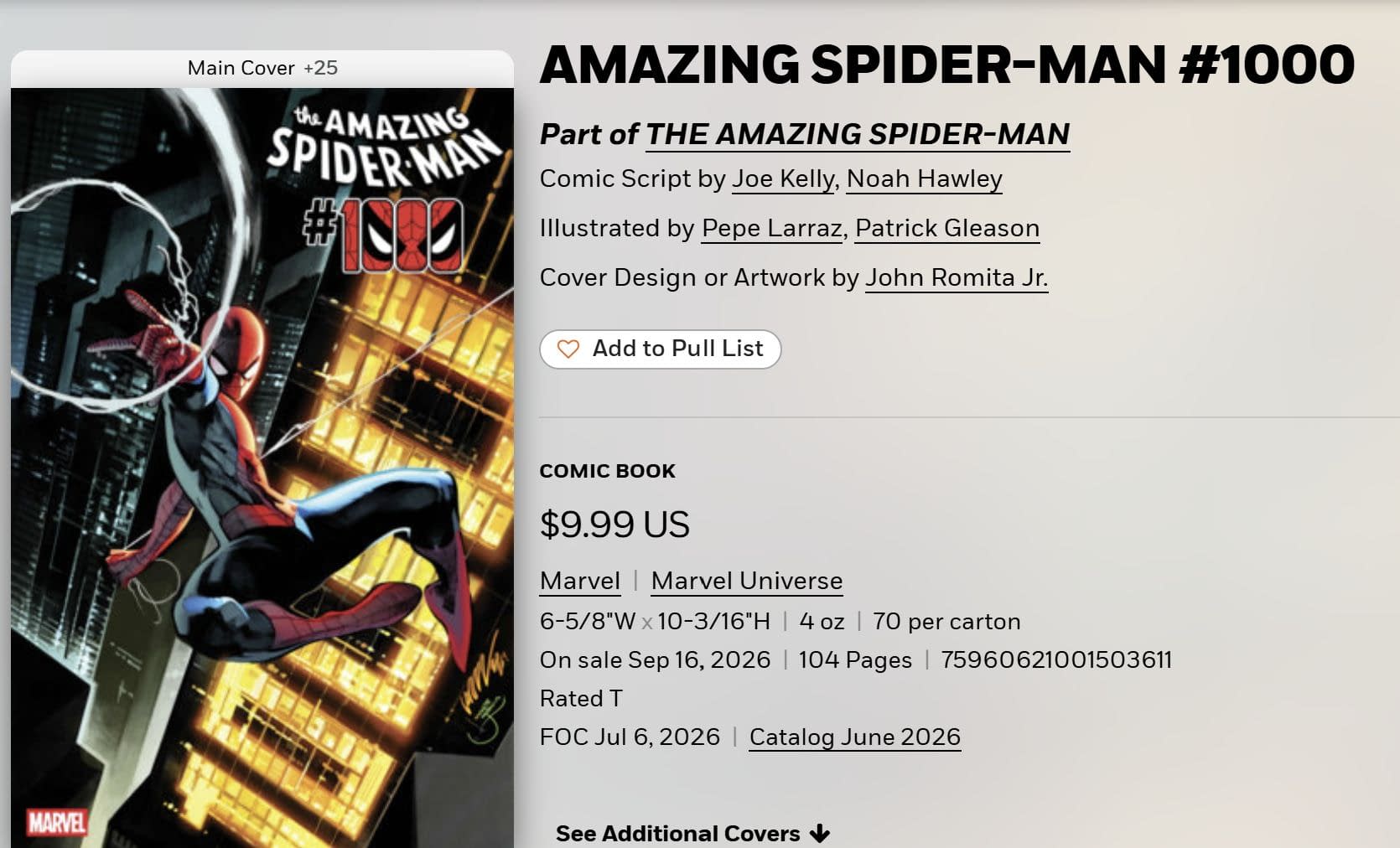
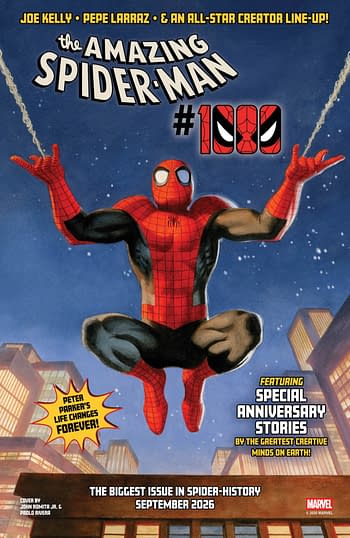
At the heart of the controversy is a shifting mandate regarding the primary cover art, which initially featured the work of industry stalwarts John Romita Jr. and Paolo Rivera. The subsequent disappearance and mysterious reappearance of this creative credit—and the sudden emergence of Pepe Larraz in the listings—have left retailers and collectors scrambling to determine which version of the issue they are actually ordering.
The Chronology of a Publishing Pivot
The saga of Amazing Spider-Man #1000 began with a standard solicitation process, but quickly deviated from the norm. Initially, the industry was informed that the landmark issue would be fronted by a collaborative effort between John Romita Jr. and Paolo Rivera. This pairing represented a "prestige" aesthetic, bridging the classic lineage of Spider-Man’s visual history with contemporary artistic sensibilities.
However, internal friction within Marvel’s editorial offices became apparent when the cover was abruptly pulled from public listings. Sources suggest that a schism emerged between different factions of the editorial team: one side favored a traditional, character-focused composition, while another sought to pivot toward a more modern, dynamic visual style. This disagreement manifested as a "back-and-forth" that saw the title vanish from wholesale databases entirely before returning in a modified form.
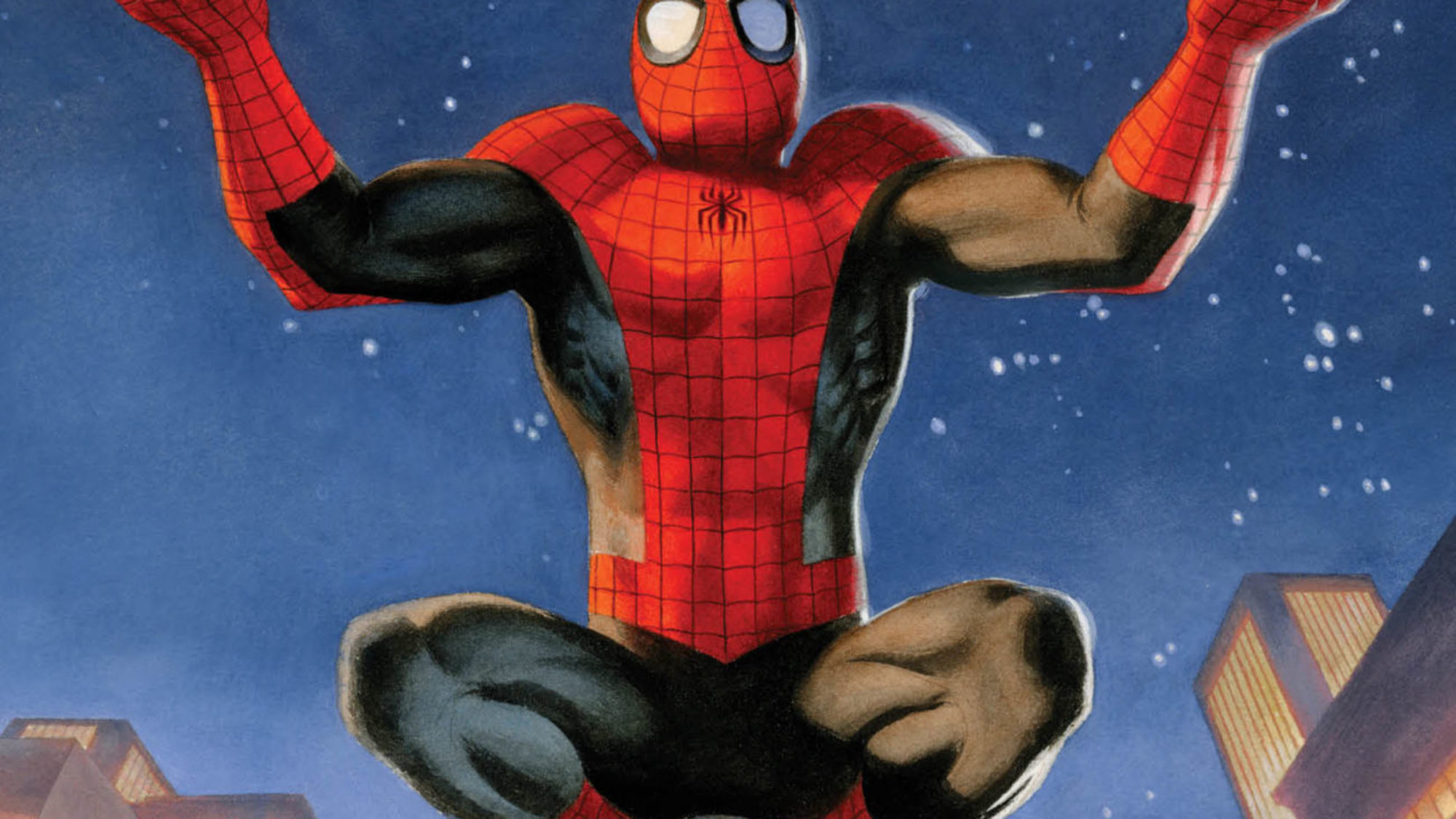
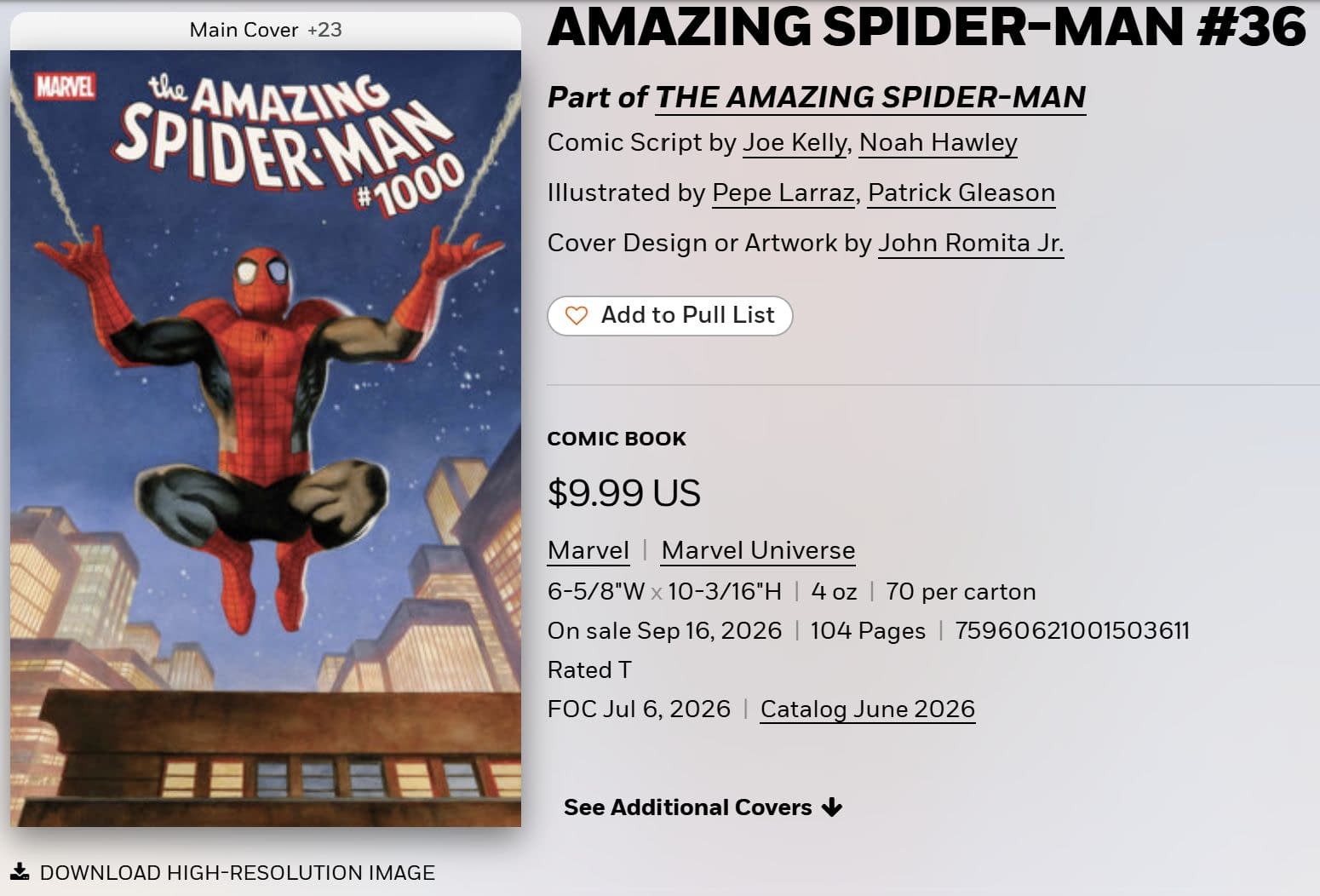
Last week, the listings were updated again, but with a jarring discrepancy. While the credit for the cover remained attached to John Romita Jr.’s name, the visual evidence provided to distributors clearly showcased the work of artist Pepe Larraz. This "ghosting" of credit—where one artist is named but another’s work is displayed—is a rare and often frustrating occurrence for comic book retailers, who rely on accurate solicitation data to manage pre-orders and inventory.
Mapping the Current Solicitation Data
To understand the scale of this project, one must look at the full scope of Amazing Spider-Man #1000 as currently solicited. The issue is a monolithic tribute to the character, boasting a lineup of talent that rivals the greatest collections in the medium’s history.
The current list of contributors includes:
- Writers: Joe Kelly, Noah Hawley (in his comic book debut), Frank Miller, Dan Slott, J.M. DeMatteis, and Brian Michael Bendis.
- Artists: Pepe Larraz, Patrick Gleason, Peach Momoko, Marcos Martin, John Romita Jr., and Stuart Immonen.
The solicitation also highlights an exhaustive array of variants, including foil covers by Ed McGuinness, virgin variants by J. Scott Campbell, and historical tributes by the late Steve Ditko. Yet, the main cover remains the "floating" element. While current data lists the cover as a collaboration between Romita Jr. and Rivera, the inclusion of the Pepe Larraz imagery in previous iterations suggests that the editorial team is still oscillating between visions.
Analyzing the Editorial "Bunfight"
The term "bunfight," used by industry observers to describe the situation, is an apt characterization of the internal power struggle. In the world of high-profile comic book publishing, the "Main Cover" is the brand’s flagship. It is the image that dictates the marketing campaign, the social media presence, and the initial consumer reaction.
When a publisher chooses to pull a cover after it has been announced, it usually signals one of three things: a disagreement over artistic direction, a failure to meet technical deadlines, or a late-stage change in the overarching narrative of the book that renders the original cover tonally inconsistent. In the case of Amazing Spider-Man #1000, it appears to be a case of the former.
Some editorial voices argued that the Romita/Rivera piece, while technically masterful, did not carry the "event" weight required for a thousandth issue. Others countered that Romita Jr.’s history with the character is essential to the legacy of the title. The resulting compromise—or lack thereof—has created a state of perpetual flux where retailers are effectively ordering a "placeholder" product.
The Implications for Retailers and Collectors
For the average reader, the changing of a cover might seem like a minor administrative headache. However, for the Direct Market—the system through which comic shops purchase inventory—these changes have real-world financial consequences.
Retailers utilize the solicitations provided by Penguin Random House and Diamond Comic Distributors to allocate their budgets. When a primary cover is swapped, or when an artist’s name is misrepresented, it complicates the trust between the publisher and the store owner. A retailer who orders 500 copies based on the promise of a John Romita Jr. cover may find themselves in a difficult position if the final product arrives featuring a different artist, or vice versa.
Furthermore, the "collectibility" factor is a primary driver of sales for milestone issues like #1000. If the cover art is perceived as unstable or if there is confusion regarding which version constitutes the "true" first printing, the secondary market value can be impacted. Collectors often look for specific covers to complete their runs, and any uncertainty regarding the identity of the cover artist can lead to reduced interest or, conversely, a rush of speculative buying that creates an artificial scarcity.
The Future of the Milestone Issue
As we look toward the release date, the question remains: will the editorial team reach a permanent resolution? History suggests that Marvel is likely to finalize a decision soon to ensure that the printed materials meet the manufacturing lead times.
The inclusion of Noah Hawley—a high-profile television writer—and the collaborative return of Bendis and Immonen indicates that Marvel is treating this issue as a "State of the Union" for the Spider-Man franchise. The editorial team is clearly under immense pressure to ensure that every aspect of the book, from the interior pages to the cover, reflects the gravity of the one-thousand-issue legacy.
While the "Tale of Two Covers" currently serves as a cautionary story regarding the complexities of comic book production, it also highlights the intense passion behind the scenes. Every editor, artist, and writer involved in Amazing Spider-Man #1000 is acutely aware that they are contributing to a historic document. The "bunfight" is not merely a result of internal dysfunction, but rather a reflection of how high the stakes are for the most iconic hero in the Marvel Universe.
Final Thoughts: A Waiting Game
As of this writing, the listing remains in flux. Retailers are advised to monitor their distribution portals closely for any final adjustments. While the industry waits for a definitive image to be locked in, the conversation surrounding the cover serves as a reminder that even in an era of digital dominance and corporate structure, the creation of a comic book remains a deeply human, and often contentious, collaborative effort.
Whether the final product features the classic, gritty lines of John Romita Jr. or the sleek, modern kinetic energy of Pepe Larraz, Amazing Spider-Man #1000 is poised to be the defining comic book event of the year. The cover drama may eventually be relegated to a footnote in the history of the issue, but for now, it stands as a testament to the fact that, much like Peter Parker himself, the Amazing Spider-Man series is never without its share of drama.

 Sagoh
Sagoh
 Ammar Sabilarrohman