As the dog days of summer settle over the American sports landscape, the rhythm of the year dictates a singular focus for the gaming community: the impending arrival of the next Madden NFL installment. With the MLB season in full swing and the WNBA providing a mid-summer spark, the digital gridiron remains the ultimate destination for fans eager to reclaim their franchises and dominate the leaderboard.
Electronic Arts has officially unveiled the cover athlete for Madden NFL 27, choosing Chicago Bears sensation Caleb Williams to front the latest iteration of the long-running franchise. While the choice reflects the league’s current obsession with high-ceiling young quarterbacks, it has reignited a perennial debate: what truly qualifies a player for the most prestigious real estate in sports gaming?
The Selection: Why Caleb Williams?
The decision to feature Caleb Williams is, in many respects, a classic EA move. Williams, coming off a stellar campaign that showcased his dynamic playmaking ability, represents the "next generation" of NFL stardom. The promotional imagery—featuring Williams framed against the iconic Chicago skyline—aims to capture the optimism of a franchise on the rise.
However, for every fan celebrating the choice, there is a skeptic pointing to the wealth of talent across the league that arguably produced more consistent or impactful results throughout the 2026 season. While Williams is undoubtedly a rising star, the selection process for the Madden cover has historically been a blend of statistical dominance, cultural cachet, and narrative intrigue. By looking at the 2026 season through a wider lens, it becomes clear that several other athletes had compelling cases to grace the box art.

The Criteria: Crafting the List
To curate a list of alternative candidates, I have established a strict baseline: no repeat cover athletes. Legends like Patrick Mahomes, Josh Allen, and Lamar Jackson have already claimed their place in the Madden pantheon, and their exclusion is necessary to highlight the fresh faces and established stars who have yet to receive the honor.
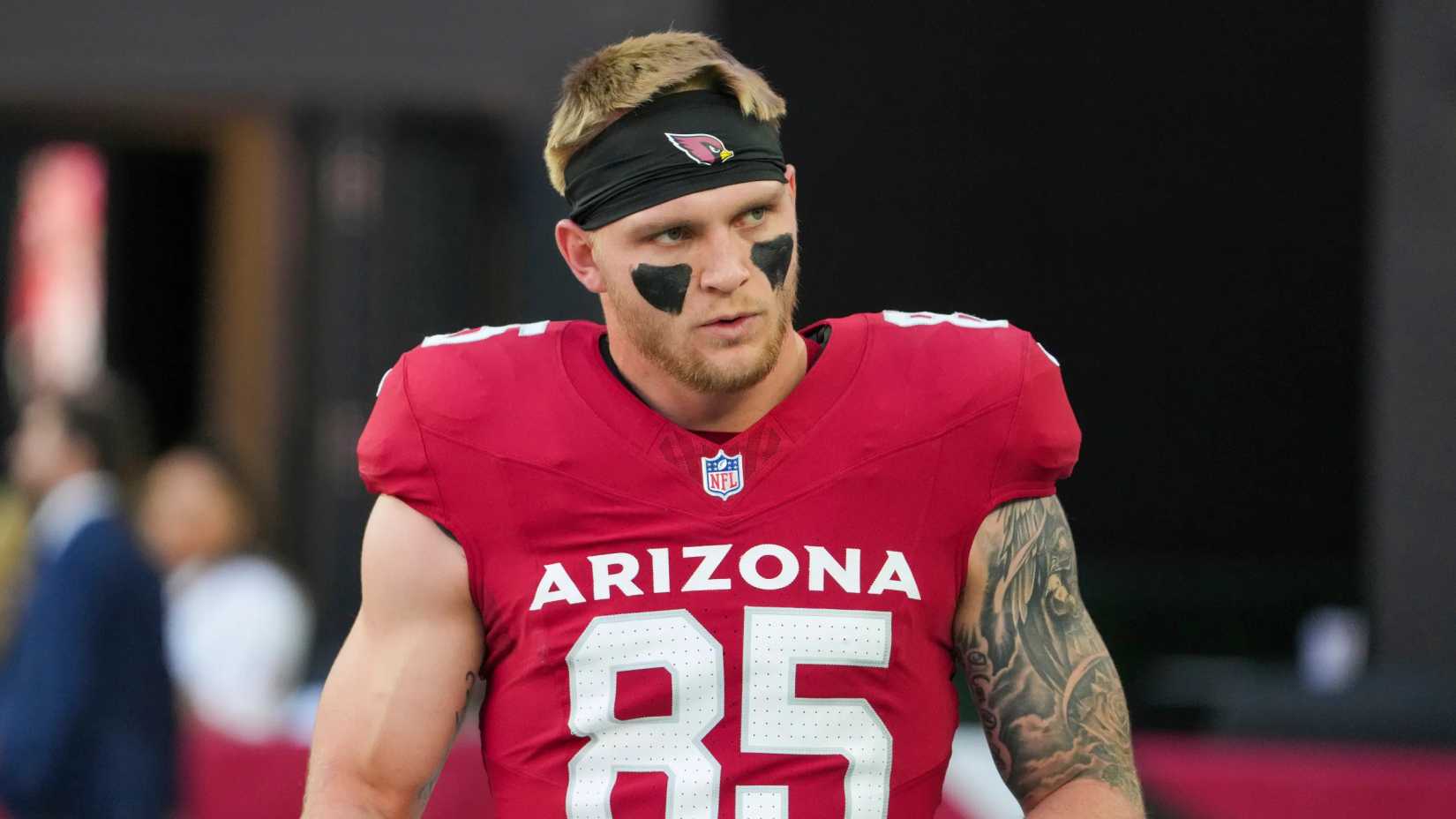
10. Trey McBride: The New Standard at Tight End
The tight end position is often overlooked in the flashy world of marketing, but Trey McBride has redefined what is possible for the role. Following in the footsteps of legends like Rob Gronkowski, McBride has proven that a tight end can be the primary engine of an offense. Despite the Arizona Cardinals’ overall struggles, McBride’s individual performance has been nothing short of spectacular, making him a unique, albeit unconventional, candidate.
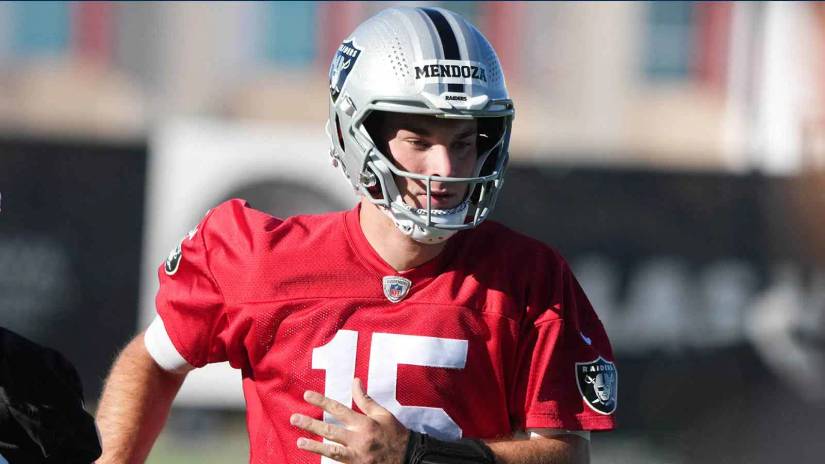
9. Fernando Mendoza: The Vegas Wildcard
Admittedly, the inclusion of rookie Raiders quarterback Fernando Mendoza is a bold, perhaps sentimental choice. His lack of professional experience makes him a long-shot, but his trajectory—coupled with the sheer magnetism of his personality—speaks to the "X-factor" that often draws developers to specific players. In a year where college football mania was at an all-time high, pinning the face of Madden to a player who embodies the "magical" nature of the game would have been a fascinating marketing risk.
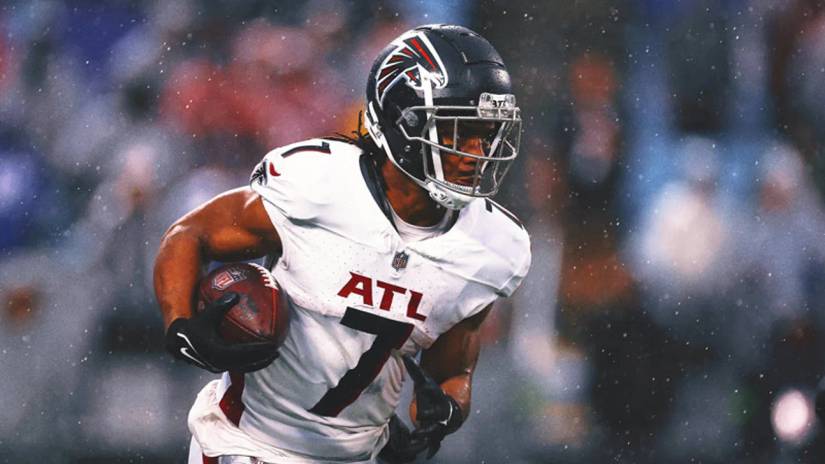
8. Bijan Robinson: Atlanta’s Elite Back
Touted as the most refined running back prospect since Saquon Barkley, Bijan Robinson’s journey has been one of steady, undeniable ascension. While the Falcons’ offense experienced growing pains, Robinson’s metrics suggest he is on the precipice of a historical breakout. He possesses the highlight-reel capability that defines a Madden cover star; his ability to make defenders miss in the open field is tailor-made for the game’s marketing aesthetic.
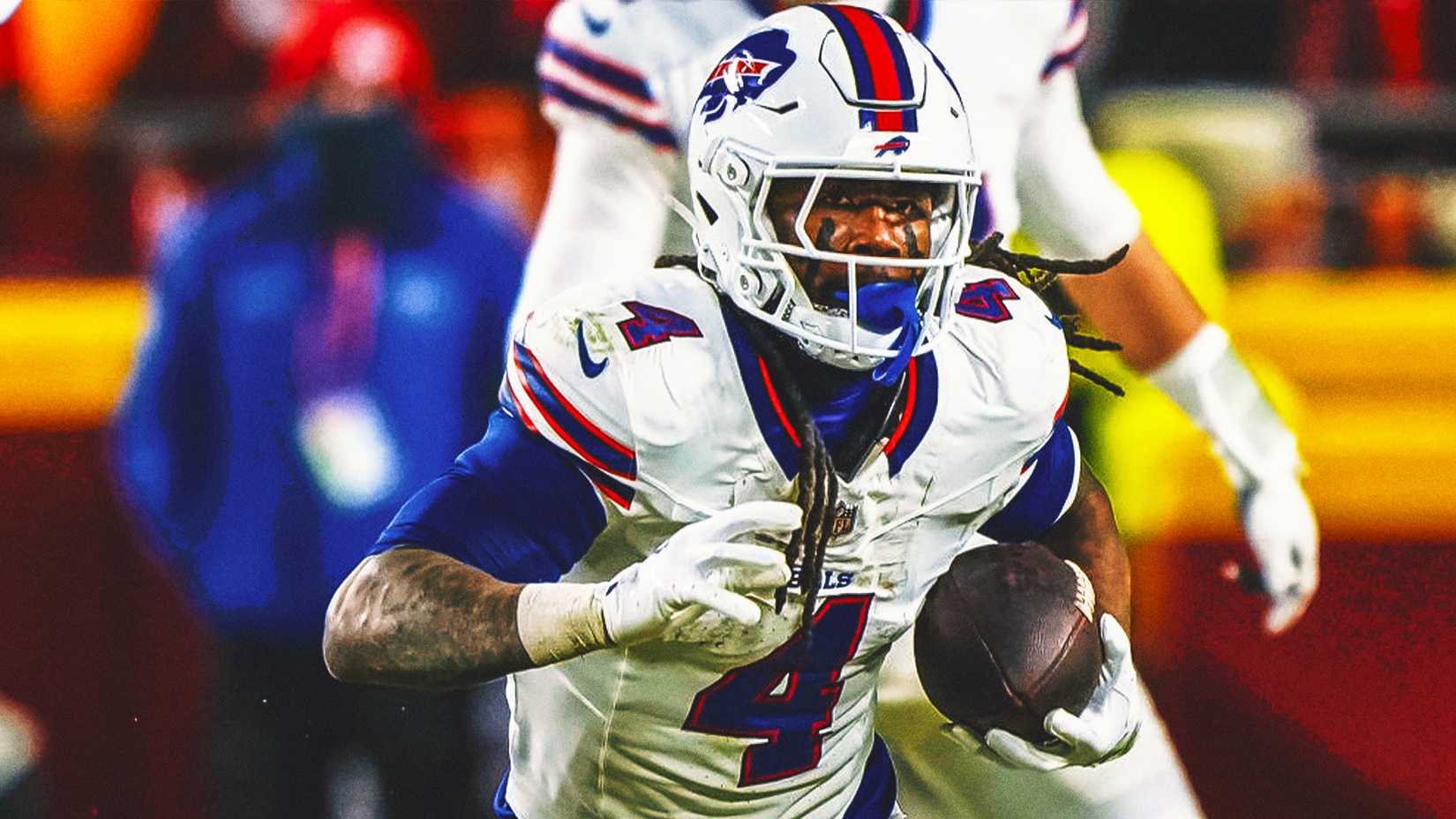
7. James Cook: The Bills’ Unsung Hero
In a league that often devalues the running back position, James Cook stood out as a statistical anomaly in 2026. With a receiving corps that struggled to match Josh Allen’s elite play, it was Cook who shouldered the burden, proving to be the most impactful back in the league. His performance wasn’t just about raw numbers; it was about the necessity of his role in keeping the Buffalo Bills competitive against top-tier defensive schemes.
6. Drake Maye: The Patriot Path
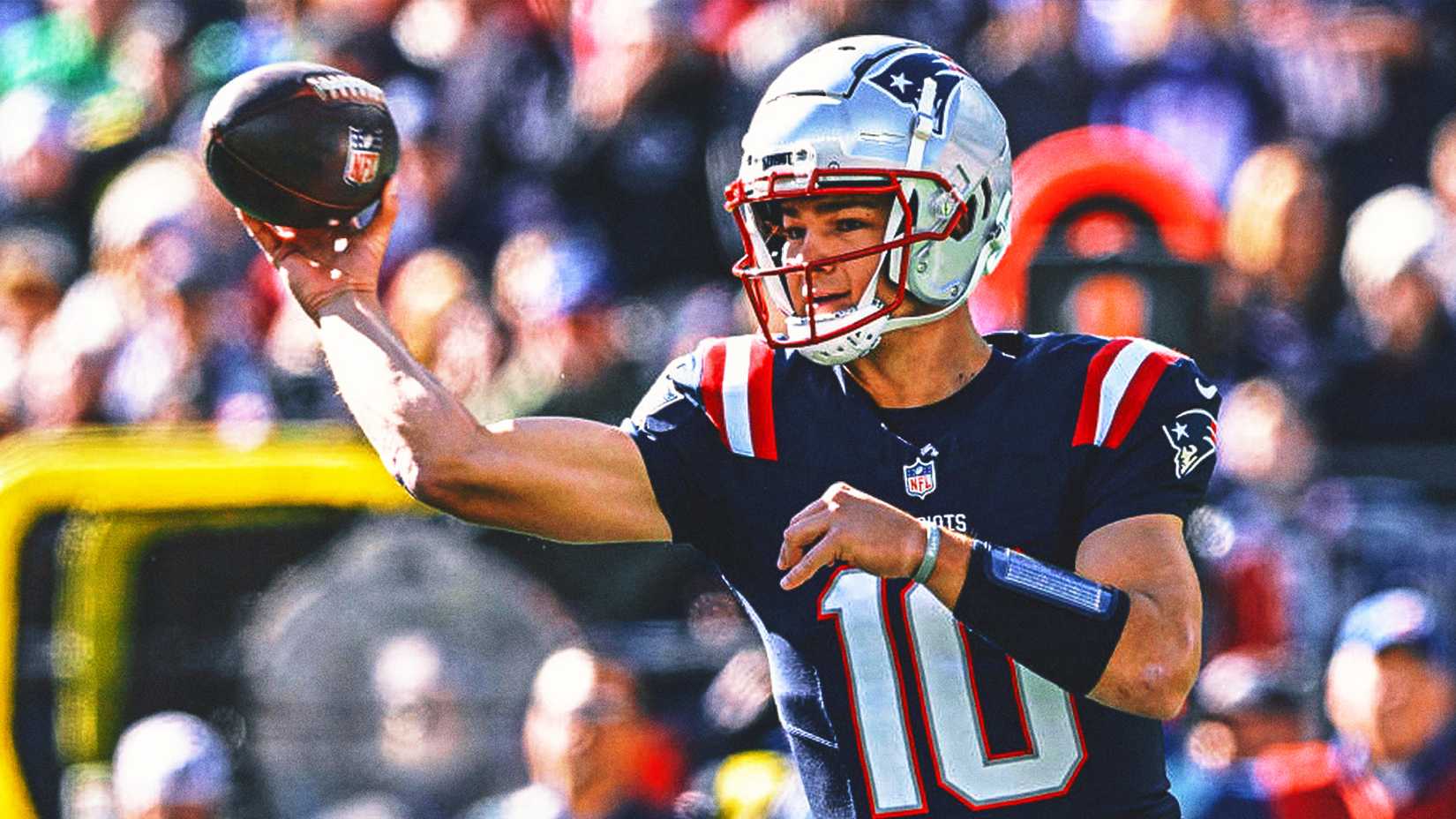
Drake Maye’s performance this past season was a masterclass in efficiency, helping lead the New England Patriots to a Super Bowl berth. While his critics point to an favorable schedule, the numbers do not lie. Maye’s ability to command a huddle and execute at an elite level during the playoffs puts him in the conversation for the most deserving quarterback on this list, even if he hasn’t yet reached the household-name status of the league’s most tenured veterans.
5. Jaxon Smith-Njigba: The Record-Breaker
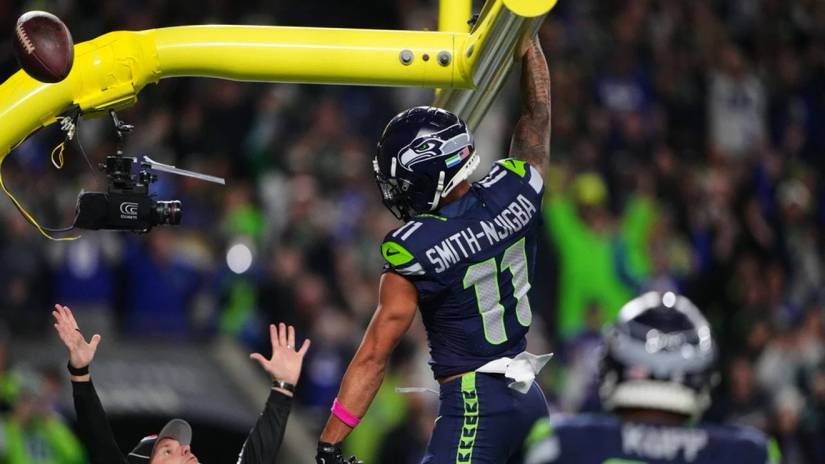
If we are talking about pure production, Jaxon Smith-Njigba is undeniable. Leading the league in receiving yards while securing a Super Bowl ring creates an almost impenetrable argument for his candidacy. JSN was the heartbeat of the Seattle offense, a player who not only put up staggering numbers but did so when the lights were at their brightest. His omission is arguably the most surprising given the sheer volume of his contributions.
4. Ja’Marr Chase: The Resilience Factor
Ja’Marr Chase’s 2026 campaign is a case study in context. When quarterback Joe Burrow missed significant time due to injury, Chase’s production dipped, but his presence remained the most feared element of the Bengals’ offense. He is a player who elevates everyone around him, including Tee Higgins. If he were paired with a healthy Burrow for a full 17-game slate, his ceiling is essentially the stratosphere.
3. Derrick Henry: The Case for Legacy
Derrick Henry is the outlier. He is a veteran who has consistently defied the aging curve. Despite being one of the most prolific running backs in the history of the sport, he has yet to be featured on a Madden cover. His transition to the Baltimore Ravens and his continued dominance into his 30s is a narrative of grit and excellence. A cover featuring Henry would have served as a perfect celebration of a legendary career still in progress.
2. Matthew Stafford: The League MVP
There is a simple logic to selecting an MVP for the Madden cover: they were, statistically and narratively, the best player in the league that year. Matthew Stafford’s 2026 season was a testament to his toughness and technical brilliance. At 38, he remains a model of quarterbacking excellence. Choosing him would have been a respectful nod to the established hierarchy of the NFL’s elite.
1. Myles Garrett: The Ultimate Defensive Force
Myles Garrett is, arguably, the best football player on the planet. Defensive players rarely get the Madden spotlight, but if there was ever a candidate to break the trend, it is the perennial Defensive Player of the Year contender. His move to the Rams, combined with his unparalleled ability to disrupt offensive game plans, makes him a titan of the sport. His snub is not just a missed opportunity—it’s a reminder that the Madden cover remains, for better or worse, a quarterback-centric institution.
Official Responses and Industry Context
EA Tiburon has kept their reasoning for the Caleb Williams selection largely tied to his "generational talent" and the "fresh energy" he brings to the NFL. In recent years, EA has pivoted toward highlighting young, charismatic players who can bridge the gap between traditional NFL fans and the younger, digital-native demographic.
The studio’s internal metrics, which track everything from jersey sales to social media engagement, heavily influence these decisions. While hardcore enthusiasts often clamor for the most statistically dominant player, EA’s publishing arm prioritizes marketability and brand longevity.
Implications for the Future of the Franchise
The choice of Caleb Williams for Madden NFL 27 signals a continued commitment to the "future-forward" marketing strategy. By planting their flag on a young quarterback, EA is betting on the long-term viability of the athlete’s career. If Williams thrives, the cover becomes an iconic piece of sports history. If he falters, it becomes a footnote in the "Madden Curse" folklore.
Furthermore, the release of Madden NFL 27 on August 13, 2026, across all major platforms—including the anticipated Nintendo Switch 2—highlights the technological leap the franchise is taking. With improved simulation engines and cross-platform multiplayer integration, the game itself is clearly attempting to evolve faster than the league it represents.
Conclusion
The debate over the Madden cover is a healthy reflection of the passion that fuels the sports gaming community. Whether you agree with the selection of Caleb Williams or firmly believe a player like Myles Garrett or Jaxon Smith-Njigba was more deserving, the conversation itself highlights the depth of talent in the modern NFL.
As we look toward the start of the 2026 season, the Madden cover serves as more than just a marketing tool; it is a snapshot of the current NFL zeitgeist. While the players on this list may not have made the cut this year, their performances have ensured that the coming season will be one of the most competitive and unpredictable in recent memory. For the gamers, the season begins now—not on the field, but on the console.