Ammar Sabilarrohman
For travelers hurtling through Japan on the Tokaido Shinkansen, the dream of a premium coffee experience before boarding has long been complicated by the frantic pace of transit. In November 2025, Starbucks Japan sought to solve this with a bold experiment: the opening of the country’s first-ever café located directly on a Shinkansen bullet train platform at JR Shin-Yokohama Station.
Following a brief but necessary two-month closure for renovations that began in late April 2026, the branch reopened on June 24, 2026. The overhaul marks a significant evolution in the "Brewed to Go" concept, addressing early operational bottlenecks that threatened to turn a luxury convenience into a source of transit anxiety.
The Core Facts: A High-Speed Makeover
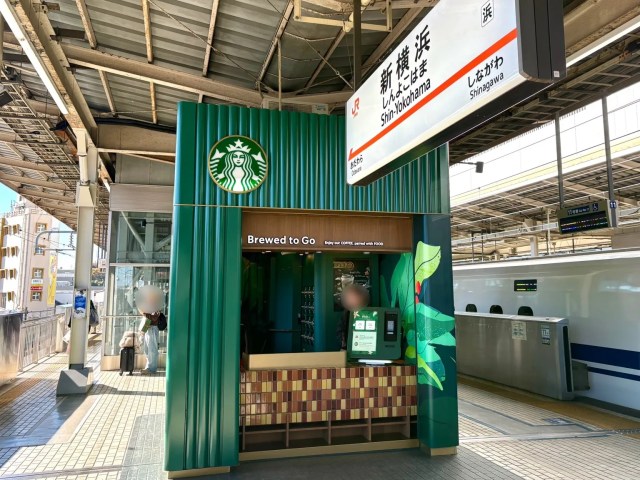
The renovation of the Shin-Yokohama platform store is more than a mere aesthetic refresh; it is a tactical response to the demands of a high-frequency transit hub. The primary objective of the closure was to optimize throughput. By doubling the number of self-service touchscreen ordering terminals from one to two, Starbucks has effectively halved the potential wait time for customers during peak travel hours.
The store, managed by JR Central Retailing Plus, remains a pioneering model for how international chains can integrate into Japan’s hyper-efficient rail network. The reopened facility now boasts upgraded brewing technology, including the integration of the "Clover Vertica" system, which promises a superior cup of coffee in a fraction of the time required by traditional brewing methods.
Chronology: From Concept to Optimization
The trajectory of this unique store highlights the challenges of marrying slow-drip coffee culture with the rapid-fire nature of the Shinkansen.
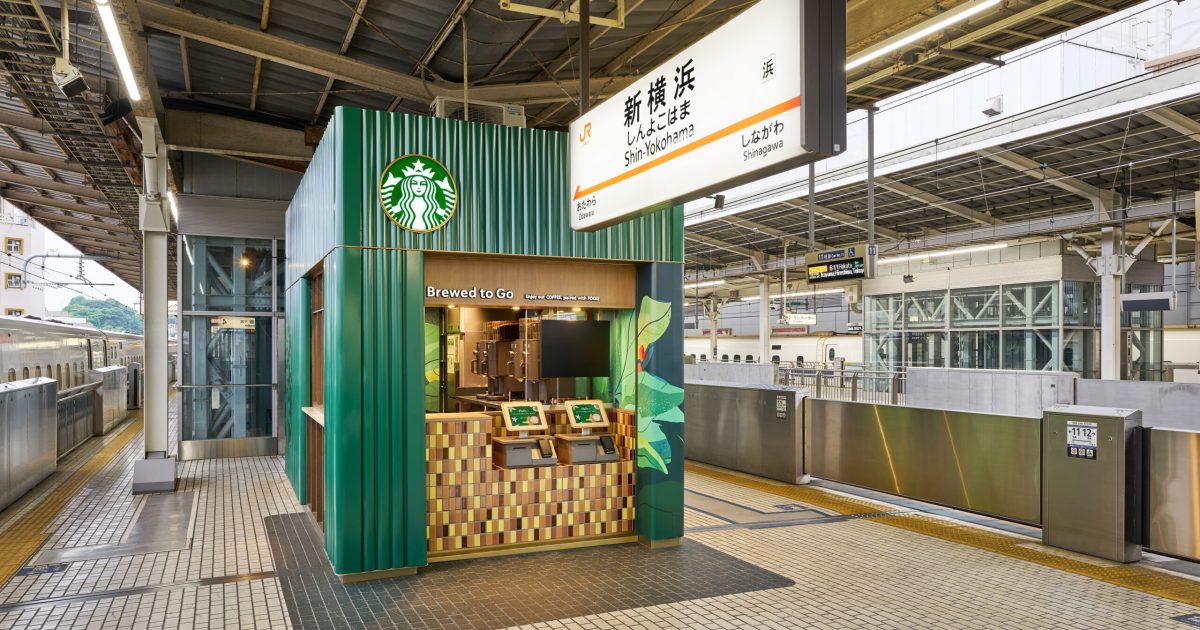
- November 2025: The flagship "Brewed to Go" concept store opens at JR Shin-Yokohama Station, becoming the first Starbucks in Japan to operate directly on a Shinkansen platform.
- December 2025 – March 2026: The store experiences higher-than-anticipated foot traffic. While the novelty is a success, the single-terminal ordering system leads to extended queues, causing some commuters to abandon their orders for fear of missing their trains.
- Late April 2026: Starbucks Japan announces a temporary suspension of operations to conduct a comprehensive audit of the facility’s workflow and equipment.
- June 24, 2026: The store officially reopens, debuting a faster, tech-forward interface and a streamlined customer experience designed for the "grab-and-go" demographic.
The "Brewed to Go" Philosophy and Technical Upgrades
At the heart of the renovation is the implementation of the Clover Vertica brewing machine. Unlike traditional drip-coffee makers that batch-brew, the Clover Vertica is an innovative system that grinds beans and brews individual cups on demand. This technology ensures that every commuter—whether boarding a 6:00 AM train or a late-night service—receives a fresh, aromatic cup of coffee.
Furthermore, the introduction of mobile ordering is a game-changer. Customers can now place their orders and complete payments via the Starbucks Japan mobile app while still on the subway or arriving at the station. This shifts the burden of time away from the platform, allowing the store to function as a collection point rather than a site of active commerce. This transition to a hybrid ordering model (mobile + in-store kiosk) is a strategic move to ensure that the coffee is prepared and waiting precisely when the customer arrives.
Official Stance and Operational Strategy
Starbucks Japan has maintained that the store’s purpose is to act as a "premium companion" to the traveler’s journey. While the staff is limited in their traditional service role due to the automated nature of the "Brewed to Go" model, they remain present to maintain the facility and provide the warm, human-centric service for which the brand is known globally.
"We identified that our customers are not just buying coffee; they are buying time," noted a representative for the project. By acknowledging that the original layout was not optimized for the high-velocity environment of a bullet train platform, the company has demonstrated a commitment to "Kaizen"—the Japanese philosophy of continuous improvement. The decision to close for two months was not viewed by the company as a failure, but rather as an essential investment in service reliability.
The Economics of the Platform Café
Supporting the store’s efficiency is a refined, slimmed-down menu. By focusing on high-volume staples, the shop reduces decision-making time for customers.
- Brewed Coffee: A tall serving is priced at 437 yen (approximately US$3). The focus is on rotating, single-origin Arabica beans that offer a standardized, high-quality profile.
- Snack Integration: The menu highlights include the signature Chocolate Chunk Cookie (236 yen). These items are pre-packaged to ensure that the "wait time" for food is effectively zero, further reducing the risk of a missed train.
The cashless nature of the store is another pillar of its success. By integrating support for transport IC cards (such as Suica or Pasmo), major credit cards, and QR-based digital wallets, the store eliminates the time-consuming process of handling physical currency. This is essential in a station where thousands of passengers are moving in a synchronized, high-speed flow.
Implications for Future Transit Hubs
The Shin-Yokohama experiment serves as a blueprint for the future of retail in transportation hubs. As urban centers become more crowded and the demand for seamless transit grows, retailers must evolve beyond the traditional "storefront" model.
1. The Death of the "Queue"
The primary takeaway from the Shin-Yokohama renovation is that in a transport environment, the queue is the enemy. By utilizing mobile ordering and doubling terminal capacity, Starbucks has redefined the "coffee break" as an integrated part of the transit experience rather than an interruption to it.
2. Technology as a Bridge
The use of the Clover Vertica machine shows that quality does not have to be sacrificed for speed. By utilizing proprietary, high-speed, fresh-grind technology, the brand has proven that it can maintain its premium status even in a high-turnover environment.
3. Data-Driven Design
The willingness of a global giant like Starbucks to close a popular, revenue-generating store to re-evaluate its workflow is a significant signal to the retail industry. It suggests that companies must be willing to pivot based on user experience data, especially when the customer base operates under strict time constraints.

Conclusion: A New Standard for Transit Dining
The reopening of the Shin-Yokohama Starbucks is a success story of modern urban planning and corporate agility. For the thousands of business travelers, tourists, and commuters passing through Shin-Yokohama each day, the platform café has transitioned from a risky, time-sensitive luxury to a reliable, efficient part of their daily commute.
As Starbucks continues to refine this model, the lessons learned here will likely inform the design of future platform-based retail spaces across Japan’s extensive rail network. By prioritizing speed without compromising the sensory experience of a freshly brewed cup of coffee, Starbucks has successfully managed to keep pace with the Shinkansen itself—a feat that, until recently, seemed like an impossible challenge for the coffee industry.
The next time you find yourself on the platform at Shin-Yokohama, waiting for the sleek nose of a bullet train to emerge from the tunnel, you can now rest assured that your caffeine fix is not just possible, but optimized for your departure.


 Neng Nana
 Asro
Asro