Asro
Asro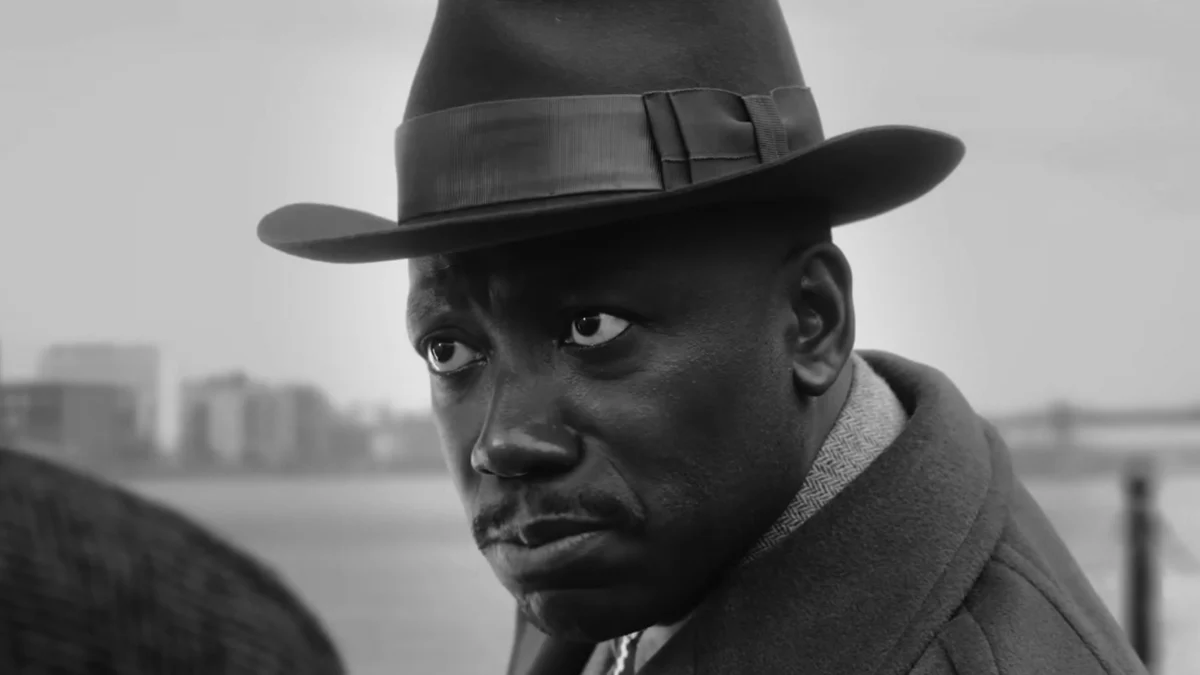
By Editorial Staff
May 27, 2026
The landscape of superhero television shifted fundamentally this week with the conclusion of Amazon Studios’ Spider-Noir. Beyond the intricate noir aesthetic and the gritty, hard-boiled performance of Nicolas Cage as Ben Reilly, the Season 1 finale, "The Man in the Mask," delivered a narrative twist that holds profound significance for the legacy of Marvel on screen.
For the first time in the history of live-action Marvel adaptations, a Black actor has donned the mantle of a Spider-Man variant. Lamorne Morris, known for his comedic timing and dramatic depth, stepped into the iconic suit to portray "The Spider," marking a milestone that has been decades in the making. In an exclusive interview, Morris opens up about the weight of this moment, the secrecy surrounding the production, and the surreal experience of realizing a childhood dream.
The Plot: A Dangerous Game of Identity
In the realm of comic book adaptations, the "secret identity" trope remains a cornerstone of the genre. From the classic deception tactics seen in Batman: The Animated Series—where Dick Grayson famously utilized prosthetics to stand alongside Bruce Wayne—to the high-stakes narrative gambits of the modern era, the protection of the hero’s mask is often the primary source of tension.
In the Spider-Noir finale, this tension reached a boiling point. The series antagonist, Silvermane (portrayed with chilling menace by Brendan Gleeson), had successfully deduced that Ben Reilly was the man behind the mask. During a high-stakes standoff within a dimly lit club, Silvermane orchestrates a trap, threatening the life of singer Cat Hardy (Li Jun Li) to force Reilly to reveal his powers.
The resolution, however, was as clever as it was historic. Robbie Robertson—played by Morris—intervened by donning the suit himself. By mimicking Reilly’s cadence and stature, Morris’s character successfully misdirected Silvermane, buying enough time to avert tragedy. While the plot functioned as a brilliant piece of narrative misdirection, it provided the production with a rare opportunity to showcase a different face behind the mask.
Chronology of a Milestone
The road to this moment has been paved with years of speculation and fan-driven discourse. For decades, the casting of a Black actor as a lead superhero remained a rarity in mainstream media.
![Spider-Noir Actor Lamorne Morris Reflects On Suiting Up As The Spider [Exclusive]](https://www.slashfilm.com/img/gallery/for-the-first-time-spider-noir-actor-lamorne-morris-talks-about-making-marvel-history-exclusive/l-intro-1778871479.jpg)
- The Early Years: While Spider-Man became a global phenomenon through various cinematic iterations, the mantle remained largely tethered to a specific demographic archetype.
- The Animated Revolution: The introduction of Miles Morales in the Spider-Verse franchise proved that audiences were not only ready for, but deeply invested in, a version of Spider-Man who reflected a broader range of the human experience.
- The "Donald Glover" Precedent: Donald Glover’s cameo in the MCU and his vocal role in various Spider-Man projects kept the conversation alive, but a full, live-action transformation remained elusive.
- May 2026: The release of Spider-Noir brings the journey to a head. Through the character of Robbie Robertson, Morris officially enters the pantheon of actors who have worn the suit in a live-action Marvel property.
Supporting Data: Why This Matters
While some may argue that the character of "The Spider" is not strictly synonymous with "Spider-Man" in the traditional sense, the cultural implications are undeniable. As Spider-Noir establishes, the character operates within the same archetypal framework: the burden of responsibility, the struggle against corruption, and the isolation of the hero.
Morris’s performance serves as a bridge between the classic noir roots of the character and a modern, inclusive future for the genre. The technical challenges of the suit—designed to reflect the 1930s aesthetic of the series—also added a layer of complexity to the performance. Morris noted that the wardrobe process was a physical transformation, one that allowed him to inhabit the role of a hero with a sense of gravity and purpose.
Official Response: Lamorne Morris in His Own Words
For months, the production maintained a veil of absolute silence regarding the finale’s twist. Morris, an actor well-versed in the discipline of high-profile projects, held the secret close, knowing the impact it would have on the fanbase. In our exclusive discussion, he reflected on the moment he first saw the script.
"This is the very first time that I’ve answered this question. Period. Ever," Morris shared. "It’s always been such a thing that we can’t talk about. But you’ve seen it all? Oh my gosh, it was a dream come true. Beyond anything. It was one of those things where, when you read it in the script, you go, ‘You have got to be sh*tting me. There’s no way.’"
The actor described the visceral thrill of stepping onto the set in the suit. "Suiting up as The Spider is crazy. And it’s not Miles Morales. Am I the first Black dude to do that? I don’t know. That’s kind of wild, right? But it was fun. I remember in wardrobe, going through the process and moving around going, ‘Hmm, I could get used to this!’ So if Nic [Cage] wants to not do it anymore, I mean, I’m totally down."
Morris emphasized that the experience was more than just a costume change; it was an emotional realization of a lifelong ambition. "You dream about being a superhero, and for a moment there, I was."
Implications: The Future of Marvel Casting
The success of Spider-Noir and the positive reception to Morris’s turn as The Spider suggest a shift in how studios approach casting for legacy roles. The industry is moving away from rigid adherence to source material established in the mid-20th century, favoring instead the "spirit" of the characters—their resilience, their struggles, and their humanity.
![Spider-Noir Actor Lamorne Morris Reflects On Suiting Up As The Spider [Exclusive]](https://www.slashfilm.com/img/gallery/for-the-first-time-spider-noir-actor-lamorne-morris-talks-about-making-marvel-history-exclusive/intro-1778871479.jpg)
By casting an actor of Morris’s caliber in a role that pivots between journalistic integrity and superhero action, Amazon Studios has demonstrated that the "Spider-Man" archetype is expansive. It is not limited by ethnicity, but rather defined by the choice to stand up for the vulnerable.
What’s Next for Robbie Robertson?
Beyond the mask, Morris’s character, Robbie Robertson, serves as the grounded heart of the series. As a journalist navigating the treacherous streets of a noir-inspired New York, his character arc has been one of the most compelling aspects of the show. With the finale leaving the door open for future installments, fans are already speculating on whether we will see more of Morris in the suit.
While Amazon has yet to formally announce a second season, the critical acclaim and the historic nature of this finale provide a strong foundation for continued exploration. Morris, for his part, seems ready to return to the typewriter—or the suit—should the call come.
"It was definitely a dream come true for me," Morris concluded. "And I think that’s the real magic of this show. It’s not just about the powers; it’s about the people who choose to use them."
For now, viewers can catch the entire first season of Spider-Noir on Prime Video and MGM+, where the history of Marvel is being written anew, one frame at a time.

 Nana Wu
 Jia Lissa