Basiran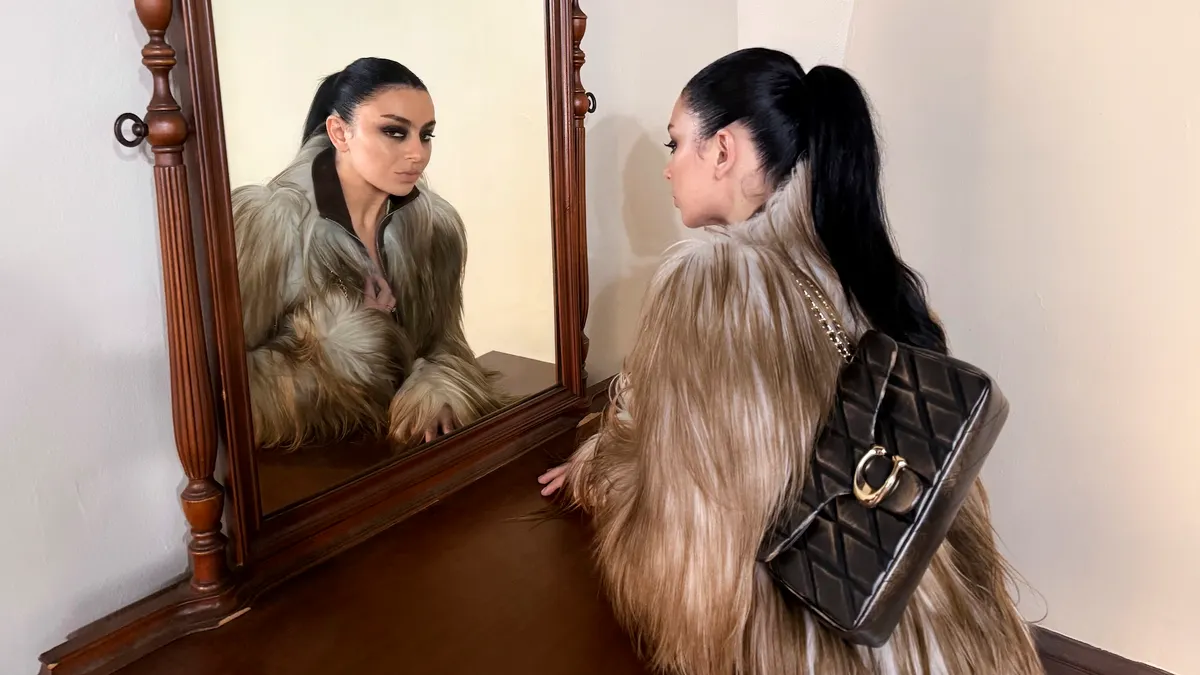
By Peter Adams | June 16, 2026
In an era where the traditional definitions of luxury—exclusivity, untouchability, and rigid prestige—are increasingly clashing with the values of younger consumers, Coach is orchestrating a pivot that aims to dismantle the industry’s "ivory tower" narrative. With the official launch of "&Coach," a new collaborative platform, the heritage brand is positioning itself not as a static status symbol, but as a fluid canvas for individual expression.
By enlisting a roster of influential figures spanning music, sports, and social activism, and by centering the creative process on Gen Z’s preference for shared authorship, Coach is betting that the future of luxury lies in community, not just commerce.
Main Facts: The Genesis of &Coach
The &Coach platform serves as a centralized hub for unfiltered storytelling and collaborative content creation. Unlike traditional luxury campaigns that rely on highly curated, distant depictions of celebrity lifestyle, &Coach is designed to showcase the "behind-the-scenes" reality of its ambassadors.
The platform, which launched with dedicated social media accounts on TikTok and Instagram (@and.coach), acts as an incubator for creative projects. Key partners at launch include pop icon Charli XCX, NASCAR driver Toni Breidinger, musician PinkPantheress, basketball stars Paige Bueckers and Azzi Fudd, K-pop group KiiiKiii, and actor/activist Yasmin Finney.
The initiative is a collaborative effort, developed with strategic support from United Talent Agency’s (UTA) "Next Gen" practice and the creative agency Marcel. By inviting a diverse cohort of Gen Z creators to shape the brand’s output, Coach is attempting to transition from a brand that dictates trends to one that facilitates them.
Chronology: A Strategy Rooted in Evolution
The launch of &Coach is not a sudden departure, but rather the culmination of a multi-year strategy to modernize the brand’s connection with younger demographics.
- Early 2025: Coach began testing the waters of "co-creation," shifting its social media strategy away from traditional high-fashion photography toward user-generated content and authentic, raw video formats.
- February 2026: During a Marketing Dive virtual event, Coach CMO Joon Silverstein signaled a major shift in philosophy, noting that the brand’s power was no longer derived from being a gatekept status symbol, but from how easily consumers could see their own identities reflected in the brand’s aesthetic.
- Spring 2026: The launch of the "Explore Your Story" campaign acted as a proof-of-concept for the &Coach platform. The campaign featured a mix of celebrity talent—including Paige Bueckers and Japanese singer-songwriter Lilas—who worked alongside the brand to document their personal creative journeys rather than simply modeling products.
- June 16, 2026: &Coach officially launches, formalizing the co-creation model into a long-term platform with dedicated social channels, promising a future of evolving partnerships and community-led cultural moments.
Supporting Data: Financial Resilience in a Soft Market
Coach’s pivot to community-focused marketing appears to be paying off in tangible, fiscal terms. While the broader global luxury market has grappled with significant softness and a reported loss of approximately 50 million customers across the sector, Coach remains a significant outlier in its performance.
According to the latest earnings report from parent company Tapestry—which also manages Kate Spade New York—Coach has demonstrated remarkable resilience. For the fiscal 2026 third quarter, which ended March 28, revenue at Coach surged by 31% year-over-year.
This momentum has led Tapestry to revise its full-year outlook upward, with the company now projecting total sales to hit $7.95 billion. Analysts suggest that this growth is directly tied to the brand’s ability to remain "top of mind" for Gen Z consumers who are increasingly sensitive to price-to-value ratios. By positioning itself as an additive to one’s identity rather than a rigid status marker, Coach has lowered the psychological barrier to entry for younger shoppers while maintaining its luxury cachet.

Official Responses: The Philosophy of Participation
The leadership at Coach has been vocal about the necessity of this transition. For CMO Joon Silverstein, the shift is an admission that the traditional top-down marketing model is losing its efficacy with the generation that defines modern culture.
"This generation doesn’t want to inherit a prescribed version of aspiration—they want to shape identity for themselves, and they want to be part of the process," Silverstein said in a formal statement accompanying the launch.
The campaign content reflects this philosophy. For example, rather than a polished red-carpet segment, Charli XCX is captured in a raw, reflective moment during her album rollout. Similarly, NASCAR driver Toni Breidinger is highlighted not just for her aesthetic appeal, but for her role as a trailblazer navigating a male-dominated sport. These moments are curated to feel like genuine slices of life, fostering a sense of intimacy between the ambassador and the audience.
"It’s so much more powerful when our consumers see themselves in the brand and feel like they are helping to build that brand together with us," Silverstein added during the February roundtable. "The goal is to move from ‘I bought this’ to ‘I am part of this.’"
Implications: The Future of Luxury Marketing
The implications of the &Coach initiative for the luxury sector are profound. The traditional "House of Luxury" model, which relies on exclusivity and the aspirational distance between the brand and the buyer, is being challenged by the rise of "participatory luxury."

1. The Death of the "Prescribed" Aspiration
Luxury brands have historically sold a "finished" image—a lifestyle that the consumer aspires to reach. &Coach reverses this by selling the "process." By focusing on the messy, creative, and often challenging realities of their ambassadors’ lives, Coach is making the brand feel more human. This is a crucial distinction for Gen Z, a demographic that is notoriously skeptical of hyper-curated, "perfect" advertising.
2. Social-First as a Primary Channel
By treating TikTok and Instagram as the primary homes for &Coach, the brand is acknowledging that the "mall" experience has been replaced by the "feed" experience. The platform is not a side project; it is the core of the brand’s future identity. This move places the burden on content creators to remain authentic, as the audience will quickly reject any partnership that feels forced or purely transactional.
3. The Power of Cultural Intersectionality
By blending music, sports, and activism, Coach is diversifying its cultural footprint. The inclusion of figures like Yasmin Finney (activism) alongside elite athletes like Paige Bueckers and Azzi Fudd (sports) allows the brand to tap into multiple subcultures simultaneously. This prevents the brand from becoming pigeonholed in a single category, such as "fashion-only," and broadens its appeal to consumers who define themselves by their interests rather than their social status.
4. A Template for Tapestry and Beyond
The success of Coach serves as a masterclass for Tapestry’s wider portfolio. If the company can successfully translate the "co-creation" model to its other brands, it may establish a blueprint for how legacy houses can remain relevant in an increasingly crowded and volatile market.
As the luxury landscape continues to shift, the &Coach platform stands as a bold experiment in humanizing a global brand. By ceding some control over its image to the very people it serves, Coach is betting that in the future, the most valuable luxury item isn’t a handbag, but a sense of belonging. As the platform matures, the industry will be watching closely to see if this "shared authorship" model can continue to drive growth, or if the brand will eventually need to pivot back to the very exclusivity it is currently seeking to dismantle.

 Evan Lee Salim
 Iffa Jayyana