Evan Lee Salim
In a move that has sent ripples of both anticipation and apprehension through the global animation community, a new live-action adaptation of Kiki’s Delivery Service has been officially announced. Departing from the familiar territory of Studio Ghibli’s iconic 1989 animated masterpiece, this upcoming project is slated as a television series produced by the BBC in partnership with the Japanese publisher Kadokawa.
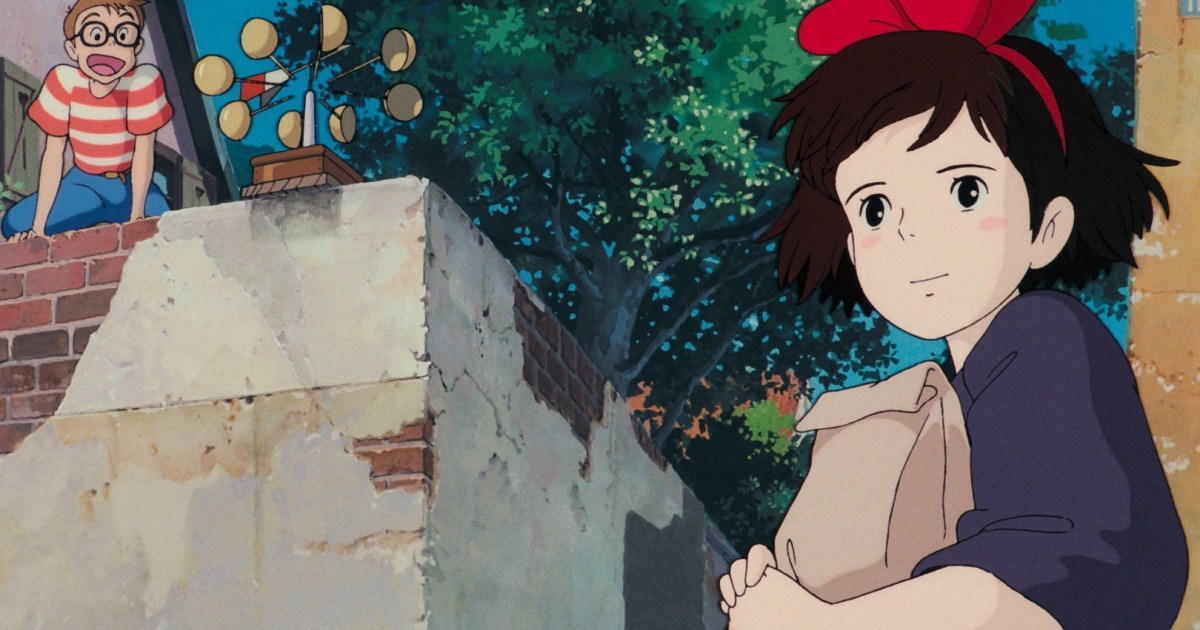
While the announcement promises a fresh take on Eiko Kadano’s beloved literary work, it also signals a challenging journey ahead. For millions of fans, the story of the young witch Kiki is inextricably linked to the visual language of Hayao Miyazaki and the whimsical, pastoral aesthetic of the Ghibli film. As the production team prepares to bring this tale to a live-action format, they face the daunting task of carving out an identity that honors the original source material while navigating the long, golden shadow cast by its animated predecessor.
The Core Facts: A Transatlantic Collaboration
The upcoming adaptation is a significant departure from previous iterations of the franchise. Rather than a standalone feature film, the project is structured as a 10-episode, 30-minute television series, allowing for a more granular exploration of Kadano’s narrative world.
The production is a high-profile collaboration between BBC Studios Kids and Family and the U.K.-based production company Wheel in Motion. Critically, this project will not involve Studio Ghibli or its parent company, Nippon Television Holdings. Instead, the partnership is formed directly with Kadokawa, the Japanese publishing house that holds the rights to the original 1985 novel series.
The creative vision is being steered by screenwriter Irena Brignull, a veteran of family-oriented storytelling whose credits include the 2015 adaptation of The Little Prince and the stop-motion hit The Boxtrolls. While details regarding casting, visual effects, and a release window remain under wraps, the industry is closely watching to see how a Western production house will interpret a deeply Japanese cultural icon rooted in European-inspired fantasy.
A Chronology of Adaptation: From Page to Screen
To understand the weight of this new endeavor, one must look at the long history of Kiki’s Delivery Service. The story’s journey from the printed page to the global stage is a complex tapestry of creative evolution.
- 1985: Eiko Kadano publishes the first Kiki’s Delivery Service novel in Japan, introducing the world to the young witch-in-training and her feline companion, Jiji. The book wins multiple accolades for children’s literature.
- 1989: Hayao Miyazaki and Studio Ghibli release the animated film adaptation. It becomes a cultural phenomenon, effectively defining the image of Kiki for the global public.
- 1993–2009: Kadano expands the universe, penning five sequel novels that chart Kiki’s growth into adulthood, marriage, and motherhood.
- 2014: A live-action Japanese feature film is released. Despite the anticipation, it struggles to resonate with audiences who are firmly anchored to the Ghibli aesthetic.
- 2017: Various stage musical adaptations attempt to capture the magic in Japan and the U.K., meeting with mixed success.
- 2016–2022: Kadano releases three additional side-story books, proving the longevity of the IP beyond the original narrative.
- 2026: The BBC announces a new, episodic live-action series, aiming to revisit the roots of the first novel.
Supporting Data: The Challenge of Intellectual Property
The primary hurdle for the BBC production is the "Ghibli Effect." Because the 1989 film is so pervasive, it has effectively become the definitive version of the story for most of the world. Even in Japan, the term "Majotaku" (the abbreviation for the series) almost universally triggers memories of the Ghibli film rather than the original literature.
Comparative Reception of Live-Action Adaptations
Recent history shows that adapting anime into live-action is a high-risk venture. For years, Western and domestic Japanese attempts were often viewed as "disasters" by critics and fans alike. However, the tide has begun to turn:
- The One Piece Success: Netflix’s live-action One Piece series demonstrated that with high production values and respect for the source material, global audiences are willing to embrace live-action interpretations of stylized animation.
- Stage Play Triumphs: The My Neighbor Totoro stage play in London, featuring music by Joe Hisaishi, proved that Ghibli-adjacent material could thrive in a live-action theater setting if handled with extreme care.
- The Kiki Gap: Previous attempts to adapt Kiki live-action have failed because they were often judged against the Ghibli film’s "look and feel." By focusing on the first book, the BBC series is entering the exact same territory as the Miyazaki film, making comparisons inevitable.
Official Responses and Creative Intent
Despite the pressure, the response from the original creator has been overwhelmingly positive. Eiko Kadano has publicly expressed her enthusiasm for the project, stating, “I’m certain that it’s going to be a wonderful program. I can’t wait to see the series take shape.”
The BBC, meanwhile, is betting on the episodic format to distinguish itself. By moving away from the tight pacing of a feature film, the production team likely intends to emphasize the character development and the episodic nature of Kiki’s delivery business—elements that were present in the books but often condensed in the anime. Irena Brignull’s involvement suggests a commitment to a "magical realism" tone, which, if successful, could provide the series with a unique emotional resonance distinct from the Ghibli version.
Implications: Can the Series Succeed?
The BBC’s Kiki’s Delivery Service represents a pivotal test case for the future of international literary adaptations.
The Risk of Aesthetic Disconnect
The greatest risk lies in the visual language. If the series attempts to replicate the Ghibli aesthetic, it will inevitably look like a "cheap" imitation to the hardcore fanbase. Conversely, if it pivots toward a more contemporary, gritty, or hyper-realistic European setting, it risks alienating those who identify the story solely with the lush, painterly backgrounds of the anime. The success of the series will likely hinge on whether it can establish a visual identity that feels authentic to the 1985 novel while standing on its own two feet.
Expanding the Lore
One of the most compelling aspects of this project is the potential for longevity. While the anime film only covered the first book, Kadano’s literary universe is vast, spanning sequels that follow Kiki as an adult. If the series finds an audience, it has the rare opportunity to adapt the source material that has never been animated—the "Kiki sequels"—effectively giving fans a story they have never seen on screen before.
A New Standard?
If this production succeeds, it could set a new standard for how international production houses partner with Japanese publishers. By bypassing the animation studios and working directly with the literary source, the BBC is treating Kiki not as an "anime adaptation," but as a piece of classic literature.
In conclusion, the path forward for the BBC is narrow. They must respect the legacy of the Ghibli film while demonstrating the courage to diverge from it. If they succeed, they will not only revive a classic for a new generation but will finally bring the full depth of Eiko Kadano’s literary vision to the global stage. Whether audiences will give this version a chance remains the ultimate, looming question—one that will only be answered when the first delivery finally arrives on our screens.


 Neng Nana
 Asro
Asro