

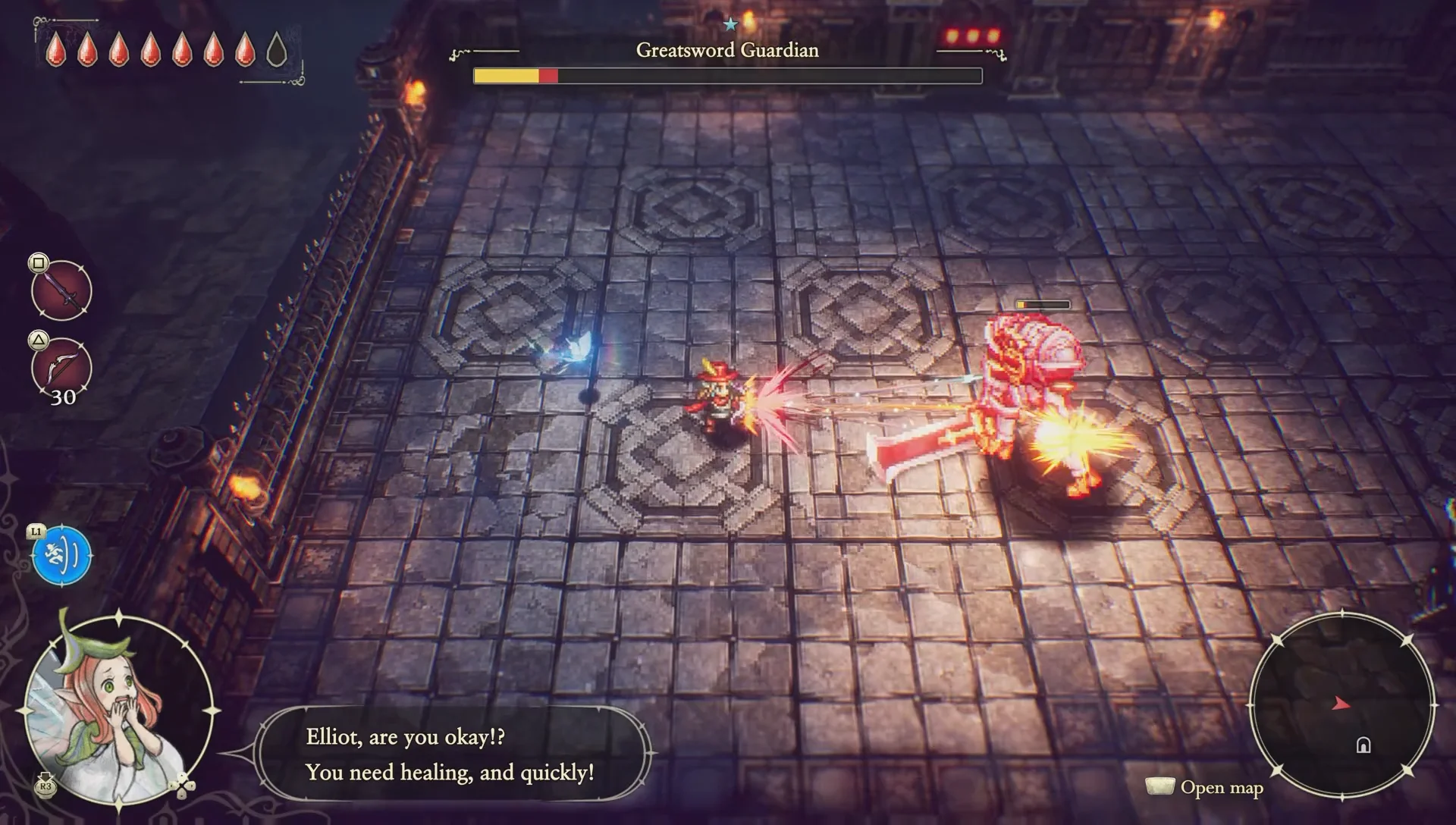
Since the groundbreaking debut of Octopath Traveler, the "HD-2D" aesthetic—a brilliant synthesis of nostalgic 16-bit sprite art and modern, high-fidelity lighting—has fundamentally shifted our perception of retro-inspired titles. What began as a stylistic experiment has evolved into a hallmark of Square Enix’s publishing strategy, effectively scratching the persistent itch for the classic JRPG sensibilities that defined the golden age of the SNES and PlayStation. However, until now, the application of this visual language has been largely confined to the turn-based genre, as evidenced by recent triumphs like the Dragon Quest I & II HD-2D remakes.
That changes with The Adventures of Elliot: The Millennium Tales. Developed by the collaborative force of Team Asano and Claytechworks, this title represents a daring leap for the aesthetic. By pivoting from menu-driven combat to the high-stakes, real-time action of a top-down Legend of Zelda-style adventure, the developers are not just paying homage to the past—they are actively attempting to redefine what an action RPG can look and play like in the modern era.
The Evolution of Gameplay: Lessons from the Demo
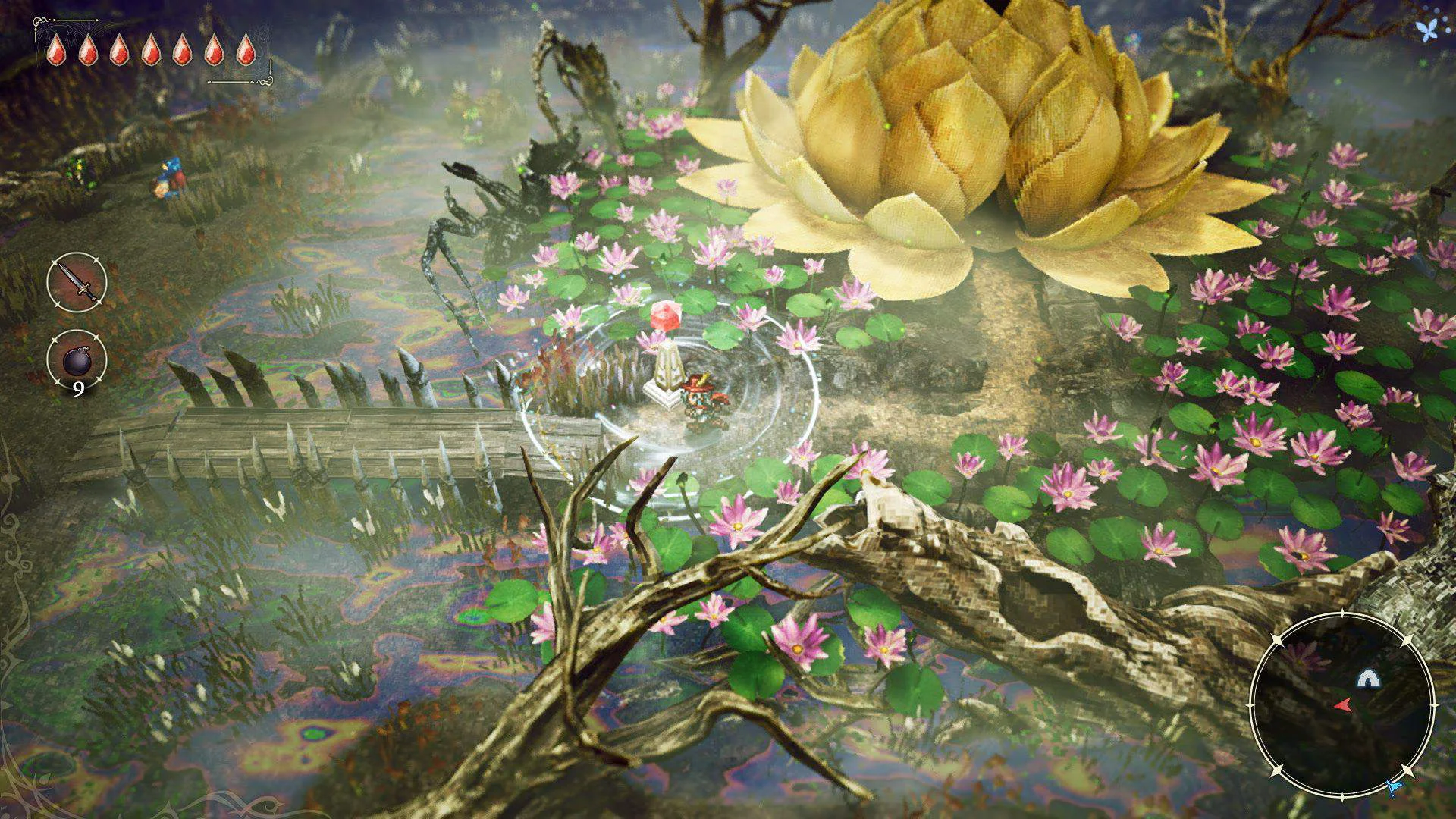
I recently had the opportunity to go hands-on with an updated build of The Adventures of Elliot: The Millennium Tales, thanks to the hospitality of Square Enix. Following a limited, platform-exclusive demo released on the Switch 2 last summer, the development team has been anything but idle. It is clear that Team Asano and Claytechworks treated the fan feedback from that initial release not as mere suggestions, but as a roadmap for refinement.
The most immediate change felt in the latest build is the game’s pacing. Movement speed, particularly for the protagonist, Elliot, has been tightened significantly. This adjustment alleviates the "floaty" sensation often found in early prototypes of top-down action titles, ensuring that every movement feels deliberate and responsive. Furthermore, weapon systems and combat mechanics have undergone a balancing pass, making individual tools feel more distinct and vital to the player’s arsenal. For those who missed the initial demo, the current build offers a much more polished and intuitive experience that bridges the gap between classic design and modern fluidity.
A Visual Revolution: Depth Beyond the Sprite
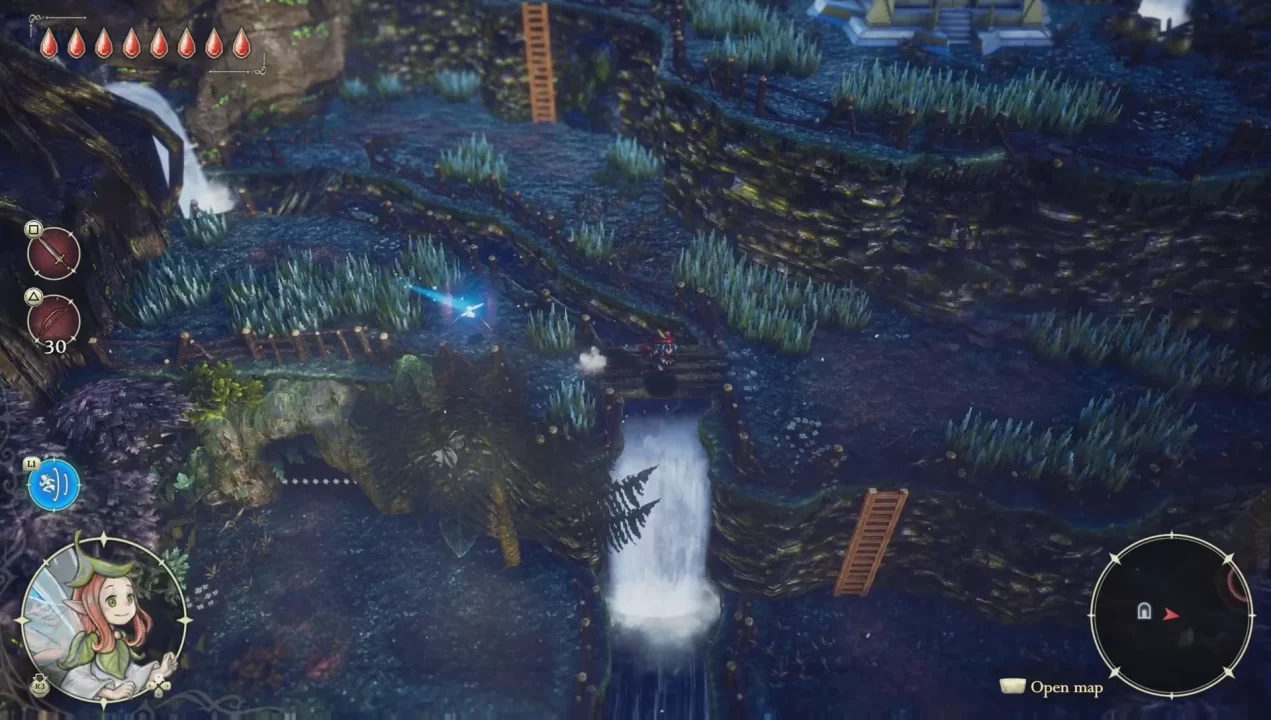
While the market has seen no shortage of Legend of Zelda clones, The Adventures of Elliot distinguishes itself immediately through its visual presentation. The implementation of HD-2D in an action-adventure context is, frankly, a revelation. The proprietary lighting and shadow effects—elements that are technically impossible to replicate in traditional 2D sprite work—provide a level of spatial awareness that adds a new dimension to the gameplay.
In a traditional 2D top-down game, verticality can often feel muddy, with platforms and floor levels blending together in a flat, confusing visual plane. Here, the depth of field and the dynamic interplay of light against pixelated assets allow the player to distinguish between heights and depths with ease. This visual clarity isn’t just for show; it informs the level design. We can expect to see environmental puzzles that utilize these shadow effects to hide or reveal secrets, effectively using the game’s engine as a core gameplay mechanic rather than a simple aesthetic filter. While I personally found the map interface slightly challenging during my initial hands-on session—likely due to the "in media res" nature of the demo—the developers noted that this is designed to feel more organic as players build their mental map of the world naturally throughout the full campaign.
The Combat Engine: A Symphony of Seven Weapons
Does the game play like a Zelda title? The answer is a qualified "yes." It captures the spirit of the genre—complete with an sprawling overworld, distinct time-period shifts, and intricate, multi-layered dungeons—but it quickly diverges from the Nintendo formula to carve out its own identity.
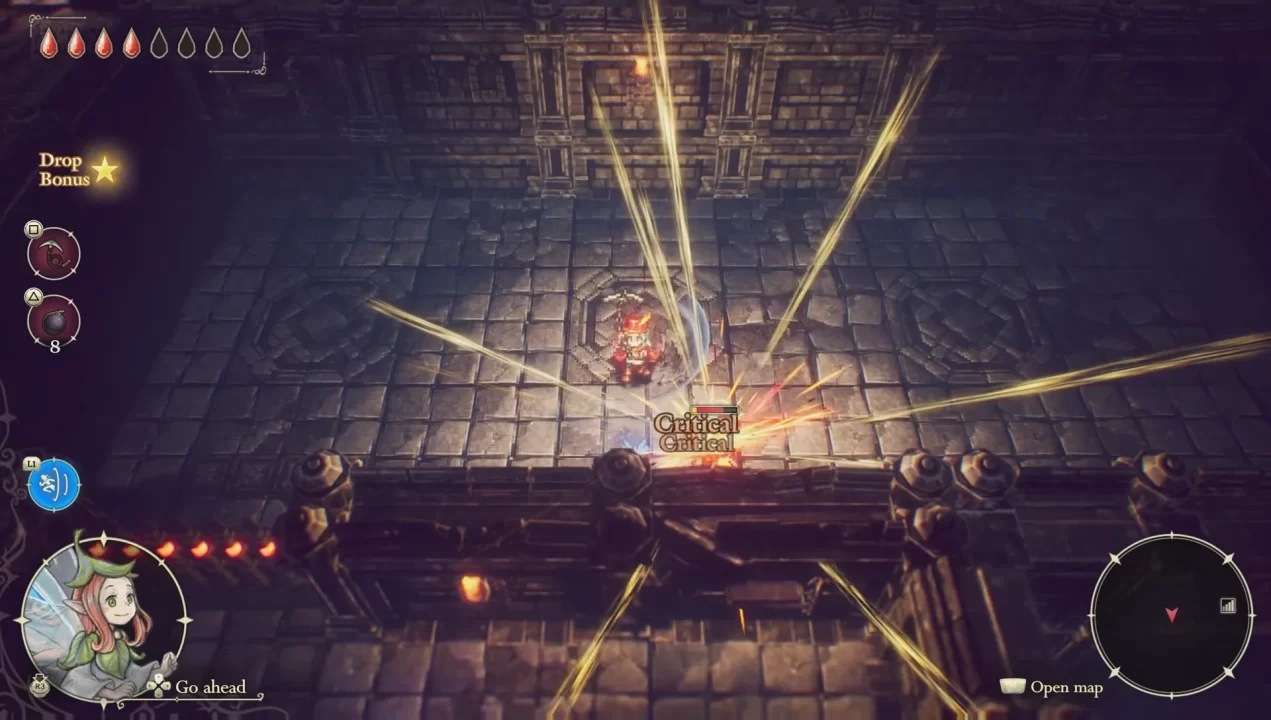
Elliot’s combat repertoire is vast. Rather than relying on a singular blade, he has access to seven distinct weapon types, including the classic sword and shield, boomerang, bombs, hammer, spear, bow, and a devastating chain scythe. The game’s UI allows for seamless swapping, with two weapons mapped to the Square and Triangle buttons at any given time. This encourages a tactical approach: a bomb might be essential for cracking a fortified enemy’s shell, while the chain scythe offers crowd control against nimble, swarming foes.
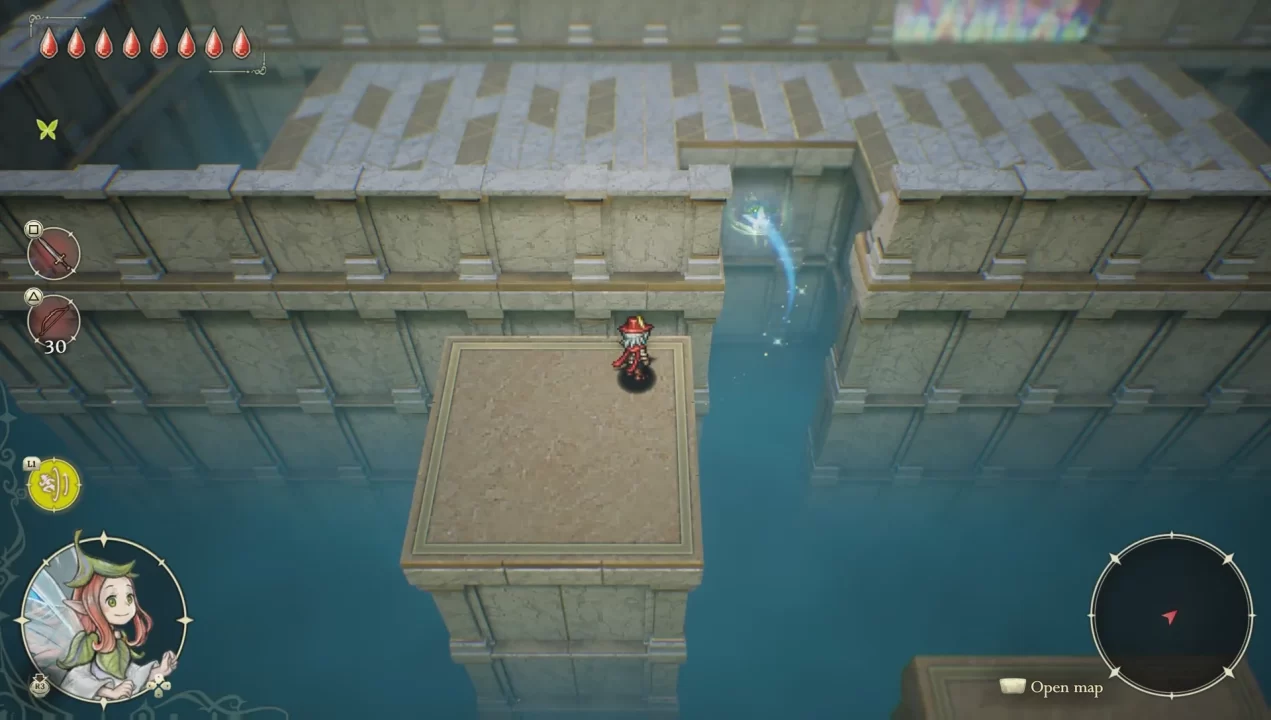
Borrowing a page from the Secret of Mana playbook, each weapon features multiple levels of charge attacks. Mastering the timing of these charges is essential to survival, especially during the game’s challenging boss encounters. The shield mechanic further emphasizes this, as it is not a passive stat buff but requires active input to block, adding a layer of rhythm-based skill to the game’s combat loops.
Companion Mechanics and RPG Depth
The inclusion of Faie, Elliot’s fairy companion, adds a sophisticated layer to traversal and combat that goes beyond the standard "sidekick" trope. Controlled via the right analog stick, Faie acts as an extension of the player’s will. Beyond simple movement assists like the dash and teleport—which allow for traversal across otherwise impossible gaps—the new "Fire" ability showcased in the demo demonstrates the potential for environmental interaction. Faie can burn through overgrowth, melt frozen obstacles, and illuminate dark subterranean passages, suggesting that the game will rely heavily on these companion-based interactions for its dungeon progression.
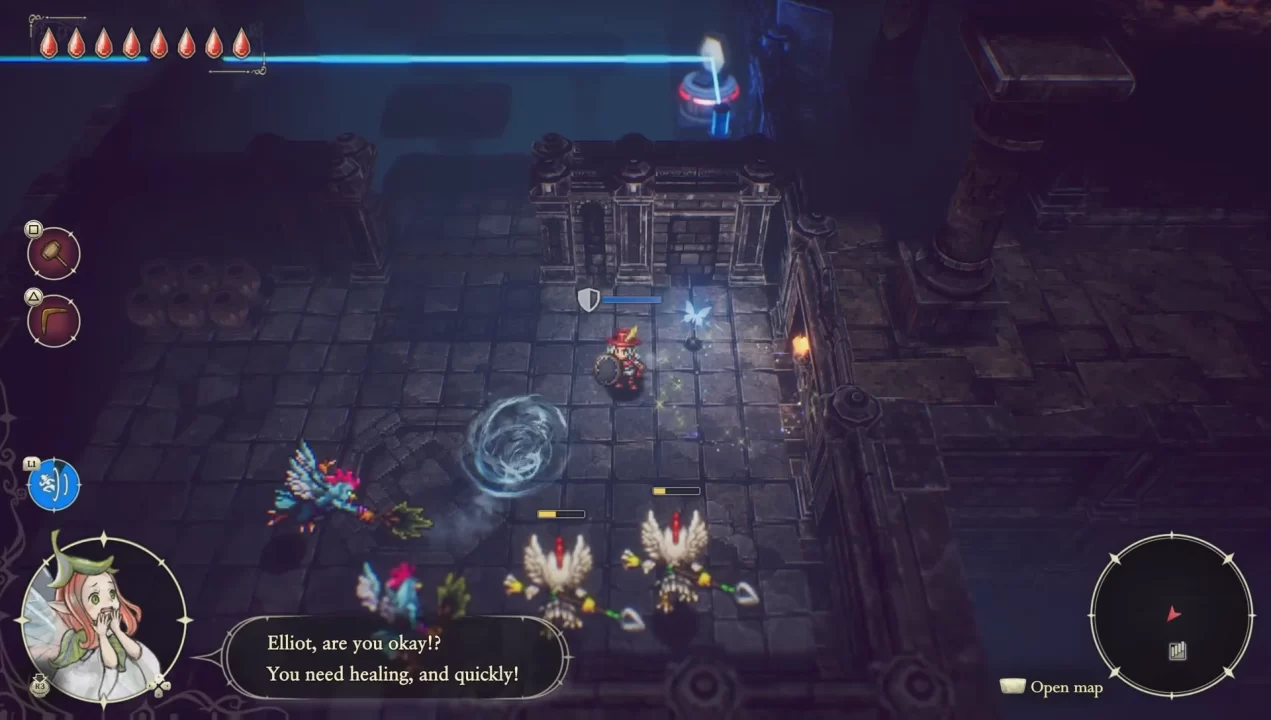
Furthermore, the game leans heavily into its RPG roots with a robust equipment and magicite system. During my playthrough, I acquired a cloak that granted Elliot a hovering ability, reminiscent of Super Mario Bros. 2. This single item transformed the way I navigated dungeons, turning complex platforming sequences into creative puzzles. The magicite system allows for even deeper customization, enabling players to modify weapon behavior—increasing attack speed, enlarging hit radii, or boosting damage output. This level of granular customization pushes The Adventures of Elliot firmly into the realm of a full-fledged RPG, distinguishing it from more linear action-adventure games.
Official Stance and Design Philosophy
In our recent correspondence with the development team, producer Naofumi Matsushita emphasized that the goal was to create an experience that feels as much like a Mana game as it does a Zelda one. "We wanted to provide the sense of wonder and exploration associated with classic top-down adventures, but with the mechanical depth and progression systems that modern RPG fans demand," Matsushita noted.
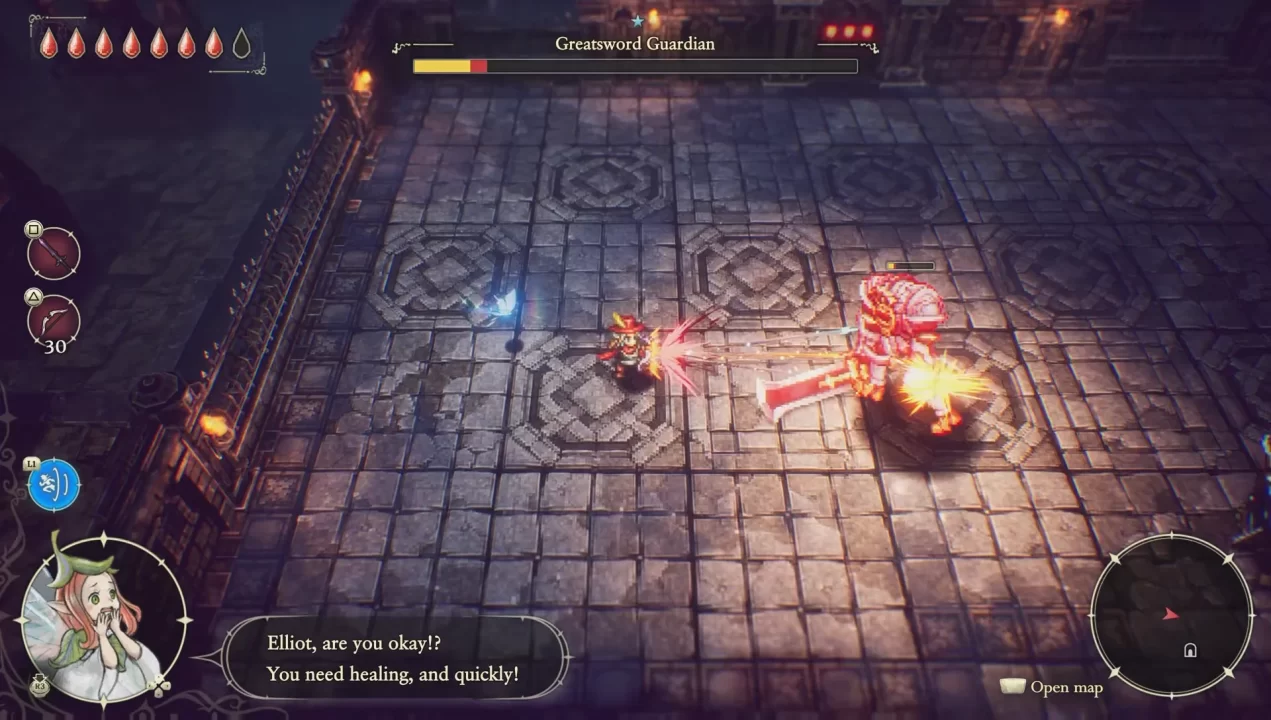
The inclusion of difficulty settings that can be adjusted on the fly is a testament to this inclusive philosophy. The "Very Hard" mode is particularly punishing; it demands perfection in timing and resource management, as the cost of death increases exponentially, effectively locking players out of on-the-spot revivals and forcing them to rely on checkpoints. Conversely, the inclusion of a two-player co-op mode—where the second player controls Faie—adds a unique layer of replayability. Watching the potential for high-speed co-op strategies during my play session, it is clear that the developers have left plenty of room for both casual exploration and competitive speed-running.
Implications for the Genre
The success of The Adventures of Elliot: The Millennium Tales will likely serve as a litmus test for the future of the HD-2D style. If Team Asano can successfully translate this visual language into the fast-paced, real-time action RPG genre, it could open the floodgates for a renaissance of similar titles. It proves that the "HD-2D" label is not merely a gimmick for turn-based nostalgia, but a versatile visual engine capable of supporting complex, multi-layered gameplay.
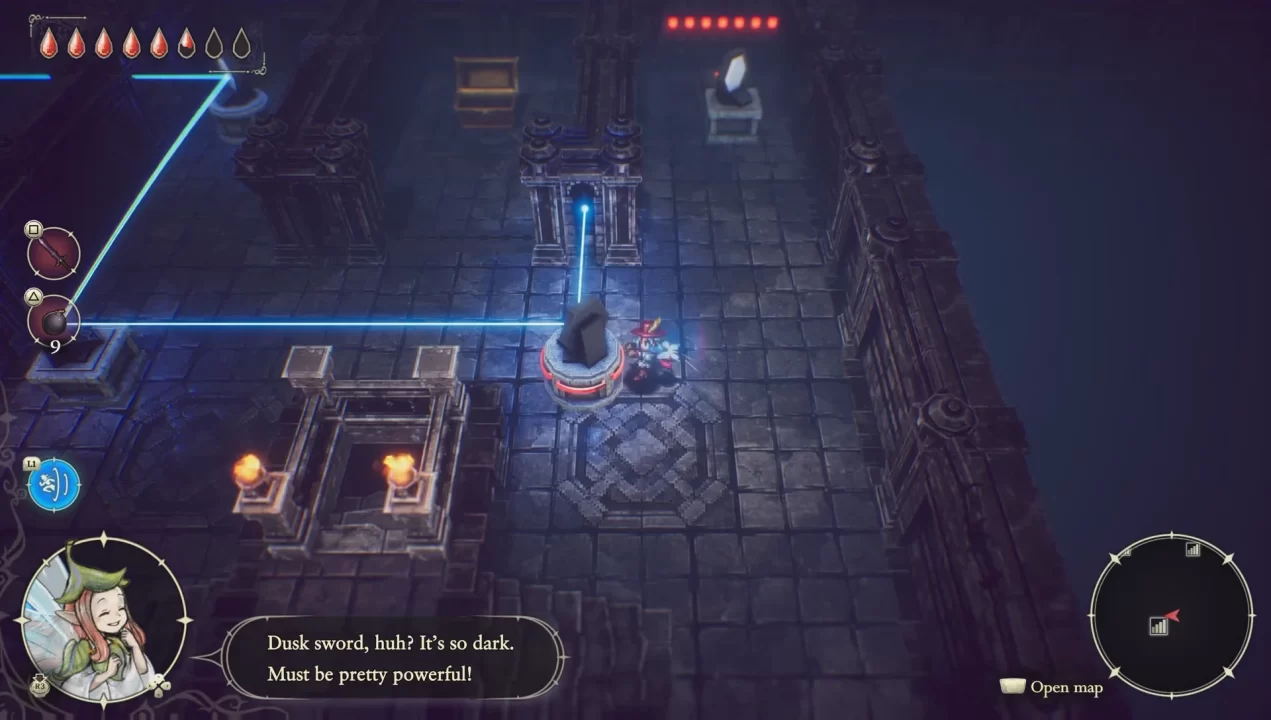
As we look toward the global release on June 18th, 2026, across the Switch 2, PS5, PC, and Xbox Series X|S, the anticipation is palpable. Whether you are a veteran of the 16-bit era looking for a modern evolution of your favorite classics, or a newer player seeking a challenging and mechanically rich action RPG, The Adventures of Elliot is positioned to be a significant release. It combines the comfort of the familiar with the excitement of the new, proving that even after decades, there is still plenty of magic to be found in a top-down, sprite-based world.
For those eager to dive deeper into the mechanics, I highly recommend checking out our full Q&A with producer Naofumi Matsushita, where we discuss the technical challenges of bringing these environments to life and the narrative inspirations behind the millennium-spanning plot. With its blend of innovation, accessibility, and deep RPG mechanics, The Adventures of Elliot is not just a game to watch—it is a game that promises to define its own space in the gaming landscape for years to come.











No comments yet. Be the first to join the conversation!