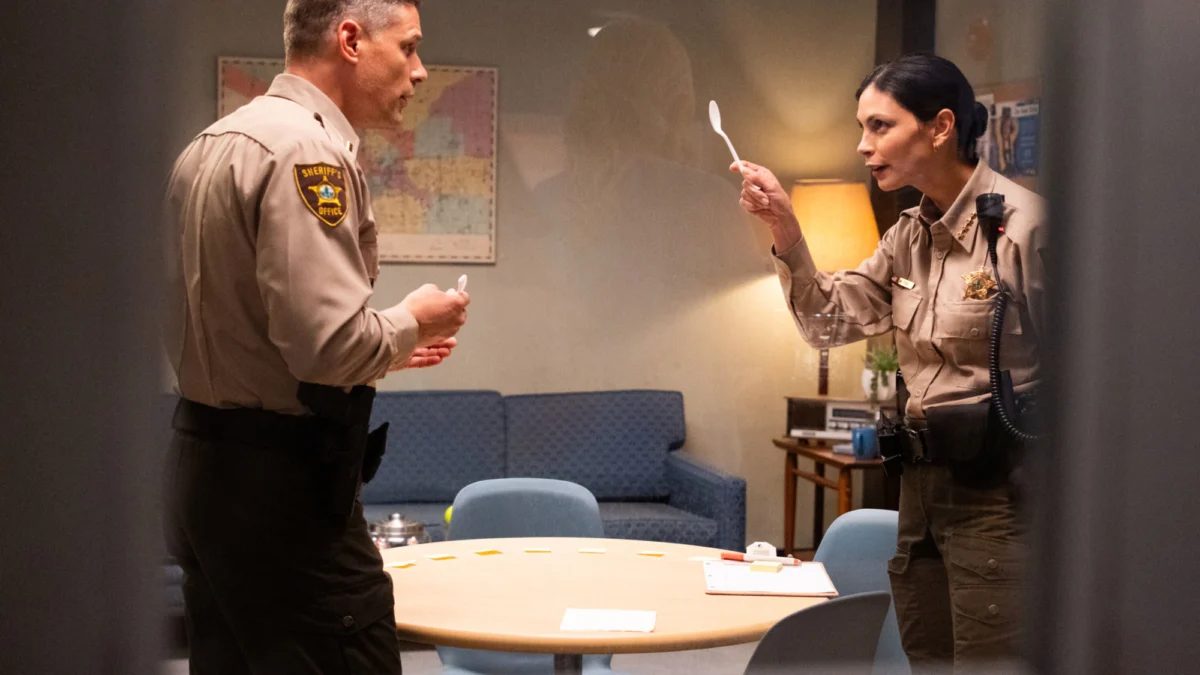
As the television industry gears up for the highly anticipated CBS Fall Premiere Week in early October, the network is keeping the momentum alive for its flagship spinoff, Sheriff Country. With production already underway for the series’ sophomore outing, star Matt Lauria has introduced an engaging, interactive way for fans to bridge the gap between seasons. Every Friday throughout the summer, Lauria is hosting a weekly watch party of the first season, providing viewers with an exclusive, behind-the-scenes look at the creative process behind the Morena Baccarin-led drama.
A Summer of Insight: The ‘Sheriff Country’ Watch Party
For fans of the Fire Country universe, the wait for new episodes can be grueling. Recognizing this, Matt Lauria, who stars as Nathan Boone, has taken to social media to transform the summer hiatus into a communal experience. The weekly watch party, which premiered in mid-July, invites fans to revisit the inaugural season of Sheriff Country with a guided lens.
Through a series of TikTok and Instagram updates, Lauria has promised to break down the series opener and subsequent episodes, offering anecdotes and insights that weren’t apparent during the initial broadcast. This initiative serves a dual purpose: it allows new viewers to catch up on the dense, character-driven narrative of Edgewater County while rewarding loyal fans with deeper context regarding the show’s complex production design and performance nuances.
The watch party is not merely a passive viewing experience; it is an invitation for dialogue. Lauria has encouraged fans to drop questions regarding the show’s development, providing a rare bridge between the cast and the audience. As the industry moves toward more integrated transmedia storytelling, this direct-to-fan approach underscores the growing importance of actor-led engagement in maintaining a show’s cultural footprint during the off-season.
The Chronology of a Mystery: How We Got Here
To understand the significance of this summer watch party, one must look back at the narrative arc of the show’s first season. Throughout the initial episodes, Sheriff Country carefully planted "Easter eggs" that hinted at a deeper, more volatile truth regarding the protagonist, Sheriff Mickey Fox (Morena Baccarin).

Early in the pilot, the established lore suggested that Mickey’s mother had died in the Edgewater County jail while awaiting trial. This trauma served as a foundational element of Mickey’s characterization, defining her worldview and her approach to justice. However, as the season progressed, subtle clues began to chip away at this narrative. The most significant of these was the recurring image of Wes visiting a grave, a sequence that seemed to cement the tragedy in the minds of the audience.
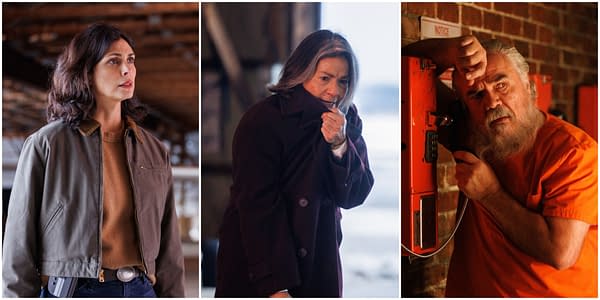
The resolution of this mystery in the Season 1 finale—revealing that Eva Santos (Rachel Ticotin) is not only alive but is the very woman returning to Edgewater to investigate institutional corruption—sent shockwaves through the fandom. By revisiting the first season now, viewers are encouraged to look for the breadcrumbs that Showrunner Matt Lopez strategically placed throughout the series, transforming the re-watch into a detective story in its own right.
Unpacking the Implications of the Season 2 Setup
The revelation of Eva Santos’s survival is the catalyst for the conflict in Season 2. Showrunner Matt Lopez has been transparent about the fact that the upcoming season will be defined by the friction between Mickey, Wes, and Eva.
The Dynamics of Distrust
The narrative tension in the upcoming season will focus on the forced cooperation between these three characters. According to Lopez, Eva’s decision to remain in the shadows was a calculated, albeit painful, choice. She operated under the belief that she was doing what was best for her daughter, despite the long-term psychological toll that such a deception would inflict.
"One of the things we’ll unpack at the beginning of Season 2 is to what extent was Eva Santos trying to learn what kind of person her daughter is," Lopez explained. He noted that the audience’s initial reaction to Eva has been largely polarized, with many viewers expressing hostility toward the character for her perceived abandonment. However, the creative team plans to use this animosity as a springboard for character development. By peeling back the layers of Eva’s past, the writers aim to transform her from a source of conflict into a multi-dimensional protagonist who, despite her flaws, possesses traits that Mickey will eventually find herself echoing.
The Cartel and the Catalyst
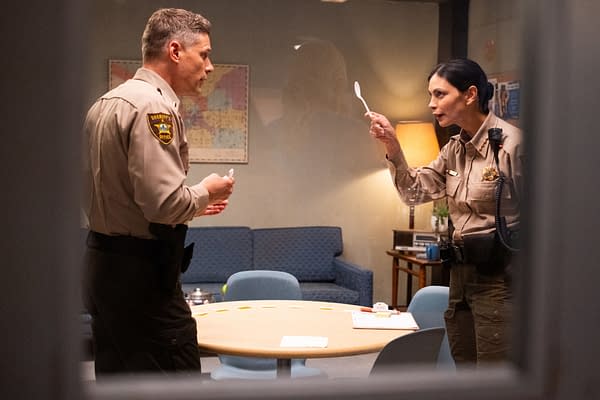
The plot for Season 2 centers on a high-stakes mission to dismantle a local cartel. This mission serves as the "glue" that forces the characters together. Lopez notes that had Wes known Eva was alive before the operation began, he never would have agreed to cooperate. The necessity of their alliance, combined with the personal history of the characters, creates a "delicious" recipe for narrative tension. The show is moving away from the black-and-white morality often associated with procedural dramas and toward a more nuanced examination of family secrets and the cost of survival.
Supporting Data: Character Arcs and Fan Engagement
The success of Sheriff Country relies heavily on the chemistry between the core cast. The decision to highlight the mother-daughter dynamic between Baccarin and Ticotin signifies a shift in the show’s focus from purely procedural crime-fighting to serialized, character-driven melodrama.
The online discourse surrounding these reveals has been intense. Analytics from social media platforms show a significant spike in engagement whenever the "Eva Santos" storyline is mentioned. This suggests that the audience is not just interested in the crime-of-the-week format, but is deeply invested in the long-form storytelling that Sheriff Country has cultivated. Matt Lauria’s watch party, therefore, acts as a stabilizer, keeping the show’s core themes at the forefront of the public consciousness until the October premiere.
Official Responses and Creative Direction
The production team behind Sheriff Country has made it clear that Season 2 will not shy away from the fallout of the Season 1 finale. In interviews, the writing staff has emphasized that the "hostility" Mickey feels toward her mother is a central pillar of the upcoming scripts.
"Mickey, who has a lot of hostility toward her mother when the season starts, will have to acknowledge there’s certain aspects of Eva that are not only quite admirable but remind Mickey of herself," Lopez stated. This suggests that the show is interested in exploring the idea of inherited trauma and whether one can ever truly outrun their origins. The creative direction for Season 2 appears to be doubling down on the show’s identity as a prestige-adjacent drama, utilizing the sprawling landscape of Edgewater County to mirror the internal vastness and complications of its characters.
Looking Ahead: The Road to October
As the summer progresses, the weekly watch parties will continue to serve as a hub for fans to discuss these developments. For those who have yet to dive into the series, the current hiatus is the ideal time to catch up. The combination of behind-the-scenes insights from Matt Lauria and the promise of a volatile, emotional Season 2 makes Sheriff Country one of the most compelling prospects on the CBS slate.
The integration of digital engagement and traditional television promotion is a delicate balance, but by allowing talent like Lauria to lead the conversation, CBS is fostering a sense of community that is vital for long-term retention. As we look toward the premiere in October, the central question remains: can Mickey reconcile with a mother who left her to die, or will the pursuit of justice for the cartel mission reveal fractures that can never be repaired? With the stage set for a season of betrayal, redemption, and high-octane drama, the residents of Edgewater are poised to face their most difficult challenges yet.
For fans eager to stay updated, the weekly watch parties will conclude shortly before the Fall premiere, effectively creating a seamless transition into the new episodes. In an era of fragmented attention, this structured, actor-led engagement proves that the "watercooler moment" still exists—it has simply moved to the digital square.