

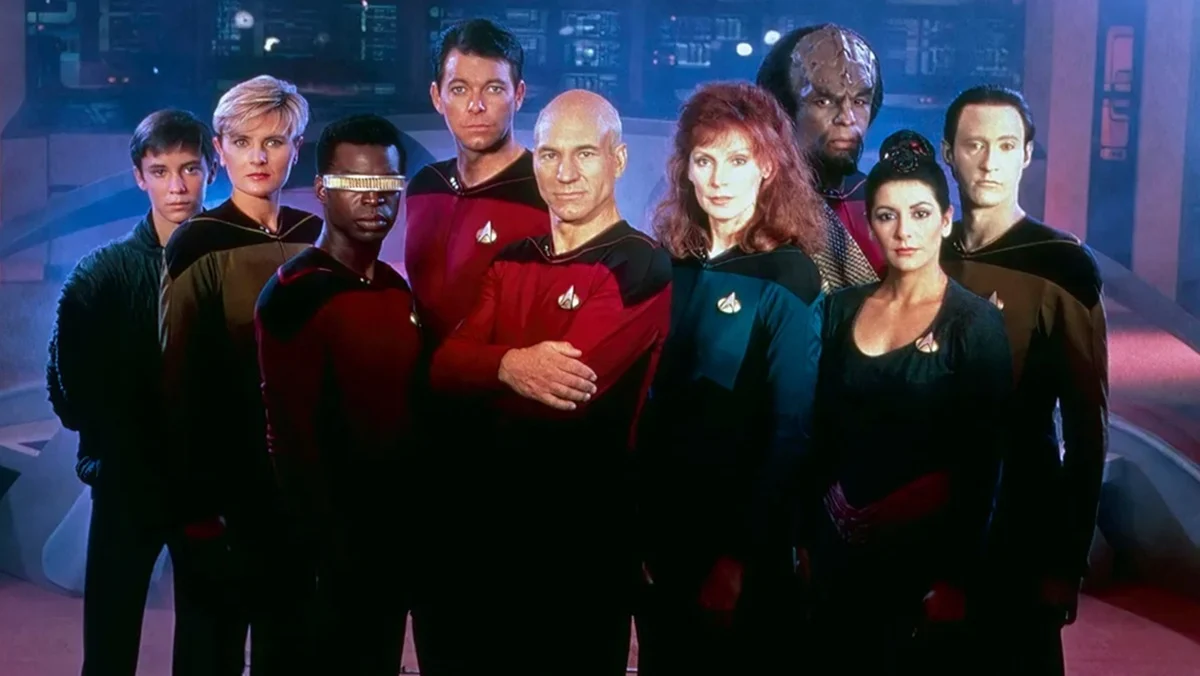
When Star Trek: The Next Generation (TNG) premiered in 1987, it didn’t just introduce a new crew; it introduced a fundamentally different universe. The sleek, diplomatic, and almost academic environment of the USS Enterprise-D—often affectionately described by fans as a "hotel in space with nice carpeting"—stood in stark contrast to the gritty, militarized, and frontier-focused aesthetic of Captain James T. Kirk’s era.
While the show’s internal chronology placed these two eras only 78 years apart, the institutional shift remained largely unexplained on screen. How did Starfleet pivot from a frontier peacekeeping force to a sophisticated diplomatic juggernaut? A compelling new collaborative video from the YouTube channel Spacedock and creator Rowan J. Coleman argues that the answer has been hiding in plain sight since 2007: Christopher L. Bennett’s novel, The Buried Age.
The Genesis of an Era: Unpacking ‘The Buried Age’
For nearly two decades, The Buried Age has sat on the bookshelves of dedicated Star Trek enthusiasts, often overlooked by the broader fandom as merely "supplementary" material. However, the recent deep-dive analysis by Spacedock and Coleman breathes new life into the narrative, positioning the book as a vital bridge between the cinematic Trek of the late 20th century and the refined, intellectual tone of the TNG era.
The novel functions as a character study of Jean-Luc Picard during the "lost years"—the period between the destruction of his first command, the USS Stargazer, and his eventual assignment to the Enterprise-D. It is a masterclass in filling the gaps that television writers of the 1980s were either unable or uninterested in addressing. By detailing the psychological toll of the Stargazer’s loss, the novel explains the hesitation and the eventual growth that shaped the Captain Picard fans have come to know and love.
Chronological Context: From Frontier to Federation
To understand why The Buried Age is so critical, one must look at the timeline. The era of the Original Series (TOS) was defined by the aftermath of the Earth-Romulan War and the precarious nature of early deep-space exploration. It was a time of "cowboy diplomacy." By the time the Enterprise-D launched in 2364, the Federation had undergone a massive cultural shift.

The novel provides the necessary connective tissue for this transition. It explores the political restructuring of Starfleet and the evolution of the Federation’s philosophical stance on exploration. By focusing on the specific political and social pressures that forced Starfleet to modernize its fleet and its training protocols, Bennett’s work provides a grounding reality that the television series largely took for granted.
Unanswered Mysteries and Character Origins
Beyond the macro-level world-building, The Buried Age offers intimate details about the Enterprise-D crew that the television show left as tantalizing, unexplained breadcrumbs.
The Stargazer Aftermath
Perhaps the most significant gap addressed is the nine-year period following the loss of the Stargazer. Why did such a promising officer remain in administrative limbo? The novel explores the trauma of command, the bureaucratic red tape of the Starfleet courts of inquiry, and the existential crisis that Picard faced before finding his footing again.
The First Encounters
Fans have long wondered about the "before-times" for the crew. The novel provides backstory on:
- Data: The process of his integration into Starfleet culture and his early interactions with Picard.
- Deanna Troi: The nature of their professional and personal evolution.
- Kathryn Janeway: Perhaps most intriguing is the established link between Picard and the future Captain of Voyager. The novel offers a nuanced look at their early professional relationship, detailing how their paths crossed long before the Voyager was lost in the Delta Quadrant.
While these events are technically "non-canonical" under the current studio guidelines, the Spacedock video makes a compelling case for their integration. The narrative consistency provided by the book is so high that it feels less like fan fiction and more like a missing season of the show itself.
Supporting Data: Why Fandom Demands Canonization
The argument for canonizing literary works like The Buried Age has gained momentum as the Star Trek franchise finds itself in a state of flux. With Strange New Worlds and Starfleet Academy approaching their final chapters and no new series currently in production, the franchise is facing a transition period.
The data suggests that fans are hungry for "connective tissue" content. The success of lore-heavy series and the enduring popularity of the expanded universe novels indicate that the audience is not just looking for new stories; they are looking for a more cohesive, interconnected history. By pulling from the rich tapestry of existing novels, Paramount could potentially produce a high-value, low-risk project—perhaps an animated limited series—that adapts these stories for a modern audience.
Official Responses and Industry Outlook
To date, Paramount and the current Star Trek creative teams have remained tight-lipped regarding the integration of non-canonical literature into the current television timeline. Historically, the studio has preferred to maintain a "clean slate" for writers, allowing for creative freedom without the burden of maintaining continuity with decades of paperback releases.
However, the industry trend is shifting. With the rise of shared universes in other major franchises, the demand for a "unified theory" of Star Trek is at an all-time high. Producers have previously expressed admiration for the depth of the novels, though official incorporation has remained elusive. Industry analysts suggest that as the franchise approaches the 40th anniversary of The Next Generation, there is a strategic opportunity to lean into nostalgia while simultaneously deepening the existing lore.
Implications for the Future of the Franchise
What are the implications if the franchise were to formally recognize the events of The Buried Age?

- Narrative Integrity: It would provide a solid foundation for future prequels or "in-between-quel" projects, reducing the likelihood of continuity errors.
- Fan Engagement: Acknowledging the efforts of authors like Christopher L. Bennett would validate the decades of support from the literary community, effectively bridging the gap between "show fans" and "book fans."
- Franchise Longevity: By utilizing existing, well-received narratives, the studio can offset the development costs of new scripts while ensuring a high level of quality control, as the source material has already been "battle-tested" by the fandom.
Conclusion: A Perfect Time for a Retrospective
As the clock ticks toward the 40th anniversary of Star Trek: The Next Generation, the franchise stands at a crossroads. The absence of new live-action production offers a rare window of opportunity for reflection and strategic planning. Whether or not Paramount chooses to officially canonize The Buried Age, its existence serves as a testament to the enduring depth of the Star Trek universe.
For fans, the lesson is clear: the history of the Enterprise-D is not just what we saw on screen. It is a vast, interconnected narrative that stretches into the pages of novels and the collaborative efforts of creators across the globe. Whether told through a new animated series or simply enjoyed as a companion to the original episodes, these stories deserve their place in the sun. As we look toward the future of Star Trek, we must remember to look back at the "buried ages" that made the future possible.










No comments yet. Be the first to join the conversation!