

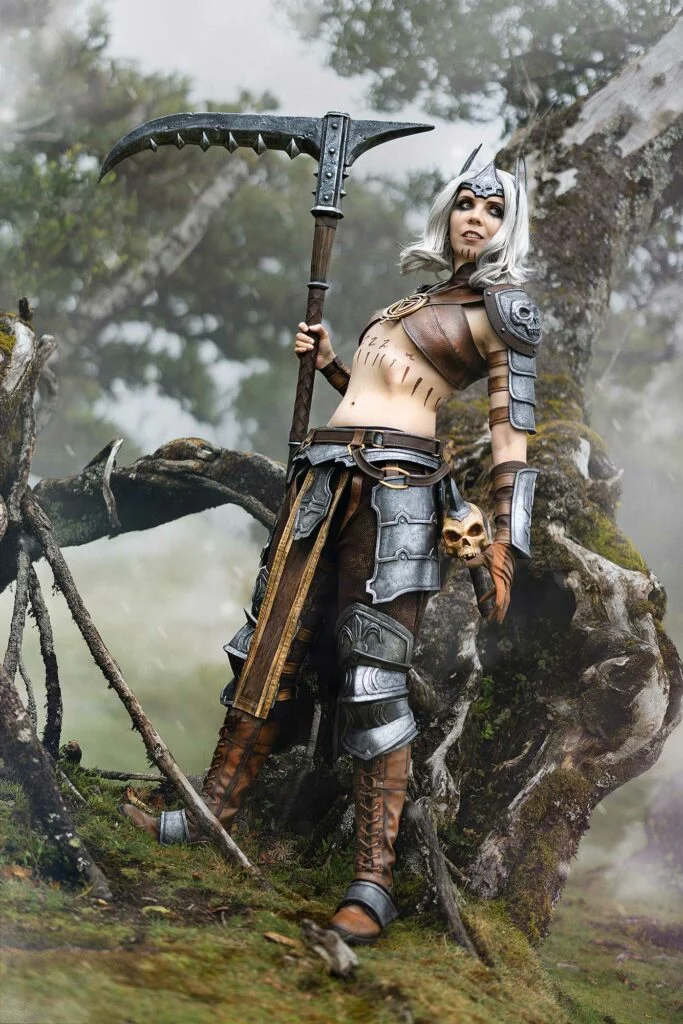
In the world of professional cosplay, deadlines are often the ultimate adversary. For world-renowned creator Svetlana Quindt—widely known as Kamui Cosplay—the challenge of bringing a Diablo IV Necromancer to life was complicated by an even more daunting factor: a two-week window during an international move. Yet, fueled by two decades of passion for Blizzard Entertainment’s iconic franchises, Quindt managed to craft a high-fidelity, screen-accurate costume that stands as a testament to technical ingenuity and sheer creative willpower.
The Genesis: A Blizzard Collaboration
The project began with a unique opportunity. Blizzard Entertainment, recognizing Quindt’s storied history of crafting over 20 distinct armor sets and character designs within the Blizzard universe, reached out to collaborate on the promotion of Diablo IV.
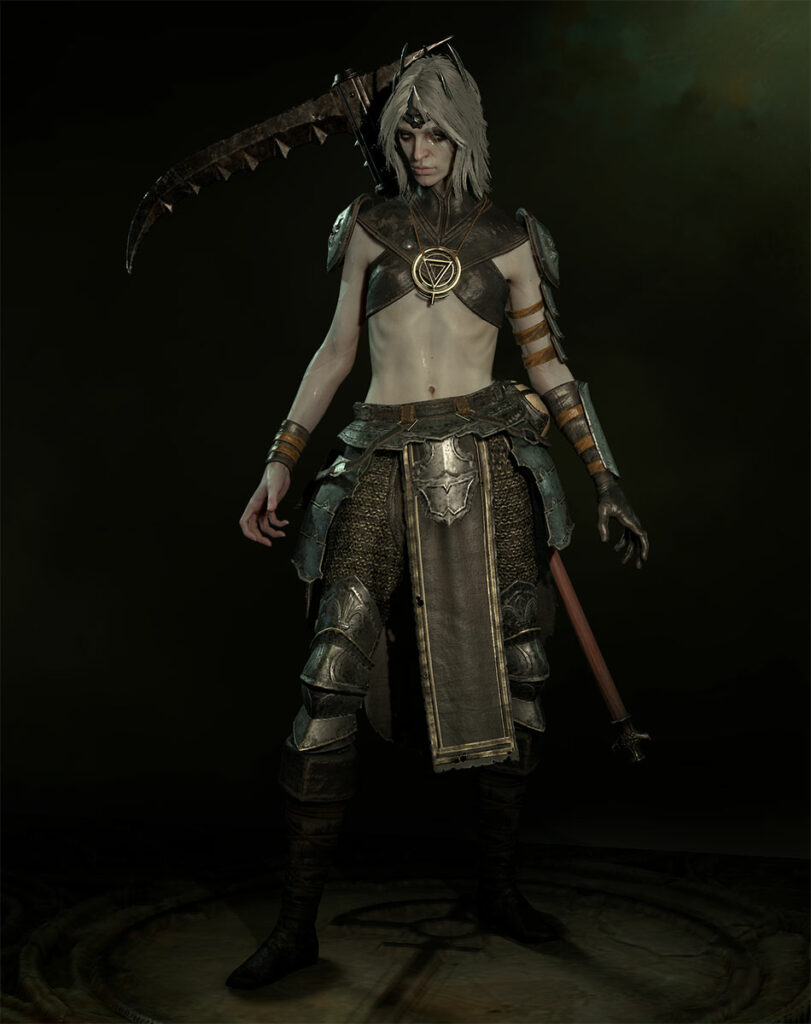
Despite being deep in the logistical chaos of relocating her home and studio to a new country, Quindt could not pass up the chance to represent the Necromancer. "The Necromancer was an amazing-looking class, and I instantly fell in love with the character and armor design," she noted. Unlike many fan-made projects that rely on grainy screenshots or speculation, Quindt was granted the rare privilege of receiving high-fidelity reference renders directly from the developers. This allowed her to finalize aesthetic choices—including tattoos, hair, and armor variations—before the game had even hit the shelves.

Chronology of the Two-Week Sprint
Phase One: Foundation and Prototyping (Days 1–5)
The constraints of the two-week timeline necessitated a rapid, iterative workflow. Quindt eschewed the traditional months-long planning phase in favor of "lightning speed" construction.
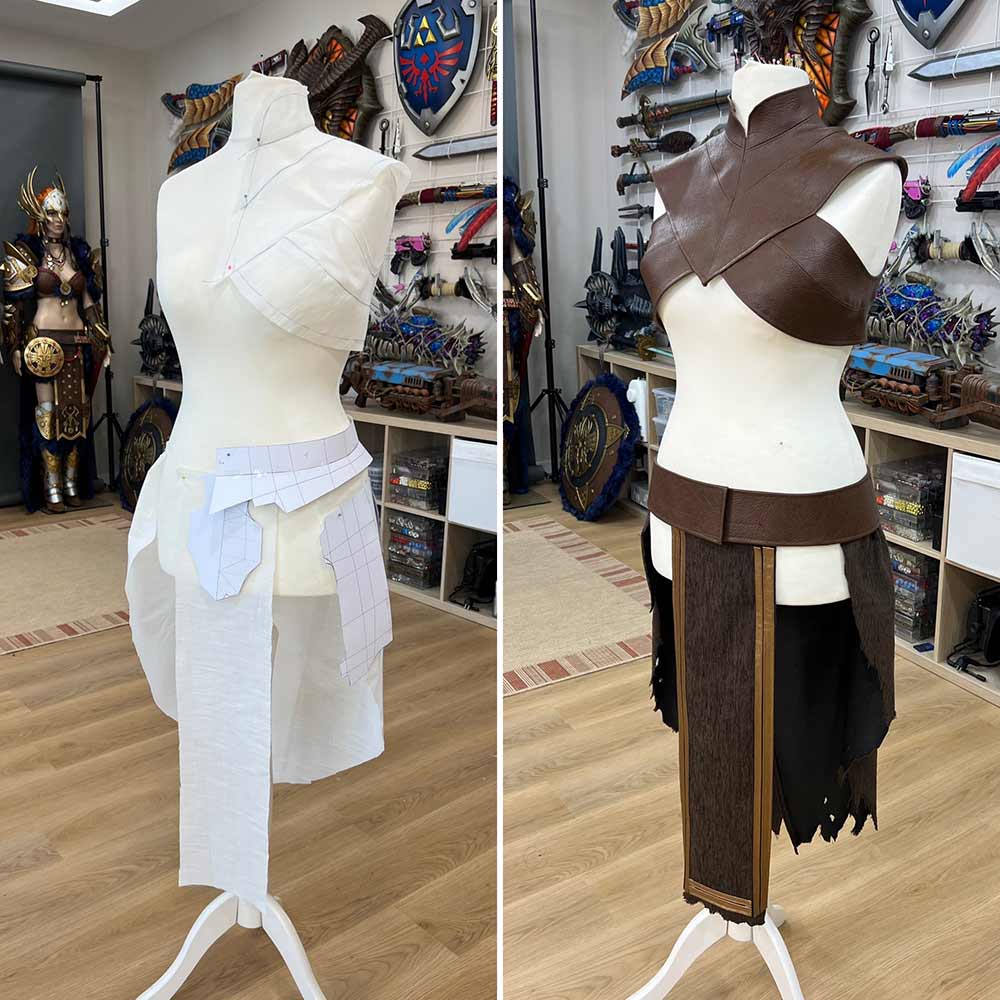
The process began with basic garment architecture. Quindt utilized a tried-and-true method: covering her own torso in duct tape to create a custom-fit mannequin, then draping the skirt using heavy-duty linen fabric. By creating "paper dummies" for the armor segments, she was able to visualize the silhouette and adjust the scale of each piece without wasting expensive materials.
Simultaneously, her husband and collaborator, Benni, turned to digital modeling. Using Blender, he engineered leg armor patterns that mirrored the intricate in-game designs. This digital-to-physical pipeline ensured that the complex geometry of the Diablo IV armor was not only aesthetically accurate but also wearable. By the end of the fifth day, the foundational fabric work and the structural cores of the armor were largely complete.
Phase Two: Foam Fabrication and Detailing (Days 6–10)
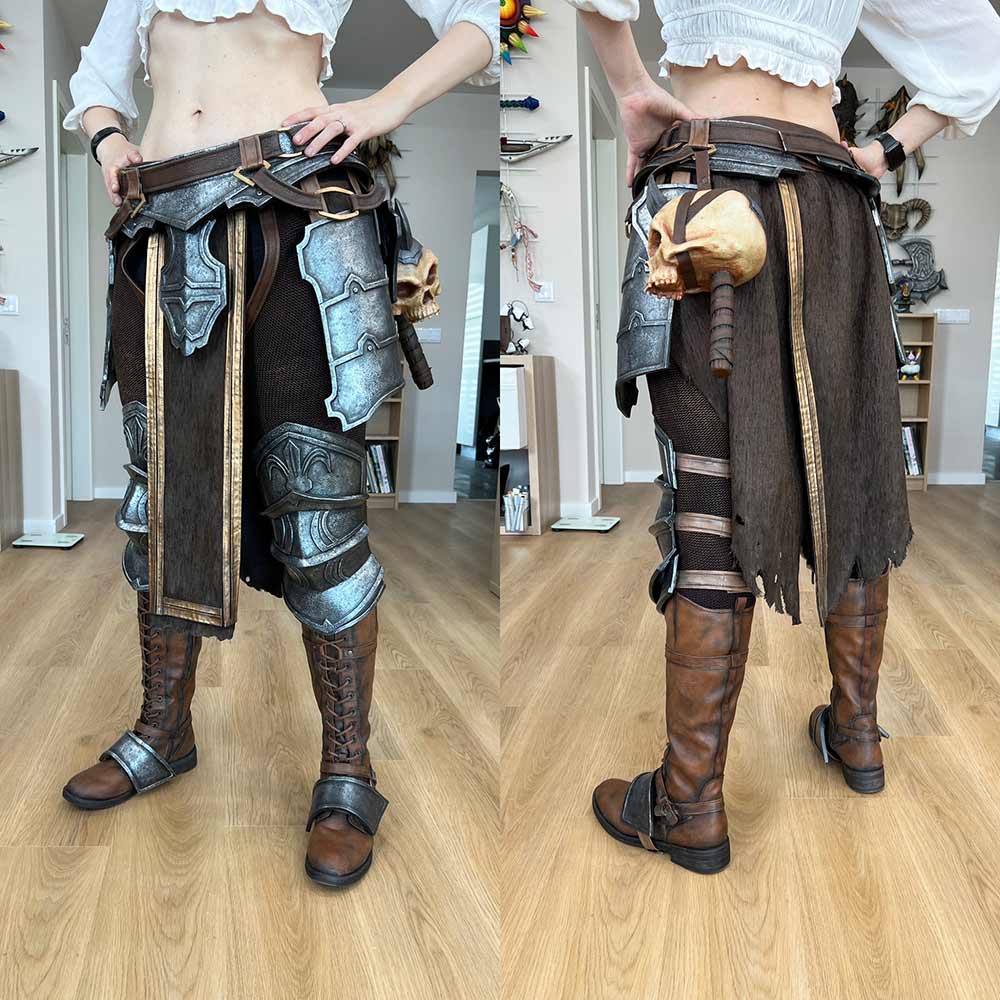
With the patterns established, the focus shifted to the primary material: EVA foam. The armor was constructed using 5mm EVA foam for structural integrity, with 2mm overlays for fine details. To achieve the weathered, dark fantasy aesthetic synonymous with the Diablo franchise, Quindt primed the pieces with a mixture of Flexbond and black acrylic paint.
A critical step in the process was the application of texture. By dabbing an acrylic paste onto the foam, Quindt created a tactile surface that mimicked the look of forged, battle-worn metal. Once dried, this texture was highlighted using "Rub ‘n Buff" in silver, which caught the light and provided depth to the otherwise flat surfaces.
Phase Three: The Scythe and Final Assembly (Days 11–14)
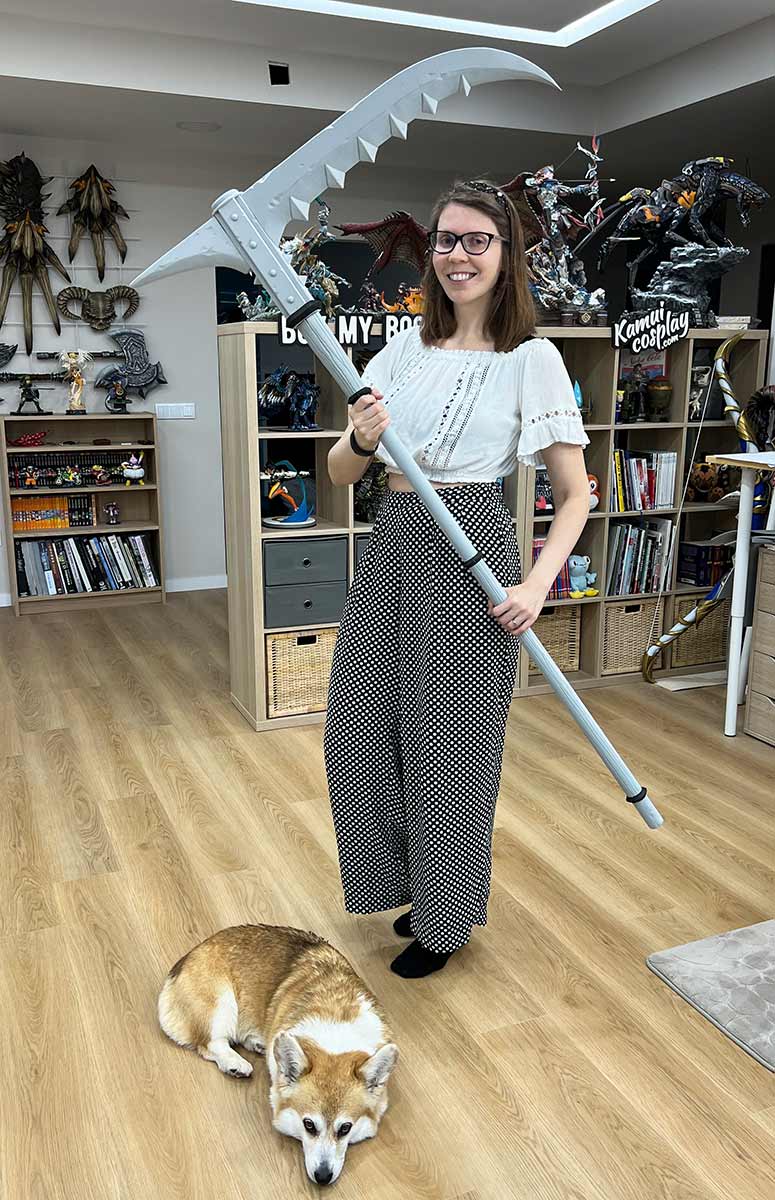
The final hurdle was the Necromancer’s signature weapon: the scythe. Given the time constraints, Quindt opted for a modular design, using PVC pipes of varying diameters as an internal skeleton. The weapon was split into three segments connected by high-strength magnets, allowing for easier transportation—a necessity given the household move.
The blade and handle were fleshed out with foam, carved to perfection, and painted to match the armor. Meanwhile, Benni finalized the "Wilson" prop—a 3D-printed skull that served as the crowning detail for the ensemble. Velcro and faux-leather belts were used to secure the armor pieces, ensuring the costume remained stable during movement.
Supporting Data and Material Logistics
The speed of this project was enabled by a highly optimized supply chain. Quindt sourced the majority of her specialized materials from Cosplayshop.be, a Belgian provider known for its high-density foam and professional-grade adhesives.
Key Material Breakdown:
- Armor Base: 5mm and 2mm EVA Foam.
- Fabric: Heavy-duty linen and brown furniture pleather.
- Chain Mail Faux: Rough knit fabric treated with metallic acrylics.
- Adhesives/Attachment: Heavy-duty velcro, industrial-strength contact cement, and leather straps.
For the documentation of this process, the team utilized a Canon EOS R5 mirrorless camera paired with a 50mm f/1.2L lens. This equipment was vital in capturing the fine textures of the foam and the atmospheric lighting of the final photoshoot location.
The Fanal Forest: A Digital Vision Realized
To complete the transformation into the Necromancer, the team traveled to the Fanal Forest on the island of Madeira. This ancient laurel forest, characterized by its mist-shrouded, 500-year-old trees, provided an environment that felt as though it had been pulled directly from the Sanctuary of Diablo IV.
The shoot was not without its challenges. In the absence of natural fog, Benni utilized post-production techniques to integrate atmospheric effects, ensuring the final images conveyed the dark, gothic essence of the game. The inclusion of their dogs, Zelda and Midna, added a lighthearted touch to an otherwise somber and intense character portrayal.
Implications for the Cosplay Community
The success of this two-week project offers several key takeaways for the broader cosplay community:
- The Utility of Digital Patterns: Benni’s use of Blender demonstrates that digital design is no longer just for 3D printing; it is a vital tool for rapid pattern creation.
- Strategic Simplification: By utilizing modular prop designs and standardized attachment methods like velcro, cosplayers can drastically reduce build times without sacrificing visual quality.
- The Power of Texture: The use of simple acrylic paste to add depth to foam demonstrates that high-end results can be achieved with accessible, inexpensive materials if the artist understands surface manipulation.
- Professional Collaboration: The direct involvement of game studios in providing reference materials is a growing trend. It highlights the shifting relationship between gaming corporations and the fan-creator ecosystem, where high-quality fan content is increasingly viewed as a symbiotic marketing asset.
Conclusion
Svetlana Quindt’s Diablo IV Necromancer project serves as a masterclass in time management and creative problem-solving. While the circumstances—a two-week deadline amidst an international move—were objectively extreme, the final result stands as a testament to the fact that technical skill, when paired with a clear, reference-backed vision, can overcome almost any obstacle. For those looking to replicate her process, Quindt continues to share her knowledge through detailed tutorial books on foam armor and 3D printing, ensuring that the legacy of her rapid-build technique will persist long after the Diablo IV launch hype subsides.










No comments yet. Be the first to join the conversation!