

In the bustling landscape of Japanese retail, convenience stores—or konbini—have long been celebrated as culinary sanctuaries. From high-quality onigiri to seasonal bento boxes, these outlets are pillars of Japanese daily life. However, a quiet revolution has been taking place in the freezer aisles. As consumer habits shifted following the onset of the COVID-19 pandemic, the demand for "stock-up" desserts that offer café-grade quality from the comfort of one’s home surged. Among the standout products driving this trend is 7-Eleven Japan’s "Pancake with Cream & Chocolate Chunks," a dessert that is blurring the lines between mass-produced convenience food and artisanal patisserie.
The Evolution of the Konbini Dessert
For decades, convenience store sweets were viewed as a quick, functional sugar fix. Yet, the Japanese market is notoriously demanding, with consumers expecting high aesthetic standards and refined flavor profiles even in affordable snacks. The pandemic accelerated this expectation; with more time spent at home, consumers began seeking "accessible luxury."
7-Eleven’s strategic pivot toward high-end frozen desserts represents a masterful understanding of this shift. By leveraging advanced flash-freezing technology, the retailer has managed to preserve the moisture and structural integrity of delicate baked goods, allowing customers to enjoy a "freshly prepared" experience on demand.
A Rare Find: The Hunt for the Perfect Pancake
The "Pancake with Cream & Chocolate Chunks" has gained a reputation as something of a "white whale" for snack enthusiasts. Unlike standard pudding cups or refrigerated rolls, this item resides strictly in the frozen food section. Reports from across Japan suggest that demand often outstrips supply, with the product frequently selling out shortly after restock.
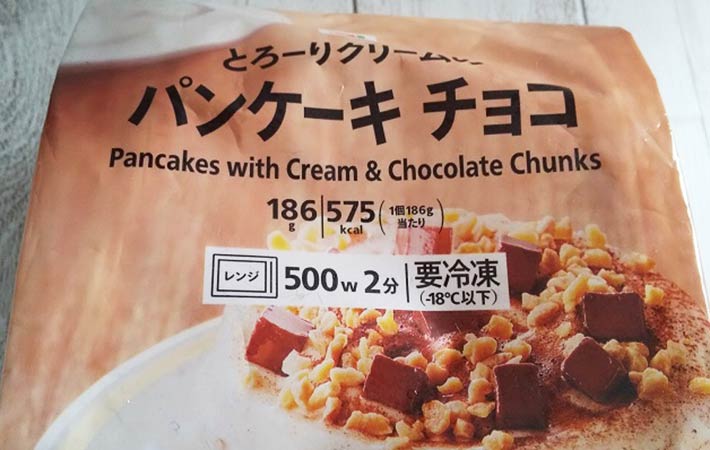
Finding this item is a challenge that has become part of its allure. When one finally locates the sleek, unassuming packaging in a local 7-Eleven freezer, the experience is akin to a successful treasure hunt. The packaging itself promises a decadent experience—a visual representation of a towering, cream-laden pancake stack that invites skepticism. Can a mass-produced, frozen item truly replicate the presentation of a specialty café? The answer, as many have discovered, lies in the preparation.
Step-by-Step: The Anatomy of a Frozen Masterpiece
The preparation process is a ritualistic engagement between the consumer and the product. It requires more than just tearing open a wrapper; it requires patience and a microwave.
1. Preparation and Heating
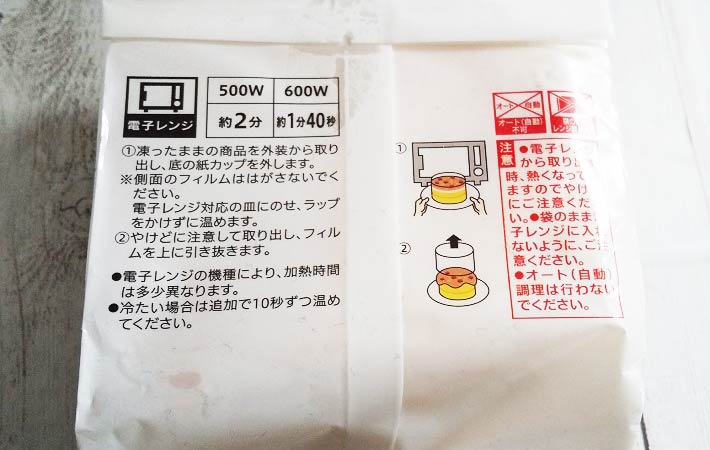
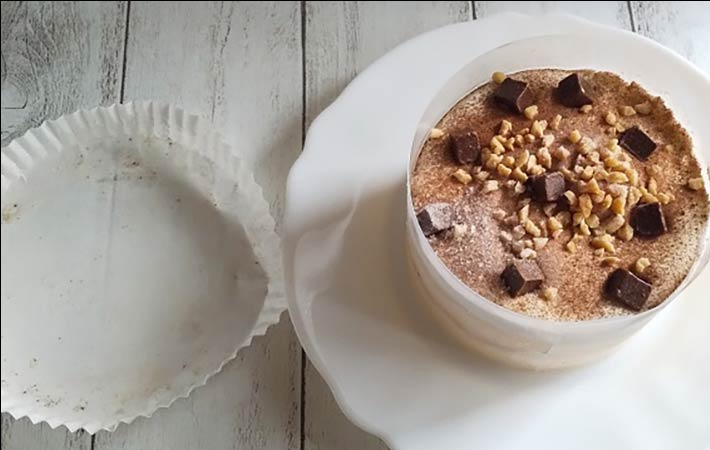
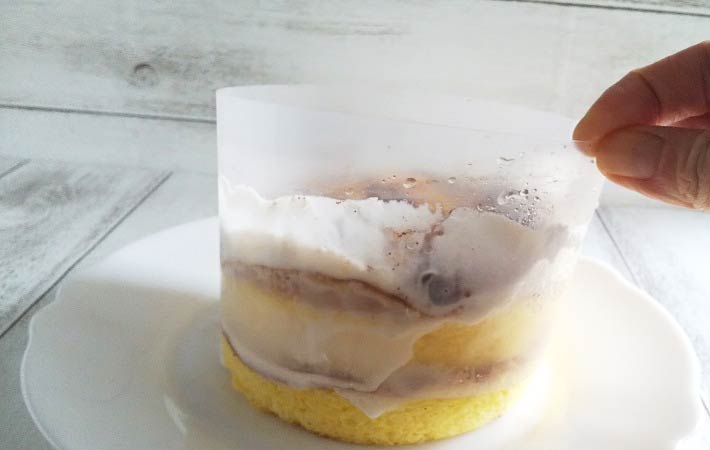
The instructions are precise: remove the paper cup, keep the side film intact, and microwave at 500W for approximately two minutes. The inclusion of a side film is a structural necessity, holding the voluminous layers of cream in place as the internal components thaw and reach an optimal serving temperature.
2. The Transformation
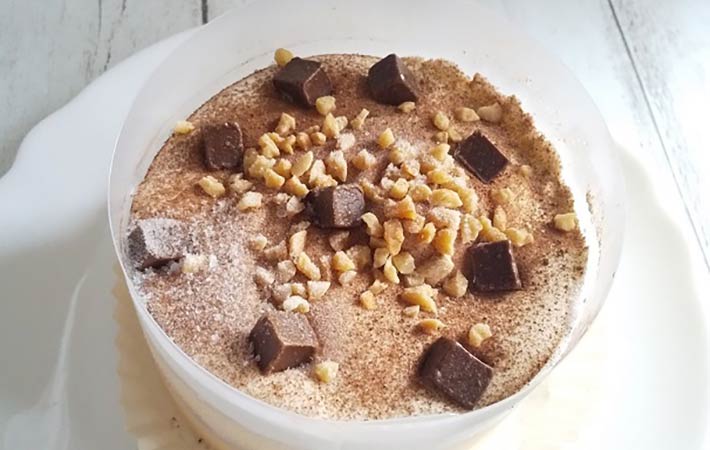
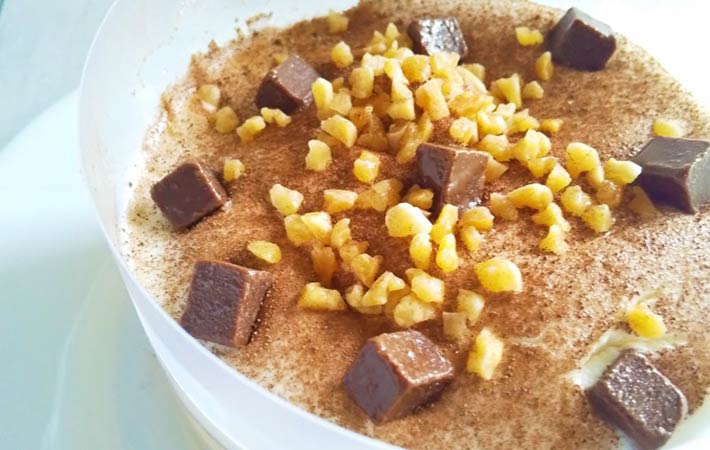
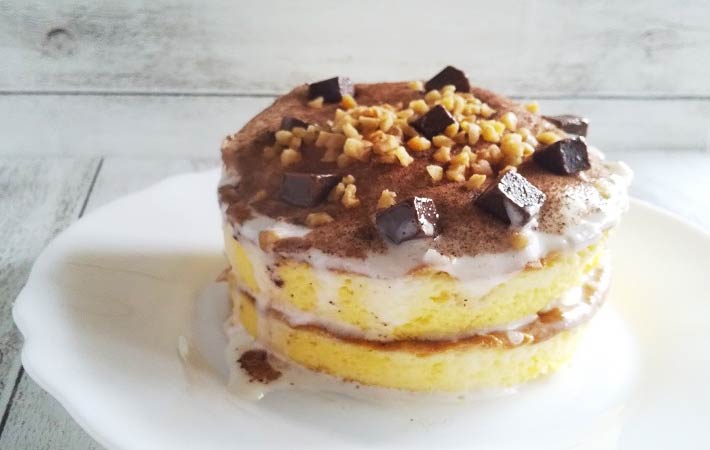
Upon removing the pancake from the microwave, the transformation is immediate. A gentle, sweet fragrance of cocoa and vanilla rises with the steam. The chocolate chunks, once solid, have softened into a luscious, glossy consistency. The visual appeal remains remarkably close to the promotional imagery—a feat rarely achieved by frozen products. The topping, a meticulous assembly of milk cream, chocolate shavings, almond bits, and cocoa powder, sits atop the pancake with an inviting, almost artistic flair.
3. The Structural Integrity
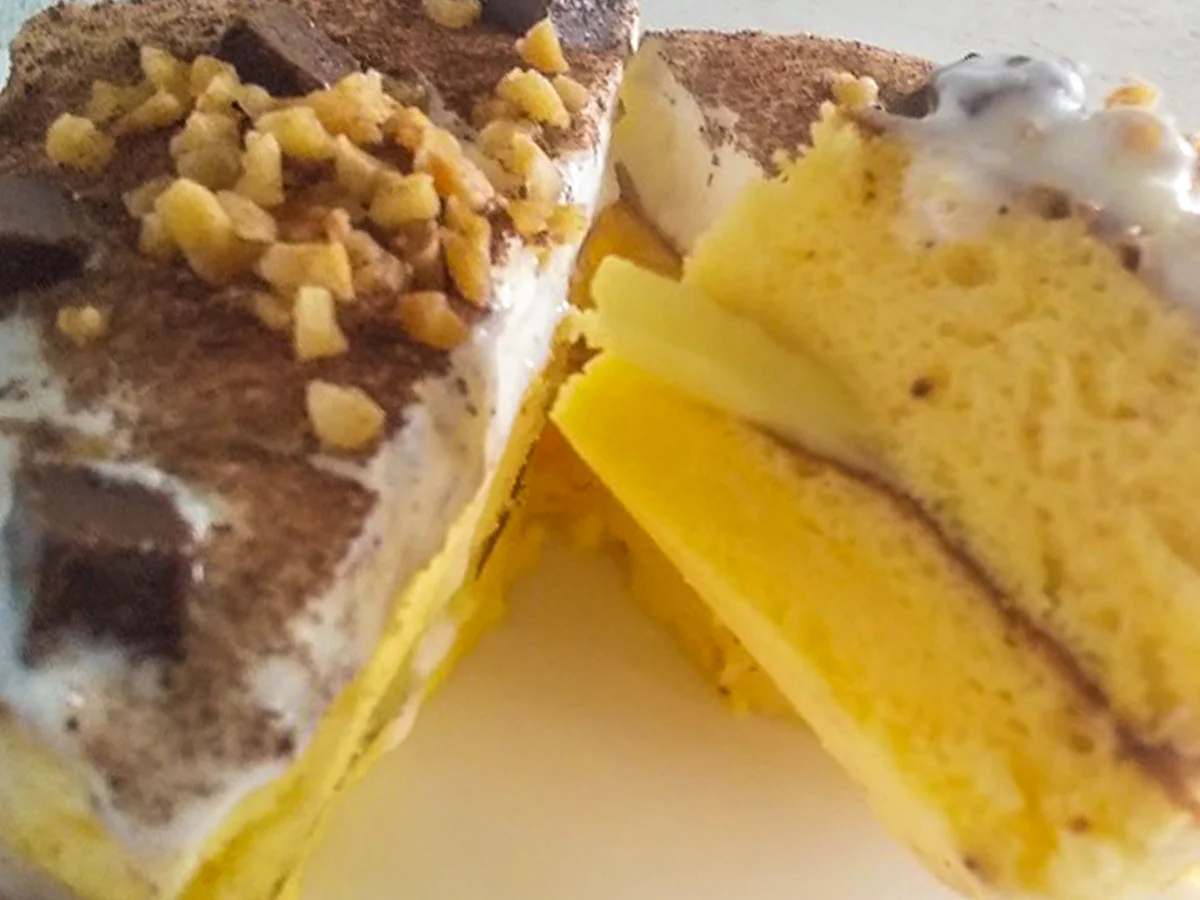
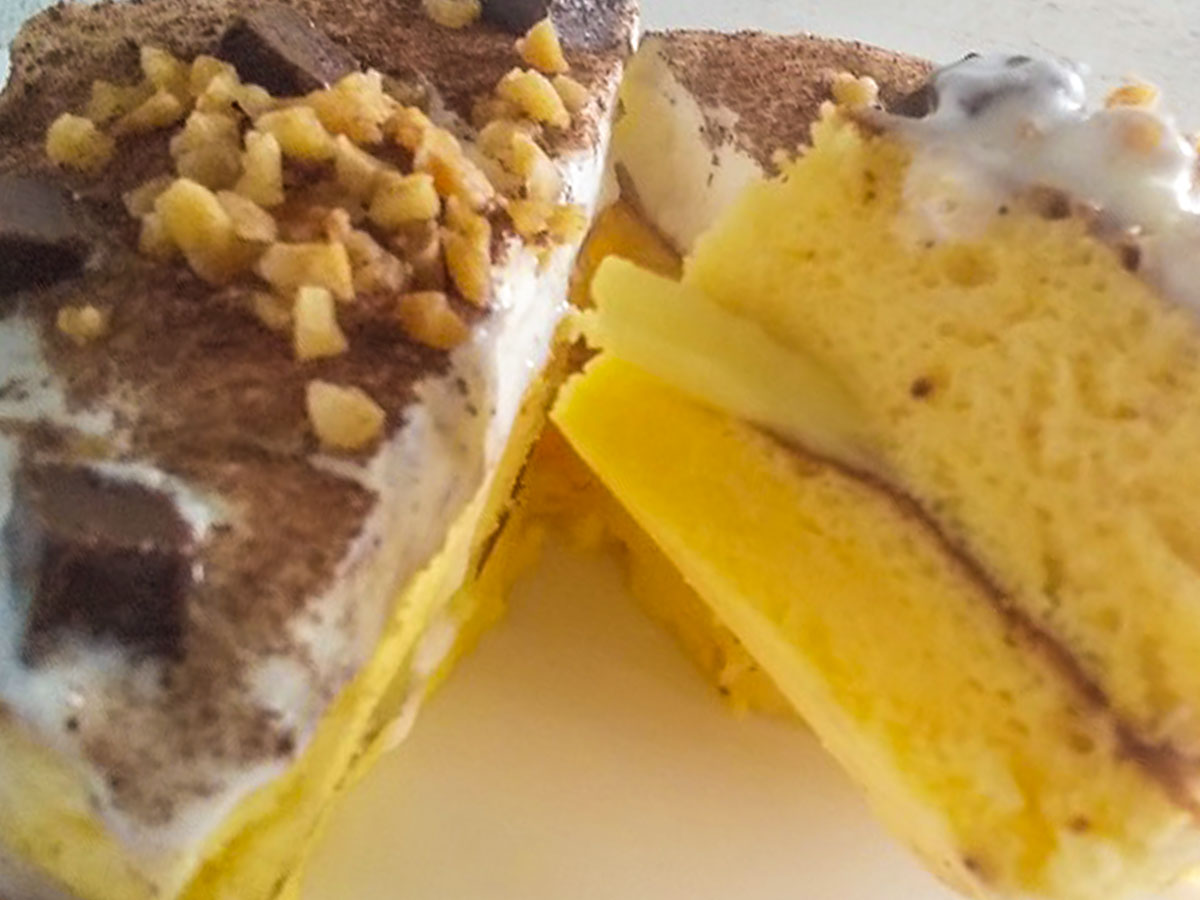
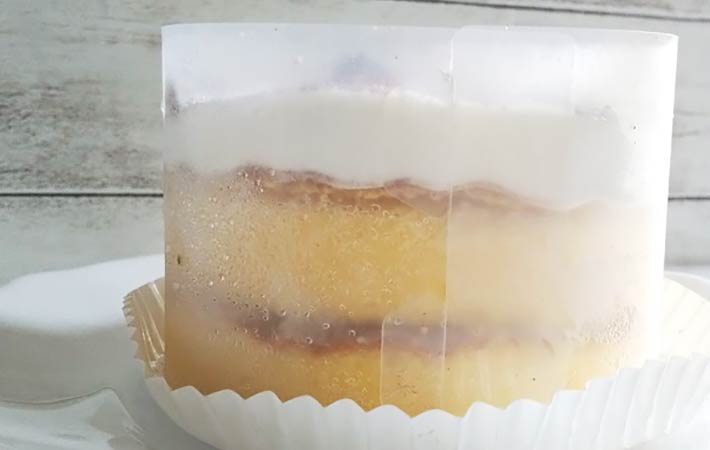
The side film, a potential point of failure for many desserts, peels away with surprising ease. Because the cream is chilled, it retains its structure, preventing the "collapse" that one might expect when handling a warm, moist sponge. The reveal is a restaurant-grade visual: two thick, golden-brown pancakes sandwiched with cream, topped with a generous dollop of garnishes.
Sensory Analysis: Taste, Texture, and Craftsmanship
When one finally takes a bite, the complexity of the engineering becomes apparent.
The Flavor Profile
The initial impression is one of harmonious sweetness. The vanilla custard, hidden as a surprise layer between the pancakes, provides a rich, aromatic foundation that balances the slightly bitter notes of the cocoa powder. The chocolate chunks add a textural contrast, transitioning from a slight snap to a velvety melt as they hit the palate.
Texture and Mouthfeel
The pancake itself defies the common perception of frozen baked goods. Rather than becoming gummy or dry, the sponge remains remarkably fluffy. It possesses a delicate "gooey" quality, reminiscent of high-end Castella or a light sponge cake. The juxtaposition of the warm pancake and the cool whipped cream is perhaps the most impressive technical achievement. Through clever heat distribution, the core remains chilled, providing a refreshing temperature contrast that prevents the palate from becoming fatigued by the sweetness.
Supporting Data: Why This Matters to the Industry
At a price point of 494 yen (tax included) and containing approximately 575 kcal, this dessert is positioned as an indulgence rather than a casual snack. The investment in such a product reflects a broader industry trend:
- Premiumization: Retailers are moving away from "cheap" snacks to "value-added" experiences.
- Shelf-Life Engineering: Improvements in freezer-stable cream technology have allowed for the inclusion of ingredients that were previously thought to be impossible to reheat successfully.
- Consumer Engagement: By requiring the consumer to "finish" the product at home, 7-Eleven creates a sense of participation and pride, increasing the perceived value of the item.
Official Responses and Market Impact
While 7-Eleven has not released specific sales figures for the pancake, the anecdotal evidence is overwhelming. Social media sentiment in Japan frequently highlights the "café-quality" label, with users sharing photos of the dessert and debating the best side-dish pairings.
Industry analysts suggest that this product is part of 7-Eleven’s "Premium Frozen" line, which was designed to compete directly with specialty dessert chains. By keeping the price under 500 yen while offering a high-calorie, highly satisfying experience, 7-Eleven has effectively captured a market segment that wants luxury without the necessity of waiting in line at a brick-and-mortar pancake house.
Implications for the Future of Convenience Dining
The success of the "Pancake with Cream & Chocolate Chunks" signals a shift in the future of the konbini. We are likely to see an expansion of "Finish-at-Home" culinary products. As microwave technology becomes more sophisticated and food science advances, the distinction between a fresh café meal and a frozen convenience item will continue to erode.
Furthermore, this trend suggests that consumers are increasingly willing to trade "instant gratification" for "higher quality preparation." The two minutes required to microwave this pancake are not seen as a hurdle, but as a necessary step to ensure the dessert reaches its full potential.
Conclusion: A Worthy Indulgence
7-Eleven’s frozen pancake is more than just a sweet treat; it is a masterclass in product design and consumer psychology. It acknowledges the constraints of the home kitchen while providing the sensory rewards of a high-end establishment.
If you find yourself navigating the aisles of a Japanese 7-Eleven and spot this elusive frozen gem, do not hesitate. While the 575 kcal count may give the health-conscious pause, the culinary experience is worth the indulgence. In a world where convenience often comes at the cost of quality, this product stands as a testament to the fact that, with the right technology and attention to detail, you can indeed have it all—right from your own freezer.
For the traveler or the resident, it is a small, sugary reminder of why Japan’s convenience store culture remains the envy of the retail world. It is not just about the food; it is about the constant, innovative pursuit of making the mundane extraordinary.











