Muslim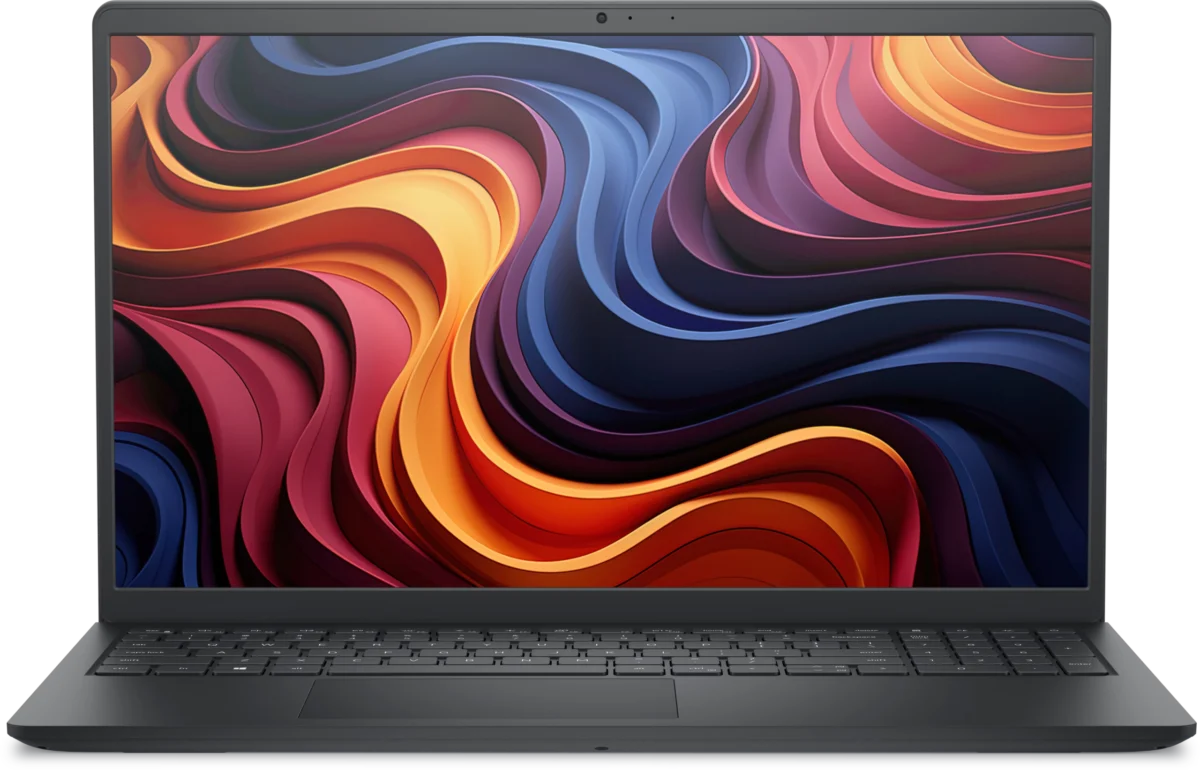
As the retail landscape gears up for major promotional events like Prime Day, Amazon’s storefronts are frequently flooded with "best-selling" notebooks that promise high specifications at seemingly unbeatable prices. Currently, the HP 250 G10 is enjoying a surge in popularity, sitting atop charts and catching the eyes of students and budget-conscious professionals alike. However, beneath its sleek exterior lies a hardware configuration that risks turning a bargain purchase into a source of long-term professional frustration.
While the marketing copy highlights "16GB of RAM" and a "512GB SSD," these specs are deceptive when paired with the machine’s core engine. For anyone looking to invest in a reliable workstation, this model serves as a cautionary tale about the importance of looking past the surface-level numbers.
The Core Issue: An Underpowered Engine
The primary grievance regarding the HP 250 G10 centers on its integration of the Intel N100 processor. While Intel’s "N-series" chips have their place in ultra-low-power, entry-level tablets or specific IoT applications, they are fundamentally ill-equipped to handle the demands of a modern Windows 11 environment as a primary laptop processor.
At a price point hovering just under $500, consumers are paying a premium for a chip that lacks the necessary multi-core architecture to juggle modern browser tabs, background enterprise applications, and the overhead of Microsoft’s latest operating system. While the marketing materials often tout "Intel Inside," they conveniently omit the performance limitations inherent to this specific architecture.
Why "16GB RAM" Isn’t a Silver Bullet
Consumers are often taught that more RAM equals better speed. In this instance, the 16GB of RAM is essentially a "bottleneck mask." Even if you have ample memory to open multiple applications, the Intel N100 processor acts as a throttle. You will find yourself with plenty of available memory, but a processor that cannot process instructions fast enough to keep the interface snappy. This leads to the "stutter effect"—where the system feels sluggish, windows take seconds to render, and multitasking becomes a chore rather than a convenience.
Chronology of the "Budget Laptop" Trend
The rise of these underpowered machines has been a steady trend over the last 24 months.
- Early 2023: As supply chains stabilized, manufacturers sought to keep retail prices below the $500 threshold to attract the "back-to-school" demographic.
- Late 2023: Retailers began utilizing "discounts" (often inflated by questionable MSRPs) to make older or lower-tier components appear like high-value steals.
- Present Day: During major sales events, these machines are pushed to the forefront of search algorithms, using volume-based sales metrics to create a feedback loop that tricks consumers into believing these laptops are "bestsellers" because they are "good," rather than because they are simply cheap.
Supporting Data: The Reality of Daily Use
To understand why this machine falls short, one must look at the synergy between hardware components. The HP 250 G10 is paired with a 41Whr battery. In modern computing, a 41Whr battery is on the lower end of the spectrum. When you combine this with an entry-level processor that often has to work at 100% capacity to perform simple tasks, the power draw is inefficient.
The Performance Gap
- Intel N100 (HP 250 G10): Designed for efficiency, not performance. Struggling with hardware-accelerated video conferencing (Zoom/Teams) and complex spreadsheet macros.
- Typical Mid-Range Alternative (Ryzen 5/Core i5): Offers significantly higher "burst" speeds, better thermal management, and longer battery life due to superior power-per-watt efficiency.
In real-world testing, users report that after six months of ownership, the system latency increases as Windows updates and background security software consume the meager resources of the N100 chip.
The "Marketing Trick": Deceptive Discounting
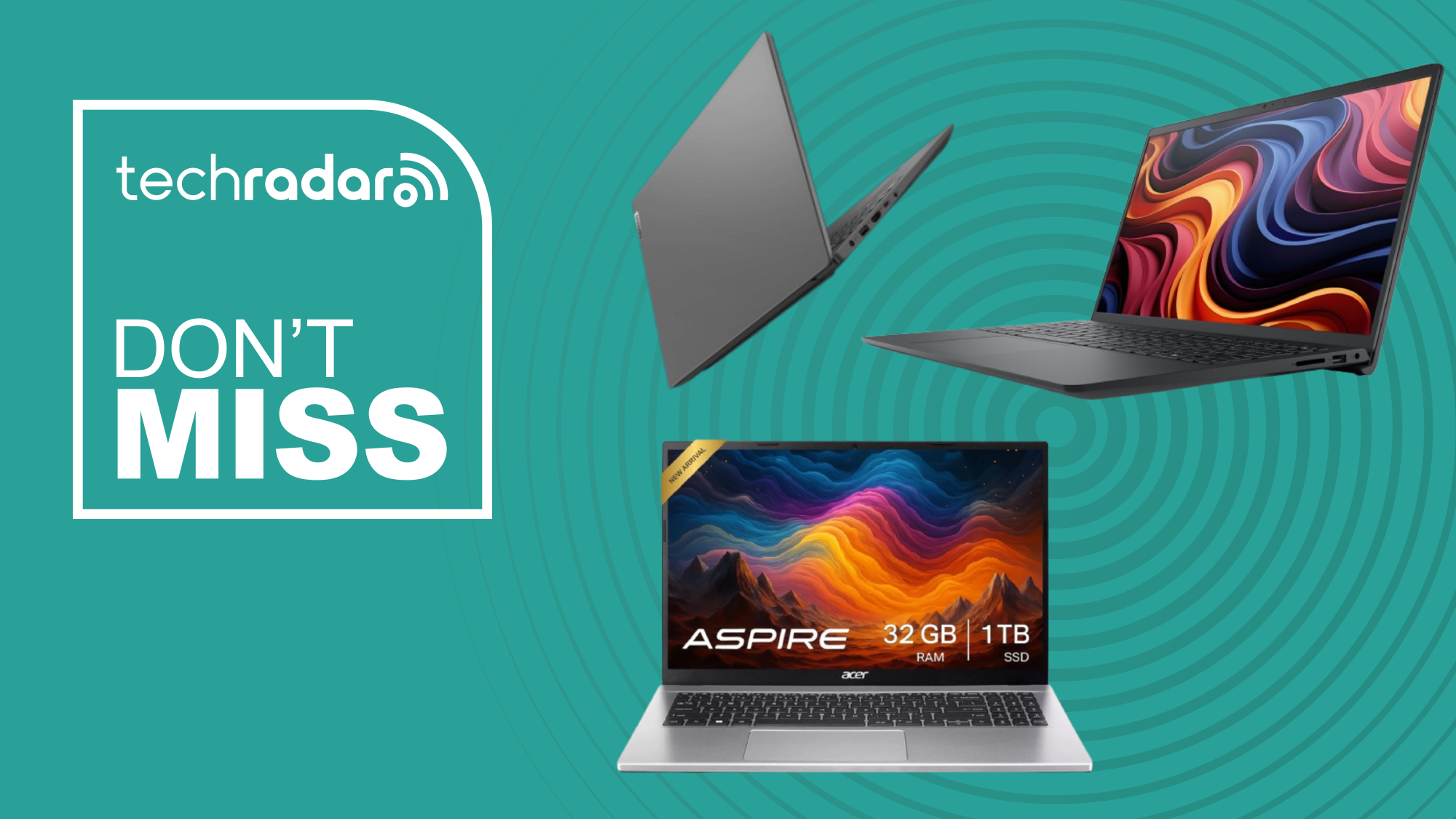
One of the most concerning aspects of this listing is the "37% discount" claim. By inflating the original Manufacturer’s Suggested Retail Price (MSRP), retailers create an artificial sense of urgency. When a laptop is marketed as "$800 marked down to $500," the consumer assumes they are receiving an $800-tier machine. In reality, the components inside this device—the chassis, the screen, and specifically the N100 processor—are rarely worth more than $300–$350 in the current market.
This is a recurring theme in the industry: "Don’t buy any laptop that says ‘Intel Processor’ without verifying the specific series." Using the generic branding of a major chip manufacturer is a classic obfuscation tactic designed to hide the fact that the product is actually built using the lowest tier of available silicon.
Implications for the Consumer
Purchasing this laptop carries several long-term implications that go beyond the initial cost:
- Productivity Loss: The time spent waiting for programs to load or troubleshooting system lag is a hidden tax on the user.
- Lack of Longevity: Because the processor is the limiting factor, there is no "upgrade path." Unlike a machine with a stronger CPU where one could potentially upgrade the RAM or SSD, the N100 is soldered and capped. You are stuck with the performance ceiling from day one.
- Resale Value: These entry-level machines depreciate rapidly. Unlike mid-range business-class laptops, which hold value for 3–4 years, the HP 250 G10 is considered "e-waste" much sooner.
Better Alternatives for the Same Budget
If you have $450 to $500 to spend, you do not need to settle for a machine that will frustrate you. Several alternatives consistently provide better value:
- Refurbished Business Laptops: Look for "Renewed" Lenovo ThinkPads or Dell Latitudes. These machines were built for enterprise, meaning they have superior build quality, better keyboards, and processors (like the Core i5 12th Gen) that outperform the N100 by a massive margin.
- AMD Ryzen 5/7 Series Laptops: Even in the budget segment, an AMD Ryzen 5 processor provides vastly better integrated graphics and multi-core performance than the N100.
- Open-Box Deals: Major electronics retailers often have open-box units of mid-tier laptops that fall into the $500 price bracket. These offer a significantly better experience for the same price as a "new" low-end machine.
Conclusion
The lesson for the upcoming sales season is simple: Technical specifications are a language, and marketing teams are using that language to deceive. A laptop is more than the sum of its storage and memory. It is a system that relies on the harmony of its components.
The HP 250 G10 is a prime example of a machine that looks excellent on a spreadsheet but performs poorly in a real-world office or classroom. Before clicking "Add to Cart," take a moment to look up the specific processor model. If it is an entry-level chip marketed to appear like a high-end powerhouse, walk away. Your productivity, and your sanity, will thank you.
For more guidance on how to navigate the technical landscape and find equipment that truly serves your needs, continue following our expert reviews and buying guides throughout the shopping season.



 Evan Lee Salim