The landscape of visual communication is undergoing a seismic shift. For decades, the creation of a corporate identity was a gatekept process, requiring either an expensive retainer for a design agency or years of technical mastery in complex software like Adobe Illustrator. Today, that barrier has been dismantled by the rapid advancement of Artificial Intelligence. As we enter the latter half of 2026, AI-driven design tools have transitioned from novelties into essential infrastructure for startups, freelancers, and small businesses.

The New Creative Paradigm: Main Facts
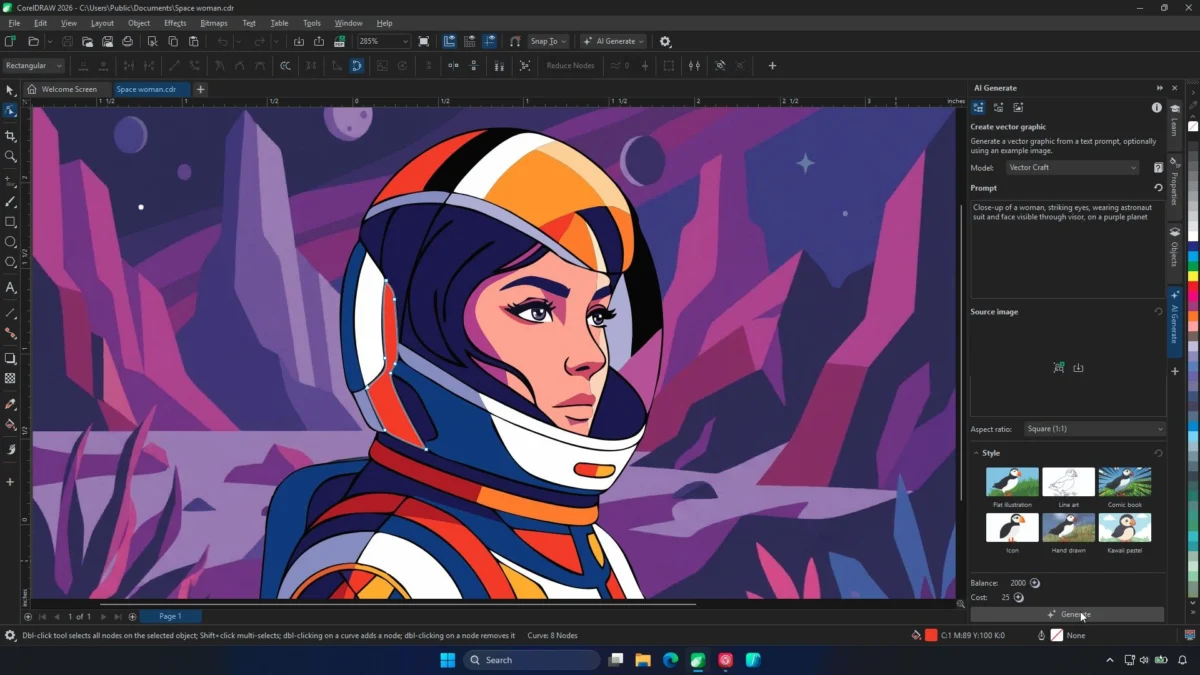
At its core, AI logo design is a process of pattern recognition and synthesis. Unlike traditional graphic design, which relies on the human cognitive process of conceptualizing a brand story from scratch, AI models are trained on millions of existing design assets. By analyzing typography trends, color psychology, and geometric layouts, these algorithms can generate dozens of viable, professional-grade concepts in the time it takes a human designer to open a blank canvas.

The primary value proposition of these tools is not the total elimination of the designer, but the radical acceleration of the "ideation phase." For an entrepreneur launching a venture, the ability to see a brand identity take shape in seconds allows for rapid market testing and a more efficient allocation of limited startup capital.

A Brief Chronology of AI-Assisted Design
The journey toward AI-automated branding has been rapid:

- 2019–2021 (The Template Era): Early tools relied on static templates. Users input their company name, and the system would swap the text into a pre-existing vector icon.
- 2023–2024 (The Rise of Generative AI): The integration of Large Language Models (LLMs) and diffusion models allowed for more nuanced inputs. Users could describe a "minimalist, Scandinavian-inspired coffee shop logo," and the AI would synthesize new imagery rather than recycling old templates.
- 2025–2026 (The Ecosystem Era): Current tools have evolved into holistic branding suites. Modern AI platforms like Looka and Brandmark no longer just output a logo; they generate a complete "Brand Kit," including social media headers, business card layouts, and even marketing copy that aligns with the chosen visual style.
Top 10 AI Logo Generators: Comparative Data
| Tool | Best For | Complexity Level | Primary Strength |
|---|---|---|---|
| Looka | Full Brand Identity | Beginner | Cohesive brand kits |
| Brandmark | Minimalist Icons | Intermediate | High-quality typography |
| Adobe Firefly | Creative Pros | Advanced | Unmatched creative range |
| Canva AI | Casual Users | Beginner | Drag-and-drop flexibility |
| Tailor Brands | Small Business | Beginner | All-in-one business tools |
| Designs AI | Rapid Prototyping | Beginner | High volume of variations |
| MS Designer | Brainstorming | Beginner | Natural language prompt power |
| Hatchful | E-commerce | Beginner | Free, optimized exports |
| Zarla | Speed | Beginner | Independent element swapping |
| Renderforest | Video Branding | Intermediate | Animated logo generation |
Professional Perspectives and Industry Responses
The design industry’s reaction to this technology has been nuanced. Initially viewed with skepticism—and occasionally hostility—AI is now being integrated into professional workflows.

Professional creative directors note that while AI excels at "the average," it struggles with the "exceptional." A seasoned designer brings years of experience in market strategy, semiotics, and emotional intelligence to the table. Most professional studios have adopted a hybrid approach: they use AI to generate twenty to fifty initial concepts, then apply human oversight to refine the winner, adjusting kerning, vector nodes, and brand narrative to ensure the design is truly unique and legally defensible.

Implications for Small Businesses and Startups
For the average entrepreneur, the implications are profound.

1. Cost Efficiency
The cost of professional branding can range from $500 to $50,000. AI tools have dropped this cost to as low as $0 for basic versions, or a small one-time fee for high-resolution vector assets. This allows small businesses to reserve their budget for product development and marketing.

2. Time-to-Market
In the digital economy, speed is a competitive advantage. The ability to iterate on a brand identity in real-time allows a business to pivot its visual message as it learns more about its target audience.

3. Professional Standards
Even with AI, the final product must meet professional standards. This means ensuring your file formats include Scalable Vector Graphics (SVG) or Encapsulated PostScript (EPS). Without these, a logo will pixelate when printed on large signage or billboards.

Strategic Tips for Better AI Results
The quality of an AI output is directly proportional to the quality of the prompt. To move beyond generic results, keep these strategies in mind:

- Go Beyond Industry Names: Instead of "Tech Logo," try "Minimalist geometric icon representing connectivity using deep navy and electric blue, sans-serif typography, clean negative space."
- Embrace Iteration: Never accept the first set of results. Generate at least 50 variations to see the range of the AI’s capabilities.
- The "Human-in-the-Loop" Rule: Always take your chosen AI concept into a vector editor like Figma or Illustrator. Simple manual adjustments to the spacing (kerning) or the thickness of a stroke can be the difference between a "template" look and a "custom" brand.
The Future: 2027 and Beyond
As we look toward 2027, the integration of AI will likely become invisible. Rather than using "a tool," designers will find AI features embedded directly into their operating systems and core software. We expect to see advancements in:

- Responsive Branding: AI that generates logos that automatically adjust their complexity based on the device or screen size they are displayed on.
- Predictive Branding: Systems that analyze your business plan, social media engagement, and industry trends to "suggest" branding before you even ask for it.
- Multimodal Integration: Seamlessly moving from a logo to an entire motion-graphics campaign, AR experience, and physical product mockup within a single click.
Final Verdict: Is AI the End of the Designer?
The answer is a definitive "no." AI is not a replacement for the human creative spirit; it is an evolution of the brush. It handles the rote, repetitive, and mechanical aspects of design, liberating the human designer to focus on what matters most: storytelling, strategic positioning, and emotional resonance.

For the entrepreneur, the path forward is clear: leverage these tools to build a professional foundation, but retain the human element to ensure your brand stands out in an increasingly automated world. The most successful brands of the next decade will not be those that rely solely on AI, but those that harness AI’s speed to fuel their human-driven creativity.