

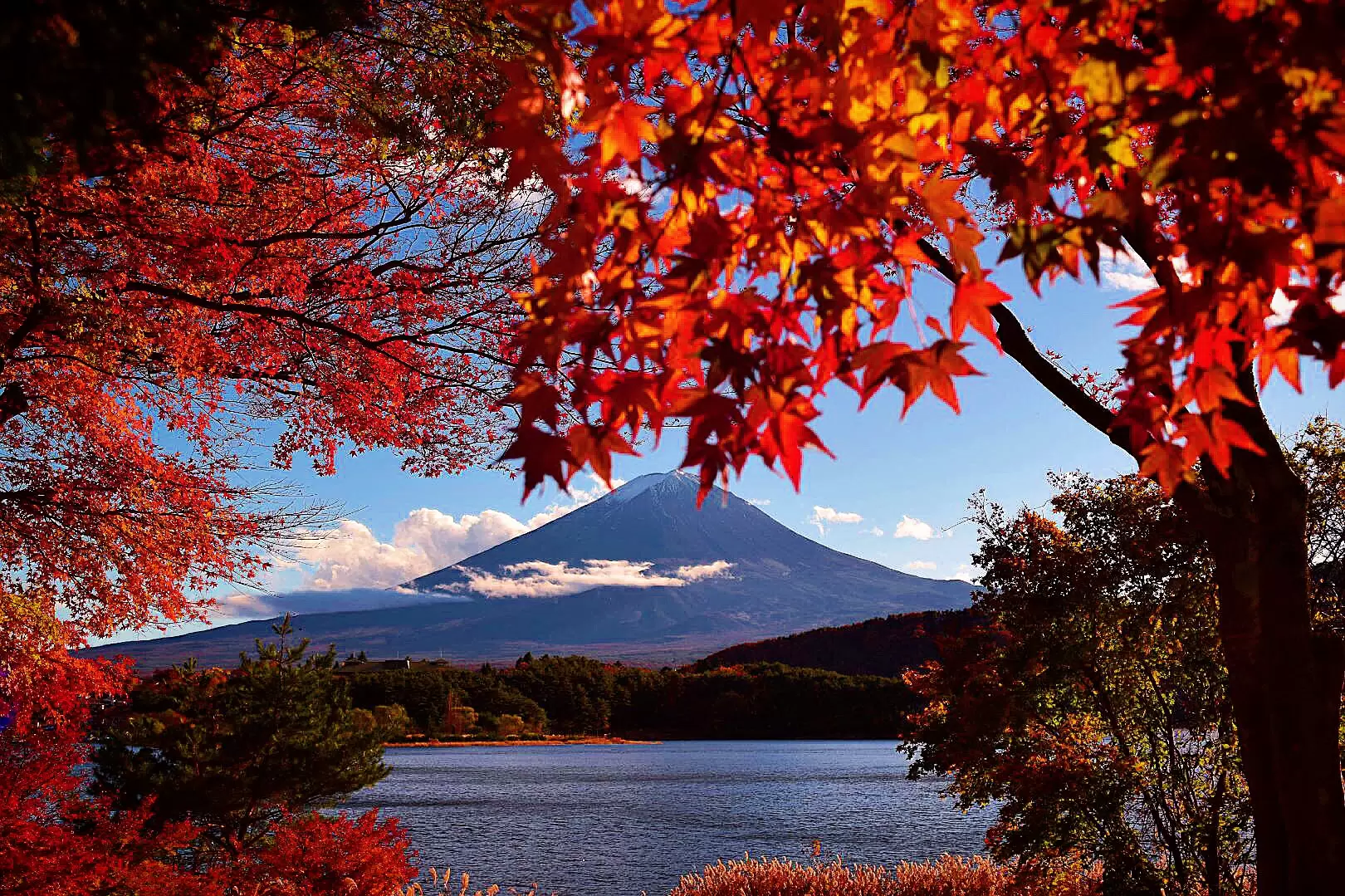
As the sweltering heat of summer retreats from the Japanese archipelago, the Fuji Five Lakes region undergoes a breathtaking transformation. Beginning in early October and peaking through November, the foothills of Japan’s most iconic peak, Mt. Fuji, ignite with the fiery hues of autumn. For travelers and photography enthusiasts, this period represents the quintessential "Golden Window"—a time when the juxtaposition of snow-dusted volcanic slopes and vibrant, maples-lined landscapes creates a visual symphony unmatched anywhere else in the world.

This guide provides a professional overview of the 2026 autumn season, detailing essential travel logistics, prime viewing locations, and curated itineraries to ensure you experience the full majesty of the Yamanashi Prefecture’s fall transition.

The Meteorological Context: Why Autumn in the Fuji Region is Unique
The brilliance of the autumn foliage in the Fuji Five Lakes area is not merely a matter of chance; it is a result of the region’s unique topography and high altitude. Situated at over 800 meters above sea level, the area experiences a significant diurnal temperature range. As the sun sets, temperatures plummet, a phenomenon that triggers the rapid production of anthocyanins in deciduous leaves, resulting in the deep, vivid reds and oranges characteristic of the region.

Essential Climate Data
Travelers planning their excursion for 2026 should prepare for a sharp cooling trend:

- October Averages: Highs of 18°C (64°F) and lows of 7°C (45°F), with a monthly average of 12.5°C.
- November Averages: Highs of 13°C (55°F) and lows of 1°C (34°F), with a monthly average of 7°C.
Pro-Tip: The rapid temperature drop after sunset is significant. Essential packing should include high-quality windbreakers, thermal layers, and comfortable walking shoes suitable for both paved paths and light woodland trails.

Prime Foliage Destinations: Where to Witness the Spectacle
The Fuji Five Lakes (Fujigoko) region offers a variety of perspectives, from high-altitude alpine vistas to lakeside strolls framed by ancient shrines.

1. The Momiji Corridor (Kawaguchiko)
The Fujikawaguchiko Autumn Leaves Festival centers around the legendary "Momiji Corridor" near the Nashi River. Here, sixty giant maple trees form a dense, vibrant canopy. The festival is a cultural highlight, featuring nightly illuminations that transform the landscape into a fantastical, glowing tunnel. The area is also a hub for local artisans, serving as an excellent venue to sample regional delicacies and purchase handmade crafts.

2. Sunset Beach (Lake Yamanakako)
Selected as one of Japan’s 100 most beautiful beaches, the promenade at Lake Yamanakako offers a more serene experience. The 1,000-meter-long autumn foliage corridor provides an expansive, uninterrupted view of the lake against the backdrop of the mountain. With the official festival scheduled tentatively from October 30th to November 15th, 2026, this is a must-visit for those seeking a tranquil, scenic walk.

3. The Yoshida Autumn Leaves Festival
Returning to the local calendar with renewed vigor, this festival highlights the Iroha Momiji Corridor, which stretches from the Fuji Museum Park area to the revitalized Kaneyama Falls. The integration of traditional tea ceremonies with the modern illumination of the falls offers a profound sense of "Wa" (harmony) that captures the spirit of the Japanese autumn.
4. High-Altitude Vistas: The 5th Station and Okuniwa
For those arriving early in the season (early to late October), the higher elevations—specifically the Oniwa and Okuniwa natural parks near the Fuji Subaru Line 5th Station—are essential. At altitudes between 2,200m and 2,400m, visitors can witness the first signs of the season: crimson-tinged alpine plants set against the stark, snow-dusted peak of Mt. Fuji.

Chronology of the Season: A Strategic Itinerary
To maximize the experience, travelers should follow the biological progression of the foliage.

Phase 1: Early Season (Mid to Late October)
- Focus: High-altitude regions and Kochia.
- Activity: Begin at the Fuji 5th Station and Okuniwa to see the alpine foliage. Transition to Oishi Park at Lake Kawaguchiko, where the famous Kochia (summer cypress) turns a deep, vibrant red. This is the optimal time to pair your photography with the warm, pre-winter sunlight.
Phase 2: Peak Season (Early to Mid-November)
- Focus: Lakeside corridors and iconic landmarks.
- Activity: Shift focus to the Momiji Tunnel at Lake Kawaguchiko, where maple branches frame the mountain in a classic composition. Visit Arakurayama Sengen Park, a location world-renowned via the Michelin Green Guide Japon. The climb to the Chureito Pagoda offers an unparalleled view of the city of Fujiyoshida, the mountain, and the autumn colors.
Phase 3: Late Season (Late November)
- Focus: Panoramic lookouts and cultural exploration.
- Activity: Utilize the scenic lookouts at Koyo-dai and Sankodai. These spots offer 360-degree views, perfect for capturing the sea of trees turning gold and amber. Conclude your journey at Tenkachaya, the historic teahouse frequented by novelist Osamu Dazai, to enjoy a bowl of traditional Hoto noodles while overlooking the autumn-drenched Misaka Pass.
Navigating the Region: Sustainable and Efficient Travel
The popularity of the Fuji Five Lakes region during the autumn months can lead to significant road congestion. To mitigate this, local authorities and private operators strongly advocate for alternative transportation methods.

The Case for Cycling
Renting an electric-assisted bicycle from agencies such as Fujikanko Travel (located in front of Lake Kawaguchiko Station) is the most efficient way to navigate the region. It provides the freedom to bypass traffic jams and stop at spontaneous photography spots along the lakeside.

Suggested 1-Day Cycling Itinerary:

- 10:00: Pick up E-bike at Fuji Kawaguchiko Station.
- 10:30–12:30: Explore the Momiji Corridor and festival stalls.
- 12:45–13:30: Oishi Park (enjoy the Kochia and seasonal soft-serve ice cream).
- 13:40–14:30: Cruise the Momiji Tunnel and visit the ancient Fuji Omuro Sengen-jinja Shrine.
- 14:40–15:15: Relax in the serene Yagizaki Park.
Supporting Data and Official Perspectives
Local tourism boards emphasize that the 2026 season is expected to be one of the most highly anticipated in years, given the global interest in sustainable travel and nature-based tourism.

Accommodations and Amenities
For multi-day travelers, the Fuji Midori no Kyuka Mura in Narusawa Village provides a strategic base for accessing all five lakes. This, coupled with the nearby Fuji Chobo no Yu Yurari Onsen, offers a complete wellness experience. The Yurari Onsen, featuring 16 distinct types of baths, is widely considered the premier facility for post-trek recovery, allowing guests to soak in geothermal waters while maintaining a direct line of sight to the snow-capped peak of Mt. Fuji.

Official Guidance
- Festival Updates: Visitors are advised to check the official Fujisan.ne.jp portal frequently for the latest schedule adjustments regarding the 2026 festival dates, as weather patterns can influence the exact timing of the peak foliage.
- Respecting the Environment: As the region is part of the Fuji-Hakone-Izu National Park, tourists are reminded to adhere to "Leave No Trace" principles, ensuring that these pristine natural landscapes remain preserved for future generations.
Implications for the Future of Fuji Tourism
The trend toward "slower" tourism—cycling, hiking, and participating in local cultural festivals rather than simple drive-by sightseeing—is a positive development for the region. By spreading tourist activity across multiple days and utilizing eco-friendly transport, visitors contribute to the economic sustainability of the Fujikawaguchiko and Narusawa communities.

As we look toward the 2026 autumn season, the region remains a testament to the enduring appeal of the Japanese landscape. Whether you are a seasoned hiker, a professional photographer, or a casual traveler seeking the peace of the changing seasons, the foothills of Mt. Fuji offer an immersive experience that resonates long after the last leaf has fallen. Prepare your gear, check the weather, and prepare to be captivated by one of the world’s most spectacular autumn displays.











