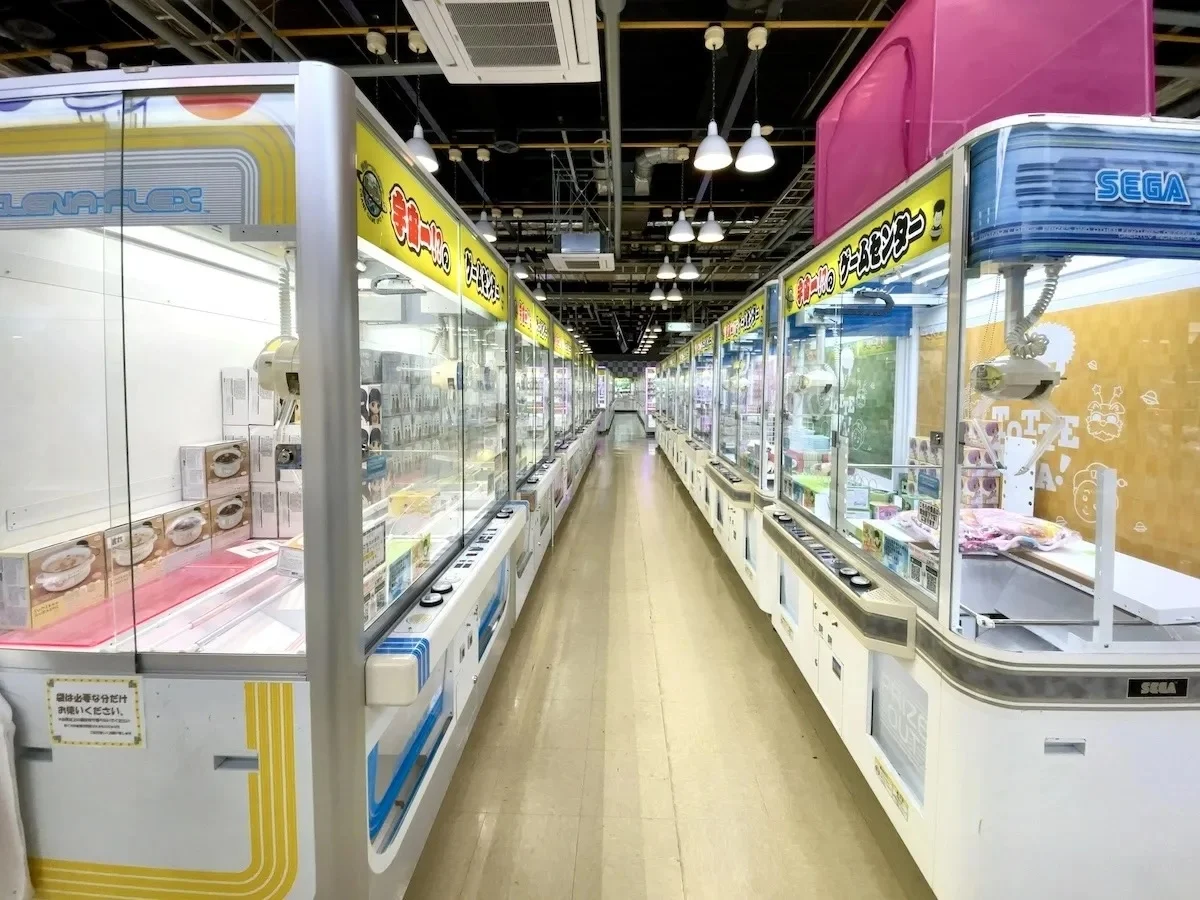
In an incident that has sent shockwaves through the Shizuoka Prefectural Police, a veteran investigator has been formally disciplined following revelations that he spent his duty hours obsessively playing arcade crane games—often referred to as "UFO catchers"—and forcing his subordinates to participate in his gaming habit. The scandal, which blends professional misconduct with allegations of workplace bullying and financial fraud, has reignited public debate regarding the oversight of mobile police units.
The Core Allegations: A Deviation from Duty
On July 9, the Shizuoka Prefectural Police Department announced a disciplinary action against an investigator in his 50s. The officer, a member of the elite Criminal Investigation Department’s Mobile Investigation Unit, was handed a one-month 10-percent pay cut after an internal investigation confirmed that he had repeatedly abandoned his professional responsibilities to frequent local game centers.
The Mobile Investigation Unit is a highly specialized division tasked with rapid response and surveillance. Unlike officers stationed at a local koban (police box) or administrative office, these investigators operate with a significant degree of autonomy. They travel in unmarked vehicles and maintain a plain-clothes presence, intended to allow them to blend into the urban environment and reach crime scenes before patrol units can be dispatched. This independence, meant to foster efficiency, instead provided the investigator in question with the perfect cover to pursue his recreational interests.
Chronology of Misconduct
The internal investigation revealed that the officer’s behavior was not a one-time lapse in judgment but a recurring pattern of unprofessionalism. Over a five-month period, the investigator was documented visiting arcades on eight separate occasions while officially on duty.
- Initial Discovery: Following a tip-off regarding the officer’s whereabouts, internal affairs began tracking his movements. GPS data from the department’s unmarked vehicle corroborated sightings at multiple local amusement centers.
- The Pattern of Abuse: The officer reportedly utilized "standby time"—periods where investigators are on call waiting for potential dispatch—to visit game centers. While the officer initially claimed that these visits occurred only when he was not actively required for casework, the department ruled that his absence from his designated operational zone constituted a gross violation of police conduct.
- The Escalation: The situation worsened when investigators uncovered that the officer had coerced a subordinate—a sergeant in his 30s—to accompany him. The purpose of these visits was not for tactical training or social bonding, but to serve as an assistant in the officer’s quest to win specific plush toys and anime figurines.
Power Harassment and Financial Misconduct
The disciplinary action was compounded by allegations of "power harassment," a serious issue in Japan’s hierarchical corporate and government culture. The investigator reportedly demanded that his lower-ranking sergeant attempt to win a specific prize from a machine. When the subordinate failed to manipulate the claw correctly, the officer allegedly scolded him, accusing him of a lack of commitment, reportedly stating, “You’re not taking this seriously because you’re playing with someone else’s money, aren’t you?”
Beyond the psychological strain placed on his subordinate, the investigator also committed financial fraud. He logged the time spent at these game centers as "overtime," seeking and receiving approximately 3,700 yen (roughly US$23) in taxpayer-funded compensation. While the sum may seem trivial in the context of a government budget, the act of falsifying time logs is considered a grave breach of public trust, effectively turning the public’s investment in law enforcement into a personal arcade fund.
Official Responses and Departmental Accountability
The Shizuoka Prefectural Police Department has taken a stern stance in its public communications regarding the incident. A spokesperson for the Personnel and Training Division expressed deep regret, acknowledging that the officer’s actions undermined the reputation of the entire department.
"We take this matter with the utmost seriousness," the department stated. "The conduct exhibited by this officer is entirely inconsistent with the standards we set for our personnel. We are committed to implementing more rigorous training and oversight protocols to ensure that our mobile units maintain their focus on public safety and community service."

The department has promised a comprehensive review of how mobile investigators report their status and location during standby hours. However, the incident has left many wondering how such a pattern of behavior could persist for five months without being flagged by supervisors.
Implications for Public Trust
The public response has been visceral. In an era where law enforcement efficiency is under constant scrutiny, the image of a plain-clothes detective—armed and tasked with high-stakes criminal investigation—fiddling with a joystick to secure a stuffed toy has become a symbol of administrative rot.
Social media platforms and online forums were flooded with commentary, much of it cynical. Critics pointed to the irony of the situation, noting that the time the officer spent chasing plastic prizes could have been spent on community patrols or training exercises. One commenter remarked, “Our tax dollars are funding a high-stakes crane game hobby while the streets go unmonitored.”
The incident also touches upon broader concerns regarding the "shadow" nature of mobile investigation units. Because these officers work in unmarked cars and without direct, constant visual supervision, they rely heavily on self-reporting. This system, while efficient for combating crime, requires a high degree of integrity—an integrity that, in this case, proved insufficient.
A Growing Trend of Police Lapses?
The Shizuoka case follows a series of high-profile embarrassments for Japanese law enforcement. From incidents involving officers leaving their service weapons in public restrooms to various bureaucratic scandals, the reputation of the police has faced sustained pressure.
While the police department emphasized that this was an isolated incident involving a single individual, the public is increasingly skeptical. The comparison to other recent lapses in judgment across the country suggests a potential systemic issue in how police departments train and mentor their veteran staff. The Shizuoka incident serves as a stark reminder that even those tasked with upholding the law are subject to the same human failings—laziness, greed, and the pursuit of trivial thrills—as the citizens they are sworn to protect.
Conclusion
As the Shizuoka Prefectural Police move forward with remedial training and stricter oversight, the officer in question faces a long road to rehabilitating his career. For the public, the takeaway is perhaps more cautious. The next time you find yourself in a Japanese arcade, standing before a wall of glowing cabinets and colorful prizes, take a moment to look around. The person next to you, intensely focused on the mechanical claw, might just be someone whose duty is to keep the peace—or perhaps someone who has forgotten that their primary job is to serve, not to win toys.
This incident serves as a peculiar, yet sobering, lesson on the importance of professional discipline and the fragility of public trust in an age of constant surveillance and digital accountability. Whether the reforms promised by the Shizuoka police will be enough to mend that trust remains to be seen.