

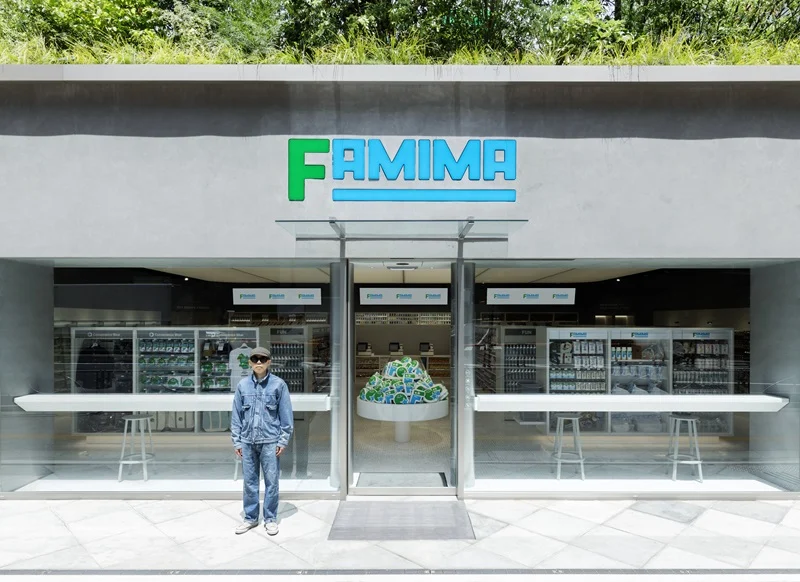
As Japan’s ubiquitous konbini culture celebrates a landmark 45th anniversary in 2026, the industry is witnessing its most significant evolution to date. FamilyMart, one of the nation’s retail giants, has officially unveiled the "Next FamilyMart Project"—a bold, visionary initiative that seeks to redefine the role of the convenience store in modern life. At the heart of this transformation is the debut of "Famima," a new concept flagship store that trades the utilitarian, grab-and-go aesthetic for a curated lifestyle experience.
The flagship, aptly named Famima Park Azabudai, opened its doors on July 10, 2026, in the heart of Tokyo’s prestigious Azabudai district. By blending high-end design, fashion-forward sensibilities, and community-centric spaces, FamilyMart is signaling a departure from the "essential services" model toward something more akin to a lifestyle destination.
The Genesis of a Retail Revolution: Main Facts
The Famima Park Azabudai project is not merely a cosmetic redesign; it is a fundamental rethinking of the konbini business model. Under the guidance of newly appointed creative director Nigo—the legendary Japanese fashion designer and cultural icon—the store is designed to foster "discovery" rather than mere efficiency.
Key elements of the new flagship include:
- Architectural Integration: A lush, integrated rooftop garden and outdoor seating areas that invite customers to linger rather than exit.
- Fashion-Forward Retail: A dedicated "Convenience Wear" boutique, developed in collaboration with designer Hiromichi Ochiai, featuring fitting rooms, interactive styling touchscreens, and exclusive apparel lines.
- Culinary Upgrades: An expanded gastronomic experience including deli-style health-conscious meals, premium coffee crafted by World Brewers Cup champion Tetsu Kasuya, and an artisanal tea program.
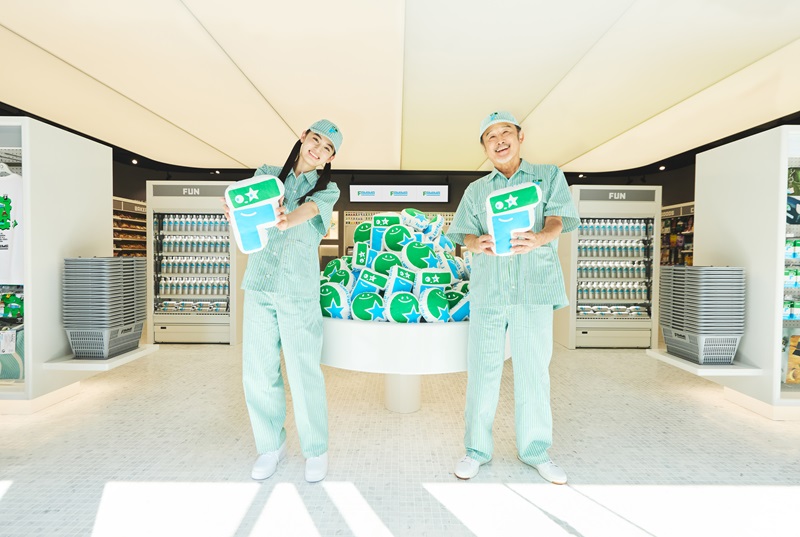
- Original IP: The introduction of a proprietary mascot, accompanied by a collection of limited-edition merchandise including pins, bag charms, and lifestyle accessories.
Chronology: A Roadmap to 2026
The road to the Famima Park Azabudai opening was a multi-year effort to modernize a brand that has served as a bedrock of Japanese daily life since its inception.
- Early 2025: FamilyMart leadership announces a strategic pivot, prioritizing "Lifestyle Value" over traditional volume-based convenience.
- Late 2025: Nigo is officially appointed as Creative Director, a move that surprised industry analysts but signaled a massive shift in brand image.
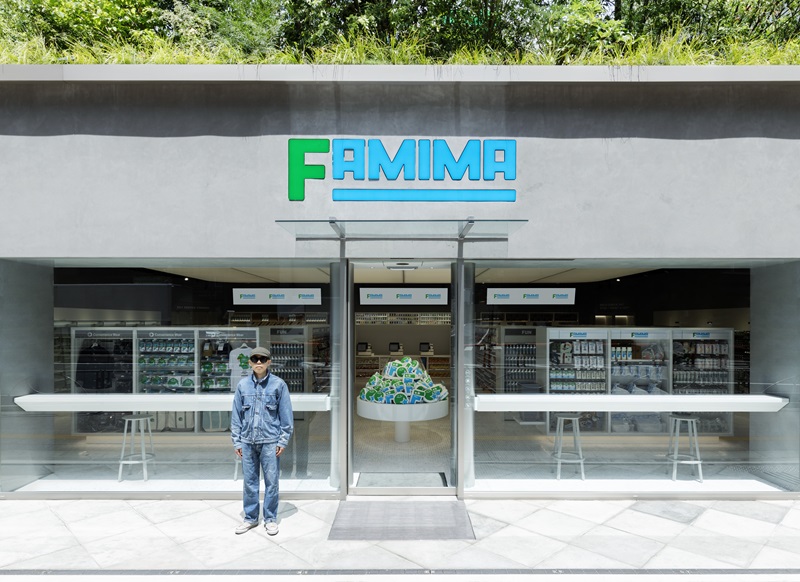
- Q1 2026: The company begins rebranding efforts, introducing a minimalist "F" logo to replace the legacy color-blocked signage.
- June 2026: Pre-launch marketing campaigns tease the "Famima" concept, highlighting a focus on design-led sustainability and urban greening.
- July 10, 2026: The official grand opening of Famima Park Azabudai. The event attracts thousands, with long queues forming for limited-edition commemorative items.
- July 13, 2026: FamilyMart reports record-breaking engagement metrics for the first 72 hours of operation, validating the concept’s potential for scalability.
Supporting Data: Why the Shift?
Market analysis in Japan has shown that while the convenience store sector remains robust, customer habits are shifting. With the rise of e-commerce and home delivery, the "necessity" of the local store for basic sundries is diminishing. However, there remains a deep-seated cultural affection for the konbini.
According to internal company data, the "Convenience Wear" line has seen a 25% year-over-year growth in consumer interest among the 18–35 demographic. By creating a physical space where this clothing can be tried on and styled—a rarity in the convenience world—FamilyMart is capturing a market segment that previously viewed konbini clothing as a "last resort" rather than a stylistic choice.
Furthermore, the integration of premium food offerings addresses the growing demand for health-conscious, high-quality, "ready-to-eat" meals. The collaboration with Tetsu Kasuya is a strategic move to position FamilyMart as a destination for the "third-wave coffee" crowd, competing directly with specialty cafes rather than just other chain stores.
Official Responses and Creative Vision
The appointment of Nigo as Creative Director is perhaps the most critical component of this strategy. Known for his work with A Bathing Ape (BAPE) and Kenzo, Nigo brings a pedigree of streetwear authority to a brand that previously prioritized mass appeal.
"The goal," Nigo stated in a recent press briefing, "is to remove the stigma of the ‘convenience store’ as a place you only visit because you have no other choice. By introducing fashion, art, and high-quality design, we are transforming these stores into the living rooms of the city."
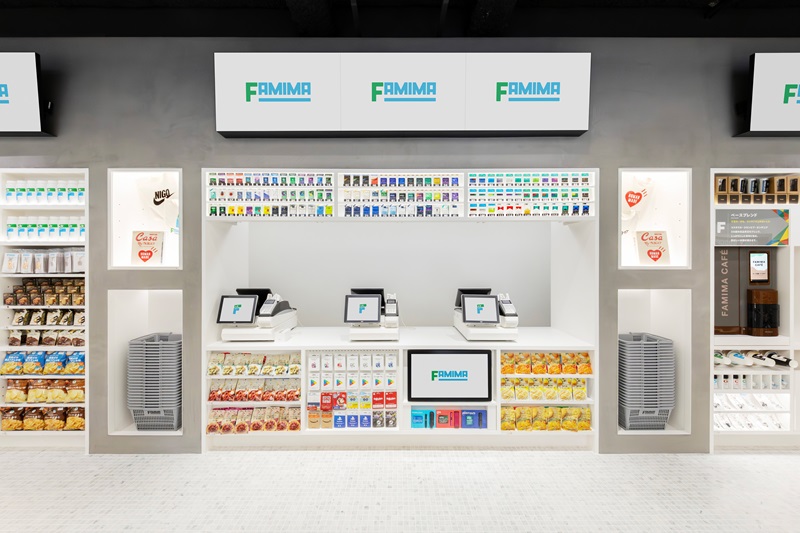
FamilyMart executives have echoed this sentiment, emphasizing that the "Next FamilyMart Project" is about sustainability. The use of natural materials, the inclusion of the rooftop garden, and the focus on durable, high-quality apparel are all intended to reflect the company’s commitment to the environment and the longevity of the Japanese retail sector.
Implications for the Future of Retail
The launch of Famima Park Azabudai sets a precedent that will likely ripple through the entire Japanese retail landscape.
1. The Death of the "Standard" Konbini
The success of this pilot project suggests that future store expansions will not be uniform. Instead, we may see a "tiered" system where standard stores continue to provide high-speed essential services, while "Flagship Famima" locations serve as urban hubs for community, fashion, and fine dining.
2. The Rise of Retail IP
By launching an original mascot and collectible merchandise, FamilyMart is moving into the lucrative world of character business. This allows the company to build an emotional connection with consumers that transcends the transaction. The holographic stickers, eco-bags, and the Casa Brutus collaboration are not just marketing tools—they are attempts to turn the brand into a cultural "collectible."
3. Competitor Response
Major competitors like 7-Eleven and Lawson are now under immense pressure to respond. While they have focused on technological automation (self-checkout, AI inventory), FamilyMart has chosen a path of aesthetic and cultural elevation. This creates a "soft power" race in the retail sector, where design and brand identity are just as important as logistics.
4. Urban Revitalization
The inclusion of green spaces and seating in a dense urban environment like Azabudai positions the convenience store as a contributor to urban livability. This is a significant shift for a company that once viewed every square inch of floor space as an opportunity for shelf placement.
Conclusion: A New Chapter
As we look toward the latter half of the decade, the Famima Park Azabudai flagship stands as a testament to the resilience and adaptability of the Japanese convenience store. By embracing the ethos of the boutique while maintaining the fundamental promise of convenience, FamilyMart has successfully bridged the gap between the mundane and the aspirational.
Whether this model can be successfully exported to smaller, less affluent, or more rural areas remains the key question for stakeholders. However, if the opening week is any indication, the Japanese public is ready for a "Next FamilyMart"—a store that doesn’t just hold the essentials, but holds a space for culture, community, and the future of urban life.
Quick Reference: Visiting Famima Park Azabudai
For those looking to experience the transformation firsthand, the store is now fully operational:
- Location: 5-2-10 Toranomon, Minato-ku, Tokyo.
- Operating Hours: 24/7.
- Highlights: Don’t miss the side-window "Famima Stand" for an elevated take on the classic Famichiki, or the curated "Convenience Wear" section for exclusive collaborations.
- Digital Integration: Customers are encouraged to visit the Official Website for real-time stock updates on limited-edition merchandise and event calendars for upcoming pop-ups.
Updated: July 13, 2026











