

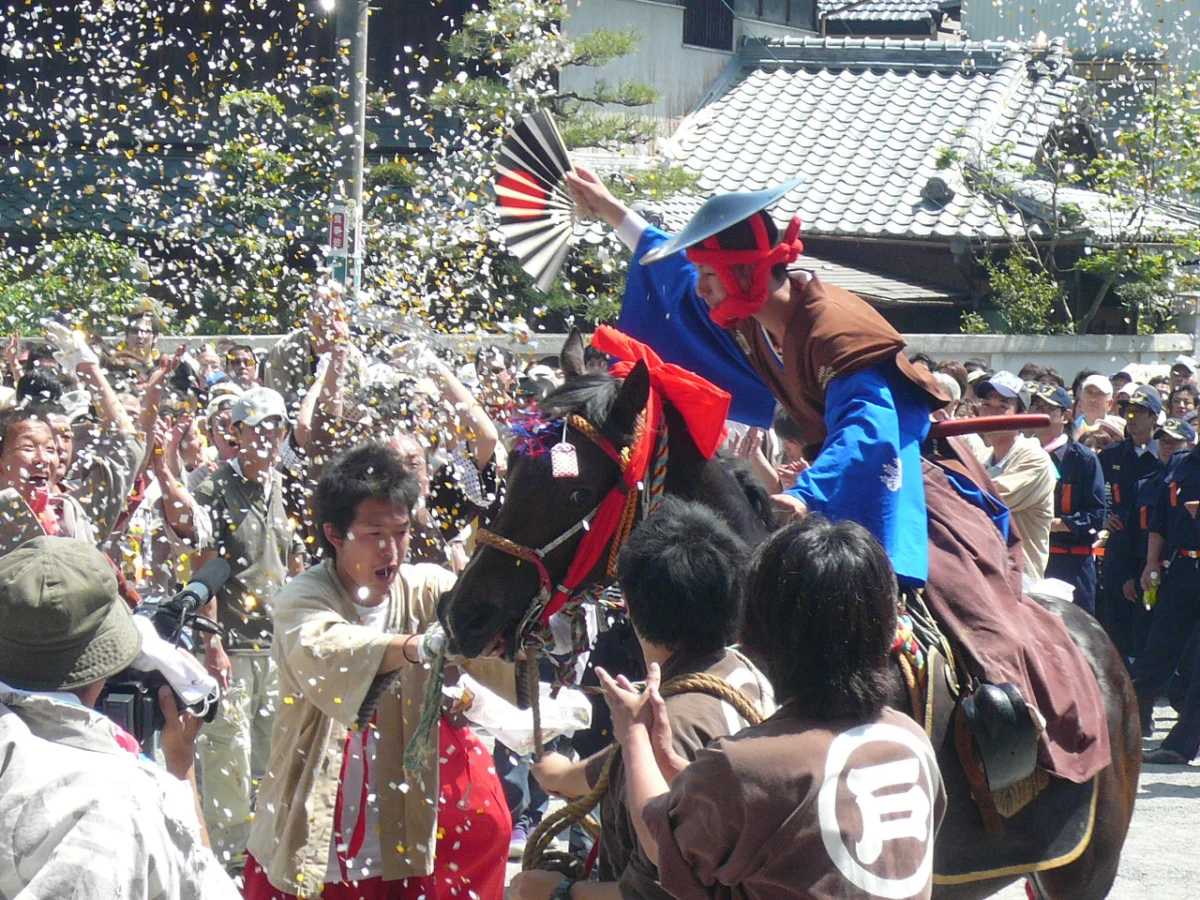
Deep in the verdant foothills of northern Mie Prefecture, Japan, the Tado Grand Shrine (Tado Taisha) stands as a silent sentinel of history. Each year, as the spring warmth of May settles over the landscape, the shrine becomes the epicenter of a ritual that bridges the gap between the ancient samurai era and the modern-day sensitivities of animal welfare. The Tado Festival, anchored by the gravity-defying Ageuma Shinji, is more than just a local attraction; it is a complex, living artifact of Shinto tradition that has survived for over a thousand years.
The Ritual of the Rising Horse: Ageuma Shinji
At the heart of the Tado Festival is the Ageuma Shinji (the "Rising Horse Rite"). Performed on May 5th, this event is a visceral display of horsemanship and spiritual devotion. Riders, clad in the traditional samurai armor of the early Edo period, urge their horses to sprint up a steep, 100-meter packed-earth incline. The trajectory ends abruptly at a two-meter-high vertical wall.
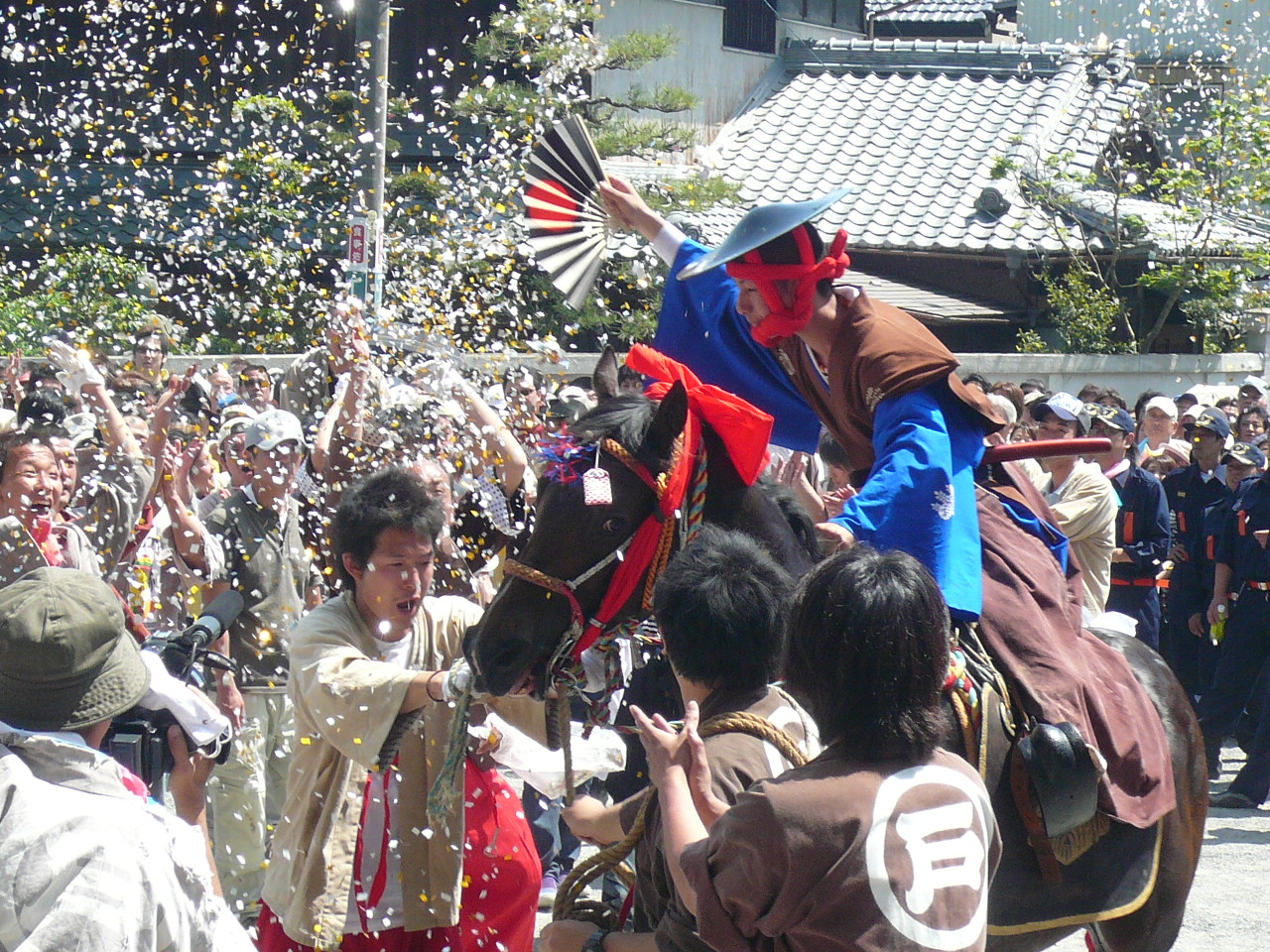
The success of the jump is not merely a feat of athleticism; it is a profound omen for the year ahead. In the agricultural traditions of Japan, a successful leap over the wall is interpreted as a harbinger of a bountiful rice harvest. Conversely, a refusal by the horse to clear the barrier is seen as a cautionary sign of potential drought or hardship. This synthesis of equestrian skill and divination has been performed continuously since the Kamakura period, though historical lore traces its roots as far back as the 6th century.
Historical Chronology and Cultural Significance
Tado Taisha is recognized as one of Japan’s most significant religious sites, ranking just below the preeminent Ise Grand Shrine in the religious hierarchy of Mie. Founded in 459 CE during the reign of Emperor Yuryaku, the shrine predates many of the nation’s most famous religious landmarks.
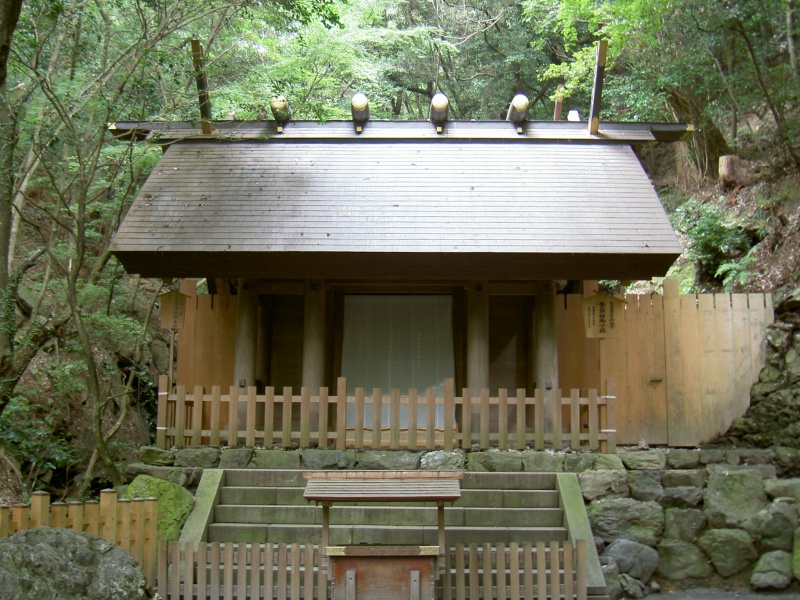
The site is dedicated to Amatsuhikone-no-mikoto, a deity from the Shinto pantheon and a child of the sun goddess, Amaterasu. Within this theology, the deity is venerated as a protector of horses. This connection has evolved across the centuries to mirror the changing needs of the Japanese populace:
- Medieval Period: The shrine served as a site for cavalry blessings, ensuring the martial efficacy of local warriors.
- Edo Period: The focus shifted to the protection of farm horses, which were the lifeblood of rural agricultural success.
- Modern Era: In a fascinating contemporary twist, the shrine has become a pilgrimage destination for automotive and motorcycle enthusiasts who seek blessings for their vehicles—a modern extension of the shrine’s ancient "horse-power" legacy.
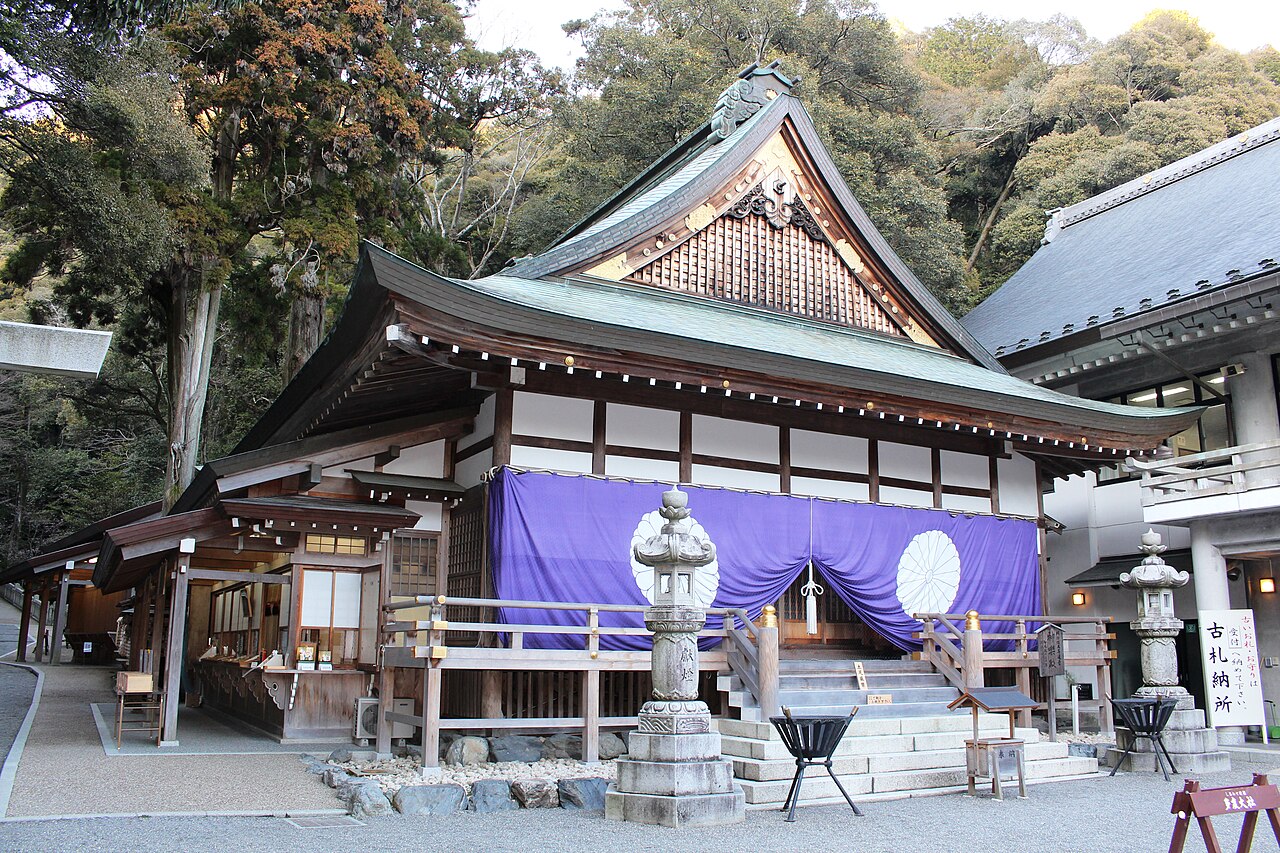
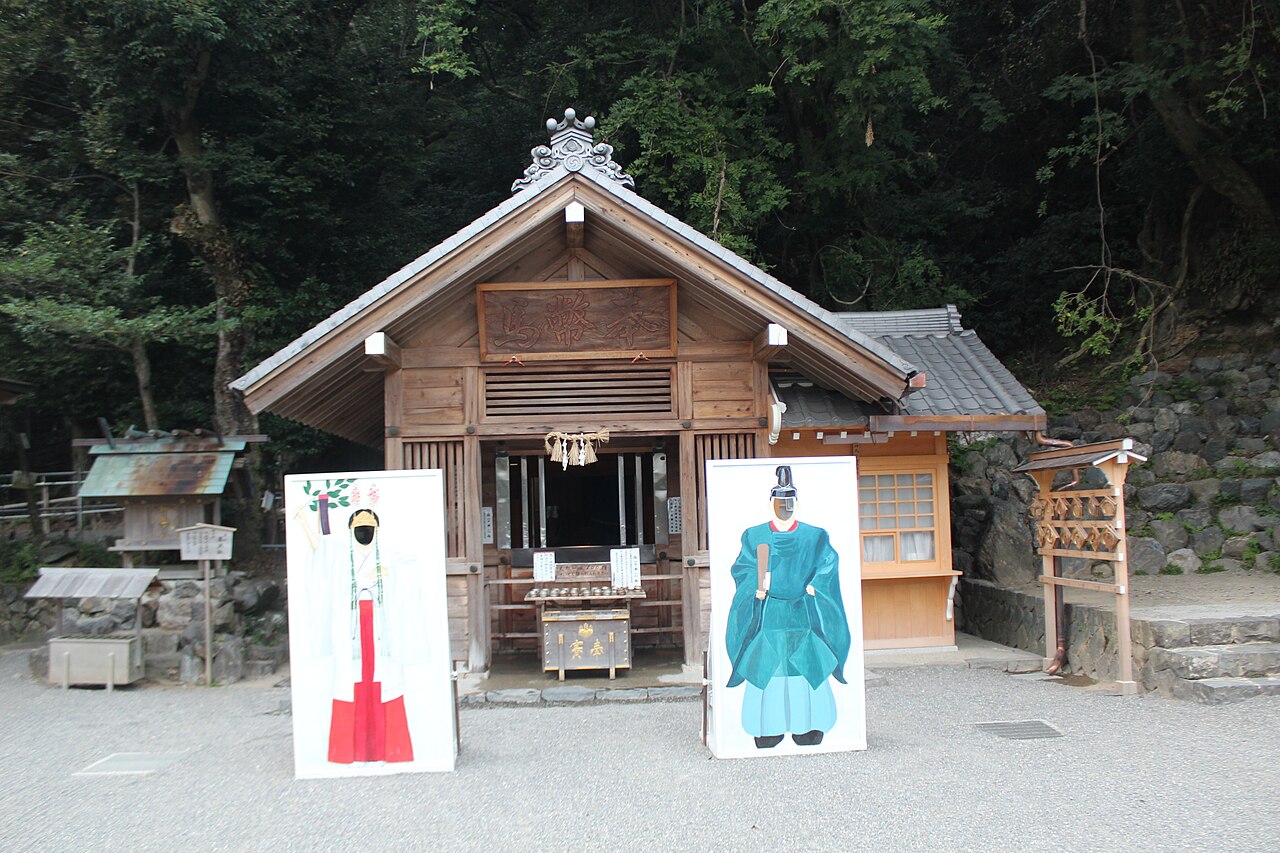
The shrine’s architecture reflects its longevity. While the current structures are reconstructions, they sit on an original footprint that has been periodically renewed on a roughly 300-year cycle since the 8th century. Notable structures include the Gakuraden (ceremonial music hall), where traditional kagura dances are performed during the festival, and the Jinmesha (sacred stable), which houses a white thoroughbred named Kintaro—a living symbol of the shrine’s ongoing dedication to the equine arts.
The Contemporary Crisis: A Clash of Values
The 2020s have brought a significant shift in how the Ageuma Shinji is perceived by the public. As awareness regarding animal rights has expanded, the Tado Festival has found itself at the center of a national controversy.
Animal welfare activists have raised serious concerns regarding the physical toll the ritual takes on the horses. The combination of a hard-packed earth surface and the daunting two-meter vertical wall has led to frequent injuries, including limb and shoulder trauma. Following high-profile incidents reported in 2022 and 2023, the pressure on the shrine to justify the ritual intensified, leading to a direct confrontation between those seeking to preserve a thousand-year-old intangible cultural property and those advocating for the cessation of what they deem to be cruel practices.
Official Responses and Strategic Reform
In response to the mounting pressure from both the public and the Mie prefectural cultural-properties board, the shrine authorities have opted for a path of systematic reform rather than total abolition. Recognizing that the festival’s survival depends on its ability to evolve, the shrine has implemented several key changes since 2021:
- Height Modification: The jump barrier has been reduced in height to minimize the risk of impact-related injuries.
- Safety Infrastructure: The landing zone has been modified with specialized cushioning to absorb the force of the horses’ descent.
- Participant Regulation: Restrictions have been placed on the age and training requirements for both riders and horses to ensure greater control and safety during the event.
Despite these efforts, the situation remains fluid. Any visitor to the 2026 festival and beyond will encounter a dual reality: the pageantry of the samurai era side-by-side with the visible presence of protest groups. The festival continues with official sanction, but it exists now in a state of heightened public scrutiny.
Practical Implications for Visitors
For the traveler, Tado Taisha offers a unique glimpse into the tensions of modern Japan. It is a place where deep-seated tradition struggles to reconcile with contemporary ethics.
Planning Your Visit
The festival occurs annually on May 4th and 5th.
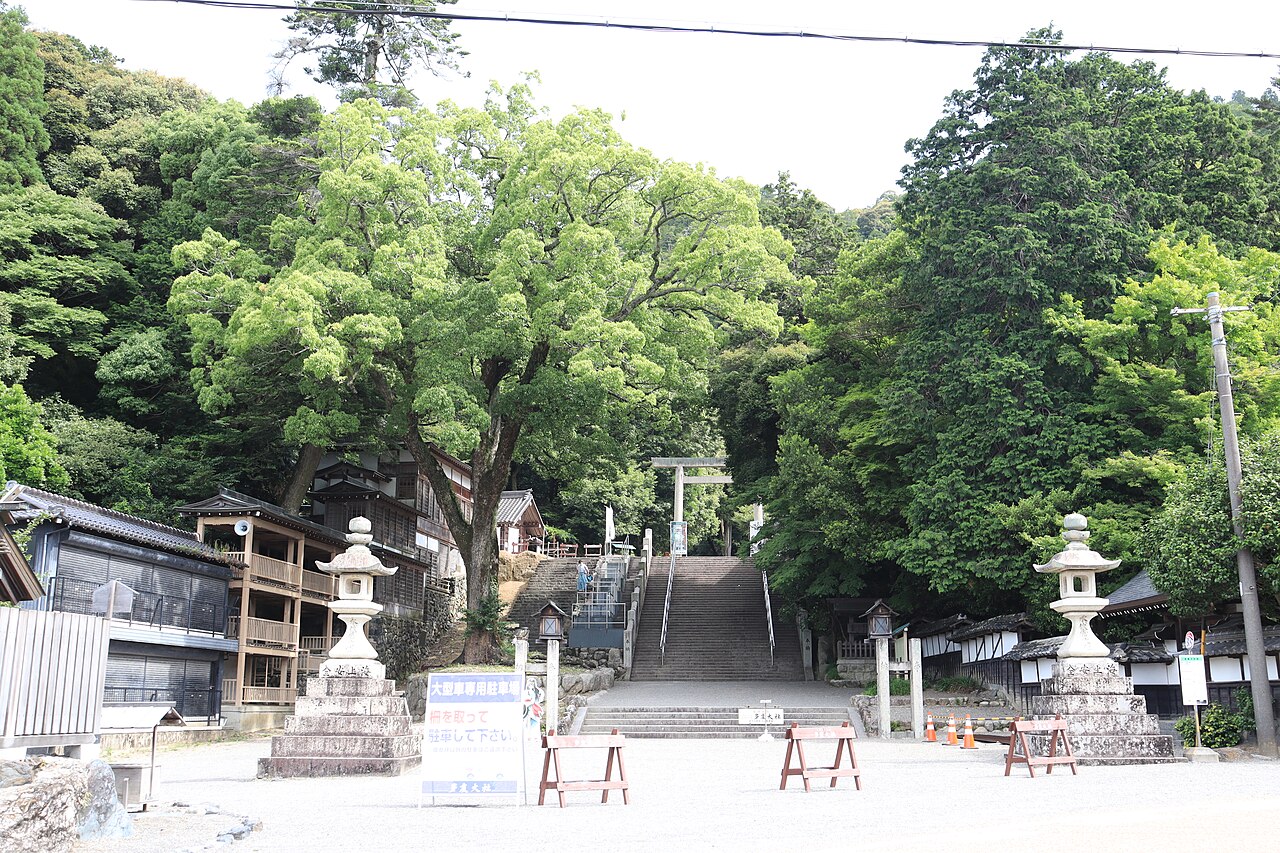
- Getting There: The journey from Nagoya takes approximately 70–80 minutes via the Kintetsu Nagoya Line to Kuwana, followed by a transfer to the Yoro Railway to Tado Station.
- Crowd Dynamics: With upwards of 300,000 to 400,000 visitors over two days, the festival is exceptionally crowded. It is recommended that those planning to attend the Ageuma rite on May 5th arrive by 10:00 AM to secure a prime standing position, or book paid reserved seating in advance through the shrine’s website.
- Year-Round Appeal: For those who wish to avoid the crowds and the controversy, Tado Taisha is a rewarding destination during the off-season. A walk through the serene forest trails, a hike up to the summit of Mt. Tado (403m), or a visit to the Treasure Hall (Shuho-kan) provides a tranquil experience. The Treasure Hall, open on weekends, houses ceremonial saddles and samurai armor that provide crucial context to the festival’s history.
A Note on Accessibility and Ethics
Visitors should be aware that English-language support at the shrine is limited. While the main shrine signage is primarily in Japanese, Google Translate’s camera function is a reliable tool for navigating the grounds.
Furthermore, the shrine’s leadership welcomes all visitors, regardless of their stance on the animal welfare debate. It is a space where the visitor is encouraged to observe, reflect, and form their own conclusions. As the shrine continues to walk the tightrope between its ancient obligations and modern societal expectations, it serves as a fascinating, if sometimes uncomfortable, window into the preservation of culture in a changing world.
Conclusion
Tado Taisha is, by any metric, a significant site of Japanese heritage. Whether one is drawn by the thrill of the Ageuma Shinji, the quiet beauty of the cryptomeria forests, or the unique intersection of Shinto theology and modern motorsport, the shrine offers a multifaceted experience. While the animal welfare controversy ensures that the festival is no longer a simple celebration of the past, this tension is perhaps what makes the current iteration of the Tado Festival so relevant. It is a reminder that culture is not a static object held in a museum, but a living, breathing entity that must constantly justify its existence to the society that surrounds it. For those willing to navigate its complexities, Tado remains an essential stop on the map of Mie Prefecture.











