Layla Zulfa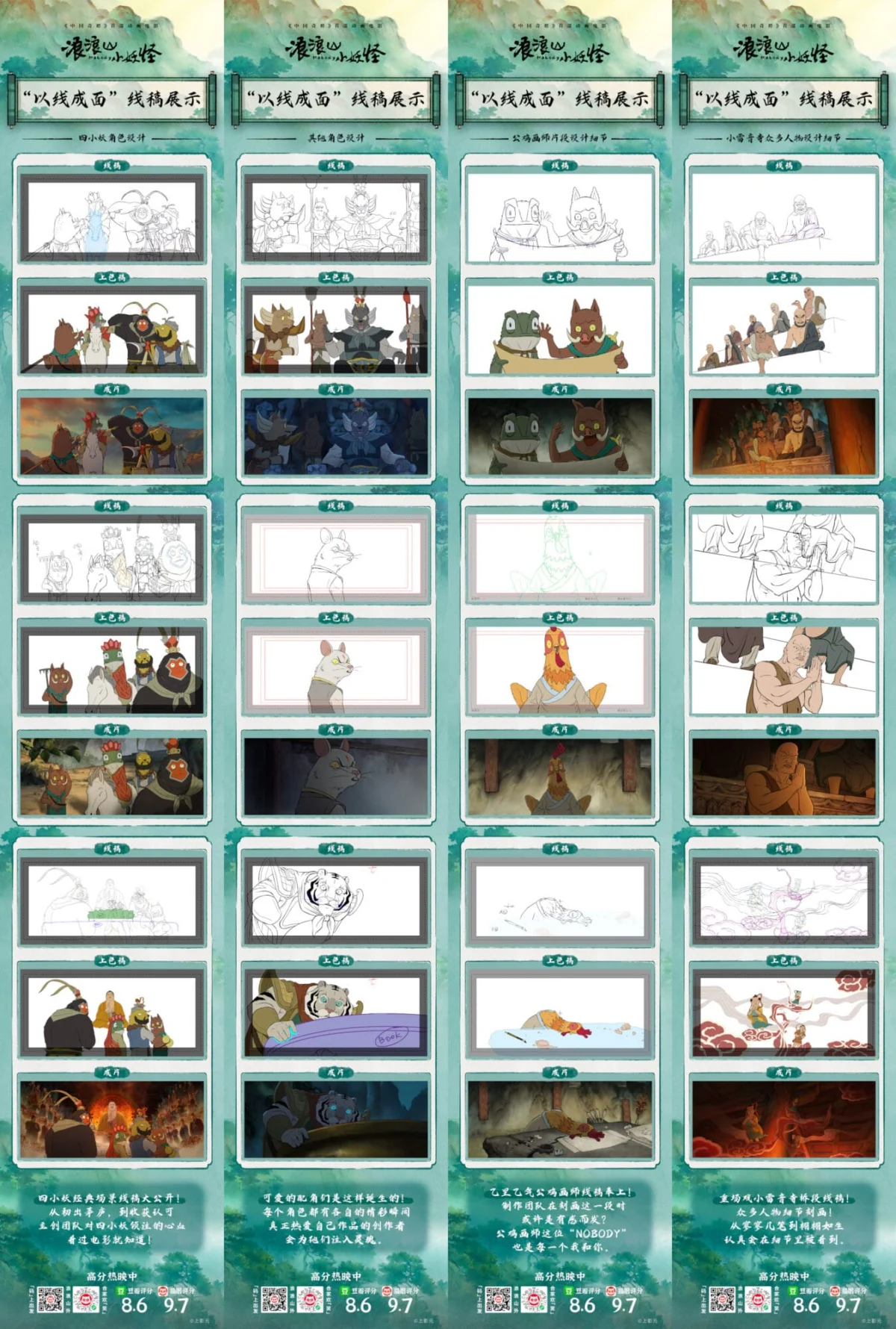
By Kambole Campbell
June 19, 2026
In the landscape of modern animation, few literary properties have been as exhaustively mined as Journey to the West. From the legendary exploits of the Monkey King, Sun Wukong, to the spiritual pilgrimage of the monk Tang Sanzang, the 16th-century Chinese epic has served as the bedrock for countless films, television series, and video games. Yet, at this year’s Annecy International Animation Film Festival, the spotlight is shifting away from the divine heroes to the entities usually relegated to the background: the Yaoguai (monsters or spirits).
The animated feature Nobody, produced by the venerable Shanghai Animation Film Studio (SAFS) and directed by Yu Shui, has arrived on the international stage following a massive domestic run that saw it become the highest-grossing 2D animated film in Chinese history. While it saw a quiet U.S. release via CMC Pictures in 2025, its presence at Annecy serves as a formal global introduction to what critics are calling a masterclass in visual synthesis and narrative subversion.
The Genesis of an Underdog Epic
The story of Nobody is one of evolution. Its origins trace back to the acclaimed anthology series Yao: Chinese Folktales, where director Yu Shui first introduced the concept in a short film of the same name. In the short, the narrative centered on the plight of lowly, nameless monsters attempting to climb the social ladder of the spirit world.
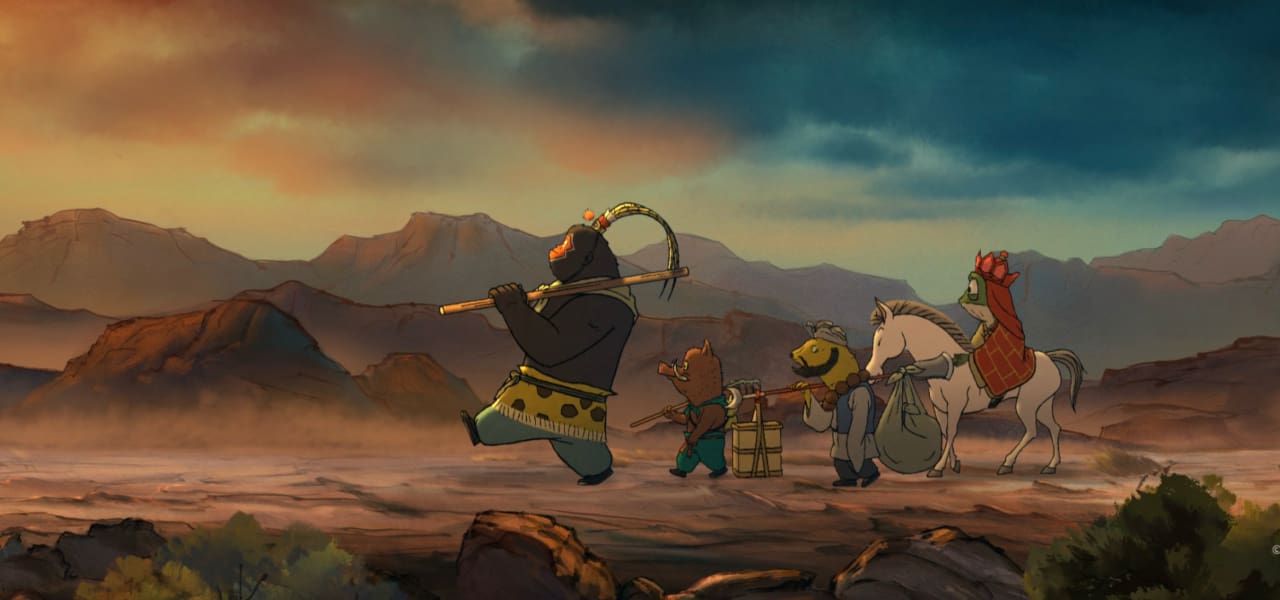
The premise is deceptively simple yet profoundly subversive: in a world where the heroes of Journey to the West are celebrities, the "nobody" monsters decide to impersonate the legendary travelers. By mimicking Tang Sanzang and his disciples, they hope to hijack the narrative, reach the destination first, and claim immortality for themselves.
"Very few works feature Yao as the main characters, especially nameless minor ones," says director Yu Shui. "Observing the world of Journey to the West from an alternative perspective offers a completely fresh experience. We aren’t just telling a story; we are decentralizing a cultural icon to see what happens in the shadows."
Chronology: From Short Film to Feature-Length Phenomenon
The transition from a bite-sized short to a sprawling feature was not merely a matter of stretching the runtime. According to Yu, the creative team realized the potential inherent in the short’s world-building almost immediately.
- Late 2021: Following the successful reception of the short film within the Yao: Chinese Folktales anthology, the team at Shanghai Animation Film Studio began formal discussions regarding a feature-length expansion.
- Early 2022: The creative team faced a crossroads: expand the original story, draft a sequel, or craft a prequel. Ultimately, they opted for a "soft reset," choosing to rewrite the lore entirely to suit the expansive demands of a feature film.
- 2024: The film completed production, maintaining a rigorous focus on hand-drawn aesthetics despite the demands of modern industrial pipelines.
- 2025: Nobody opened in Chinese theaters, shattering box-office records for 2D animation. A limited, low-key release in the United States followed via CMC Pictures.
- June 2026: The film makes its high-profile appearance at the Annecy International Animation Film Festival, cementing its status as a significant global contribution to 2D animation.
A Visual Synthesis: The Marriage of East and West
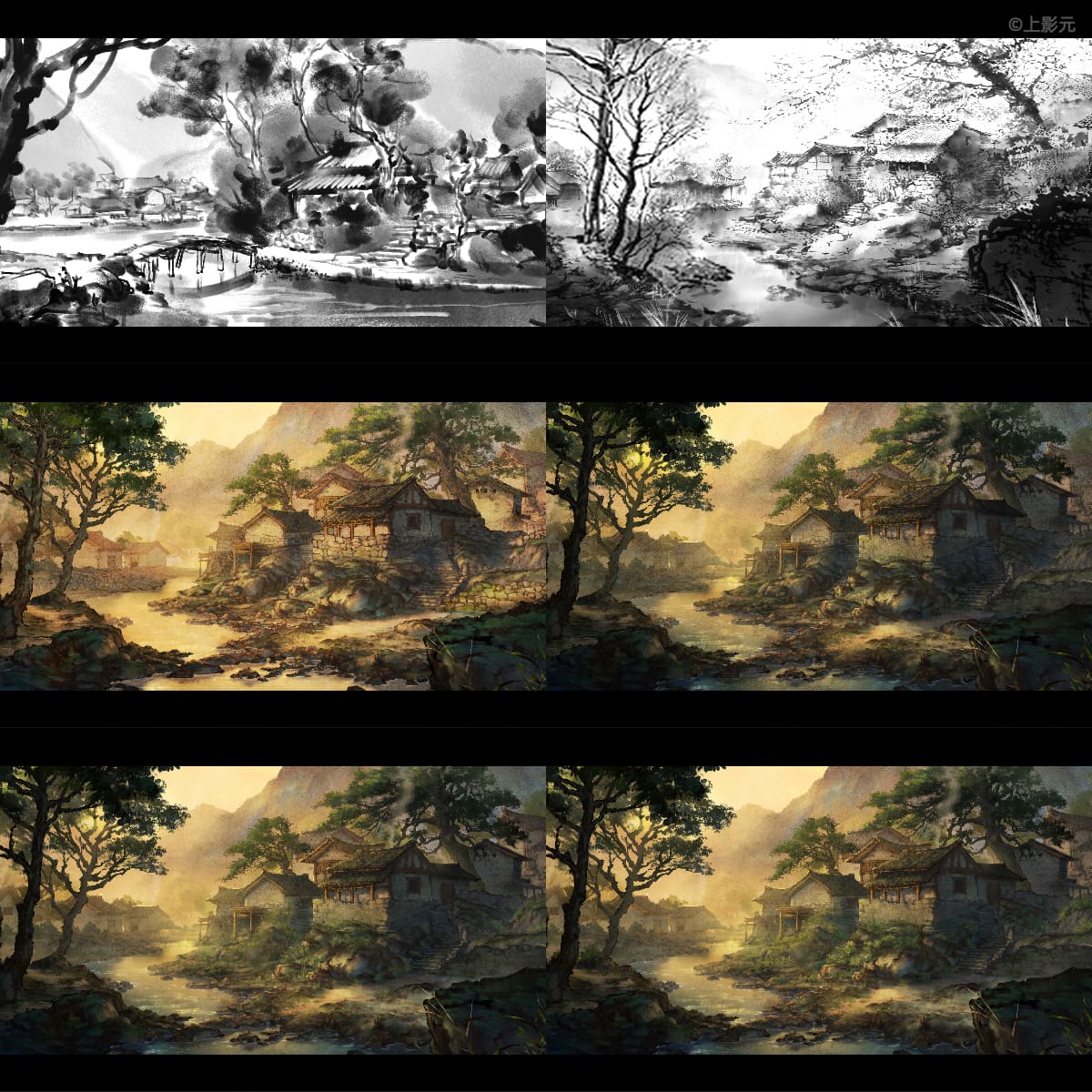
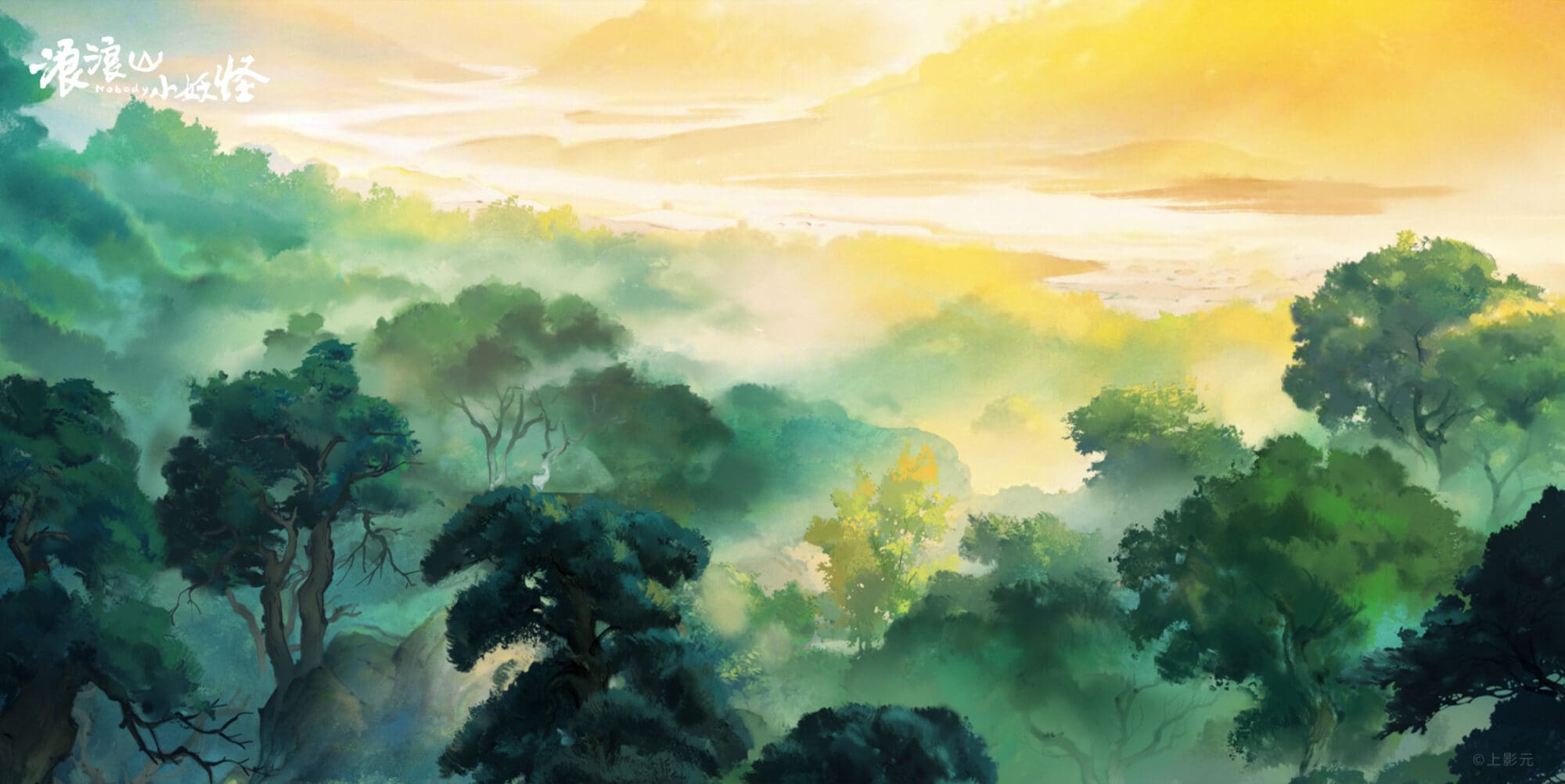
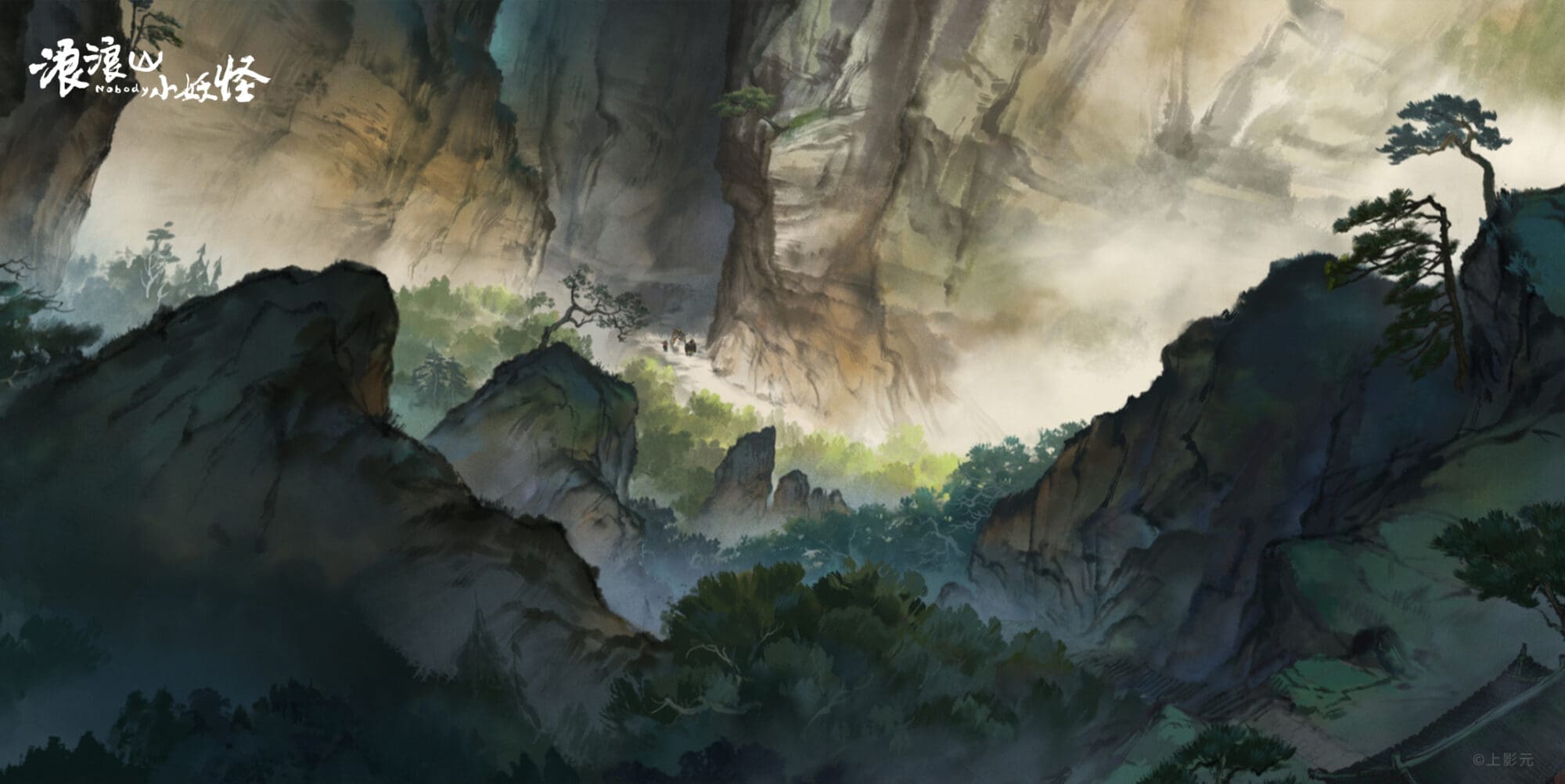
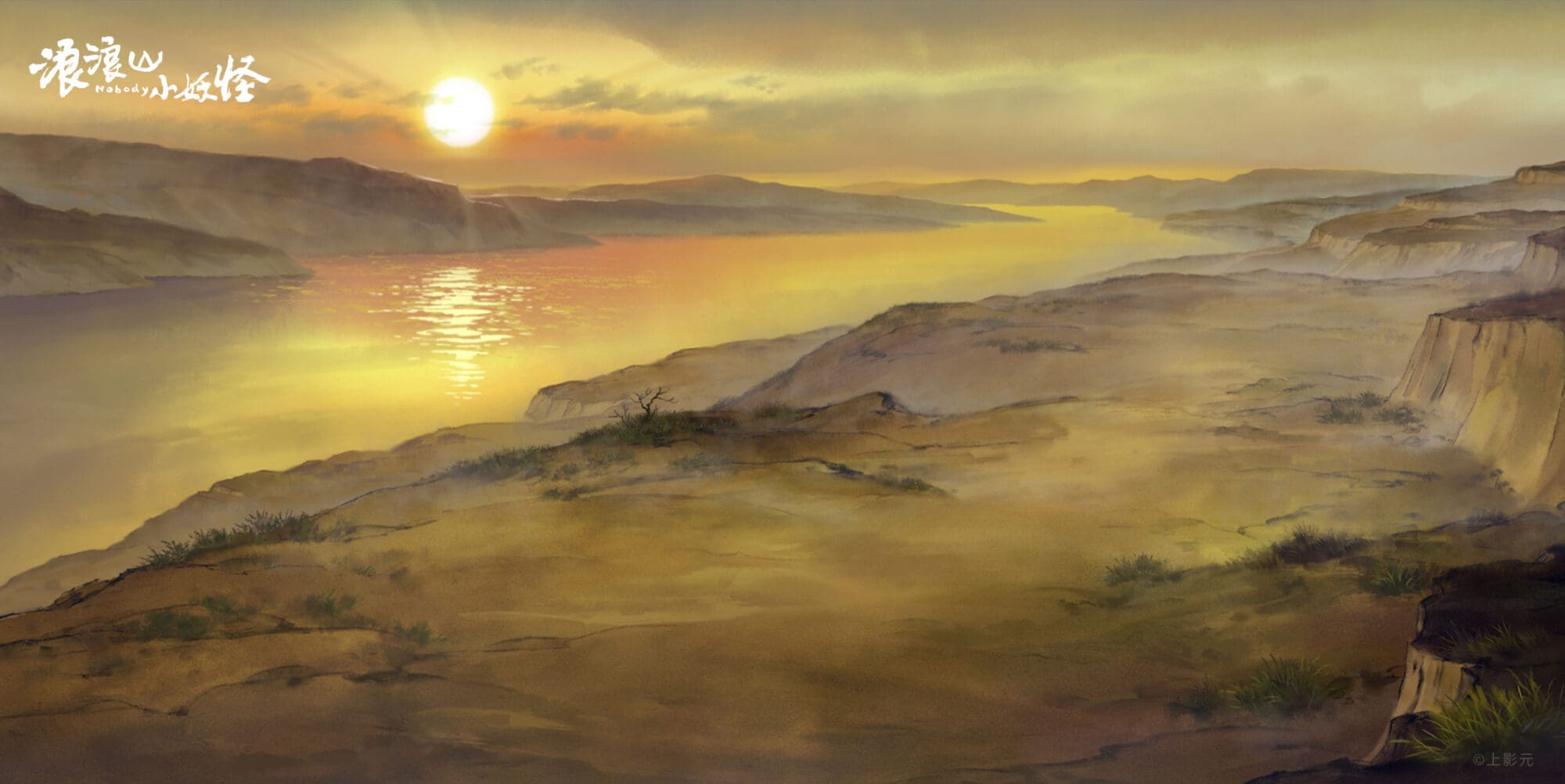
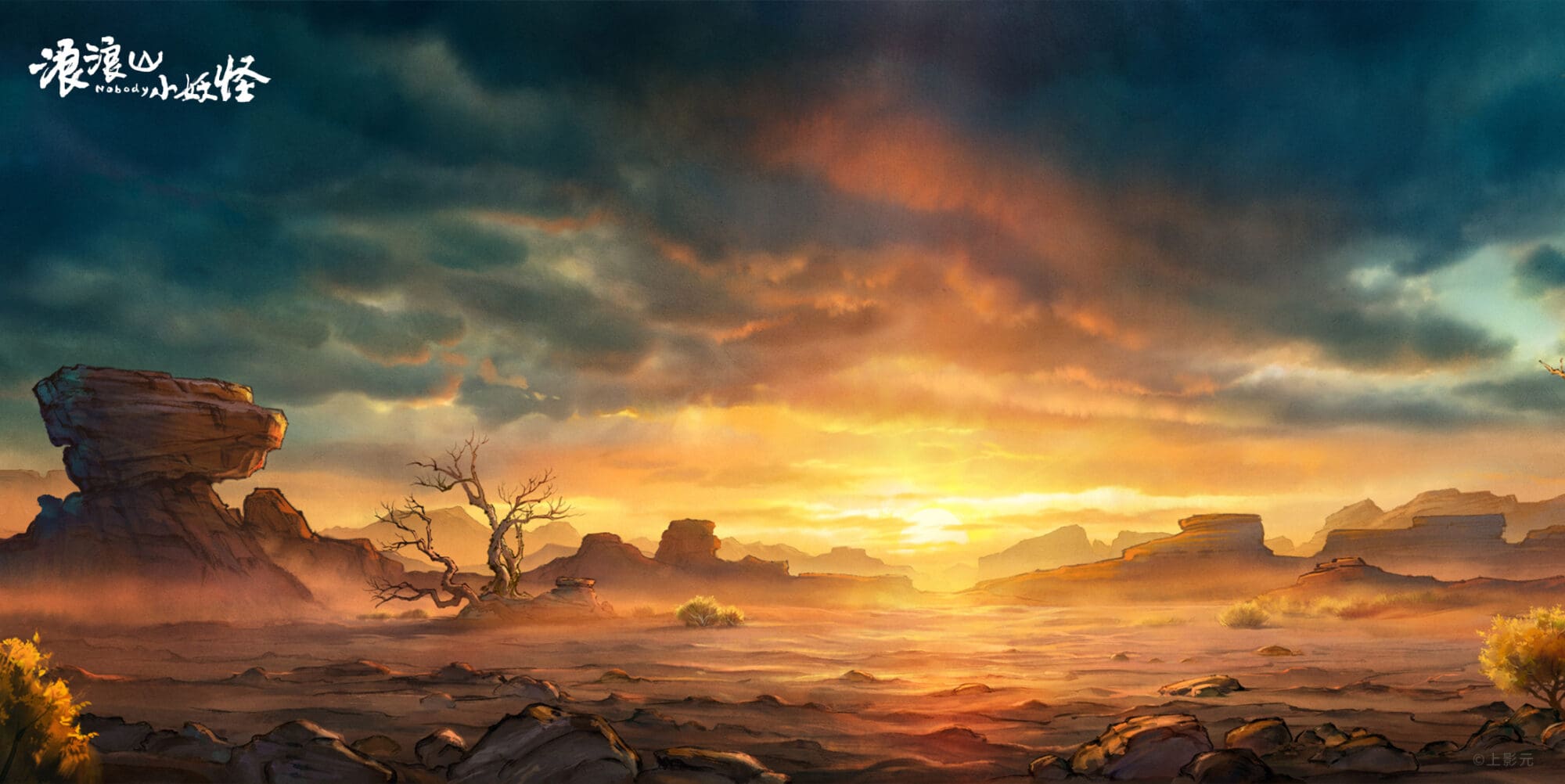
One of the most striking aspects of Nobody is its visual language. The film occupies a space where traditional Chinese brushwork meets the structural precision of Western animation. This was not a stylistic choice made lightly; it was a core pillar of the film’s development.
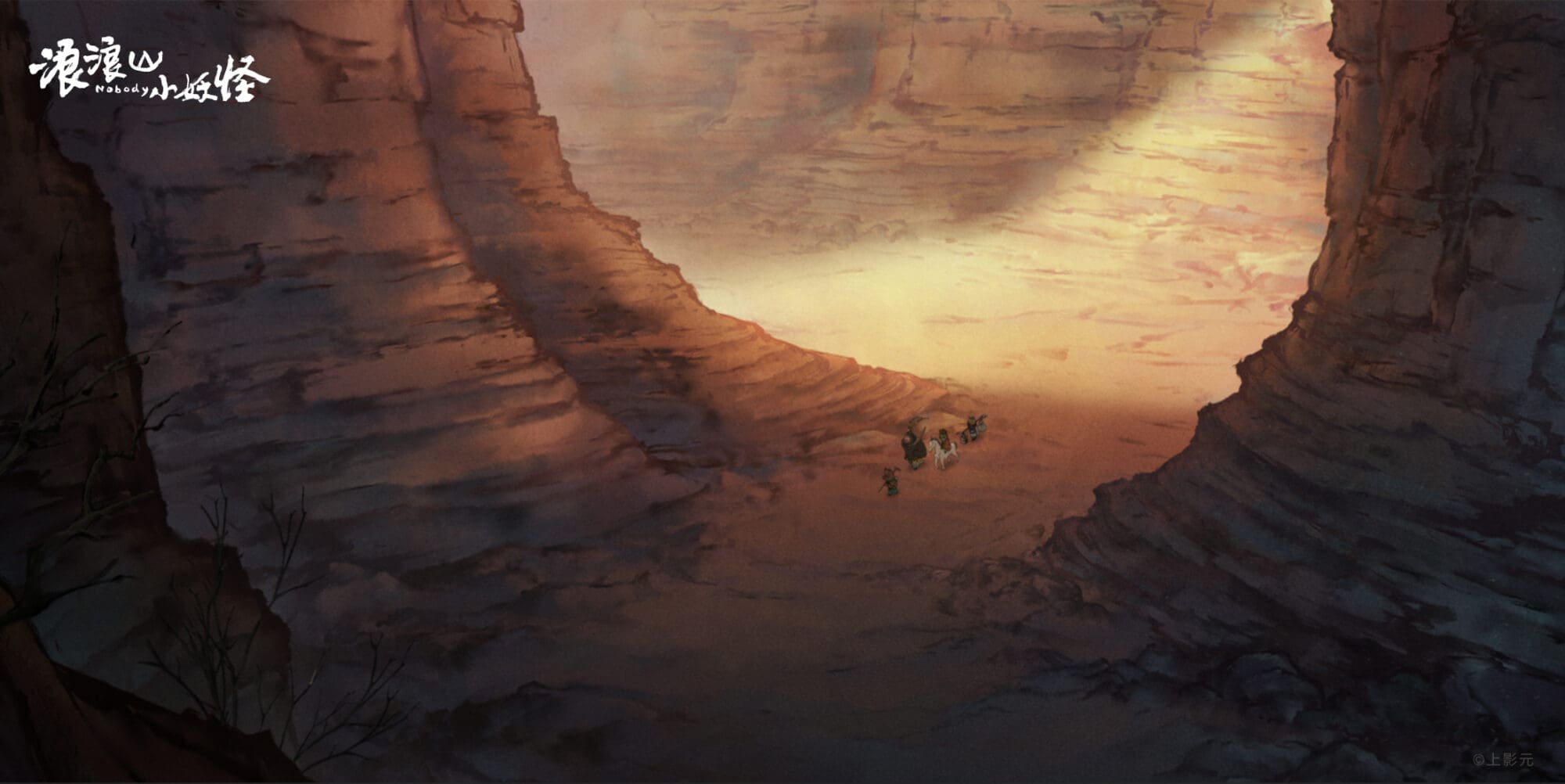
"We have been looking for ways to combine the freehand brushwork of traditional Chinese painting with the realism of Western painting," Yu explains. "The ink smudges, negative space, and unique methods of depicting mountains, rocks, and trees found in Chinese painting create the uniqueness of the film’s art. The perspective, structure, and use of light and shadow in Western painting create a believable, immersive environment."
This methodology required the art team to essentially relearn the fundamentals of landscape rendering. In traditional Chinese art, the darkest ink tones are often applied to the tops of rocks to suggest vegetation—a stark contrast to Western principles, where shadows are used to define the volume of an object based on a light source. By fusing these two approaches, the team created a world that feels both ethereal and grounded.
The Technical Challenge: Industrializing Artistry
While the film’s aesthetic is rooted in the "freehand" tradition, the production was anything but loose. Maintaining a high level of artistic fidelity across a feature-length runtime presented immense logistical hurdles for the Shanghai team.
"The most difficult part is that this background painting style places very high demands on artists," Yu notes. "We simply cannot find enough high-level talent to maintain that quality across every single frame. During industrialized production, ensuring that the style does not suffer any loss of quality is a major challenge."
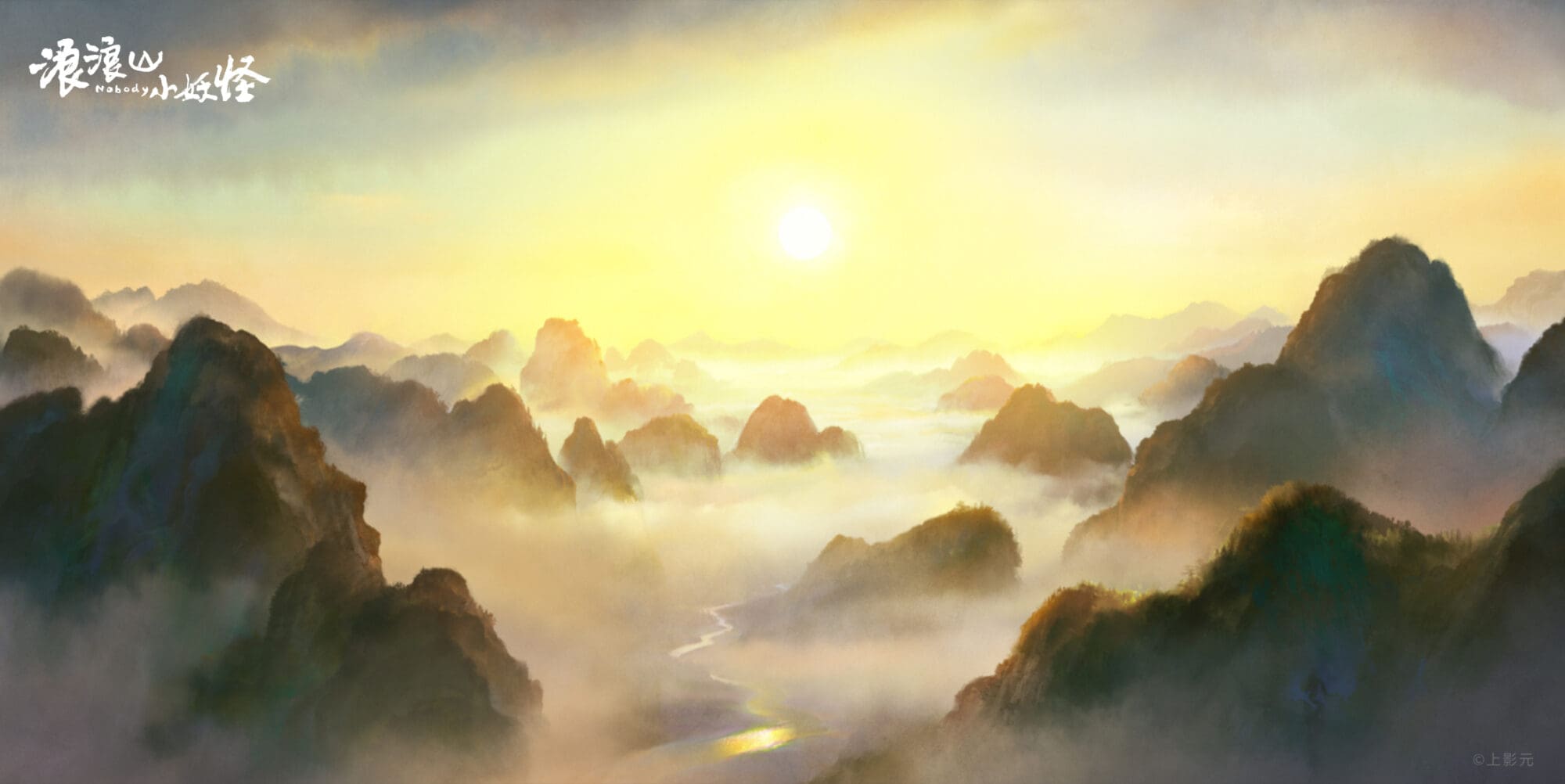
To mitigate this, the production was tiered. Panoramic shots and scenes requiring high visual density were assigned to the studio’s master artists, while less complex sequences were funneled through a standardized workflow that still adhered to the established visual language. This "stratified" approach allowed the team to deliver a consistent, high-end look without burning out their workforce.
Character Design and the Return of the Picture-Story Book
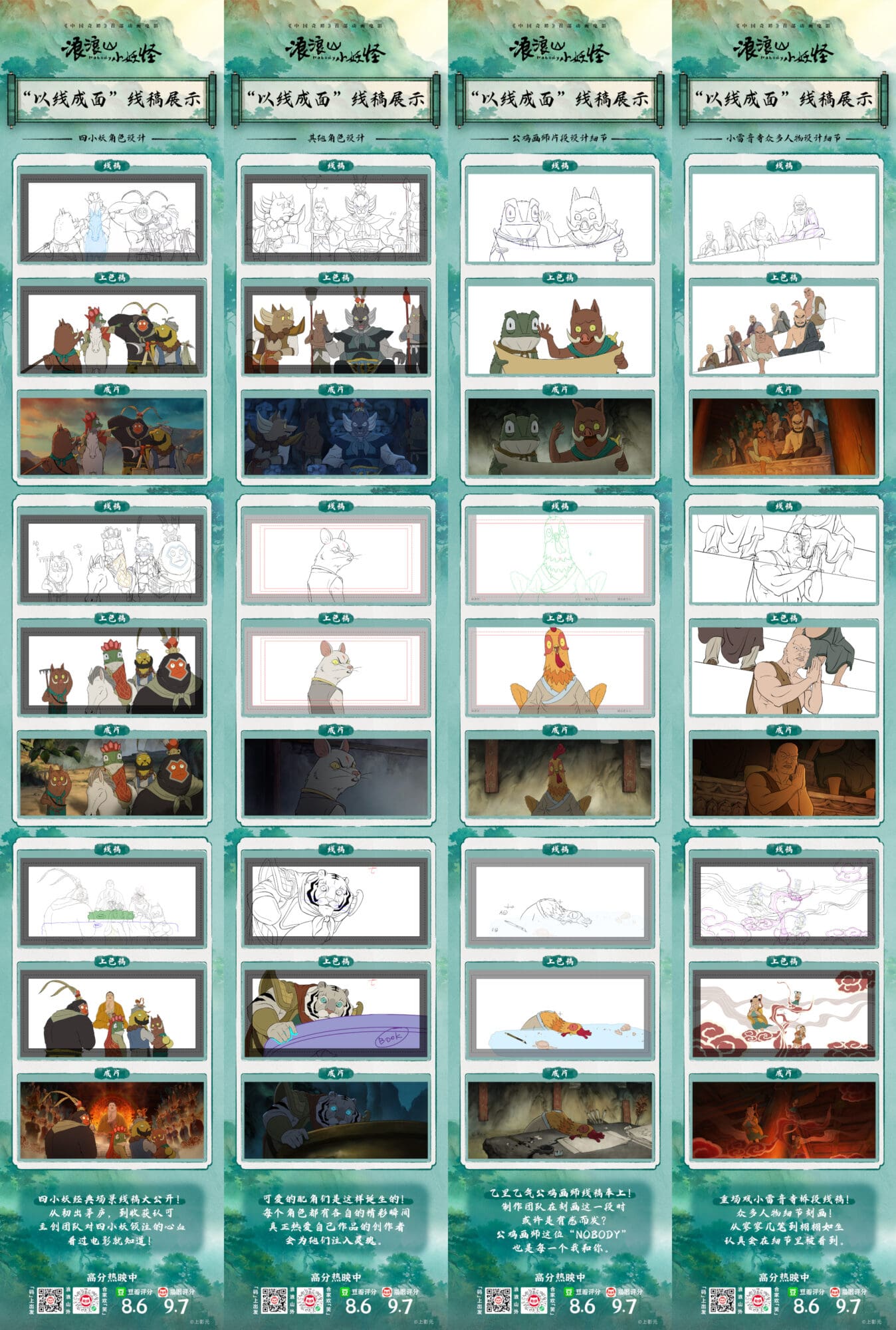
Beyond the sweeping landscapes, the character design in Nobody draws inspiration from the "picture-story books" (lianhuanhua) that were a staple of Chinese culture in the 1980s. As Japanese manga gained a foothold in the 1990s, this indigenous style began to fade. Nobody functions as a love letter to that lost aesthetic, updated for contemporary audiences.
The line weight of the characters was carefully modulated to match the shot scale—a technique borrowed from classical animation but executed with modern precision. "The closer the shot, such as a close-up, the thicker the lines," Yu explains. "The wider the shot, the thinner the lines." This attention to detail ensures that the characters remain distinct even when placed against the complex, ink-heavy backgrounds.
Implications for the Future of 2D Animation
The success of Nobody has significant implications for the global animation industry. At a time when 3D CGI and stylized "2.5D" hybrids dominate the box office, Nobody stands as a defiant monument to the power of traditional 2D techniques. It proves that there is a massive, commercially viable audience for films that prioritize artistic heritage and painterly expression.
Furthermore, the film challenges the monopoly that Western and Japanese studios have held on the "global animated blockbuster." By reclaiming Chinese folklore from an angle that is both culturally specific and thematically universal—the struggle of the underdog—Yu Shui and his team have created a template for how national studios can compete on the world stage without sacrificing their creative identity.
Conclusion: A New Standard
As Nobody continues its festival circuit, it leaves behind a compelling argument for the future of the medium. It is a film that asks us to look at the "monsters" in the margins, to appreciate the nuance of ink on paper, and to recognize that the greatest stories aren’t always about the heroes we know.
In the words of Yu Shui, "Observing the world from an alternative perspective offers a completely fresh experience." In the case of Nobody, that perspective is not just fresh; it is vital. By blending the wisdom of the past with the industrial tools of the present, the Shanghai Animation Film Studio has not only honored its own history but has also set a new, high-water mark for what 2D animation can achieve in the 21st century.
Whether it is the haunting beauty of the landscapes or the relatable, human struggle of its monstrous protagonists, Nobody is a testament to the fact that, in the world of animation, even a "nobody" can become a legend.


 Basiran
 Ammar Sabilarrohman