Nana
Nana
The landscape of modern superhero noir has rarely been as volatile as it is in the current run of Brian Michael Bendis and Michael Avon Oeming’s seminal series, Powers. With the release of Powers #25 #10, readers are invited into a pressure cooker of professional resentment, ethical ambiguity, and the existential weight of living in a world where the line between "law enforcement" and "superhuman" is blurring to the point of erasure.
The latest installment focuses on the combustible pairing of detectives Kutter and Moon. Forced together by the exigencies of a high-stakes investigation, these two men represent the conflicting soul of a city struggling to reconcile its history with its rapidly changing future.
Main Facts: A Partnership Under Siege
At its core, Powers #25 #10 is a character study disguised as a police procedural. The narrative trajectory is clear: the friction between Kutter and Moon is no longer a subtext—it is the central conflict.
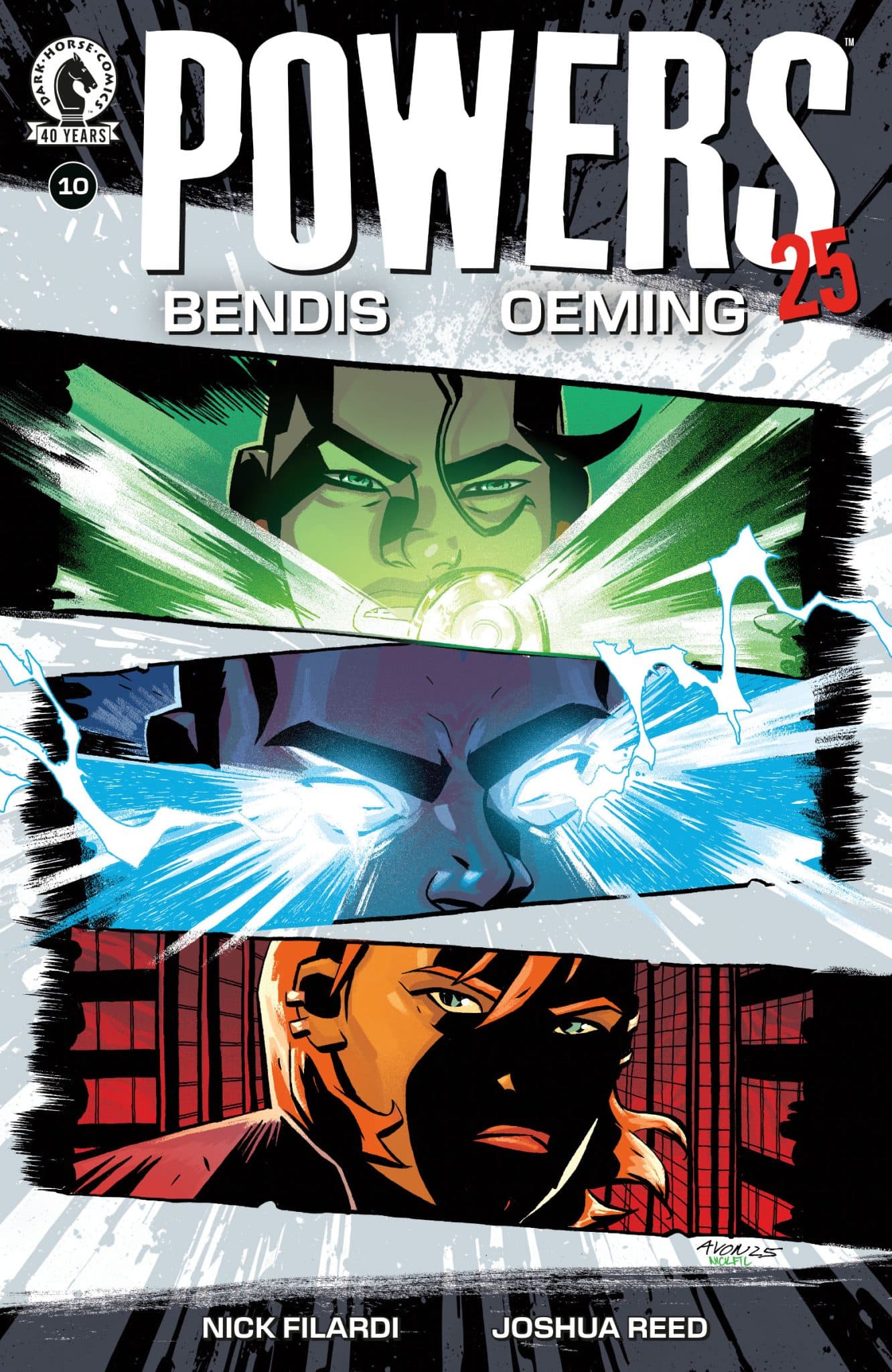
Kutter, a veteran detective whose methods often mirror the grit of the streets he patrols, finds himself at odds with Moon, an investigator whose own superhuman abilities pose a fundamental question: Can a man with "powers" truly police those who have them? Or does his very existence invalidate the impartiality required of a badge-carrying officer?
The case, which has already unearthed layers of systemic corruption and public controversy, serves as the backdrop for a deeper interrogation of the "Legacy Star" narrative. Kutter’s controversial maneuvers regarding this public icon have pushed the duo to a breaking point. As they navigate a web of secrets, the question remains: Are they a team, or are they the two sides of a coin that the city of Powers is tired of flipping?
Chronology: The Road to Incompatibility
To understand the current tension, one must look at the path that brought these two to this precipice.

- The Formation: Initially brought together by administrative necessity, the partnership was characterized by a cold professional distance. Kutter’s skepticism of "Powers-enabled" policing was evident from the start.
- The Escalation: As the investigation into the Legacy Star intensified, the professional disagreement turned personal. Kutter’s aggressive, perhaps reckless, pursuit of leads regarding the icon’s true nature forced Moon to confront his own status as an outsider in his own department.
- The Tipping Point: Powers #25 #10 picks up in the immediate aftermath of a series of tactical blunders and policy violations. Kutter’s decision to move against the Legacy Star without departmental clearance has created a rift that may be impossible to bridge.
- The Confrontation: The current issue depicts the inevitable explosion—not necessarily a physical brawl, but a psychological confrontation where the ideological differences between the two men finally come to the surface.
Supporting Data: The Creative Team
The visceral nature of this conflict is elevated by the seasoned creative team behind the issue. The synergy between writer Brian Michael Bendis and artist Michael Avon Oeming remains the benchmark for the genre.
- Writer: Brian Michael Bendis: Bendis continues to master the "street-level" dialogue that defined the series. His ability to craft characters who sound like authentic, exhausted detectives, rather than comic book archetypes, is in full force here.
- Artist: Michael Avon Oeming: Oeming’s signature high-contrast, angular style serves the tone of the story perfectly. In this issue, his use of shadow and distorted perspectives emphasizes the psychological instability of both protagonists.
- Colorist: Nick Filardi: Filardi’s color palette is intentionally muted, leaning into the noir aesthetic while using sharp pops of color to highlight the supernatural elements that haunt the city.
- Letterer: Joshua Reed: Reed’s lettering choices, particularly in the dialogue-heavy scenes, maintain the pacing and tension of the investigation, ensuring the reader feels the rhythm of the detectives’ clipped, hostile exchanges.
Official Responses and Perspectives
While no "in-universe" press conference has been held, the implications within the precinct are clear. Fellow officers and departmental heads view the Kutter-Moon partnership as a liability.
Industry critics have noted that this issue serves as a meta-commentary on the state of the Powers universe. "Bendis is doing something very clever here," says one industry analyst. "He’s using the detective partnership to explore the ‘superhero fatigue’ that is plaguing the citizens of this world. Moon is a symbol of everything the public is afraid of, even when he’s the one trying to enforce the law."
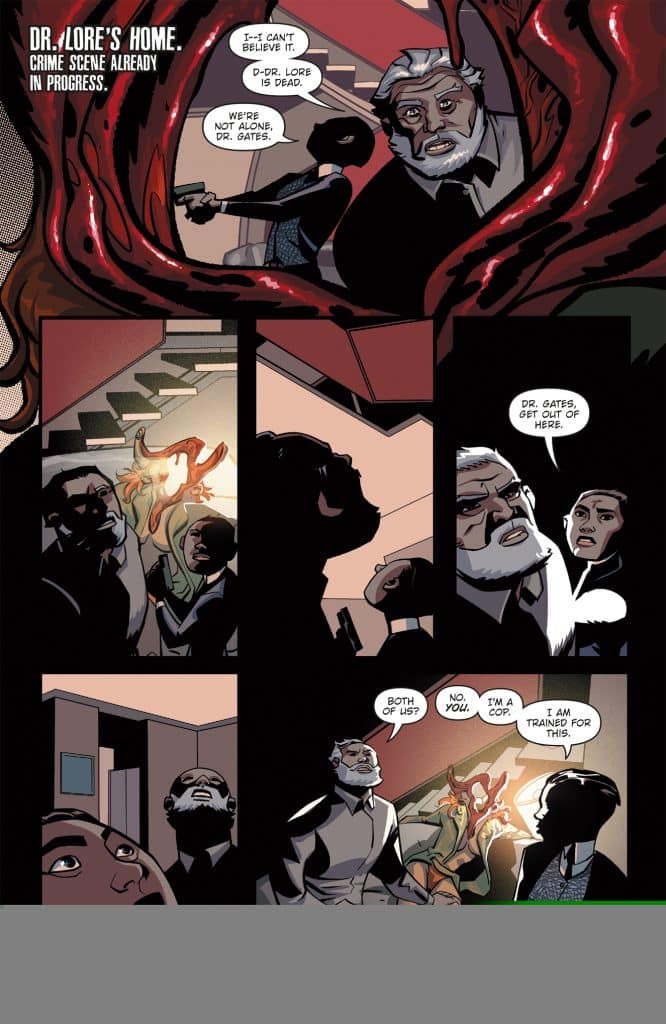
The internal sentiment among the precinct’s rank and file suggests a growing movement to have Moon reassigned, citing a conflict of interest. Meanwhile, Kutter’s supporters argue that his "controversial moves" are the only things keeping the city from total collapse, even if they violate the letter of the law.
Implications: The Future of the Force
The implications of the events in Powers #25 #10 are profound for the remainder of the series.
The Question of Objectivity
The primary implication is the erosion of objective justice. If a detective has the same abilities as the criminals he pursues, he is no longer a neutral arbiter of the law. He is a combatant. This shift changes the fundamental premise of the Powers series: it is no longer about humans keeping tabs on gods, but about gods policing their own.

Political Fallout
The controversy surrounding the Legacy Star is not merely a plot point; it represents a societal shift. If Kutter’s investigation reveals the truth about the Legacy Star, it could trigger a civil uprising or a complete restructuring of the government’s relationship with "Powers." The fallout from this specific investigation is likely to occupy the narrative space for the next several arcs.
The Death of the Partnership
It is becoming increasingly clear that Kutter and Moon cannot continue to function as a unit. Their diverging philosophies—Kutter’s "end justifies the means" pragmatism versus Moon’s struggle with his own identity—are irreconcilable. The tension in this issue suggests that a separation, or a dramatic confrontation, is inevitable.
The Noir Archetype Reimagined
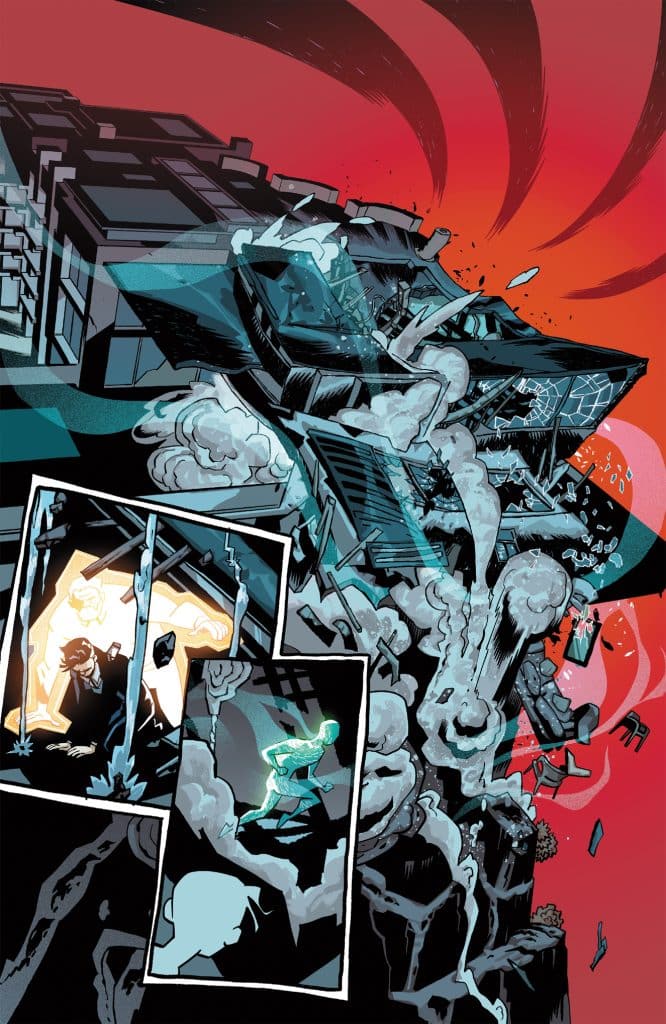
Finally, this issue cements Powers as a definitive work of neo-noir. By taking the "buddy cop" trope and stripping away the camaraderie, Bendis and Oeming have created a portrait of alienation. They show us that in a world with super-powered beings, the most difficult thing to find is a human connection.
Final Thoughts: A Must-Read for Genre Enthusiasts
Powers #25 #10 is more than just another issue in a long-running series; it is a turning point. For readers who have followed the evolution of Kutter and Moon, this chapter offers a masterclass in tension-building and character development.
Whether one sides with the weary, cynical veteran or the conflicted, power-wielding newcomer, the issue demands attention. It challenges the reader to consider the cost of justice in a world that has outgrown its own laws. As the dust settles on this installment, the path forward for the Powers precinct remains dark, uncertain, and compellingly, terrifyingly human.
As we look toward future issues, the burning question is not just whether they can catch their culprit, but whether they can survive each other. The answer, as provided by the expert hands of Bendis and Oeming, promises to be as explosive as the city they inhabit.

 Sagoh
Sagoh
 Ammar Sabilarrohman