

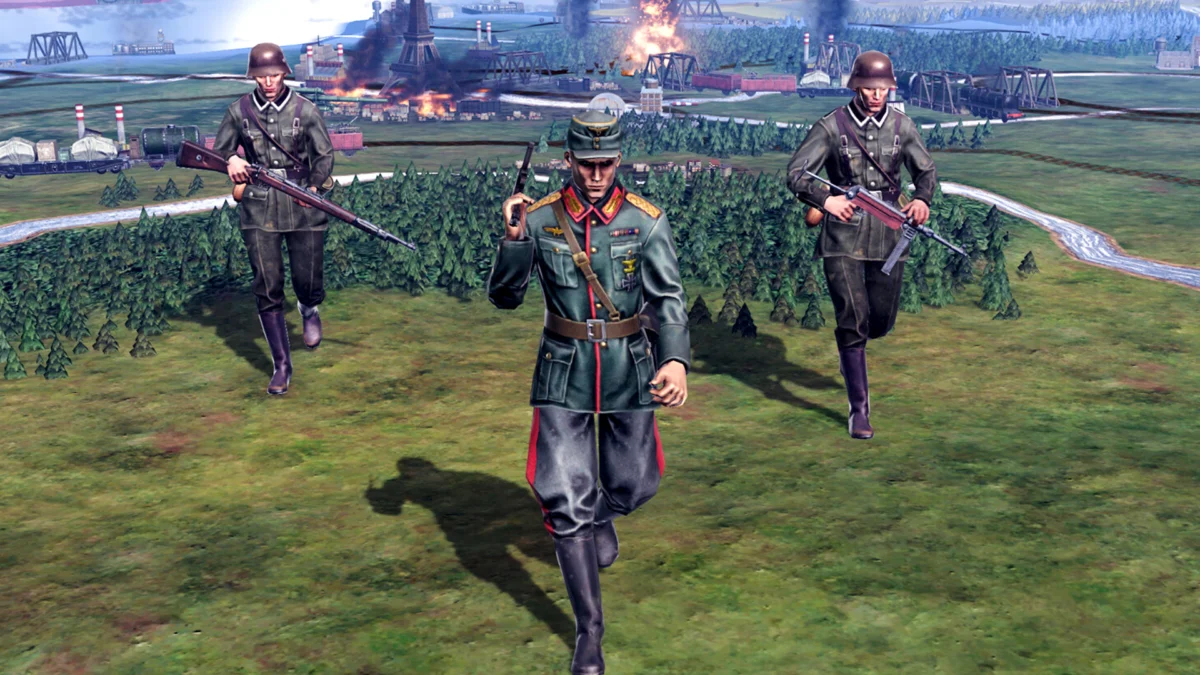
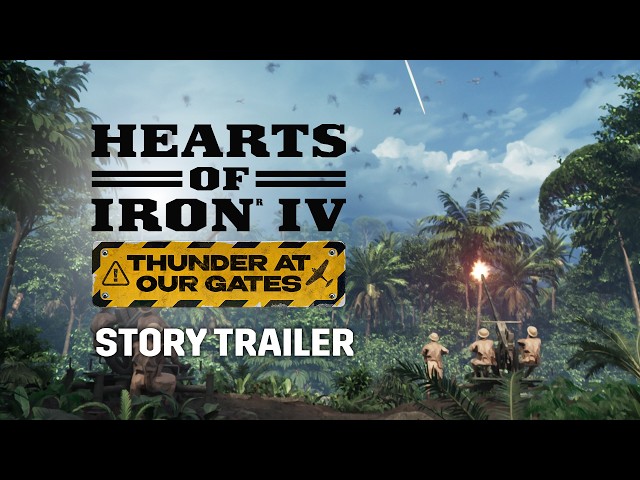
The grand strategy landscape of Hearts of Iron IV is set for a seismic shift. Paradox Interactive has officially unveiled the upcoming "theater pack" expansion, Thunder At Our Gates, scheduled for release on June 11. While the expansion promises to flesh out the geopolitical importance of Australia, Siam, and Indonesia, the true centerpiece of the update is a fundamental overhaul of how players command their armies: the Military Headquarters (HQ) system. This evolution represents years of iterative design, balancing the complexities of military logistics with the need for an accessible, engaging user experience.
The Evolution of Command: A Chronology of Development
The journey toward the current Military HQ system was far from linear. Paradox’s development team has spent considerable time refining the concept, drawing lessons from both the series’ history and the feedback of its dedicated community.
The Initial Concept: The "Dangerously Shippable" Prototype
The early prototype for the Army HQ system was deceptively simple: players would physically place a general on the map as a standalone unit. This general would then generate a "command radius"—a bubble of influence that provided specific bonuses to nearby divisions. The design was quickly identified by the developers as "dangerously shippable." On paper, it solved the problem of making general abilities feel tangible and impactful. It introduced a new tactical risk-reward dynamic: if an enemy force encircled and destroyed the division containing the general, that commander could be captured, adding a layer of narrative consequence to the battlefield.
However, the team soon discovered that the prototype had severe limitations. In playtesting, the system frequently led to bizarre behaviors where players and AI would create disjointed "snake" paths across the map to maximize coverage. Furthermore, it encouraged a style of micromanagement that Paradox sought to avoid, forcing players to obsessively nudge units into specific command circles rather than focusing on broader strategic objectives.
Learning from the Past: The Shadow of HOI 3
Paradox also revisited the "Order of Battle" system from Hearts of Iron III. While revered for its unparalleled depth, the system was notoriously complex, often described by players as a "game in and of itself." The developers admired the visual clarity provided by the dashed lines that connected commanders to their subordinates, but they were wary of the "micro-nightmare" that the system introduced.

The challenge was clear: how to capture the tactical depth of HOI 3 while maintaining the accessibility of HOI 4? The team concluded that features must provide meaningful agency. Simply placing a general on a map was a "visual treat" that lacked substance. The new iteration, therefore, focuses on attachment—linking generals to specific orders to ensure that bonuses are propagated exactly where they are needed most.
Supporting Data: How the New System Functions
The final implementation of the Army HQ system is designed to provide players with a strategic resource that requires genuine decision-making.
Deployment and Resource Management
Army HQs are no longer mere map tokens; they are fully customizable entities. Players can build dedicated HQ division or company templates, allowing for tailored benefits that suit specific theaters of war. Once deployed, these HQs consume Command Power and require equipment, forcing players to treat their command structure as a logistical asset rather than an infinite resource.
The "Proximity" Mechanic
A standout feature of the new system is the visual representation of influence. When an HQ is assigned to an order, the interface displays a clear, tapering line connecting the HQ to the frontline. The line grows thinner as it extends, visually communicating that the bonuses provided by the commander diminish over distance.
Players have the flexibility to define the HQ’s behavior:

- Automated Positioning: HQs will attempt to stay a specific distance behind the frontlines, automatically adjusting as the army advances or retreats.
- Manual Control: For those who prefer granular management, the option to micromanage the HQ’s position remains, allowing for precise control over where bonuses are concentrated.
Balancing and Exploit Prevention
To prevent the system from being abused, Paradox has implemented specific constraints. While HQs do not count toward the standard division cap, they are factored into volunteer limits. This prevents players from flooding foreign conflicts with an disproportionate number of highly buffed command units, ensuring the system remains balanced for both single-player campaigns and multiplayer environments.
Official Perspectives: The Developer’s Vision
Paradox Interactive has been transparent about the philosophy behind these changes. In recent developer diaries, the team emphasized that the goal was not to force players into a rigid playstyle, but to provide a layer of customization that makes armies feel "better suited for the conditions they will be facing."
"Features ultimately need to provide something for the player to play with," the development team noted. "If you put up multiple frontline orders, which one gets the benefits? This creates a choice."
The team’s focus on feedback—both internal and from the community—was instrumental in refining the capture mechanic. They recognized that the threat of losing a general needed to be a tangible concern without becoming an "extreme" burden that frustrated the player. By allowing for recovery via land raids or spy operations, Paradox has turned a potential "game over" moment into a dynamic, emergent narrative event.
Implications: The Future of HOI 4 Warfare
The introduction of the Military HQ system in Thunder At Our Gates suggests a shift in Hearts of Iron IV‘s endgame. By forcing players to prioritize theaters and manage the positioning of their command structure, the game moves away from a "paint the map" style of warfare toward a more thoughtful, logistics-heavy experience.
Strategic Depth vs. Micromanagement
The most significant implication of this update is the change in the "feel" of combat. By making bonuses distance-dependent, the game rewards players who understand the geography of their frontlines. A player who effectively rotates their HQs to support a breakthrough will have a distinct advantage over one who leaves their command structures static and vulnerable.
The New Role of Intelligence and Logistics
The new capture-and-rescue system elevates the role of intelligence and special operations. The ability to launch a targeted raid to retrieve a captured general, or the necessity of using spy operations to locate enemy commanders, adds a layer of depth to the mid-to-late game. These features integrate seamlessly with existing systems, rewarding players who invest in multiple facets of their national strategy.
Expanding the Scope
Beyond the mechanical changes, the expansion’s focus on Australia, Siam, and Indonesia suggests that Paradox is committed to broadening the "theaters" of the conflict. By providing these nations with the tools to participate more meaningfully in the global struggle, the expansion ensures that the new HQ system will be stress-tested across a wide variety of terrains, from the jungles of Southeast Asia to the vast, open fronts of Europe.
Conclusion
Thunder At Our Gates is poised to be one of the most consequential updates in the history of Hearts of Iron IV. By successfully synthesizing the complexity of its predecessor with the modern, streamlined approach of the current title, Paradox Interactive has crafted a feature set that respects both the seasoned veteran and the newcomer. As players prepare for the June 11 launch, the focus shifts to how these new command tools will redefine the meta. Whether through careful planning, logistical prowess, or daring rescue raids, the art of organizing a campaign has never been more vital—or more engaging.










No comments yet. Be the first to join the conversation!