

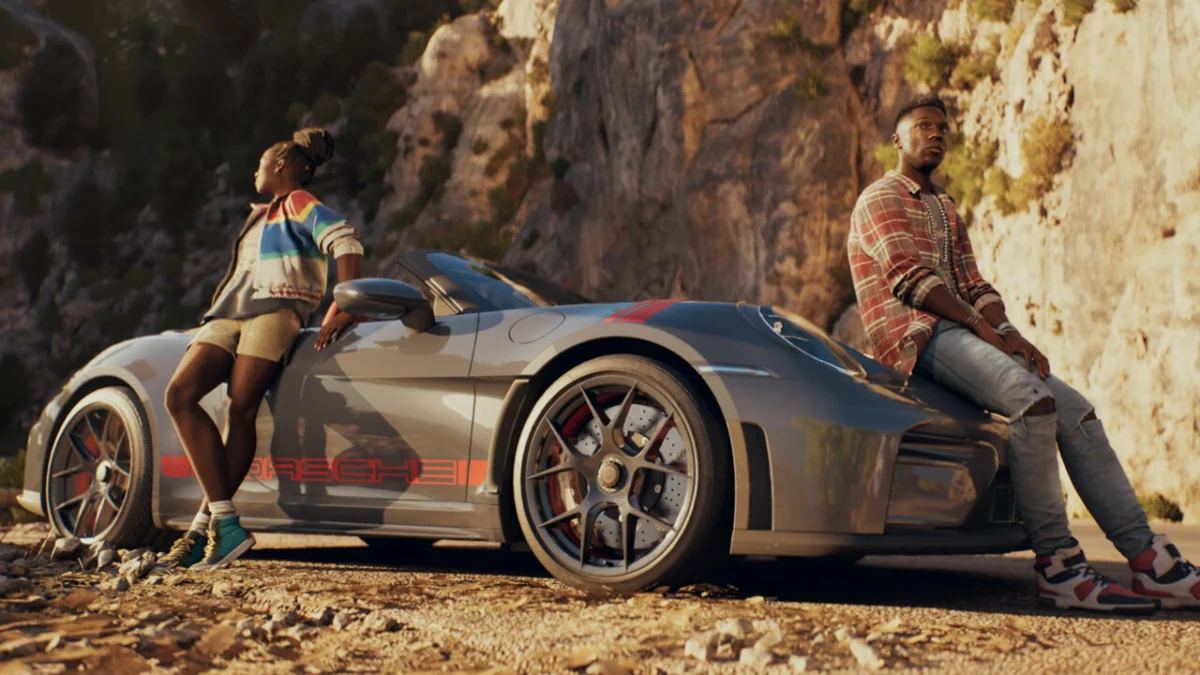
In the high-octane world of digital motorsport, few names carry as much weight as those who built the Forza Horizon franchise. Now, a new challenger has emerged from the shadows of the AAA industry. Maverick Games, a studio founded by former Forza Horizon Creative Director Mike Brown, has pulled back the curtain on its debut project: Clutch. This ambitious open-world title seeks to bridge the gap between the polished, festival-like atmosphere of Horizon and the gritty, narrative-driven adrenaline of Need for Speed, all while promising a level of immersion that focuses on the lived-in reality of automotive culture.
The Core Concept: Where Racing Meets Narrative
At its heart, Clutch is a love letter to the multifaceted world of car culture. Set against the diverse and scenic backdrop of France, the game centers on the journey of a pair of siblings navigating a complex underground racing ecosystem. Unlike traditional racing games that focus purely on the track, Clutch bifurcates its gameplay into three distinct pillars, each requiring a different set of skills and vehicular modifications.
The first pillar is the "R1K" tournament series, a structured, high-stakes competition held on formal race circuits. The second is the "Midnight League," an illicit nocturnal circuit that captures the essence of street racing culture—neon-lit, dangerous, and unapologetically fast. The third, and arguably most distinct, pillar involves mission-based work for a shadowy "Fixer." This section of the game introduces a cinematic layer of heists, high-speed getaways, and intense pursuits by law enforcement, turning the game from a test of speed into a test of survival.
Chronology of Development: From Forza to Maverick
The story of Clutch begins with the dissatisfaction of industry veterans. Mike Brown, having spent years refining the Forza Horizon formula, realized that the constraints of established AAA franchises often prevent radical innovation. In interviews, Brown has been candid about his departure from Playground Games, noting that the desire to push the boundaries of what an open-world racer could be required a blank canvas.
Maverick Games was established to provide that canvas. By recruiting a team of industry veterans who share a singular vision, Brown aimed to create a project that would serve as the definitive racing experience for the next decade. The project has been in development for several years, with the team meticulously crafting the French landscape and the physics engine that powers the "Simcade" experience.
Recent weeks have seen the project shift from internal development to a controlled public unveiling. Influencers and members of the press, including notable automotive content creators like LPN05, have been granted hands-on time with early builds. Their feedback has been overwhelmingly positive, particularly regarding the game’s "feel"—a blend of accessible handling and mechanical depth that feels distinct from the arcade-heavy titles currently dominating the market.
Supporting Data: The Anatomy of a Lived-In Vehicle
Perhaps the most striking aspect of Clutch is the philosophy behind its vehicle design. In many racing games, cars are presented as pristine museum pieces, untouched by the elements or the driver. Clutch flips this script. The development team has invested significant resources into ensuring that vehicles feel "used."
The Aesthetics of Wear and Tear
The interior design of the cars in Clutch is a masterclass in environmental storytelling. Players can observe signs of wear on leather seats and steering wheels, reflecting the history of the machine. The customization suite goes far beyond simple paint jobs or engine upgrades. Players can curate the "personality" of their cockpit:
- Personalized Interiors: Choose what sits on the dashboard, what hangs from the rearview mirror, and what rests in the cupholders.
- Utility and Personality: Place personal items, clothing, or gear on the passenger seat, reinforcing the idea that this is a vehicle used by a person, not a showroom prop.
- Modular Customization: Swap out seats, steering wheels, and trim components to match the specific vibe of the driver’s persona.
Mechanical Versatility: The "Fixer" Toolkit
In the mission-based segments of the game, the cars are treated as tools for survival. Early gameplay reveals the inclusion of specialized equipment, such as an integrated grappling hook designed to facilitate high-speed U-turns and maneuvers that defy traditional physics. This adds a layer of tactical gameplay rarely seen in the genre, forcing players to think about their car’s utility as much as its top speed.
Official Responses and Industry Context
The industry response to the initial reveal has been one of cautious optimism bordering on excitement. Mike Brown, speaking with outlets like IGN, has framed Clutch not just as a game, but as a cultural touchstone for the automotive community.
"We wanted to build something that felt like it had a pulse," Brown remarked. "When you play Clutch, you aren’t just a driver; you are a participant in a world that exists when you aren’t looking. The story isn’t an afterthought; it is the engine that drives the progression."
Industry analysts have noted that the "Simcade" approach—a term denoting a physics model that is grounded in realism but forgiving enough for mass-market appeal—is the sweet spot for the modern racing market. By avoiding the extreme technical difficulty of titles like iRacing while maintaining more weight and consequence than Need for Speed Unbound, Clutch aims to capture a wide demographic of players.
Implications for the Future of Racing Games
The arrival of Clutch signals a potential shift in the trajectory of the racing genre. For the past decade, the industry has leaned heavily into the "festival" model popularized by Forza Horizon. While successful, this model has faced criticism for becoming formulaic.
Clutch challenges this by prioritizing:
- Narrative Integration: By grounding the racing in a story of sibling rivalry and criminal underworlds, the game creates an emotional stake for the player that transcends the desire to win a trophy.
- Cultural Depth: The focus on interior customization and the "lived-in" aesthetic reflects a broader trend in gaming toward hyper-personalization and authentic representation of subcultures.
- Technological Ambition: By leveraging the power of current-gen hardware (Xbox Series S|X, PS5, and high-end PCs), the team is pushing for a level of visual fidelity that makes the French countryside a living, breathing character in its own right.
Looking Ahead: The Summer Game Fest and Beyond
As the community awaits the official, full-scale reveal at the upcoming Summer Game Fest, the anticipation is palpable. Maverick Games has promised that the showcase will provide a deeper look at the narrative structure and the scope of the open world.
For the players, the wait will continue until next spring, when Clutch is slated for release. If the promises made by Mike Brown and his team hold true, the game may well become the benchmark for the next generation of racing titles. It is a bold play—to take the lessons of the most successful racing franchise in history and strip away the polish in favor of grit, story, and soul.
Whether Clutch can live up to the lofty goal of defining the next decade of automotive gaming remains to be seen. However, given the pedigree of its developers and the refreshing nature of its design philosophy, one thing is certain: the racing world is paying close attention. The shift from "Festival" to "Story" may be the exact gear change the genre needs to accelerate into the future.












No comments yet. Be the first to join the conversation!