

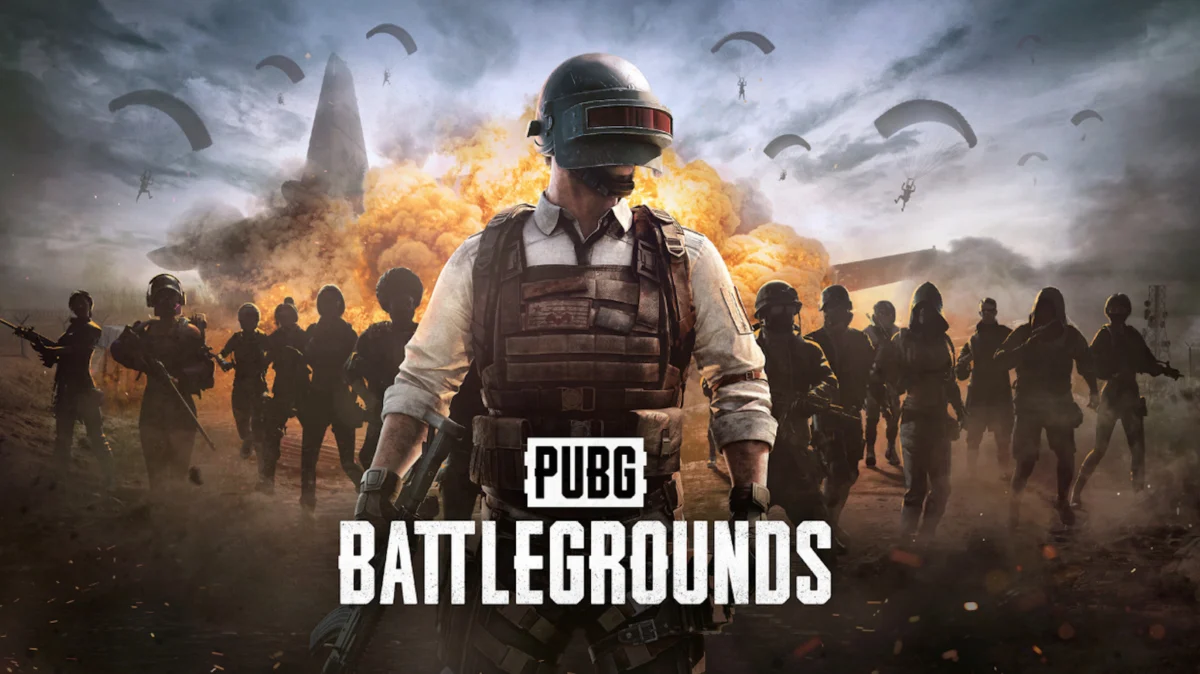
The landscape of the gaming industry continues to undergo a turbulent period of contraction, and the latest studio to face the winds of change is PlayerUnknown Productions. Founded by Brendan Greene, the visionary behind the genre-defining PUBG: Battlegrounds, the studio has officially announced a significant downsizing effort. This pivot includes the cancellation of the survival roguelike Prologue: Go Wayback and a strategic shift in how the studio handles its ambitious, in-house terrain-generation technology, "Melba."
For the players who supported the early development of Prologue, the news brings a mix of disappointment and a rare concession: the game is transitioning to a free-to-play model, with the studio actively investigating comprehensive refund pathways for those who previously purchased the $20 early access title.
The Core Facts: A Shift in Strategy
The downsizing at PlayerUnknown Productions represents a tactical retreat from active consumer-facing game development to a more concentrated focus on infrastructure and engine refinement. In an official statement released via the studio’s social channels, the company confirmed that it is laying off an unspecified number of employees.
The primary casualty of this restructuring is Prologue: Go Wayback, a survival roguelike that had been available in early access on Steam and the Epic Games Store since last year. While the game was intended to serve as a showcase for the studio’s proprietary terrain-generation engine, Melba, the financial and operational weight of maintaining both the engine and the game proved unsustainable.
Brendan Greene, who departed from Krafton in 2021 to establish this independent venture, emphasized that the studio remains committed to the Melba technology. However, the team size dedicated to this endeavor will be significantly reduced, reflecting a leaner approach to long-term R&D.
Chronology: From Battle Royale Titan to Independent Pioneer
To understand the weight of this news, one must look at the trajectory of Brendan Greene.
- 2017: PUBG: Battlegrounds (formerly PlayerUnknown’s Battlegrounds) launches, effectively igniting the global battle royale craze and setting industry records for concurrent player counts.
- 2021: Brendan Greene officially leaves Krafton, the parent company of PUBG Corporation, to establish PlayerUnknown Productions. His stated goal is to explore "massive-scale" open-world concepts that transcend traditional game design.
- 2023: The studio releases Prologue: Go Wayback into early access. Priced at $20, the title acts as a vertical slice of their vision for massive, procedurally generated worlds.
- 2024: The studio releases Preface: Undiscovered World, a tech demo allowing users to explore an "Earth-scale world" generated in real-time using the Melba engine.
- Late 2024/Early 2025: Facing high development costs and the pressures of a cooling gaming market, PlayerUnknown Productions announces layoffs and the cancellation of Prologue’s active development.
Supporting Data: The Cost of "Melba" and Ambitious Scaling
At the heart of the current crisis is the "Melba" engine. Unlike traditional game engines such as Unreal or Unity, which are built for broad utility, Melba is a specialized tool designed specifically for the creation of massive, procedural, real-time landscapes.
Developing a proprietary engine is one of the most expensive and risky endeavors in the gaming industry. For a mid-sized independent studio, the "burn rate"—the speed at which a company spends its venture capital or reserves—is often driven by the high salaries of specialized engine engineers and the hardware requirements for large-scale procedural testing.
The studio’s commitment to "Earth-scale" worlds implies a level of complexity that requires not just creative design, but massive backend infrastructure. While the studio has successfully showcased this tech via Preface: Undiscovered World, the transition from a "tech demo" to a "commercial product" is where many studios falter. By cutting Prologue from the roadmap, the studio is effectively trying to stop the bleeding while preserving the intellectual property and the core code of Melba for future licensing or eventual project integration.
Official Responses and the Refund Conundrum
In the wake of the announcement, the studio has been transparent about the user-experience fallout. Brendan Greene has addressed the community regarding the $20 early access purchase price.
"We are investigating ways to facilitate refunds for those who supported the early build," the studio stated. While the specifics of this process are still being finalized—likely involving coordination with Steam and Epic Games Store support teams—the intent is to ensure that players are not left holding a "dead" product.
Furthermore, the early access build of Prologue will remain accessible on storefronts, but it will be transitioned to a free-to-play model. This serves a dual purpose: it allows the studio to maintain its brand presence and provides a historical record of the work performed, while simultaneously mitigating the public relations blowback associated with cancelling a paid product.
The Looming Question: What Happens to ‘Artemis’?
Perhaps the most significant lingering question concerns Artemis. Announced previously as a "massive multiplayer game," Artemis was intended to be the ultimate expression of the Melba engine. It was marketed as a world of unparalleled scale, where players could build and inhabit a persistent, living environment.
With the current layoffs and the cancellation of Prologue, the status of Artemis is officially in limbo. The studio has not provided a concrete update on whether Artemis remains in active production or if it, too, is being shelved in favor of a purely tech-focused business model. If Artemis is cancelled, it would signify a total retreat from the "gaming" side of PlayerUnknown Productions, potentially turning the company into a technology firm focused exclusively on engine licensing.
Implications for the Industry
The downsizing of PlayerUnknown Productions is emblematic of a broader trend within the mid-tier independent sector. Over the last three years, we have seen:
- The Engine Trap: Studios that attempt to build their own proprietary tech while simultaneously building a game are finding it harder to compete with the sheer ease of use offered by the latest versions of Unreal Engine 5.
- Market Saturation: The "survival roguelike" genre is hyper-saturated. Even with the prestige of the "PlayerUnknown" name, breaking through the noise requires massive marketing budgets that many independent studios simply do not possess.
- The "Tech-First" Pivot: We are seeing a shift where developers are realizing that their tools—the engines—are often more valuable than the games built upon them. By focusing on the Melba engine, PlayerUnknown Productions is attempting to pivot to a B2B (business-to-business) model, which may offer more financial stability than the volatile B2C (business-to-consumer) game market.
Conclusion
Brendan Greene’s vision for a massive, procedurally generated future remains one of the most compelling concepts in modern game design. However, the path to realizing that vision has proven fraught with the same economic realities that have challenged developers since the dawn of the medium.
As PlayerUnknown Productions navigates this period of contraction, the gaming community will be watching closely. Whether this is the end of the studio’s ambitions as a game developer or merely a painful "reset" to ensure the survival of its proprietary technology remains to be seen. For now, the focus is on transparency: ensuring that those who bought into the dream of Prologue are made whole, and that the "Melba" engine—the true star of the studio’s portfolio—finds a path forward in an increasingly competitive technological landscape.
The industry will undoubtedly learn from this pivot. The era of "massive-scale" ambition is not over, but the era of reckless, unbridled development without a clear, sustainable financial runway is, for many, coming to a definitive and sobering end.












No comments yet. Be the first to join the conversation!