Basiran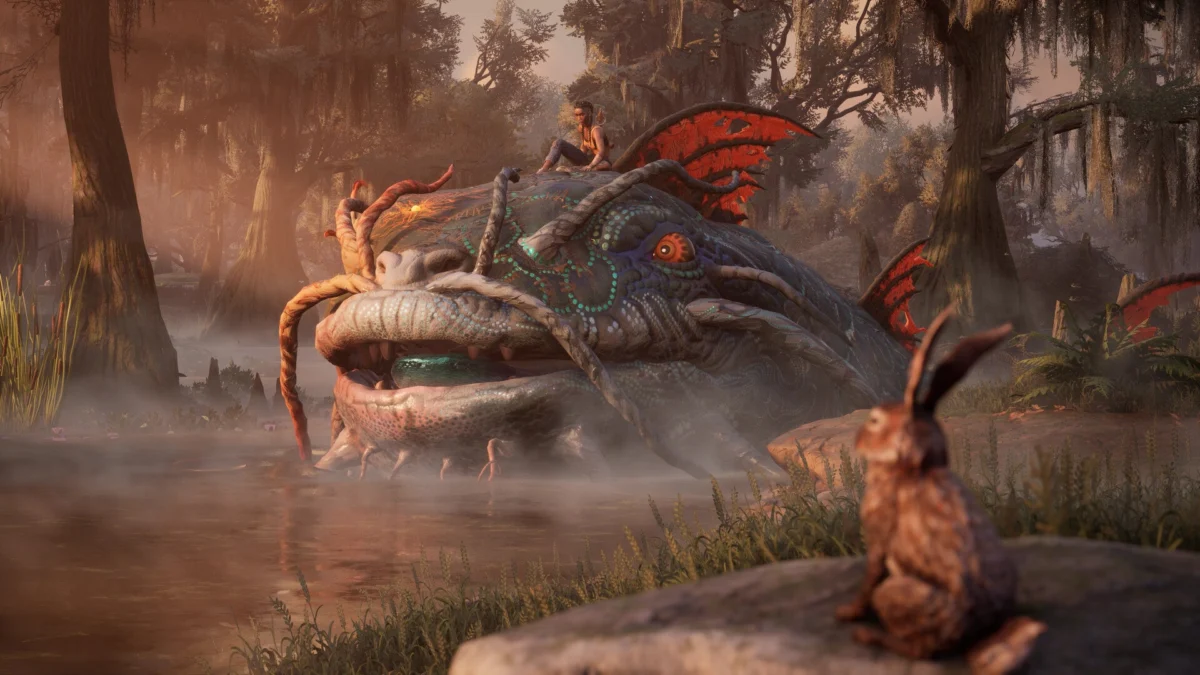
The gaming industry is reeling following a series of reports indicating that Microsoft’s Xbox division is engaged in high-stakes negotiations regarding the future of several of its most storied studios. As the tech giant grapples with stagnant growth and immense capital expenditure, the fates of Compulsion Games, Ninja Theory, and Double Fine—all critical pillars of the Xbox Game Studios ecosystem—now hang in the balance.
The Current Crisis: A Portfolio in Jeopardy
The latest reports suggest that the management teams at Compulsion Games, the developers behind We Happy Few and the critically acclaimed South of Midnight, are currently in intense negotiations with Microsoft leadership. While the specifics of these discussions remain behind a veil of corporate confidentiality, the underlying implication is clear: the studio’s continued existence as an Xbox-owned entity is no longer guaranteed.
Compulsion is not alone. Parallel reporting from industry outlets including Bloomberg and The Verge highlights that this is a systemic issue affecting multiple corners of the Xbox empire. Ninja Theory, the powerhouse behind the Senua’s Saga: Hellblade franchise, has reportedly been informed that the studio is at risk of closure. Similarly, Double Fine—the legendary independent-turned-first-party studio led by industry icon Tim Schafer—is said to be embroiled in similar crisis talks.
For these studios, the primary objective of current leadership is reportedly to secure a "spin-off" or divestment strategy. By separating from the Xbox umbrella, these developers hope to maintain their operations as independent entities, thereby avoiding the total closure that has become an increasingly common, albeit tragic, reality in the modern AAA landscape.
A Chronology of Instability
The current climate of uncertainty did not emerge in a vacuum. To understand the volatility facing these developers, one must look at the timeline of events that has defined the last few months for Microsoft’s gaming division:
- Mid-2025/Early 2026: Financial reports begin to reflect a troubling trend for Microsoft’s gaming arm. Despite massive investments, revenue continues to decline, leading to increased pressure from shareholders and internal executive boards to trim costs.
- Early 2026: Internal restructuring rumors begin to circulate, with reports suggesting that Microsoft is weighing the possibility of spinning off the Xbox division as a standalone entity or transitioning it into a more isolated, wholly owned subsidiary.
- April 2026: Compulsion Games receives significant industry recognition, with South of Midnight winning a Peabody Award. The win underscores the cultural value of the studio’s output, creating a sharp contrast between their creative success and their precarious corporate status.
- June 15, 2026: Reports surface detailing that Compulsion Games is in "negotiations" with Microsoft regarding their future. News breaks simultaneously regarding the risks to Ninja Theory and Double Fine.
- June 16, 2026: A critical update emerges: staff at Ninja Theory are officially notified during a company-wide call that the studio is at risk of closure and that management is actively searching for a buyer to facilitate a spin-off.
- Mid-June 2026: The exodus of top-level leadership begins, with Craig Duncan, the head of Xbox Game Studios, and his chief of staff, Louise O’Connor, departing the company, signaling a significant shift in the division’s administrative core.
The Economic Context: $20 Billion and a $500 Million Deficit
The urgency behind these potential closures is rooted in a sobering financial reality. In a recent blog post marking her first 100 days as CEO, Asha Sharma provided a candid look at the state of the division. According to the report, Microsoft has poured more than $20 billion into its Xbox ecosystem over the past five years, excluding the massive, separate expenditures associated with the acquisition of Activision Blizzard.
Despite this staggering level of capital injection, the financial returns have failed to meet expectations. The division is reportedly seeing a revenue decline of approximately $500 million per year. In the world of high-stakes corporate finance, such figures are often the catalyst for the "restructuring" and "consolidation" terms that developers dread.
The strategy appears to be a pivot toward austerity. With plans for further layoffs already rumored, the leadership at Xbox is seemingly attempting to shrink the division to a core group of high-performing assets, potentially sacrificing boutique or narrative-driven studios in the process.
The Human and Creative Cost
The potential shuttering of these studios represents a profound loss for the gaming medium. Compulsion Games has spent years cultivating a unique, surrealist aesthetic that has earned them awards from the BAFTAs and the Gayming Awards. Their recent accolade for South of Midnight—a game praised for its exploration of folklore and human resilience—highlights the type of creative risk-taking that is often the first casualty of corporate streamlining.
Similarly, Ninja Theory has long been considered a standard-bearer for "AAA-indie" sensibilities, blending high-fidelity technical performance with deeply personal, mental-health-focused narratives. Double Fine, meanwhile, carries a legacy of gaming history that spans decades; to see it in a state of existential risk is a jarring reminder that no amount of historical prestige provides immunity against modern market pressures.
The uncertainty is not just a corporate issue; it is a human one. When a studio is "in negotiations" regarding its fate, the morale of the workforce—the artists, programmers, and writers who build these worlds—often evaporates. The threat of closure leads to the loss of top talent, creating a "brain drain" that can cripple a studio even if it avoids the finality of a shutdown.
Official Responses and Industry Implications
As of the time of writing, Xbox has not issued a formal public statement addressing the specific status of Compulsion, Ninja Theory, or Double Fine. The departures of Craig Duncan and Louise O’Connor have only added to the sense of a leadership vacuum, leaving staff and the public to speculate on who will steer the division through this turbulent transition.
The implications for the industry at large are severe. If a company with the resources of Microsoft feels compelled to shed its creative studios, it sends a chilling message to the rest of the market. It suggests that the "subscription-first" or "Game Pass-focused" model of growth has hit a ceiling. Investors are no longer rewarding long-term creative investment; they are demanding immediate profitability.
For the independent developers watching these events, the lesson is stark: even under the banner of a trillion-dollar company, creative autonomy is fragile. The shift toward spinning off these studios is a tacit admission that the current consolidation model has failed to produce the sustainable returns that were promised at the time of these acquisitions.
The Road Ahead: A Period of Reassessment
As Microsoft continues to evaluate its options—whether through total restructuring, spin-offs, or further layoffs—the eyes of the gaming community remain fixed on Redmond. The next few months will be pivotal. Will the studios be granted a lifeline through independent buyouts, or will we witness the permanent closure of some of the industry’s most beloved teams?
The "Xbox Reset" described by leadership implies a future that looks very different from the past decade of aggressive expansion. Whether that future includes a place for the unique, narrative-driven experiences that defined Compulsion, Ninja Theory, and Double Fine remains the most critical question in the industry today.
For now, the employees, fans, and observers of these studios must wait. The "negotiations" behind closed doors will eventually conclude, and when they do, the landscape of the gaming industry will likely be irrevocably changed. The challenge for Microsoft is not just managing its balance sheet, but ensuring that in its quest for financial stability, it does not destroy the very innovation that gives the Xbox platform its identity.


 Dwi Wanna
 Sagoh
Sagoh