Dwi Wanna
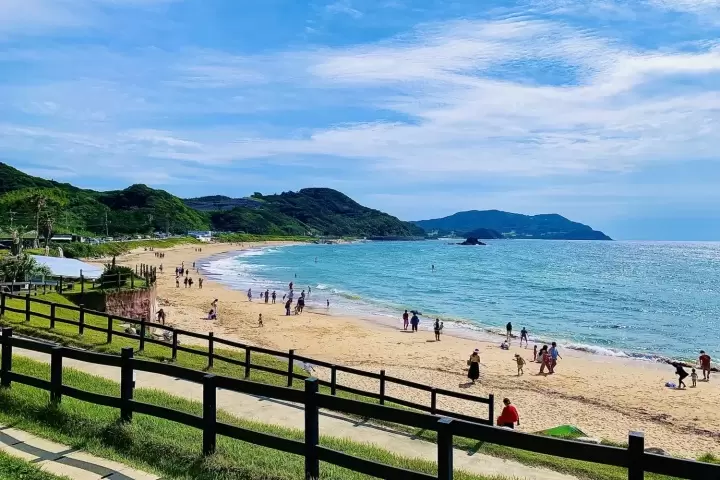
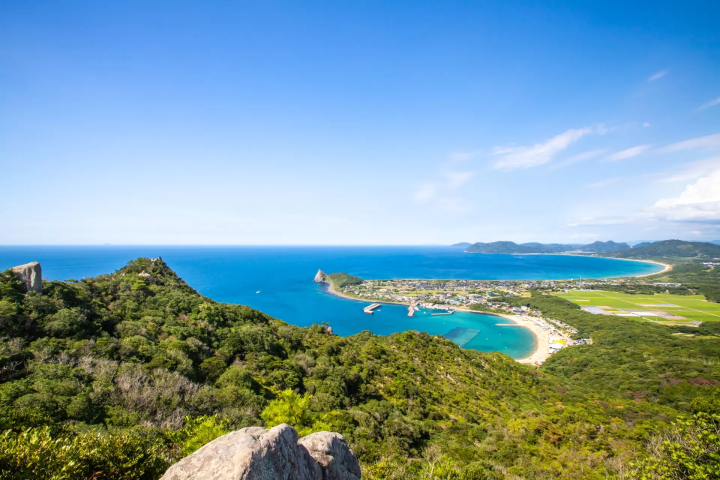
Blessed with a harmonious blend of rugged mountains and pristine, azure coastlines, Itoshima has rapidly evolved from a quiet local secret into one of Kyushu’s premier travel destinations. Located just a short distance from the bustling urban center of Fukuoka City, this peninsula offers an intoxicating mix of natural wonder, spiritual heritage, and vibrant culinary experiences. Whether you are a photography enthusiast chasing the perfect sunset or an adventurer seeking the tranquility of forest trails, Itoshima provides an escape that feels worlds away from the city’s concrete landscape.
This comprehensive guide breaks down the essential facts, logistics, and four distinct, expert-curated itineraries designed to help you navigate this stunning region with ease.
Main Facts: The Geography of Itoshima
Itoshima is a geographic gem that projects into the Genkai Sea. Its proximity to Fukuoka Airport and Hakata Station—roughly a 45-minute journey—makes it the most accessible natural getaway in the prefecture. The region is characterized by its dramatic elevation changes, shifting from the 211-meter peak of Mount Tateishi to the delicate, silk-like cascades of Shiraito Falls.
- Accessibility: Easily reached by car or the JR Chikuhi Line (via the Fukuoka City Subway).
- Best Time to Visit: While beautiful year-round, the period from late spring to autumn is ideal for outdoor activities, offering the clearest skies for sunset viewing.
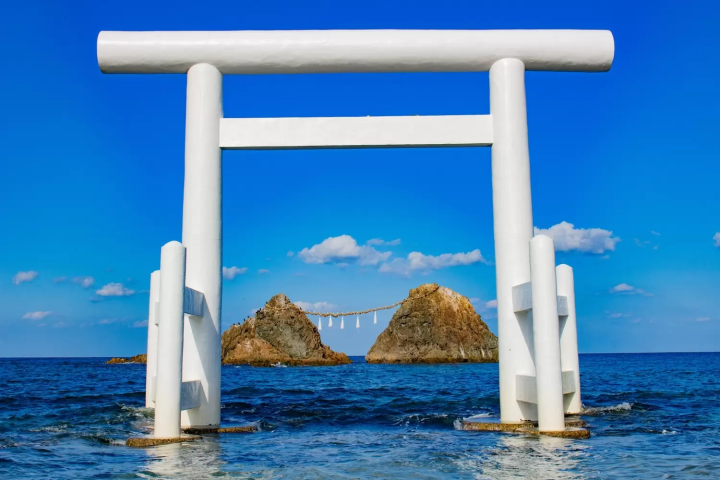
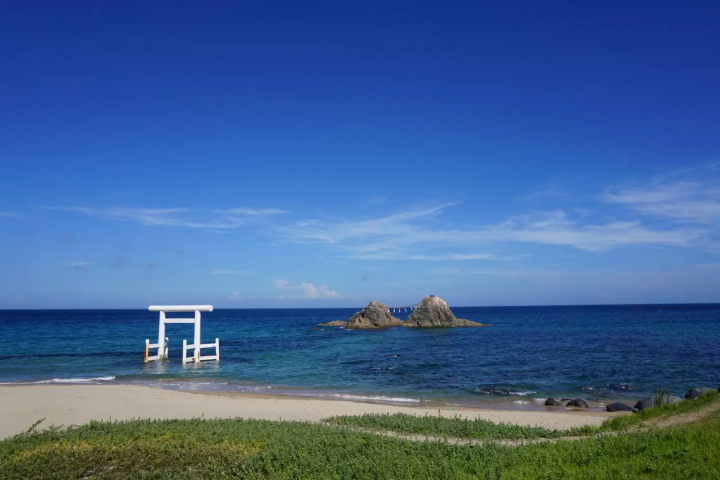
- Key Highlights: The sacred Meoto Iwa (Wedded Rocks), the "Totoro-like" forest tunnels, and a booming local food scene centered around fresh seafood and artisanal produce.
Chronology of an Itoshima Getaway
To maximize your time in Itoshima, strategic planning is essential. Below is a suggested flow for a standard day trip.
- 09:00 – Arrival & Orientation: Whether arriving via Chikuzen-Maebaru Station or driving, start your morning by securing your transportation—either a rental car or a bicycle.
- 10:00 – Morning Adventure: Begin with light physical activity. Hikers should prioritize Mount Tateishi for a panoramic view of the Genkai Sea. Families or thrill-seekers might prefer the aerial courses at Forest Adventure Itoshima.
- 12:30 – Culinary Exploration: Itoshima is famous for its "farm-to-table" ethos. Visit local seafood restaurants like Tsukamoto Sengyoten or explore the bustling farmers’ market at Ito Saisai.
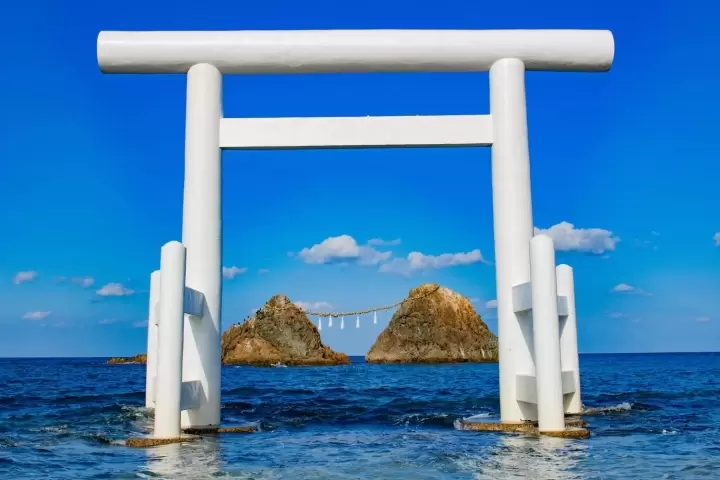
- 15:00 – Cultural & Scenic Immersion: Dedicate the afternoon to the peninsula’s iconic landmarks. Visit the sacred Sakurai Futamigaura or walk the enchanting trails of Keya no Oto.
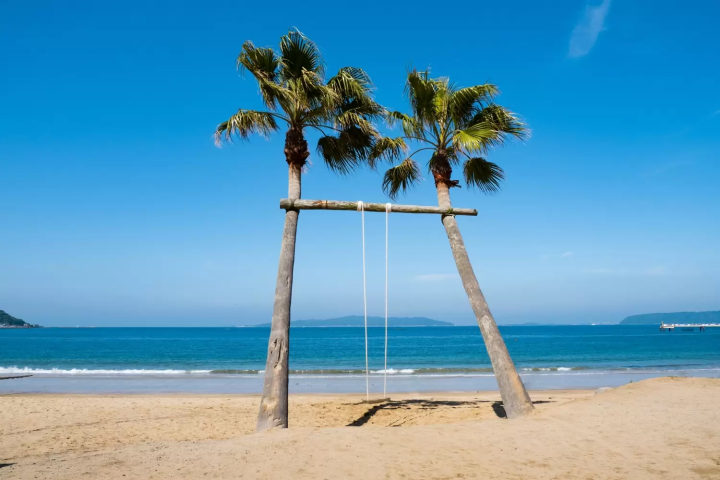
- 17:30 – The Golden Hour: Conclude your trip at the Palm Tree Swing or a beachside cafe. The sunsets here are among the most celebrated in Japan, often framed perfectly by the iconic torii gates.
Supporting Data: Travel Logistics
Efficiency is the hallmark of a successful Itoshima trip. Here is how the various transit methods compare:
| Transport Method | Travel Time (from Fukuoka) | Ideal For |
|---|---|---|
| Rental Car | 30–45 minutes | Groups, families, and those seeking flexible schedules. |
| Public Transit/Bus Tour | 60 minutes | Solo travelers and those wanting a stress-free, guided experience. |
| Cycling | 3.5 hours (full loop) | Fitness enthusiasts and those wanting to soak in the sea breeze. |
The "Totoro’s Forest" Phenomenon
Keya no Oto Park is home to a natural phenomenon that has captured the digital age’s imagination. The canopy, formed by tightly intertwined branches, creates a natural archway that mimics the whimsical aesthetic of Studio Ghibli’s My Neighbor Totoro. Data from local tourism boards suggests that this specific site has seen a 40% increase in foot traffic over the last three years, driven largely by social media engagement.

Official Responses and Preservation
The Itoshima City Tourism Association has consistently emphasized the importance of "sustainable tourism." As visitor numbers climb, local authorities have implemented measures to protect the integrity of the Meoto Iwa and the surrounding coastal ecosystems.
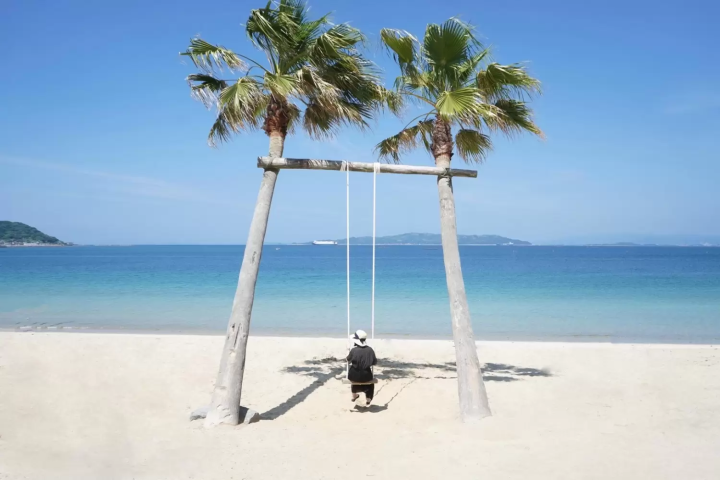
"We encourage visitors to respect the sanctity of our sacred sites," says a spokesperson from the local tourism office. "While the Palm Tree Swing and other photo spots are for everyone to enjoy, we ask that travelers remain mindful of the private property and fishing rights that coexist with our tourism infrastructure."
Implications for Travelers: Four Curated Itineraries
1. The Scenic Coastal Drive (For Photographers)
This route focuses on the dramatic contrast between the white sand beaches and the deep blue ocean.
- Mount Tateishi: A 30-minute hike providing a 360-degree view of the Genkai Sea.
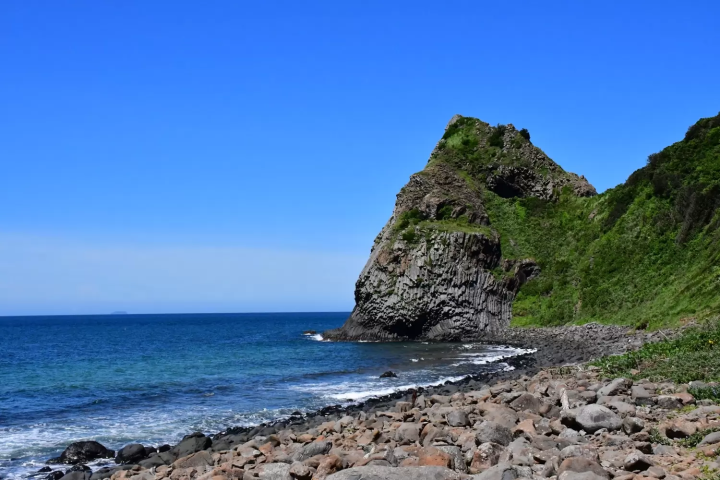
- Keya no Oto Pleasure Boat: Explore Japan’s largest basalt cave from the water (operates March–November).
- Sakurai Futamigaura: Witness the iconic torii gate and Wedded Rocks.
- Palm Tree Swing: A must-have Instagram photo op on the grounds of Zauo Itoshima.
2. The Mountain & Ocean "Luxury" Route (By Car)
This path blends adrenaline with relaxation.

- Forest Adventure Itoshima: A high-intensity outdoor park.
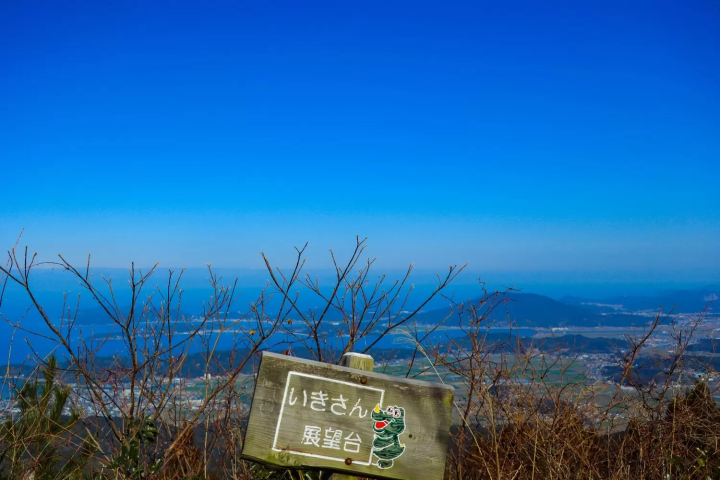
- Ikisan & Haro Observatories: Peer out over the lush, rolling hills of the peninsula.
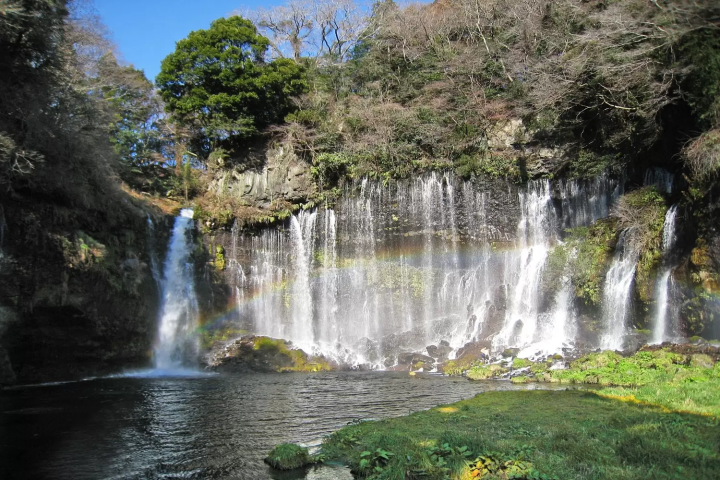
- Shiraito Falls: Experience the "negative ion" power spot and enjoy nagashi-somen (flowing noodles).
- Tsukamoto Sengyoten: Conclude with a premium sashimi bowl featuring the daily catch.
3. The Eco-Friendly Cycling Course (Car-Free)
Using a rental bike from Chikuzen-Maebaru, explore at your own pace.
- Blue Roof: Stop here for a cold-pressed juice and to browse local handicrafts.
- Hakoshima Shrine: Known as a "power spot" for romance, this tiny shrine appears to float on the tide.
- Coastal Cruising: Cycle the northern coastline, stopping at local oyster huts if visiting in winter.
4. The Guided Bus Tour (Hakata Departure)
For those who prefer a curated experience, the KKday-operated bus tour is the gold standard.
- Structured Timing: With a fixed 8:30 AM departure from Hakata, you skip the stress of navigation.
- Comprehensive Stops: The tour covers the highlights—Shiraito Falls, Ichiran no Mori (the brand’s production center), and the farmers’ market—ensuring you miss nothing.
- Educational Value: Gain insights into the production of world-famous Tonkotsu ramen at Ichiran’s flagship factory museum.
Conclusion: Crafting Your Own Experience
Itoshima is more than just a list of landmarks; it is a region that demands to be felt. Whether you are standing in the mist of Shiraito Falls or watching the sun dip below the horizon at Sakurai Futamigaura, the peninsula offers a rare opportunity to disconnect from the digital world and reconnect with nature.
We recommend using these itineraries as a foundation. Feel free to mix and match—perhaps pair the mountain hike with a visit to the farmers’ market, or spend an entire afternoon at a seaside cafe. No matter how you choose to structure your day, Itoshima is guaranteed to leave an indelible mark on your travel memories.
Note: Always check weather conditions before heading to coastal areas, as high seas can occasionally restrict access to boat tours and specific beachside attractions. For the latest updates, visit the official Itoshima Tourism Website.


 Neng Nana
 Asro
Asro