Reynand Wu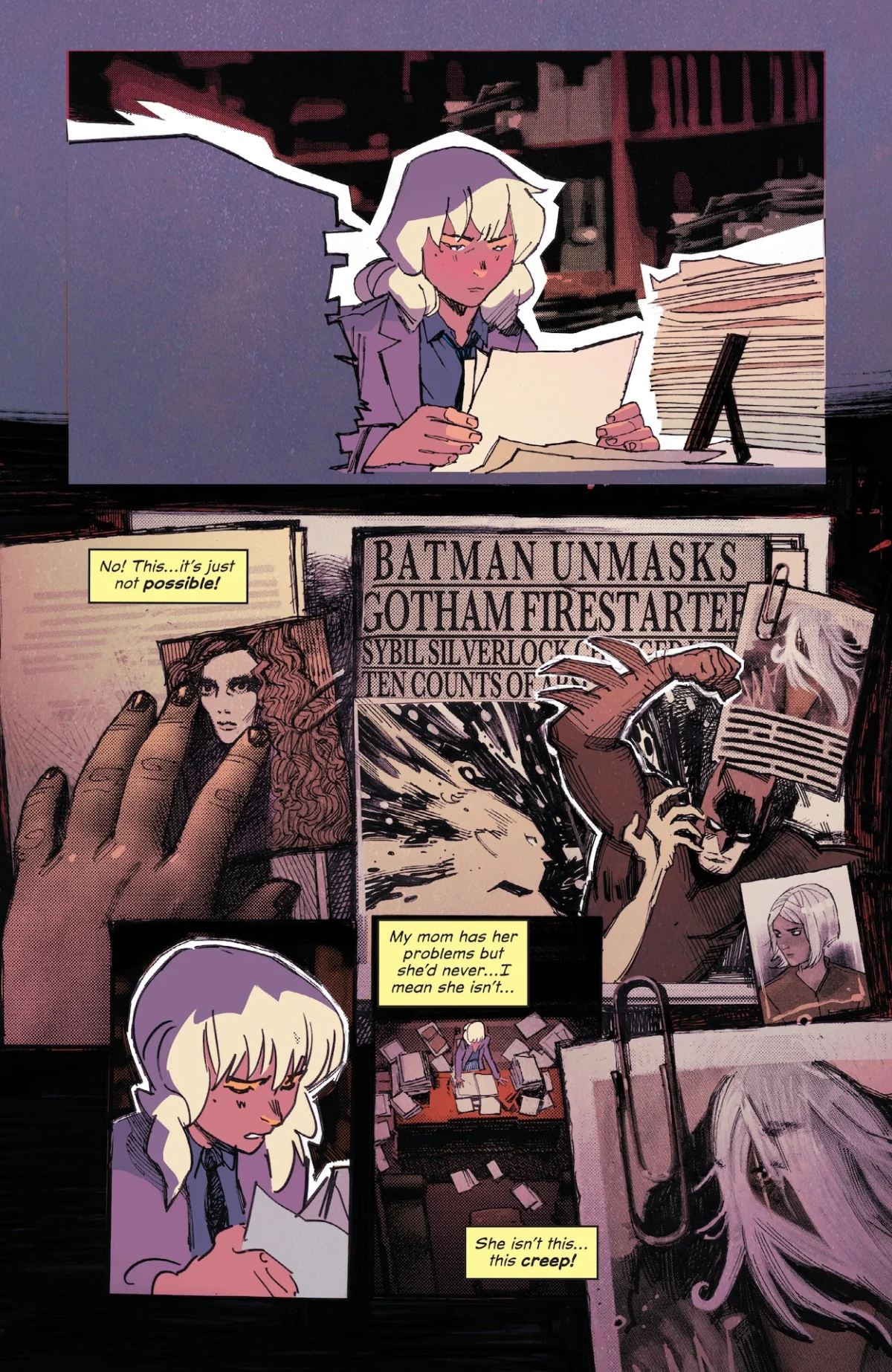
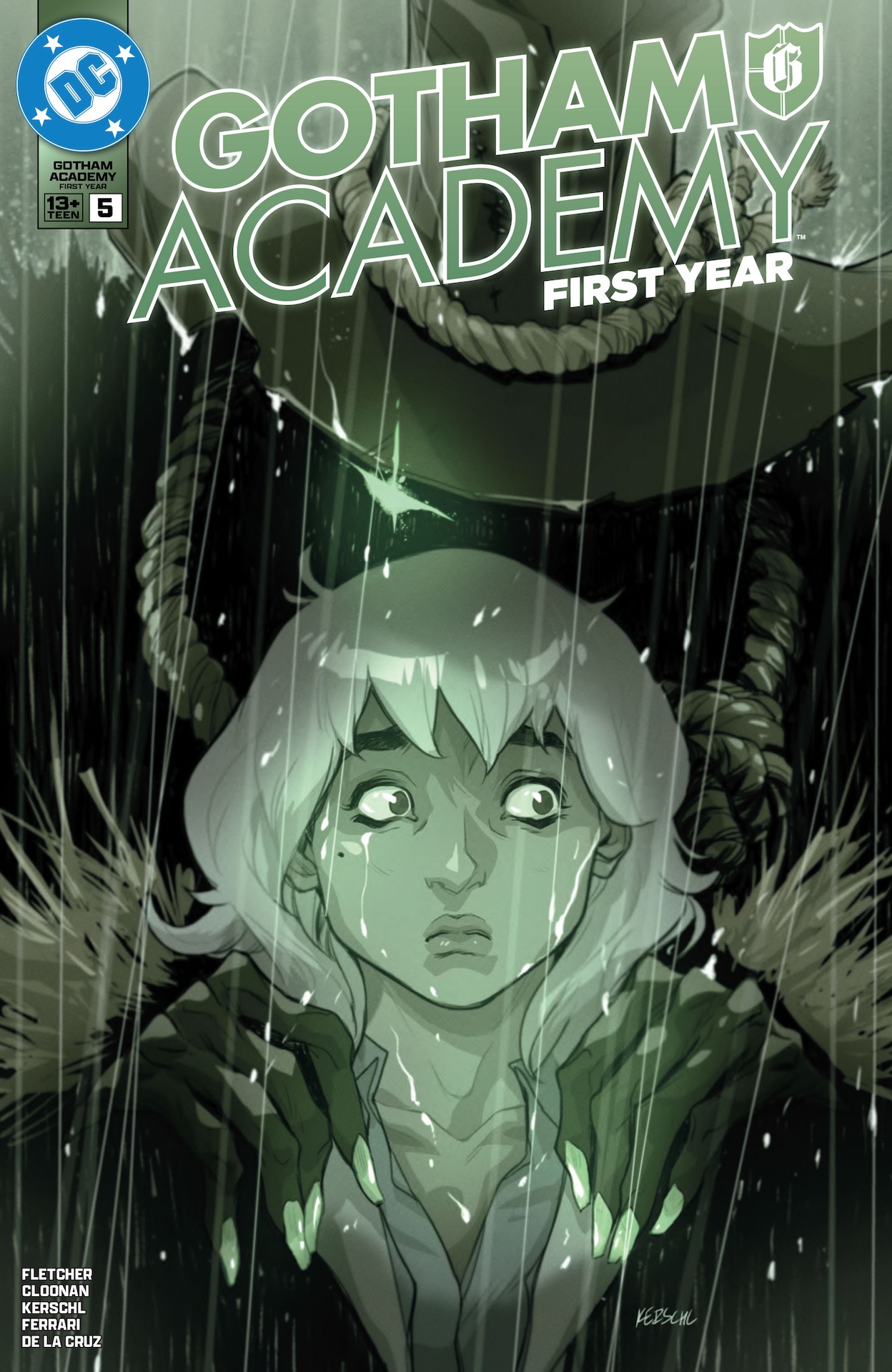
The storied corridors of Gotham Academy have always been a breeding ground for mystery, but as the release of the fifth installment of the First Year series approaches, the stakes have shifted from teenage angst to something far more metaphysical. Scheduled for publication on June 24, 2026, Gotham Academy: First Year #5 promises to peel back the layers of the school’s reality, forcing protagonist Olive Silverlock into a confrontation with her own fractured memory.
With a creative powerhouse consisting of Becky Cloonan, Karl Kerschl, and Brenden Fletcher at the helm, and featuring the haunting, atmospheric artistry of Marco Ferrari, the issue serves as a critical juncture in a narrative that is increasingly blurring the lines between a traditional school setting and a psychological thriller.
Main Facts: The Central Mystery of Olive Silverlock
At its core, Gotham Academy: First Year #5 addresses the fundamental instability of the environment within the Academy walls. The promotional materials for the issue carry the stark, ominous tagline: "School is a nightmare. Literally."

The narrative focus remains firmly fixed on Olive Silverlock, whose primary objective—the discovery of her missing mother—has become inextricably linked to the strange phenomena occurring at the school. In this issue, Olive finds herself trapped in a cycle of "forgotten memories" and repetitive, déjà vu-laden conversations. The central conflict is no longer just about external mysteries or missing persons; it is an internal struggle against a reality that seems to be erasing itself in real-time.
For readers, the issue poses a poignant, terrifying question: How do you retrace your steps when you don’t remember walking? This thematic pivot suggests that the creative team is moving toward a more surrealist approach, potentially introducing elements of temporal manipulation or psychic distress that will redefine the series’ scope.
Chronology of the Arc: Building Toward the Breaking Point
To understand the gravity of First Year #5, one must look at the progression of the series thus far. Since the inception of this new arc, the pacing has been deliberate, meticulously building an atmosphere of dread that permeates every classroom and dormitory.
- The Initial Setup: The series began by grounding the reader in the familiar, high-stakes social environment of Gotham Academy. This was a necessary step to establish the "normalcy" that the current narrative is now systematically dismantling.
- The Escalation: As the series progressed into its second and third issues, small inconsistencies began to appear. Missing items, closed-off corridors that were previously accessible, and fleeting shadows suggested that the Academy was hiding more than just secrets—it was hiding a secret history.
- The Current State: Issue #4 saw the tension reach a boiling point, with Olive’s search for her mother becoming the catalyst for a series of breakthroughs that left more questions than answers.
- The Impending Climax: With the release of #5, the narrative moves from the periphery into the heart of the mystery. The creative team has signaled that this issue will serve as a pivot point, shifting the tone from a mystery-adventure to a more intense, psychological exploration of the trauma embedded within the architecture of the school itself.
Supporting Data: The Creative Synergy Behind the Series
The success of the Gotham Academy brand has always relied on its specific visual and narrative identity. The current creative team brings a unique blend of experience that allows them to balance character-driven drama with the gothic sensibilities required for a Gotham-based story.
- The Writing Team: The collaboration of Becky Cloonan, Karl Kerschl, and Brenden Fletcher represents a "dream team" for fans of the franchise. Their shared history with the characters allows for a level of continuity and depth that is rarely seen in long-running serial comics. By distributing the writing duties, the team manages to keep the dialogue snappy and youthful while maintaining a complex, multi-layered plot.
- The Artistry of Marco Ferrari: Ferrari’s contribution to First Year #5 cannot be overstated. The preview pages released by DC showcase a distinct shift in visual storytelling. His use of shadow and perspective creates a feeling of claustrophobia that complements the script’s emphasis on "forgotten" and "closed" spaces. The coloring choices—often leaning into muted, desaturated tones—highlight the "nightmare" aspect of the school, making the environment feel like a living, breathing antagonist.
Official Responses and Editorial Direction
While DC has kept the specific plot twists of the issue under tight wraps, the editorial team has expressed a desire to "lean into the gothic roots" of the location.
"We wanted the school to feel like a character in its own right," says an unnamed representative from the editorial board. "In First Year #5, we aren’t just showing a school. We are showing a place that has a memory of its own—one that is at odds with the memories of our students. Olive is the lens through which we view this decay, and what she finds in this issue will change the reader’s perception of everything that came before."

This editorial direction suggests that the series is distancing itself from standard "superhero school" tropes and moving toward the weird, esoteric horror that has long been a staple of the wider DC Universe’s darker corners, such as the haunts of Arkham or the mysteries of the Court of Owls.
Implications: A New Direction for Gotham Academy
The implications of the plot developments in First Year #5 are significant for the long-term trajectory of the series. By introducing the concept of unreliable memory, the writers are effectively telling the audience that they cannot trust the established history of the Academy.
1. The Erasure of History
If the school is capable of erasing memories or "locking" doors that once existed, it implies a systemic, perhaps supernatural, cover-up. This could lead to a massive reveal regarding the school’s origins or the true nature of the faculty’s involvement in Gotham’s underworld.

2. Character Development through Trauma
Olive Silverlock’s journey has always been characterized by her search for identity. By forcing her to confront a reality that is literally slipping through her fingers, the narrative is stripping away her defenses. This growth through hardship is a staple of the "coming-of-age" genre, but in the context of Gotham, it often comes with a permanent cost.
3. Expansion of the Mythos
The inclusion of more abstract elements suggests that the writers are comfortable expanding the Gotham Academy mythos beyond simple mystery. By flirting with psychological horror, the series is positioning itself to tackle more mature themes, ensuring that it remains relevant to an audience that has grown up alongside these characters.
4. Visual Evolution
Finally, the aesthetic shift in this issue sets a standard for the remainder of the arc. Readers should expect subsequent issues to lean further into this surrealist, dream-like quality. The visual language established by Ferrari will likely influence how the school is depicted for the foreseeable future, creating a more cohesive, albeit unsettling, atmosphere.

Conclusion
Gotham Academy: First Year #5 is shaping up to be a definitive moment in the series. It is a bold, challenging, and visually arresting issue that refuses to settle for the status quo. By turning the school into a labyrinth of fragmented memory, the creative team is challenging both the protagonist and the reader to look closer at what it means to belong to a place that refuses to remember you.
As the June 24th release date approaches, the excitement among the fanbase is palpable. For those who have been following the series since its inception, this issue is not merely a continuation; it is an escalation—a dive into the deep, dark, and forgotten basements of the Academy. Whether Olive Silverlock finds the truth about her mother or simply finds herself further lost in the halls of her own mind remains to be seen, but one thing is certain: after this, Gotham Academy will never feel quite the same again.

 Sagoh
Sagoh
 Ammar Sabilarrohman