

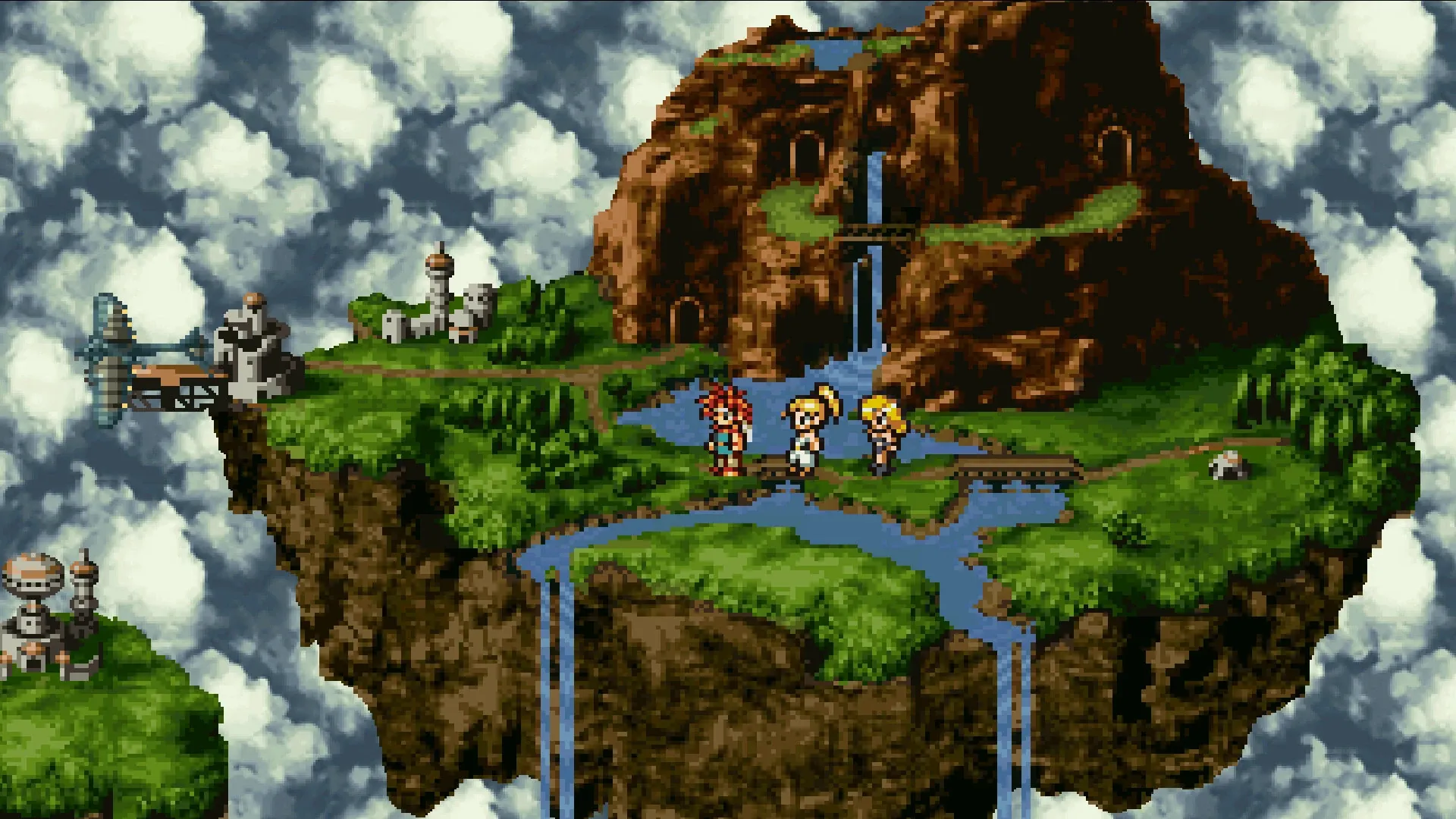
Between 2017 and 2022, Square Enix undertook a ambitious musical endeavor that bridged the gap between nostalgic chiptune origins and sophisticated contemporary improvisation. The Square Enix Jazz series, a collection of six albums (including a live recording), stands as a testament to the enduring versatility of the company’s legendary soundtracks. The final entry in this esteemed series—Square Enix Jazz -Chrono Trigger-—serves as the definitive focal point for an analysis of how jazz instrumentation can fundamentally reshape the identity of a classic role-playing game.
The Genesis of the Series: A Creative Vision
The Square Enix Jazz project was the brainchild of the arranging and producing duo Eijiro Nakagawa and Ryu Kawamura. Tasked with reinterpreting some of the most iconic melodies in gaming history, the duo established a consistent, high-fidelity soundscape defined by a core ensemble: piano, guitar, bass, drums, flute, and saxophone, often augmented by trombone.
This specific instrumental configuration allowed the producers to strike a delicate balance between the agility required for complex jazz phrasing and the warmth necessary to honor the emotional resonance of the original SNES compositions. While the series spanned various titles—with the SaGa entry often cited by enthusiasts as a pinnacle of the collection—the Chrono Trigger album represents the culmination of years of refinement. It is a masterclass in how to treat Yasunori Mitsuda’s immortal score not merely as "background music," but as a legitimate foundation for sophisticated jazz exploration.
Chronology and Scope of the Project
The project’s timeline mirrors the evolution of the modern video game music scene, where orchestral and jazz arrangements have transitioned from niche curiosities to major commercial releases.
- 2017: The launch of the series signaled Square Enix’s intent to explore "adult-oriented" arrangements, moving away from high-energy synth-rock and toward lounge-inspired sophistication.
- 2018–2021: Subsequent releases covered various intellectual properties, gradually building a signature "Square Enix Jazz" sound—a blend of smooth jazz, bebop influences, and fusion.
- 2022: The release of Square Enix Jazz -Chrono Trigger- served as the swan song for this specific iteration of the series. By selecting a title as revered as Chrono Trigger, the producers faced a high barrier to entry: the fans’ expectations for these melodies are essentially etched in stone.
The Paradox of Expectation: When Familiarity Breeds Contentment
One of the most intriguing aspects of the Chrono Trigger jazz album is the divergence between the listener’s relationship with the source material and their reaction to the arrangement.
The Safety of "Schala’s Theme"
"Schala’s Theme" is widely considered a pinnacle of 16-bit composition. Its inherent beauty is so profound that, as the saying goes, one would have to make a concerted effort to make it sound poor. On this record, the arrangement is undeniably elegant, featuring a smooth, melancholic soprano sax solo. However, it falls into the "mildly impressed" category. Because the original is so flawless, the jazz arrangement plays it safe. It is a beautiful rendition, but it lacks the transformative "wow" factor that comes from taking a piece of music and completely dismantling its perceived limitations.
Radical Reinterpretations: The "End of Time"
Conversely, the most impressive tracks on the album are those that elevate previously overlooked material. The track "Brink of Time" (officially "End of Time" in the Western localization) serves as the primary example. In the original soundtrack, this is a functional, ambient piece—pleasant, but arguably one of the less iconic tracks compared to the high-stakes battle themes.
Ryu Kawamura’s arrangement here is nothing short of a revelation. By playing with complex time signatures—adding and dropping beats, shifting from 6/4 to 7/4 time—the ensemble breathes new, frantic life into the composition. The interplay between the flute and the acoustic guitar creates a dense, rhythmic tapestry that demands the listener’s full attention. It is a daring, wild, and entirely successful reimagining that proves jazz is at its best when it challenges the listener rather than simply comforting them.
Supporting Data: The Art of Transformation
The effectiveness of this album lies in the musicianship of the ensemble. Beyond the clever time changes, the album showcases the power of tempo and texture.
The Drumming Masterclass
The arrangement of "Peaceful Days" by Eijiro Nakagawa provides a perfect case study in the power of the rhythm section. In its original form, "Peaceful Days" is a gentle, simple melody. Nakagawa, however, pushes the drummer, Ken Higeshiro, to employ a double-time tempo, backed by a driving, walking bassline. This transforms a "mundane" track into a vibrant, swinging piece of jazz. Higeshiro’s performance is the anchor of the track, providing a steady pulse that allows the other instruments to weave complex melodies around it without the song losing its structural integrity.
Fusion and Modernity
The album also successfully dips its toes into jazz-rock fusion, most notably on "World Revolution." This track captures the high-stakes intensity of the game’s late-game confrontations while adding a gritty, improvisational edge that keeps the energy high. Similarly, "Robo’s Theme" is handled with a sense of whimsy and upbeat energy, demonstrating that the ensemble is as comfortable with joyful, pop-adjacent melodies as it is with complex, moody pieces.
Vocal Absence and Musical Imagination
While Square Enix Jazz -Chrono Trigger- is a strictly instrumental project, it creates a unique psychological phenomenon for the seasoned fan. For tracks like "Far Off Promise" and the titular "To Far Away Times," the listener cannot help but recall the vocal arrangements found on the To Far Away Times album.
The piano work on these tracks is dulcet and structurally sound, but there is a lingering sense of "what could have been." The listener’s brain fills in the gaps, imagining the presence of vocalists like Laura Shigihara or Sarah Àlainn. This is not a critique of the instrumental performance—which is objectively high-quality—but rather a testament to how deeply ingrained the vocal versions of these songs have become in the cultural consciousness of Chrono Trigger fans.
Implications for Future Game Music Projects
The success of this album—and the series as a whole—carries significant implications for the future of video game music.
- Genre Fluidity: The project demonstrates that video game music is not bound by its original medium. Just as classical compositions are frequently adapted for jazz, synth-heavy game scores are ripe for sophisticated, instrumental re-interpretation.
- Archival Value: By producing these albums, Square Enix is effectively "archiving" their intellectual property in a new medium, ensuring that these melodies remain relevant to a demographic of listeners who may have outgrown the 8-bit or 16-bit era but still possess a deep emotional attachment to the music.
- Physical vs. Digital: Despite the prevalence of streaming, the physical edition of this album has become a sought-after collectible. The scarcity of the CD version highlights a growing trend where fans view high-quality physical media as a "memorial" to their favorite titles, even as they enjoy the convenience of digital access on platforms like Spotify or Apple Music.
Final Reflections
The Square Enix Jazz -Chrono Trigger- album is more than a simple collection of covers; it is a thoughtful, daring, and technically proficient exploration of one of the greatest soundtracks ever written. It succeeds by knowing exactly when to play it safe and when to take risks.
While the "safe" tracks provide the comfort that long-time fans crave, it is the "wild" arrangements that prove the longevity of Yasunori Mitsuda’s work. The album serves as a fitting conclusion to a six-part series that has successfully elevated the status of video game music. For those who can appreciate the nuances of a walking bassline or the tension of an unexpected time signature, this album is a must-listen. One can only hope that Nakagawa and Kawamura are currently planning a second wave of these arrangements, as the potential for such high-quality exploration remains essentially limitless.












No comments yet. Be the first to join the conversation!