Lina Irawan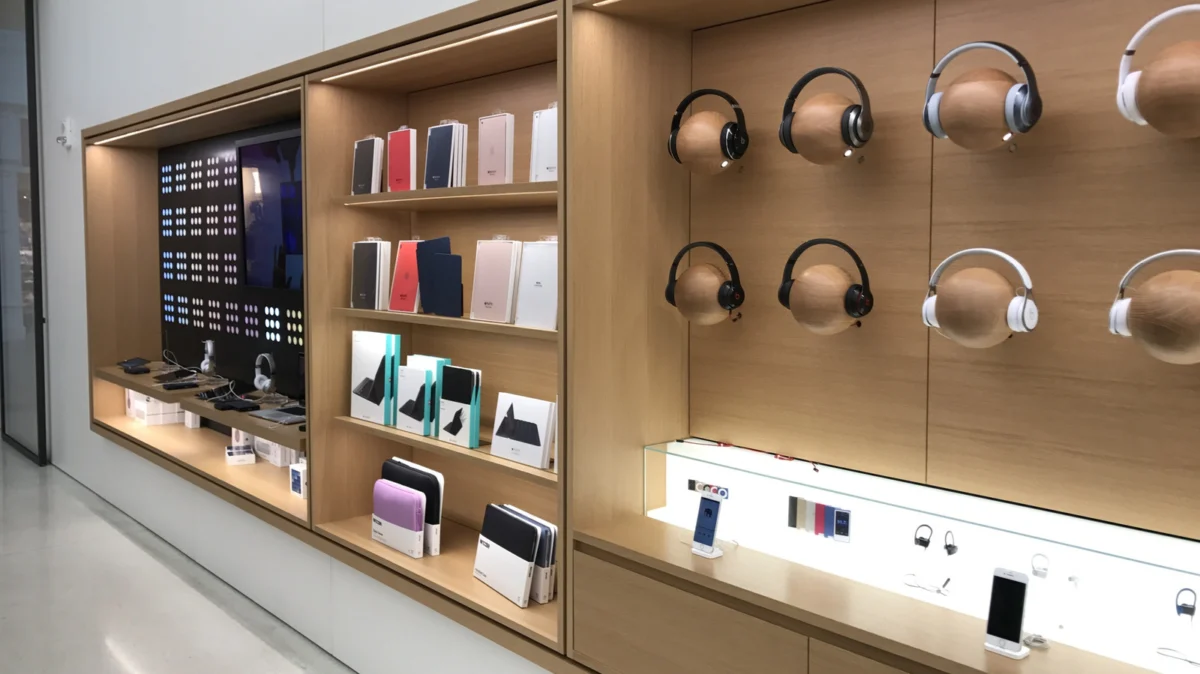
The global spectacle of the FIFA World Cup is more than just a tournament of football prowess; it is the most valuable real estate in the sporting world. With billions of eyes fixed on the pitch, the battle for visibility between official sponsors and non-affiliated brands has reached a fever pitch. In the most recent display of FIFA’s iron-fisted commitment to protecting its commercial partners, the organization has enforced a strict blackout on unauthorized branding, leading to bizarre scenes—from taped-over headphones on star players to tarps draped over stadium naming rights.
The Musiala Incident: A Case Study in Brand Policing
The most recent flashpoint in this ongoing corporate cold war involved Bayern Munich and German national team star Jamal Musiala. Ahead of a match against Curaçao, Musiala was observed wearing a pair of Beats by Dre headphones. While the audio equipment itself was permitted, the prominent "b" logo—the signature mark of a non-sponsor brand—was deemed a violation of FIFA’s stringent commercial guidelines.
At the behest of FIFA officials, Musiala was required to apply a strip of black tape over the logos before he was permitted to step onto the pitch for warmups. The incident, captured by eagle-eyed fans and circulated via the social media account @iMiaSanMia, quickly went viral. For FIFA, this was not an act of pettiness; it was a necessary enforcement of contractual obligations. FIFA’s commercial partners pay hundreds of millions of dollars for exclusivity, and the sight of an elite athlete providing "free" exposure to a rival brand during a tournament broadcast is treated as a breach of that exclusivity.
Chronology of the Commercial Crackdown
The enforcement of "clean" stadiums and player gear is not a new phenomenon, but the intensity of the scrutiny has escalated alongside the rising costs of World Cup sponsorship packages.
- Pre-Tournament Preparation: Months before the first whistle, FIFA’s commercial teams conduct rigorous audits of all host venues. This includes identifying non-partner signage, permanent architectural branding, and even small hardware logos that might appear on television.
- The "Clean Stadium" Policy: FIFA mandates that host stadiums be scrubbed of all references to non-sponsors. This has historically included covering up everything from local bank branding to permanent stadium names.
- The Levi’s Stadium Transformation: A prime example of this policy in action is the venue in Santa Clara, California. Known famously as "Levi’s Stadium," the venue has been rebranded by FIFA as the "San Francisco Bay Area Stadium" for the duration of the tournament. In a move that garnered significant media attention, the stadium’s branding was covered by massive tarps to ensure no unauthorized corporate identity bled into the broadcast.
- The Athlete Compliance Phase: As players arrive at stadiums, they are subjected to "kit checks." This ensures that personal endorsements do not conflict with FIFA’s primary sponsors. When athletes like Musiala are seen with unauthorized gear, the intervention is immediate, ensuring that by the time the match starts, the "clean" aesthetic is maintained.
Supporting Data: The Economics of Exclusivity
To understand why FIFA is willing to endure the public relations headache of taping over headphones, one must look at the financials. FIFA’s business model relies on a tiered sponsorship structure.
The Sponsorship Hierarchy
- FIFA Partners: These top-tier entities (such as Adidas, Coca-Cola, and Visa) pay for global rights and category exclusivity.
- World Cup Sponsors: These companies gain rights to the tournament but on a smaller scale than the primary partners.
- Regional Supporters: These organizations provide localized backing in specific host regions.
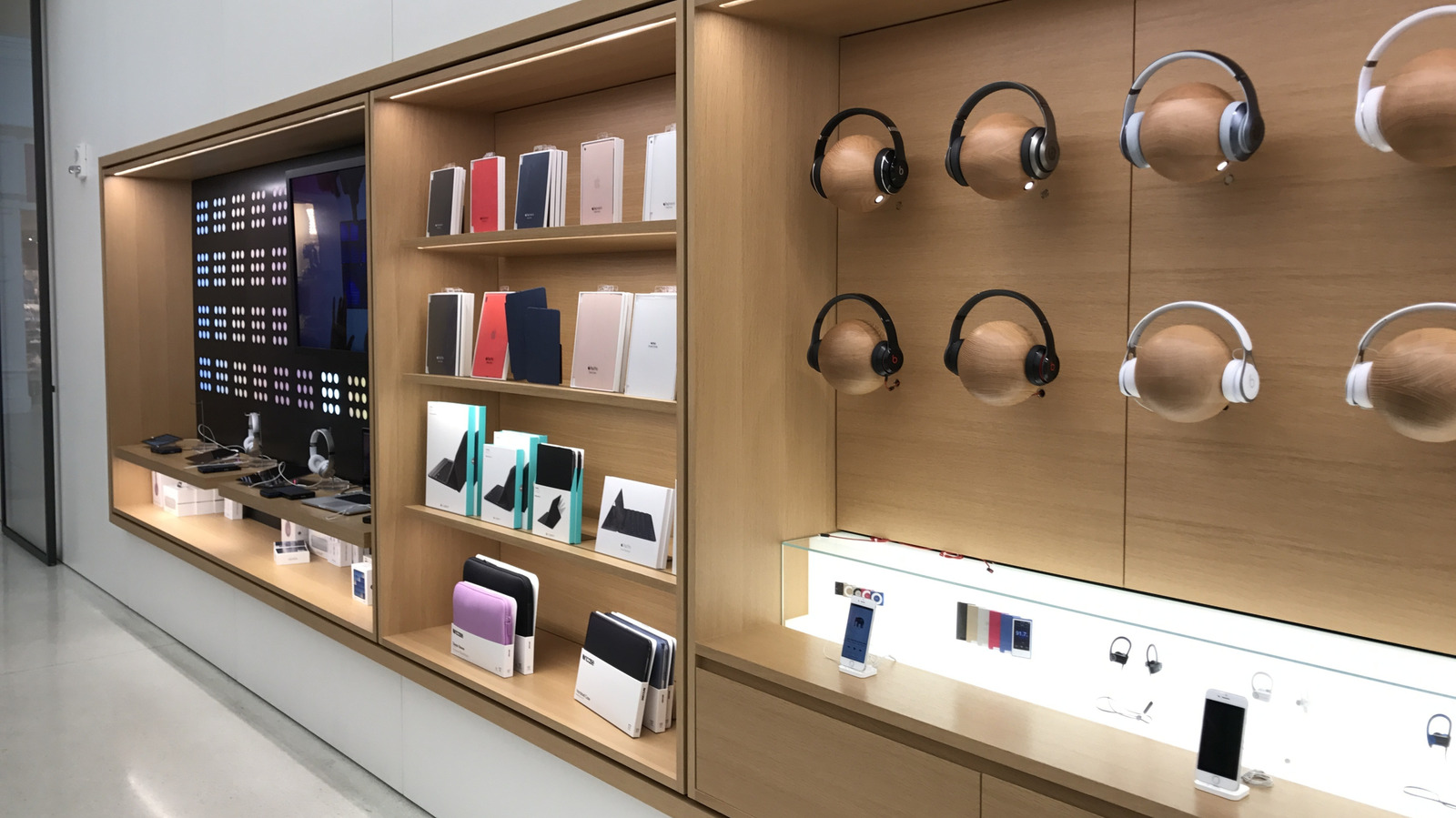
When a brand like Beats by Dre—which is owned by Apple—successfully places its products on the heads of global icons during the World Cup, it achieves what marketers call "ambush marketing." By paying zero dollars to FIFA, they capitalize on the massive global audience, effectively stealing the thunder from official audio sponsors.
Market analysis suggests that the visibility of a star player wearing a specific product during a pre-match warmup can result in millions of dollars in "earned media" value. For FIFA, allowing this to occur would devalue the sponsorship packages they sell. If they do not protect the exclusive rights of their partners, the incentive for those partners to renew multi-billion dollar contracts evaporates.
Official Responses and the "Levi’s" Approach
FIFA’s official stance remains consistent: the integrity of the tournament’s commercial environment is paramount. Their guidelines explicitly state that players must not display any unauthorized personal branding that could be construed as an advertisement during official tournament activities.
Interestingly, some brands have chosen to pivot rather than fight. When FIFA required the branding at Levi’s Stadium to be covered, the company did not file a lawsuit or issue a protest. Instead, they leaned into the narrative. Levi’s updated its social media profile pictures to feature an image of its logo covered by a tarp, effectively turning the "censorship" into a clever, self-aware marketing campaign. This "if you can’t beat them, join them" approach highlights how modern brands navigate the rigid world of mega-event marketing.
The Implications: Where Innovation Meets Regulation
The tension between athletes’ personal endorsement deals and FIFA’s sponsorship requirements is set to grow as digital media becomes more fragmented.
The Power of Social Media
While FIFA can control what happens on the pitch and in the stadium, they have no jurisdiction over the social media accounts of players. Beats by Dre has been masterfully using players like Lamine Yamal to tease new products on Instagram and X. These posts, shared from hotel rooms or training camps, bypass the stadium regulations entirely. This creates a "shadow" marketing campaign that FIFA cannot effectively police, leading to a new era of digital ambush marketing.
Potential for Policy Evolution
Legal experts suggest that FIFA may eventually have to soften its stance or develop more nuanced rules. As athletes become increasingly powerful "media houses" in their own right, the clash between their personal brand partnerships and their duty to FIFA will become a recurring legal and ethical dilemma. Critics argue that forcing a player to tape over a logo is an antiquated practice that ignores the reality of modern digital influence.
The Fan Perspective
For the average viewer, the "taping" incidents are a source of amusement and a reminder of the hyper-commercialization of sports. However, they also serve as a reminder that the World Cup is a commercial product. While the fans are focused on the beautiful game, the entities behind the scenes are engaged in a high-stakes chess match for attention.
Conclusion
The incident with Jamal Musiala and the transformation of Levi’s Stadium into an anonymous venue are symptoms of a larger, more complex reality in professional sports. FIFA is tasked with the impossible job of maintaining a pristine, sponsor-friendly environment in an age where brands are finding ever-more creative ways to infiltrate the frame.
As we look toward future tournaments, the question remains: can FIFA continue to enforce these draconian measures, or will the rise of individual athlete influence force a change in how commercial exclusivity is defined? For now, the tape remains the primary tool of the trade—a simple piece of adhesive protecting a multi-billion dollar business model, one player at a time. The battle for the World Cup is no longer just on the grass; it is in the pixels, the social media feeds, and the very branding that defines the world’s most watched sporting event.


 Rifan Muazin