

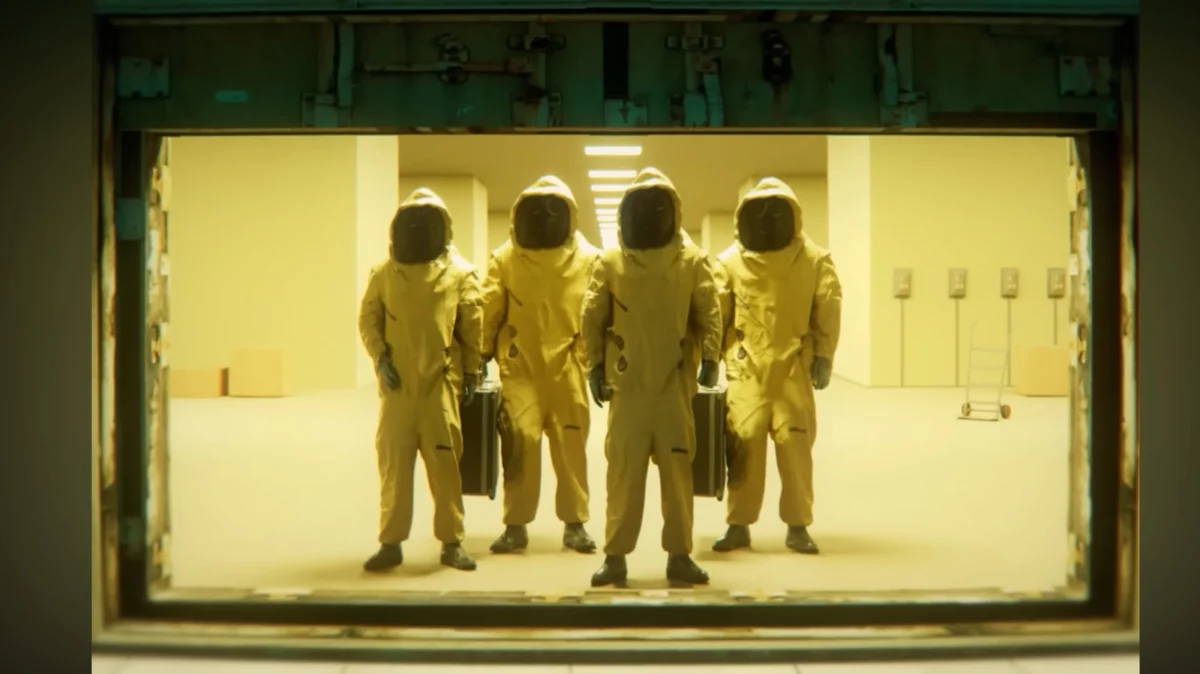
In the vast, interconnected landscape of the modern internet, few phenomena have transcended their humble, digital beginnings as effectively as "The Backrooms." What began as a singular, grainy photograph of a nondescript, mustard-colored office space has metastasized into a sprawling multimedia universe, spawning an entire sub-genre of "liminal horror" and culminating in a highly anticipated feature film. As director Kane Parsons prepares to bring this internet urban legend to the silver screen under the banner of A24, the history of the Backrooms serves as a fascinating case study in how collective digital imagination can manifest into mainstream cultural currency.
The Genesis: A Digital Ghost Story
The origin of the Backrooms is a classic tale of internet folklore. In 2019, an anonymous user on the 4chan imageboard /x/—a forum dedicated to the paranormal—posted a low-quality, unsettling photograph. The image depicted an empty, carpeted room with monochromatic yellow wallpaper and buzzing fluorescent lights. The prompt accompanying the image was simple yet evocative: "Post disquieting images that just feel ‘off.’"
The response was immediate and overwhelming. One user responded to the thread with a narrative that would become the foundation of the entire mythos:
"If you’re not careful and you noclip out of reality in the wrong areas, you’ll end up in the Backrooms, where it’s nothing but the stink of old moist carpet, the madness of mono-yellow, the endless background noise of fluorescent lights at maximum hum-buzz, and approximately six hundred million square miles of randomly segmented empty rooms to be trapped in. God save you if you hear something wandering around nearby, because it sure as hell has heard you."
This snippet of text provided the essential ingredients for a modern "creepypasta": a sense of dread, a supernatural mechanism for entry ("noclipping," a term borrowed from video game terminology where an object passes through a solid boundary), and the constant, implied threat of a predator lurking in the periphery.
Chronology: A Decade of Decay
To understand the cultural weight of the Backrooms, one must track its evolution from a stagnant image to an interactive, breathing universe:
- 2002: The original photograph is captured at a HobbyTown USA franchise in Oshkosh, Wisconsin, during a renovation. The location remained unknown to the public for over two decades.
- 2019: The image surfaces on 4chan, where the "Backrooms" creepypasta is born. The narrative spreads rapidly across Reddit and social media platforms.
- 2020–2021: The concept of "liminal spaces" gains mainstream traction on platforms like TikTok. The Backrooms become the poster child for this aesthetic—places that feel eerie precisely because they are transitional and devoid of human life.
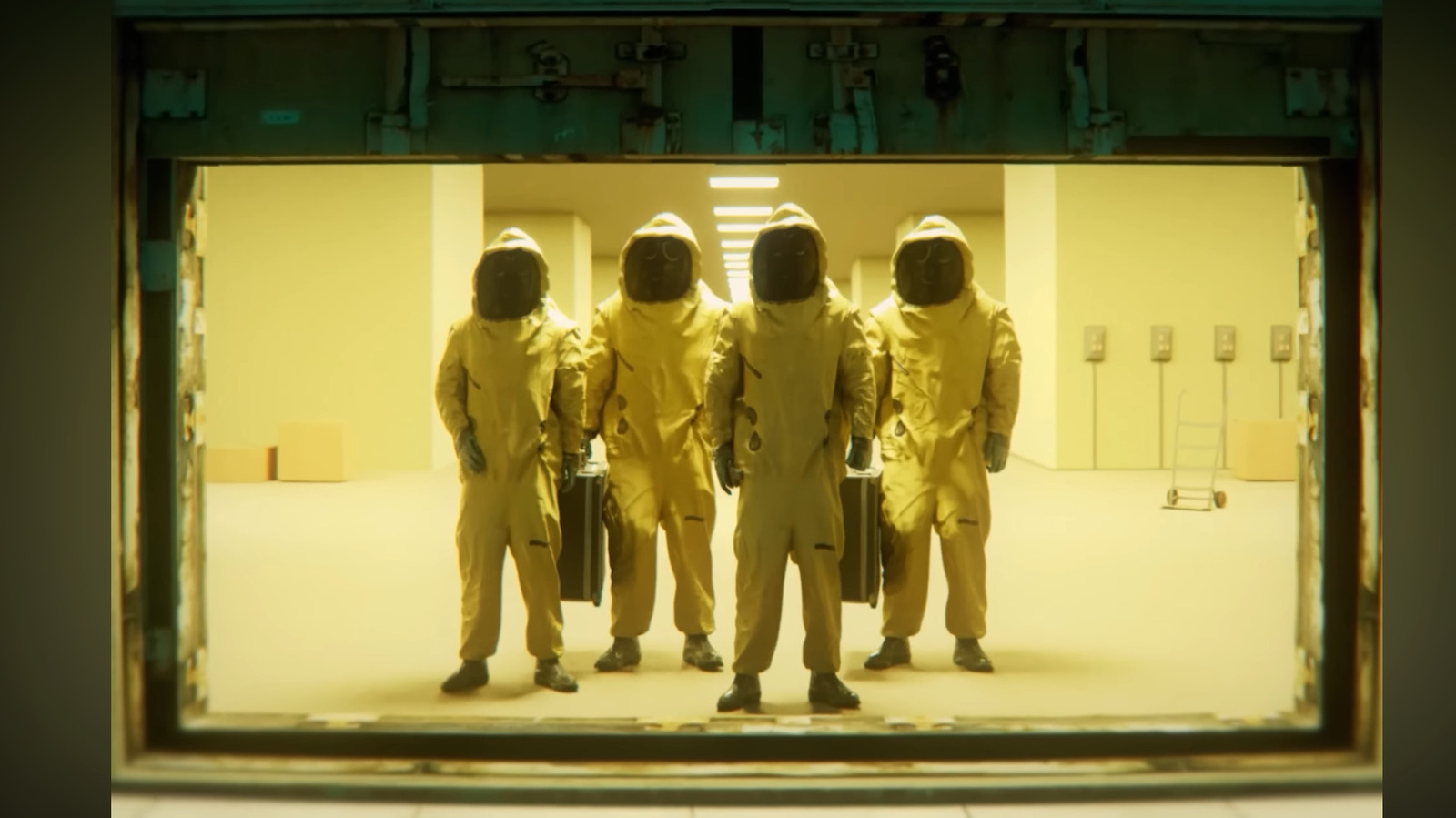
- January 2022: Kane Parsons (known online as Kane Pixels) releases "The Backrooms (Found Footage)" on YouTube. This video introduces high-production value, cohesive narrative structure, and terrifying entities to the previously static lore.
- 2024: Investigators confirm the origin of the original 2002 photograph, bringing a strange sense of closure to the digital mystery.
- May 2026: The A24 feature film adaptation, directed by Parsons, is scheduled for theatrical release.
Supporting Data: Why It Works
The enduring appeal of the Backrooms can be attributed to the psychology of "liminality." A liminal space is a location that acts as a threshold or a transition point—an airport terminal at 3:00 AM, an empty school hallway, or a deserted office floor. These environments are naturally disquieting because they are stripped of their intended purpose (human activity), leaving the observer to feel like an intruder in a reality that wasn’t designed for them.
Data from social media analytics platforms show that interest in "liminal horror" spiked by over 400% between 2020 and 2022. The Backrooms subreddit (r/backrooms) and its more purist counterpart, r/TrueBackrooms, serve as hubs for thousands of users to contribute to the "wiki-fication" of the lore. Unlike traditional horror franchises that are top-down, the Backrooms is a bottom-up community effort. Users contribute "Levels," "Entities," and "Survival Guides," turning a simple scary story into a complex, decentralized game world.
The Kane Parsons Phenomenon: From YouTube to Hollywood
While the concept was a community effort, its transition into a cinematic force is entirely the work of Kane Parsons. A 20-year-old creator, Parsons utilized his skills in VFX and 3D modeling to ground the surreal, intangible fear of the Backrooms in a "found footage" aesthetic that felt hyper-realistic.
His YouTube series didn’t just add monsters; it added a bureaucratic, almost government-conspiracy tone to the lore, suggesting that the Backrooms were not just a random glitch in reality, but a location being actively explored by an organization known as A-Sync Research. By giving the chaos structure, Parsons turned an abstract fear into a narrative engine.
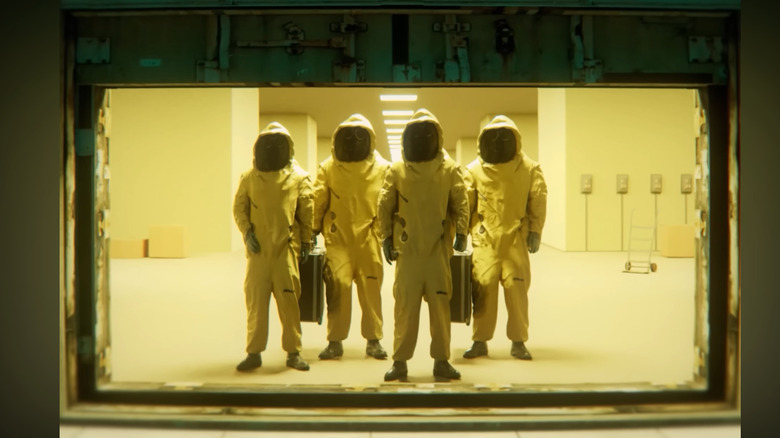
This success caught the attention of A24, the studio behind critically acclaimed horror hits like Hereditary and The Witch. The decision to hire Parsons—a creator who grew up in the ecosystem that birthed the story—is a milestone in the film industry. It signals a shift in how studios view "internet intellectual property." Rather than sanitizing the source material, they are betting on the authenticity of the original creator.
Implications: The Future of Digital Storytelling
The leap of the Backrooms from a 4chan thread to a $10 million A24 production carries significant implications for the entertainment industry.
- The Death of the "Gatekeeper": The Backrooms proves that high-concept IP can be developed entirely outside of traditional studios. Success is now measured by community engagement, view counts, and the organic growth of a fanbase.
- The Rise of "Crowdsourced Mythology": We are entering an era where movies are not just adaptations of books or comics, but adaptations of collective digital memories. The Backrooms is a "living" story that has thousands of authors, challenging traditional concepts of intellectual property and creative ownership.
- Liminality as a Mainstream Horror Sub-genre: Much like "found footage" was popularized by The Blair Witch Project and "slasher" films were defined by Halloween, the success of the Backrooms movie will likely solidify "liminal horror" as a permanent staple of the horror genre, influencing visual styles for years to come.
Conclusion
The Backrooms is more than just a scary story about yellow wallpaper and fluorescent lights. It is a mirror reflecting our collective anxiety about the modern world—a world of endless, sterile hallways, disconnected experiences, and the feeling that something is "wrong" with the fabric of our reality. As the film approaches its May 2026 release, the transformation of the Backrooms is complete. What began as a joke on an anonymous message board has become a testament to the power of the internet to create, curate, and commodify the unknown.
Whether the film succeeds or fails, the Backrooms will continue to exist in the digital ether, waiting for the next person to "noclip" out of reality and into the endless, humming silence of the yellow rooms.









No comments yet. Be the first to join the conversation!