Suro Senen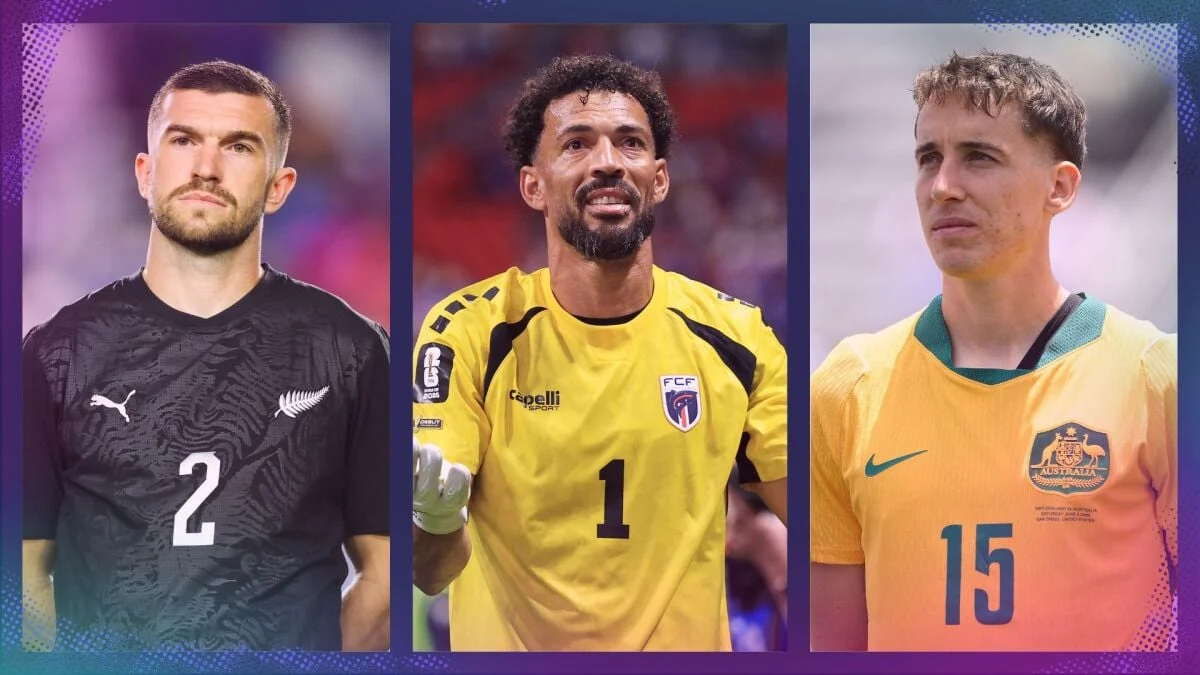
The FIFA World Cup has historically served as the grandest stage for the world’s most famous athletes—Lionel Messi, Kylian Mbappé, and Cristiano Ronaldo. Yet, in the 2026 tournament, a tectonic shift in how fans consume sports has birthed a new, unlikely class of celebrity: the "Digital Hero." No longer is fame reserved solely for those with multi-million-dollar endorsement deals or decades of Champions League glory. Today, the path to superstardom is paved by algorithms, influencer shoutouts, and the democratizing power of social media.
The most profound example of this phenomenon is Josimar José Évora Dias, better known as "Vozinha," the 40-year-old goalkeeper for Cape Verde. His transformation from an obscure veteran to an international social media sensation in the span of 90 minutes serves as a blueprint for the modern sports celebrity.
The Rise of Vozinha: A 90-Minute Metamorphosis
Entering Monday’s high-stakes clash against tournament favorite Spain, Vozinha was a man of professional pedigree but limited public profile. With a 19-year career spent largely away from the glare of the mainstream European media, he boasted a modest 50,000 Instagram followers. For the casual fan, he was simply a name on a team sheet; for Cape Verde, he was the heartbeat of a historic campaign.
The match itself proved to be the catalyst for a digital explosion. As Spain launched a relentless offensive—firing 27 shots at the Cape Verde goal—Vozinha stood as an immovable object. He recorded seven spectacular saves, frustrating the Spanish attack and securing a 0-0 draw that felt like a victory for the underdog nation.
By the time the final whistle blew, Vozinha had been named "Man of the Match." But his influence had already transcended the pitch. As the digital chatter began to swell, the numbers on his social media profile began to climb at an unprecedented velocity, eventually cresting at 12 million followers within 24 hours—a total that surpasses the digital reach of global icons like NBA superstar Victor Wembanyama and NFL luminary Patrick Mahomes.
The Architect of the Surge: The Power of Streamer Culture
Vozinha’s ascent was not purely organic; it was supercharged by Casimiro "Cazé" Miguel, the Brazilian streaming titan who has redefined sports broadcasting. CazéTV, which holds the rights to all 104 matches of the 2026 World Cup in Brazil, has pivoted away from the sterile, formal commentary of traditional television. Instead, they offer a fan-centric, participatory experience that mirrors the informal atmosphere of a group chat.
With a staggering 31 million YouTube subscribers, Cazé holds the power to sway public opinion in real-time. During the match against Spain, the streamer noticed Vozinha’s relatively modest following and issued a direct call to action to his millions of viewers. The result was instantaneous. The sheer volume of traffic directed to the goalkeeper’s Instagram account caused a digital stampede, with his follower count leaping from 50,000 to over a million before the match even concluded.
Beyond the Numbers: Humanizing the Hero
The virality of Vozinha’s story gained even greater resonance when the goalkeeper, overcome with emotion during a post-match interview, revealed the personal cost of his participation. He tearfully explained that his mother had been unable to attend the match due to a combination of visa complications and financial constraints.
This moment of vulnerability stripped away the artifice of the "professional athlete" archetype. The internet, often criticized for its superficiality, responded with profound empathy. The emotional weight of his story caught the attention of the U.S. State Department. In an unprecedented move for an international sporting event, officials confirmed they were working to facilitate visa services for his family, demonstrating that the modern digital narrative has real-world diplomatic consequences.
A Growing Trend: The "Least-Known Player" Movement
Vozinha’s story is not an isolated incident; it is part of a broader ecosystem of "fan-led branding" that has defined the 2026 tournament. Before the first ball was kicked, Argentine influencer Valen Scarsini, known online as "El Scarso," launched a campaign to identify and support the "least-known player" in the tournament.
His focus landed on New Zealand defender Tim Payne. At the time of the campaign’s launch, Payne had fewer than 5,000 followers. Through a sustained push by Scarsini, Payne’s online following ballooned to 6 million. Similarly, Australia’s Kai Trewin saw his digital footprint expand from 3,000 to over 100,000 followers after creator RubikayTV jokingly—and then seriously—began a campaign to frame him as "the Cristiano Ronaldo of the World Cup." Even Curaçao’s backup goalkeeper, Trevor Doornbusch, found himself thrust into the limelight following a well-timed shoutout from soccer influencer FiagoBall.
The Structural Shift in FIFA’s Media Strategy
These stories are not mere accidents of the internet; they are the result of a deliberate, radical change in FIFA’s distribution strategy. By naming TikTok the preferred platform for video content and partnering with YouTube to allow live broadcasts of the opening 10 minutes of every match, FIFA has effectively surrendered the monopoly of "official" coverage to the masses.
This hybrid model—blending traditional broadcast rights with creator-led commentary and bite-sized social media clips—has lowered the barrier to entry for fan engagement. Fans are no longer tethered to a television set; they are following the tournament through the lens of their favorite influencers, who act as curators of the tournament’s most exciting narratives.
Implications for the Future of Sports Marketing
The rise of the "Digital Hero" suggests that the traditional celebrity-building machine of the past—which required years of sustained excellence at top-tier European clubs—is being disrupted. In this new landscape:
- Accessibility is King: Players from smaller nations or lower-profile leagues can achieve instant global recognition if they can provide a compelling narrative or a standout moment of play.
- Influencers are the New Gatekeepers: The power to "make" a star has shifted from sports journalists and legacy broadcasters to streamers and content creators who command higher levels of trust among younger demographics.
- The "Main Character" Phenomenon: The tournament has become a stage for viral, episodic storytelling. Players are no longer just athletes; they are "main characters" in a global digital drama.
- Tangible Impact: As seen with Vozinha, online support is no longer confined to the digital realm. It has the potential to influence logistical, financial, and even political outcomes for the athletes involved.
Conclusion: A New Era of Global Fandom
As the 2026 World Cup progresses, it is clear that we are witnessing a permanent evolution in sports culture. The tournament has proven that in an era of hyper-connectivity, the distance between an obscure player and a global icon is only one well-timed save and one dedicated influencer away.
The "Vozinha effect" serves as a reminder that the World Cup is, at its heart, a collection of human stories. While the sport remains the same, the method by which we crown our heroes has fundamentally changed. The digital age has ensured that the next global superstar might not be found in the ranks of Real Madrid or Manchester City, but in a small nation, standing in a goal, waiting for the world to notice.

 Neng Nana
 Nana Wu