

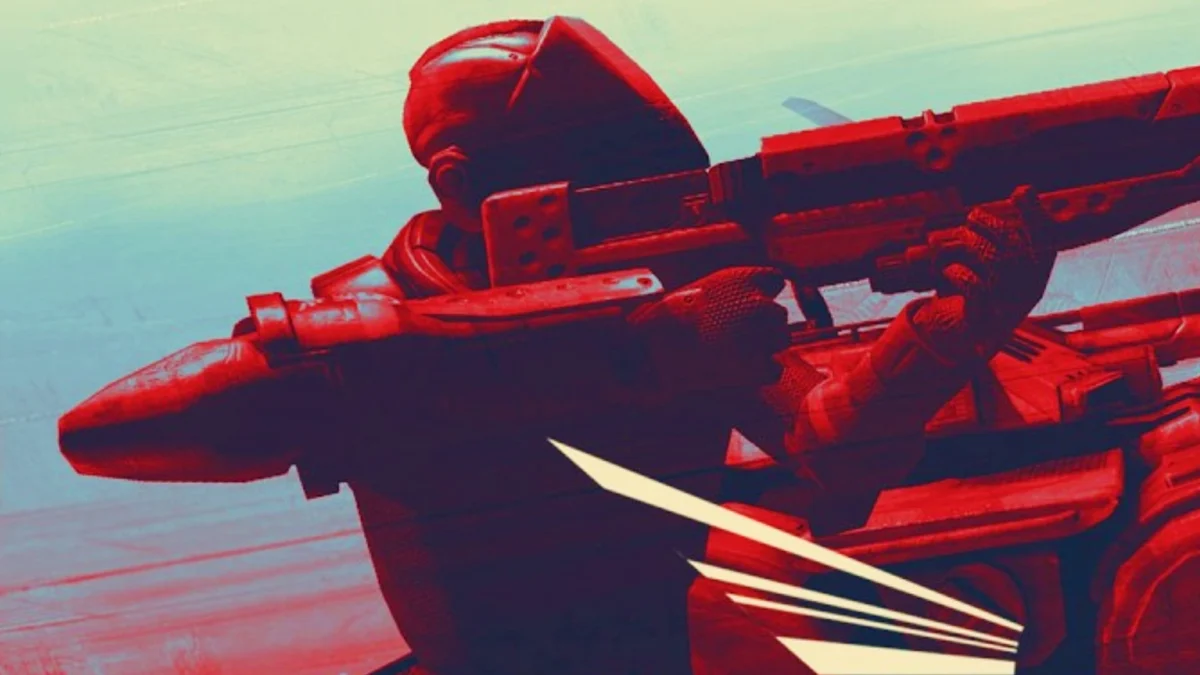
For over a decade, the independent gaming landscape has been defined by the rise of "Early Access"—a model that has seen countless ambitious projects rise to stardom or fade into obscurity. Yet, few stories are as poignant or as stubbornly dedicated as that of Angels Fall First. After seventeen years of development—a timeline spanning from moonlit weekends in the late 2000s to a decade-long residency on Steam—the ambitious sci-fi hybrid has finally hit its 1.0 milestone.
Angels Fall First (AFF) is not merely a game; it is a manifestation of a specific, high-concept dream that many players have harbored since the golden age of the 2000s. It promises an experience where the scale of Battlefield 2142 meets the granular, visceral intensity of Star Wars: Battlefront II, all wrapped in a sandbox of space dogfights that recall the glory days of TIE Fighter.
The Genesis: A Project Born of Necessity
To understand the significance of this launch, one must look at the vacuum that birthed the project. In the mid-2000s, the gaming industry saw a convergence of vehicular and infantry combat, yet players often felt that the "interconnected" nature of these battles was segmented. You might fly a ship, but you were locked to the cockpit; you might fight on the ground, but the heavens above felt like a painted skybox.
The team at Strangely Interactive, the developers behind Angels Fall First, grew tired of waiting for a AAA studio to bridge this gap. They recognized that no major publisher was willing to take the risk of blending seamless ship-to-ship boarding mechanics with massive ground-based warfare. As the developers noted in their launch manifesto, "Angels Fall First exists because it must exist."
The project began as a hobbyist endeavor, a labor of love developed in the quiet hours of the night. By 2015, the project transitioned into Steam’s Early Access, exposing its rough-around-the-edges potential to a wider audience. For nine years, the developers remained "quietly plugging along," refusing to abandon the project despite the changing tides of the FPS genre.
Chronology: A Seventeen-Year Odyssey
The development cycle of Angels Fall First is a masterclass in persistence, bordering on the legendary.
- 2007–2014: The Formative Years: Initially conceptualized as a mod project, the developers spent seven years refining the core engine and the feel of the combat. During this period, the scope grew from a simple space shooter to a complex, multi-layered tactical simulation.
- 2015: The Early Access Launch: The game debuted on Steam, showcasing the "monster" they had built. It featured the ability to spawn in crew quarters, traverse a capital ship, launch a dropship, and engage in combat—all without a single loading screen between the hangar and the battlefield.
- 2015–2024: The Long Iteration: Over the next nine years, the team focused on stability, optimization, and refining the "twitchy passion" of their combat systems. They navigated the challenges of a small team managing a massive, complex sandbox, often updating the game in ways that felt counter to the prevailing "live service" trends of the era.
- July 2024: The 1.0 Release: The game officially exited Early Access, marking the transition from a work-in-progress to a finished, supported product.
The Mechanics of "The Monster": What Defines AFF?
At its core, Angels Fall First is an anomaly in the modern market. It is a 64-player tactical shooter that refuses to compromise on its vision of scale.
Seamless Combat Integration
The defining feature of AFF is its verticality. In a standard match, a player might start as an infantryman defending a command post on a desert planet. Minutes later, they might jump into a cockpit to fend off an orbital strike, only to realize that their own capital ship is being boarded by the enemy. The player can then land their craft, exit the cockpit, and participate in the boarding action, fighting through the interior of a massive vessel to take out the enemy captain.
Scalable Warfare and Bot Support
One of the most impressive technical aspects of the game is its robust support for AI. While modern games often rely on massive player counts to make a map feel alive, AFF utilizes sophisticated bot logic to ensure that even if the server isn’t full, the match remains dynamic. This makes the game accessible to solo players or small groups, a rare feature in an era where most multiplayer games require a dedicated connection to a bustling community to be enjoyable.

Customization and Persistence
The game features a deep loadout system, allowing players to customize their infantry classes, ground vehicles, and spacecraft. While it lacks the hyper-polished "feel" of a $70 Call of Duty title, it offers a level of strategic depth that is often sacrificed for accessibility in larger titles. Players can specialize in electronic warfare, heavy support, or rapid-assault boarding tactics.
Official Responses and Developer Philosophy
The team at Strangely Interactive has been remarkably candid about the toll and the joy of their long-term project. In their official communication regarding the 1.0 launch, there is a palpable sense of both relief and bittersweet nostalgia.
"We grew old making this, and we got grumpy watching everyone else release their cool games," the developers shared. This statement captures the unique position of the studio. They are not chasing the latest trends in battle royale or hero shooters; they are creating a game for an audience that misses the "points and glory" era of multiplayer gaming.
The developers acknowledge that their game is "out of step" with modern industry standards. They admit that they lack the visual fidelity of titles like Arc Raiders or the polished movement of Battlefield. However, they frame this as an intentional design choice. The "lack of polish" is, in many ways, a testament to the game’s authenticity—it is a project driven by the developers’ personal tastes rather than corporate focus groups.
Implications for the FPS Genre
The successful launch of Angels Fall First carries several implications for the future of indie development:
- The Viability of the "Passion Project": AFF proves that a dedicated community can sustain a project for over a decade. It offers a blueprint for how independent developers can nurture a niche audience without succumbing to the burnout of rapid-release cycles.
- A Demand for Scope Over Shine: The reception of AFF suggests that there is a significant segment of the gaming population that values depth, agency, and scale over high-fidelity graphics. Players are willing to trade graphical "sheen" for the ability to orchestrate their own cinematic moments in a sandbox environment.
- The Anti-Trend Movement: In an industry currently obsessed with battle passes, microtransactions, and ephemeral live-service content, Angels Fall First stands as a bastion of the "buy it, own it, play it" philosophy. By offering a complete experience at a modest entry price, it challenges the industry standard of monetization.
Conclusion: Why You Should Care
If you have ever felt the "itch" for a game that allows you to fight in the trenches of a planet and the bridge of a flagship in the same round, Angels Fall First is not just recommended—it is essential.
The game is currently available on Steam, with an introductory discount period that underscores the developer’s gratitude toward their early adopters. At a price point of $17.99 (or $16.19 during the promotional window), it represents a remarkable value for the sheer amount of content and technical ambition on display.
As Strangely Interactive closes the chapter on their seventeen-year odyssey, they leave us with a piece of software that is imperfect, ambitious, and utterly unique. It is a reminder that sometimes the best games aren’t the ones designed by committees to be everything to everyone; they are the ones designed by people who simply couldn’t stop until their vision was realized. Angels Fall First may have arrived late to the party, but it has brought something to the table that the AAA industry has forgotten how to make.











